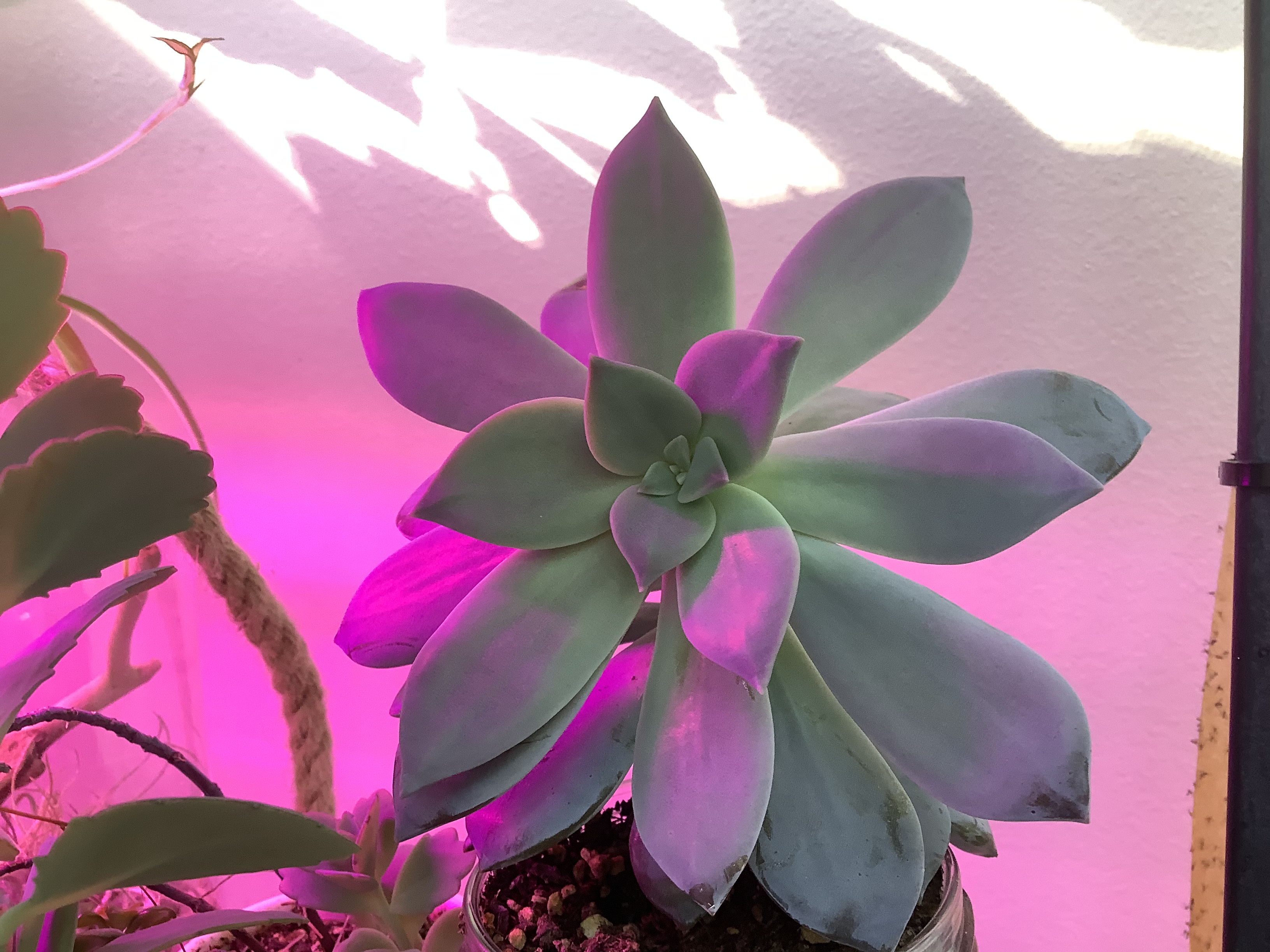
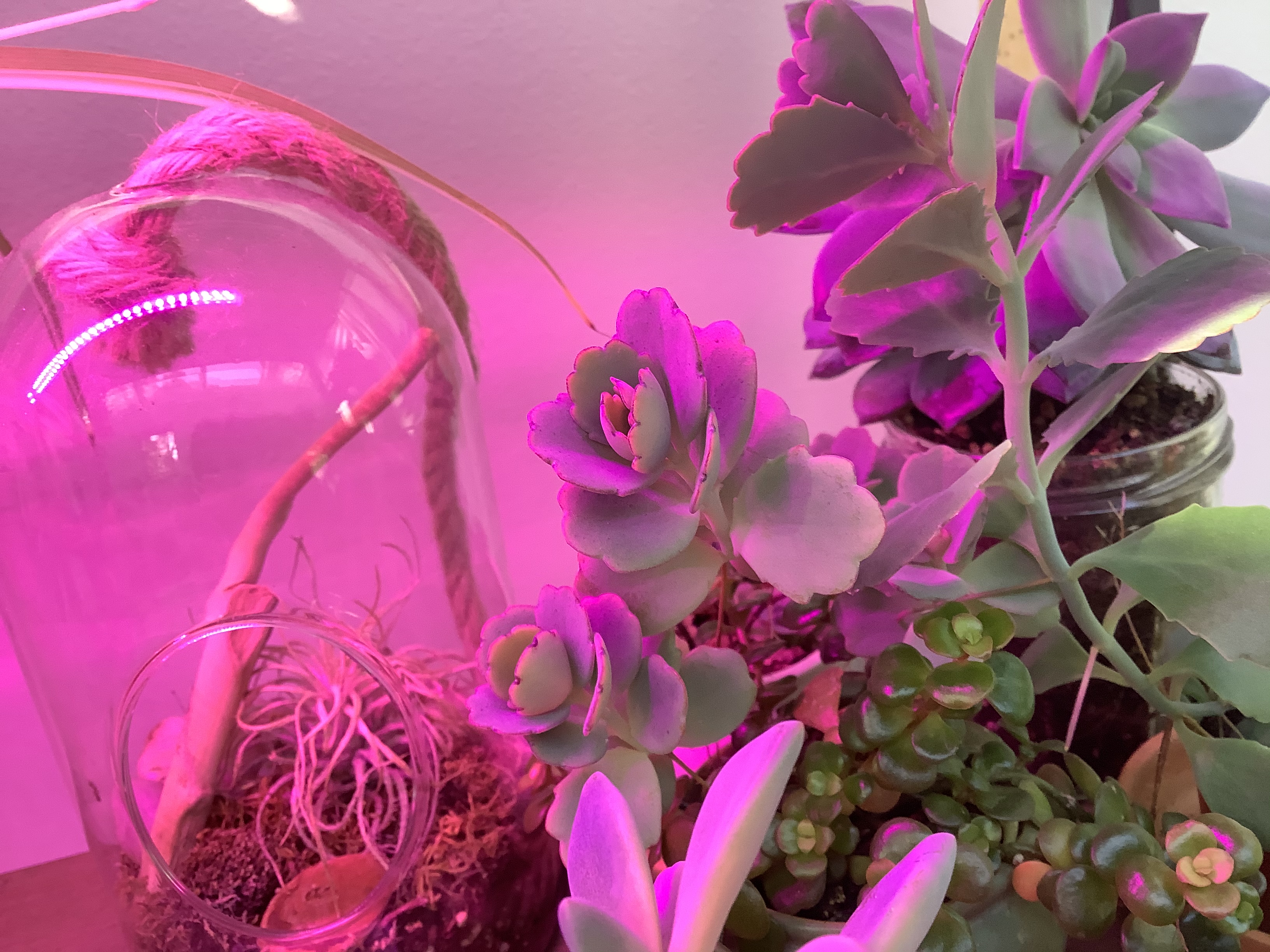
Garden bounty!

Over the last few days, we have been harvesting salads, radishes, and herbs from our garden. In this post, you are going to see, that even if you have bad soil, not much sun, nibbling rodents, and more (like us), you can still grow a bountiful garden!

Here is our herb garden:
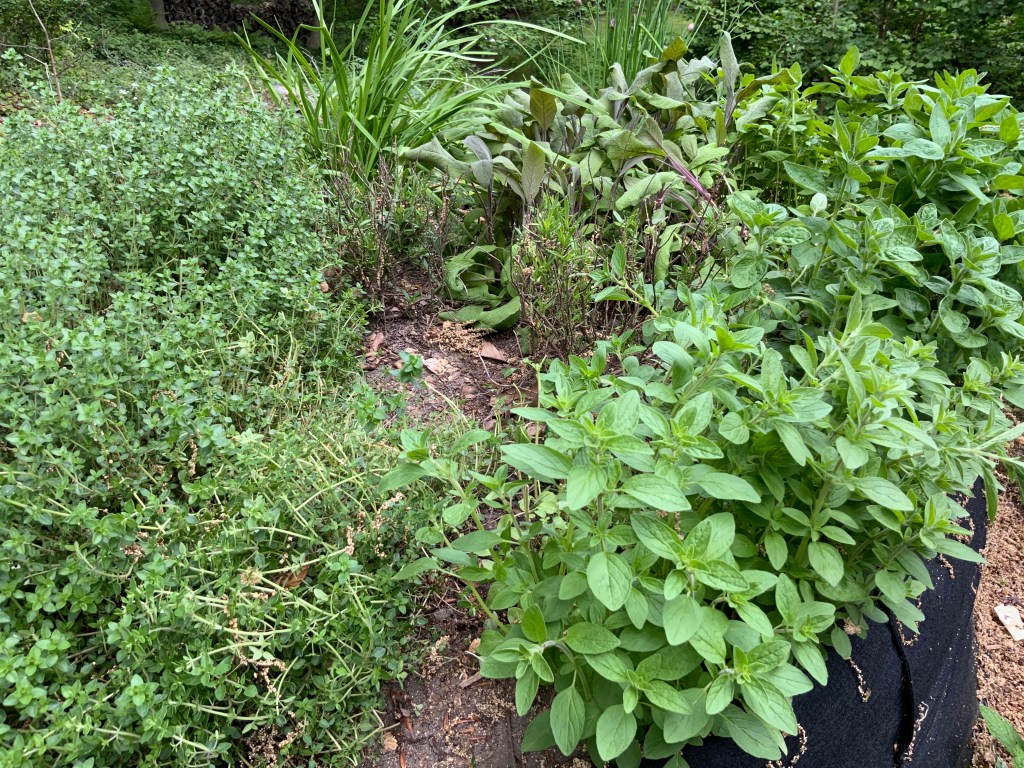
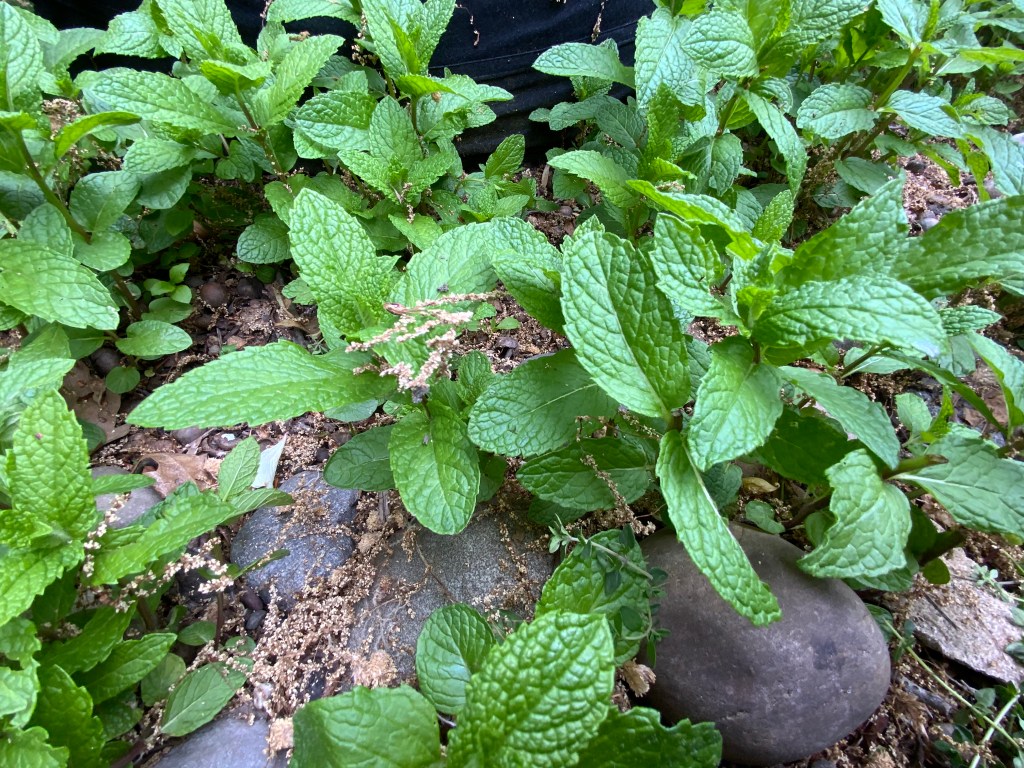
It does not get full sun and our soil does not drain very well, but look at what we have harvested from it!
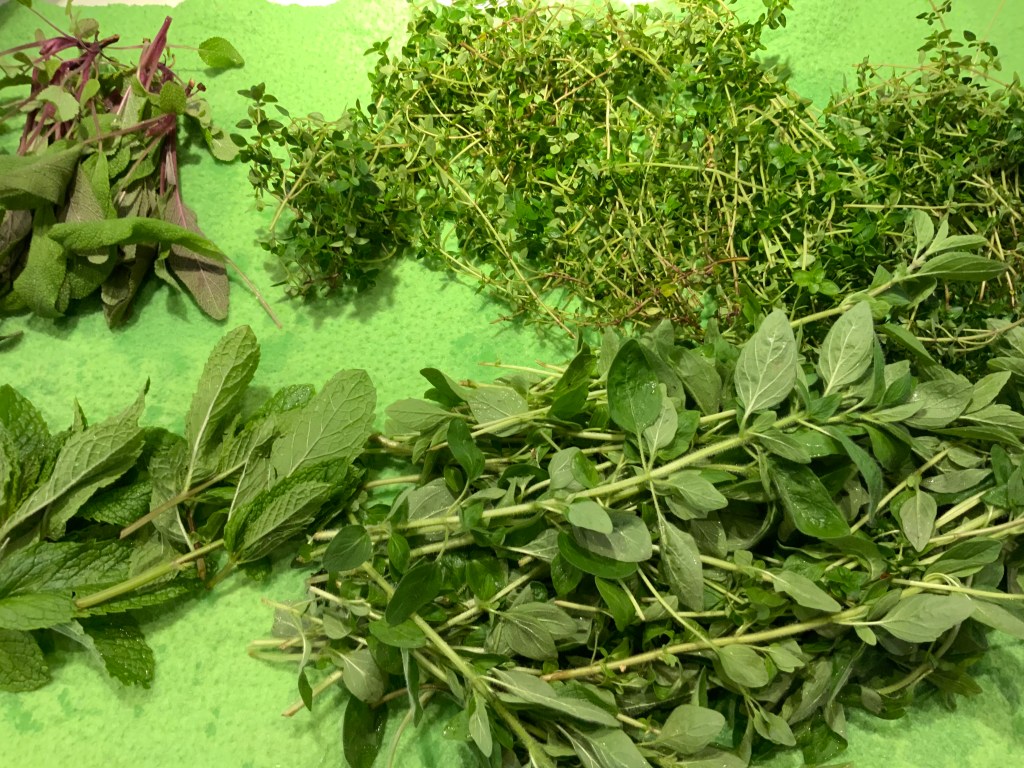
(We have containers for most of our plants here to take care of the problem of bad soil. The soil has been loosened where the mint is in the ground.)
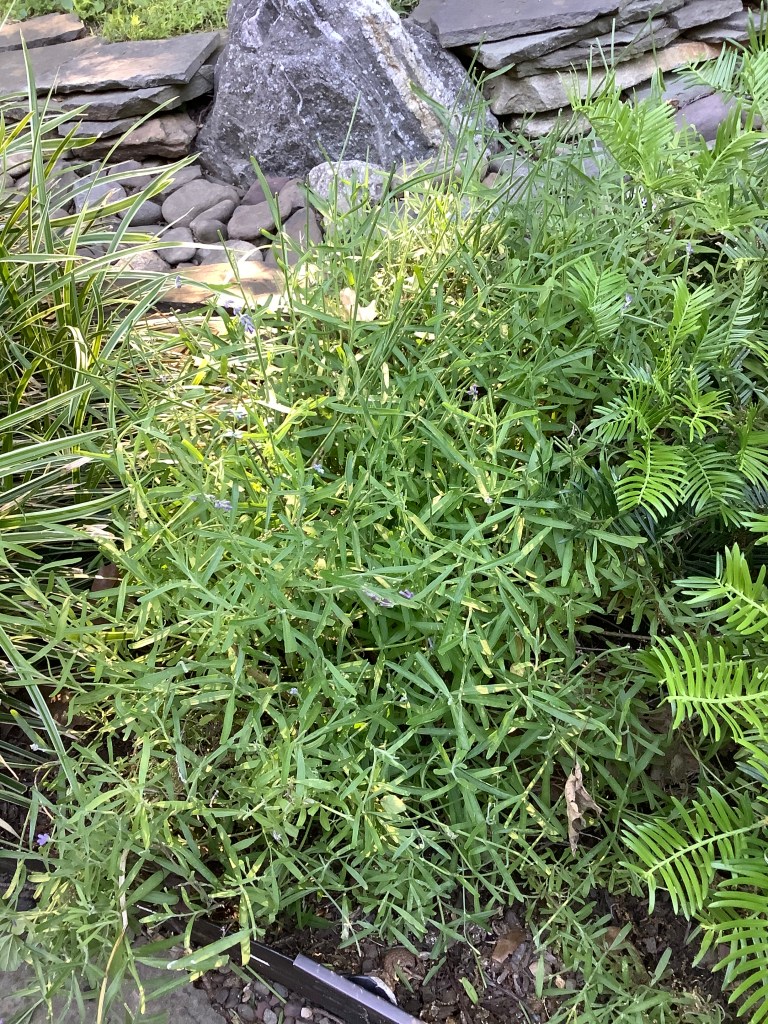
As you can see, we even have some lavender plants near this area. On the web, you will see that lavender likes full sun and well drained soil. Lavender plants will do better in full sun and well draining soil, but these plants have neither, and they are still doing fine.

In our mostly greens garden, we made a chicken wire and zip tie cage to protect the plants from animals that will eat them, and tilled the soil to help the plants grow. This space does not get full sun, but it still gave us a good harvest. In the summer heat, lettuce will bolt (when a plant starts to flower and their leaves taste bad) pretty quickly, so in this scenario, the shade might help. There is mostly bok choy (a plant with edible leaves) right now, because we harvested and pulled out the other plants, (they were bolting) and started seeds in the bare spaces.

These places in the garden that I showed you today are not the best spots for gardening, but we still have managed to get a bountiful harvest from them. Here are some of the things we will/have done to maximize our harvests. Firstly, we water our plants everyday, because in the summer/late spring heat, the soil will dry up very quickly. Also, every week or two we will fertilize our plants. This is especially important if you are growing your plants in containers or poor soil. Another thing you can do to get good harvests from your plants is to spray your plants with neem oil. Neem oil is an oil that keeps away or kills many plant bugs.

Keep in mind that many of these plants will do better in full sun and well drained soil if you can plant them in those conditions, but if you don’t have lots of sun or good soil, do not let that keep you from growing a garden! Bye now!
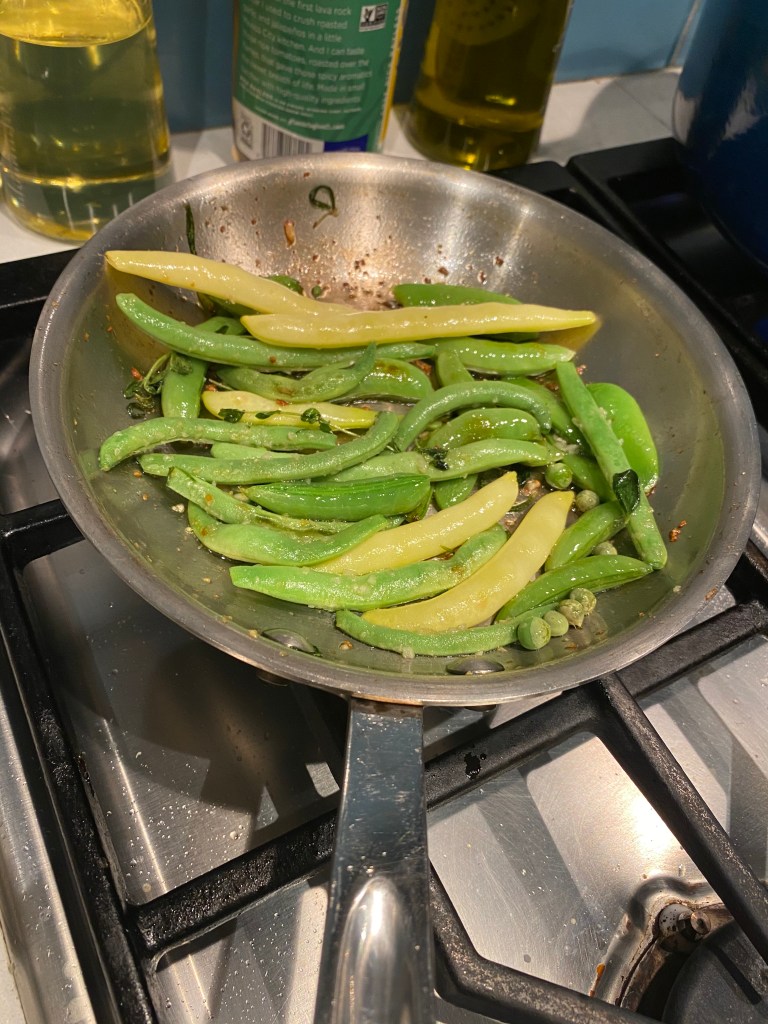
Home grown beans! (Grown in a partially shaded area!)

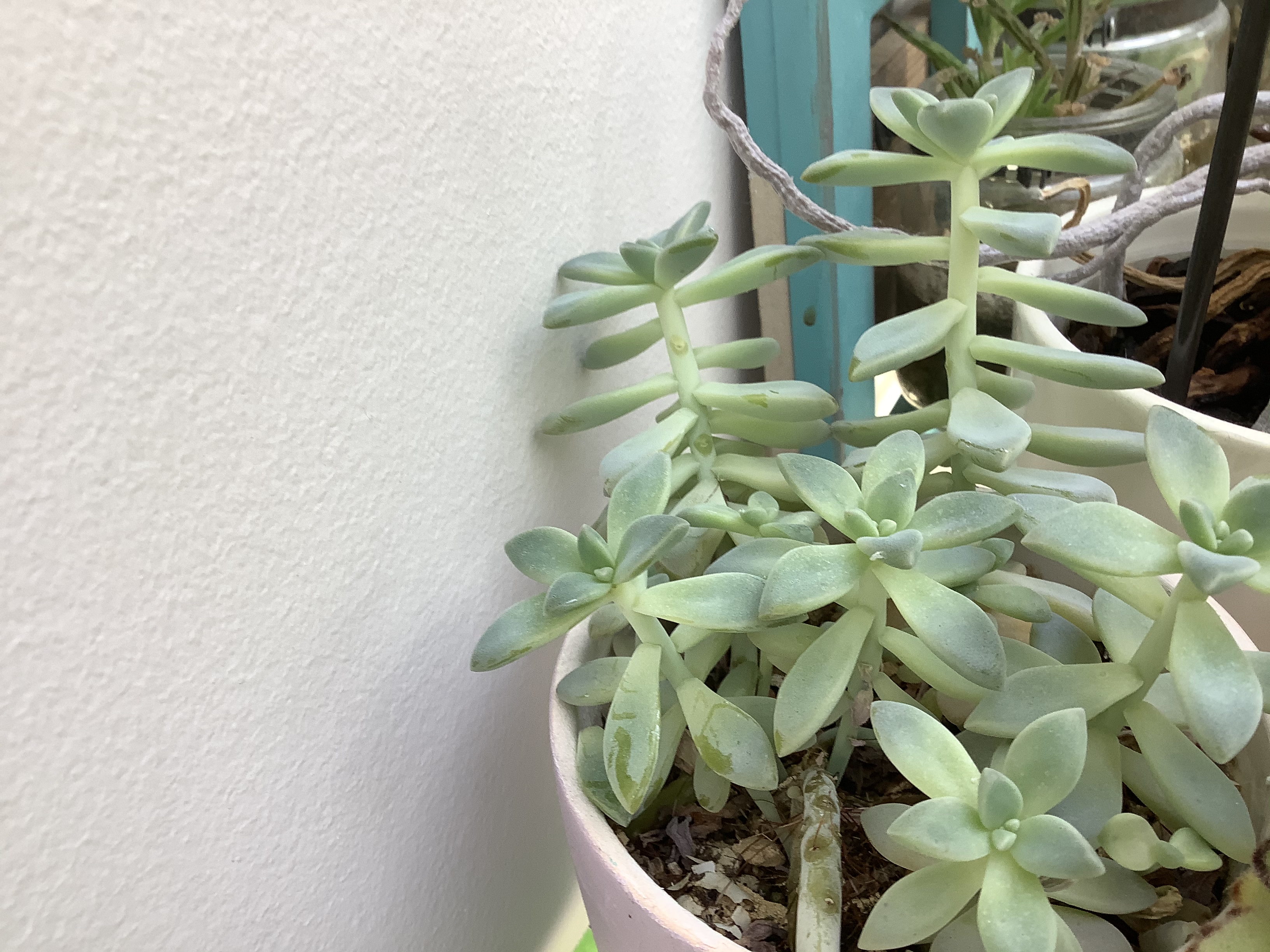
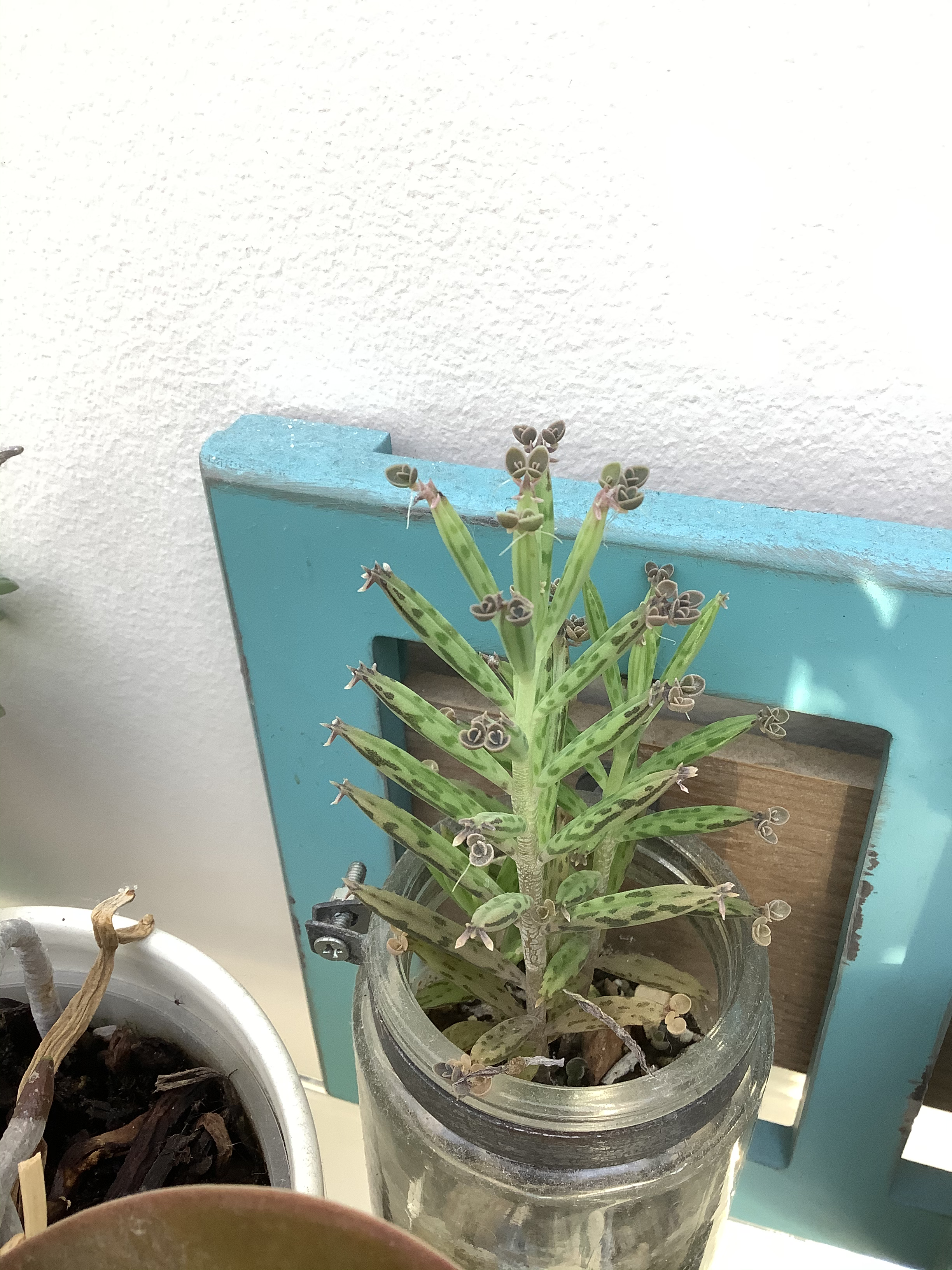
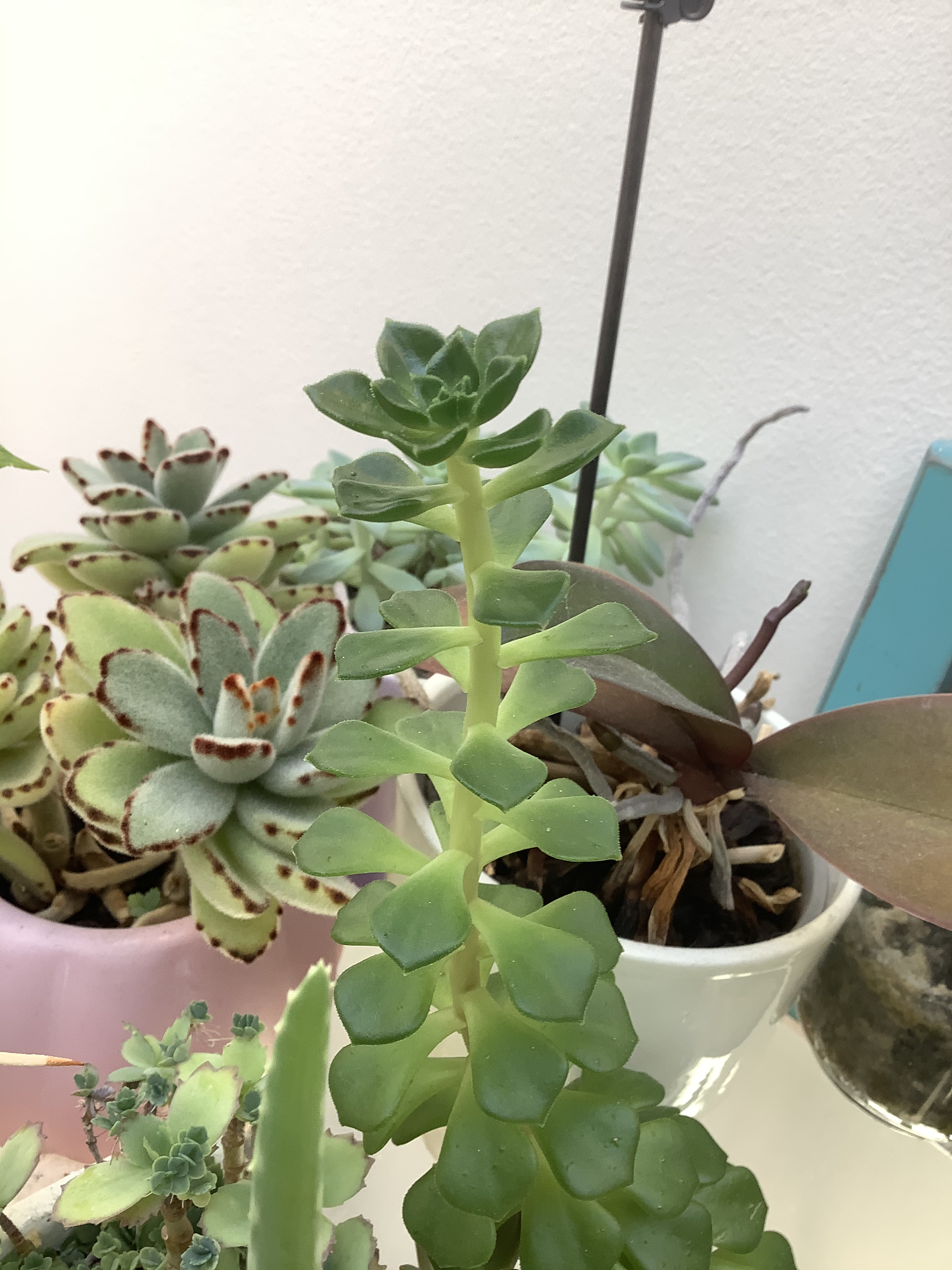
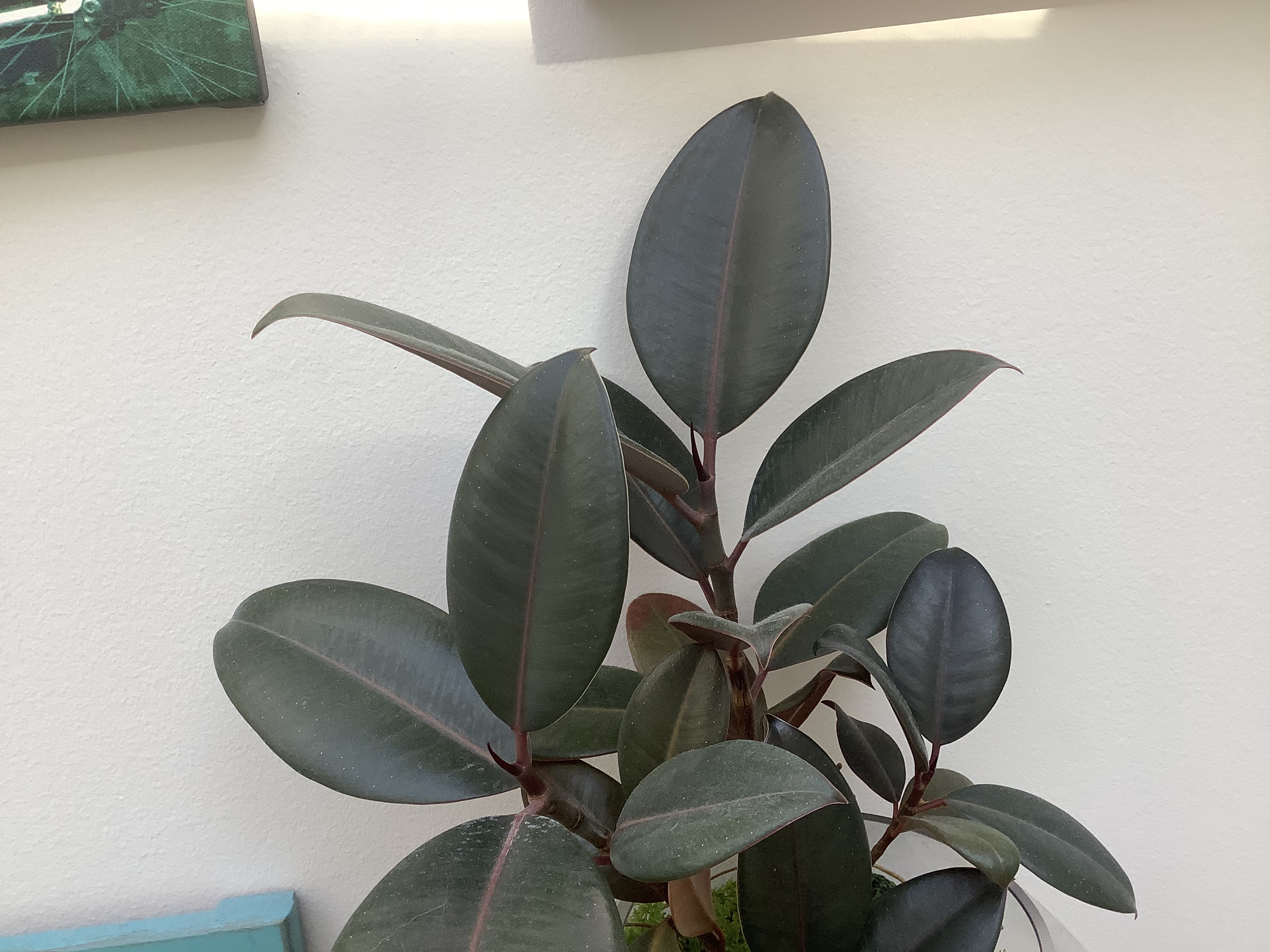
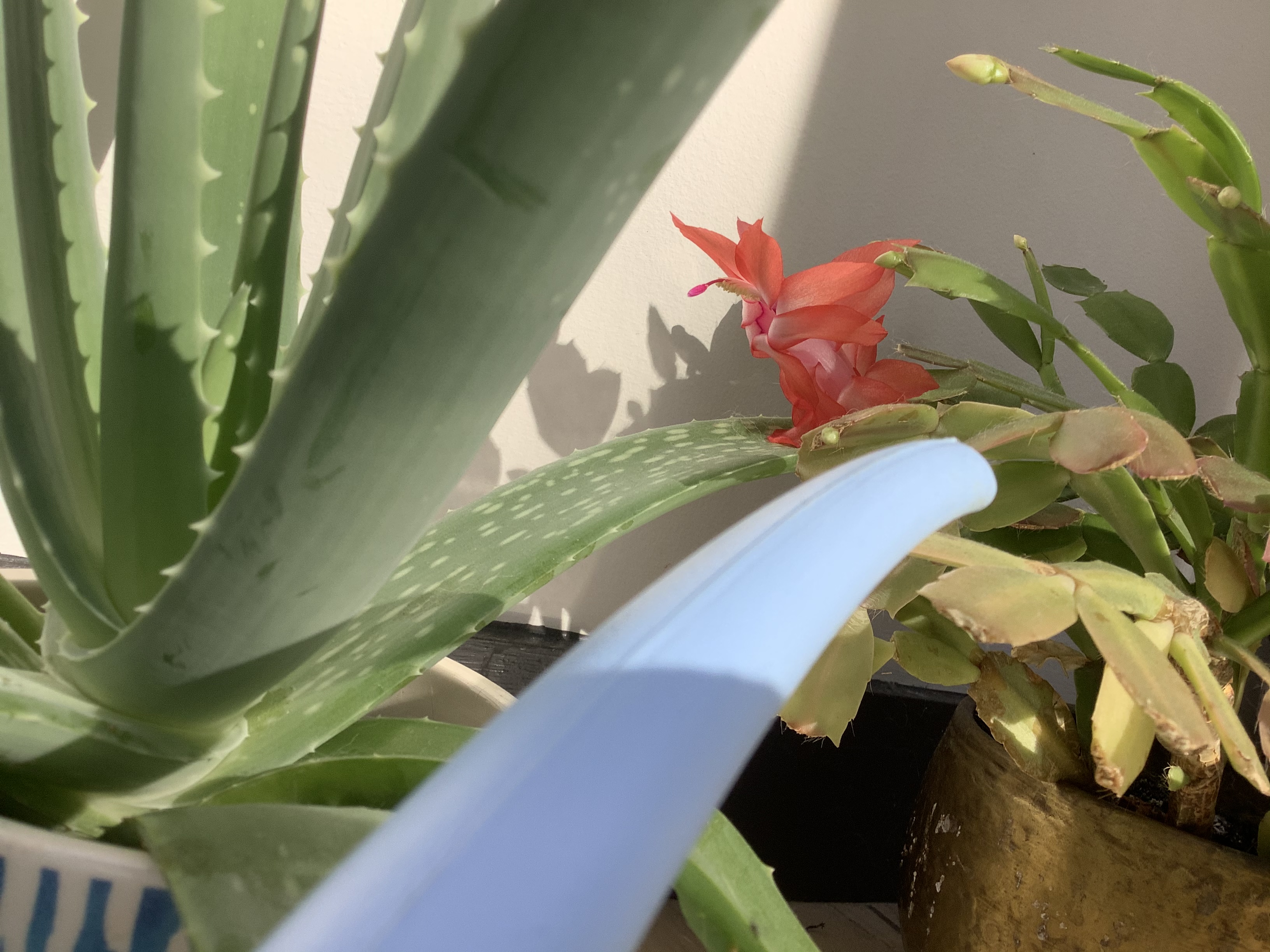
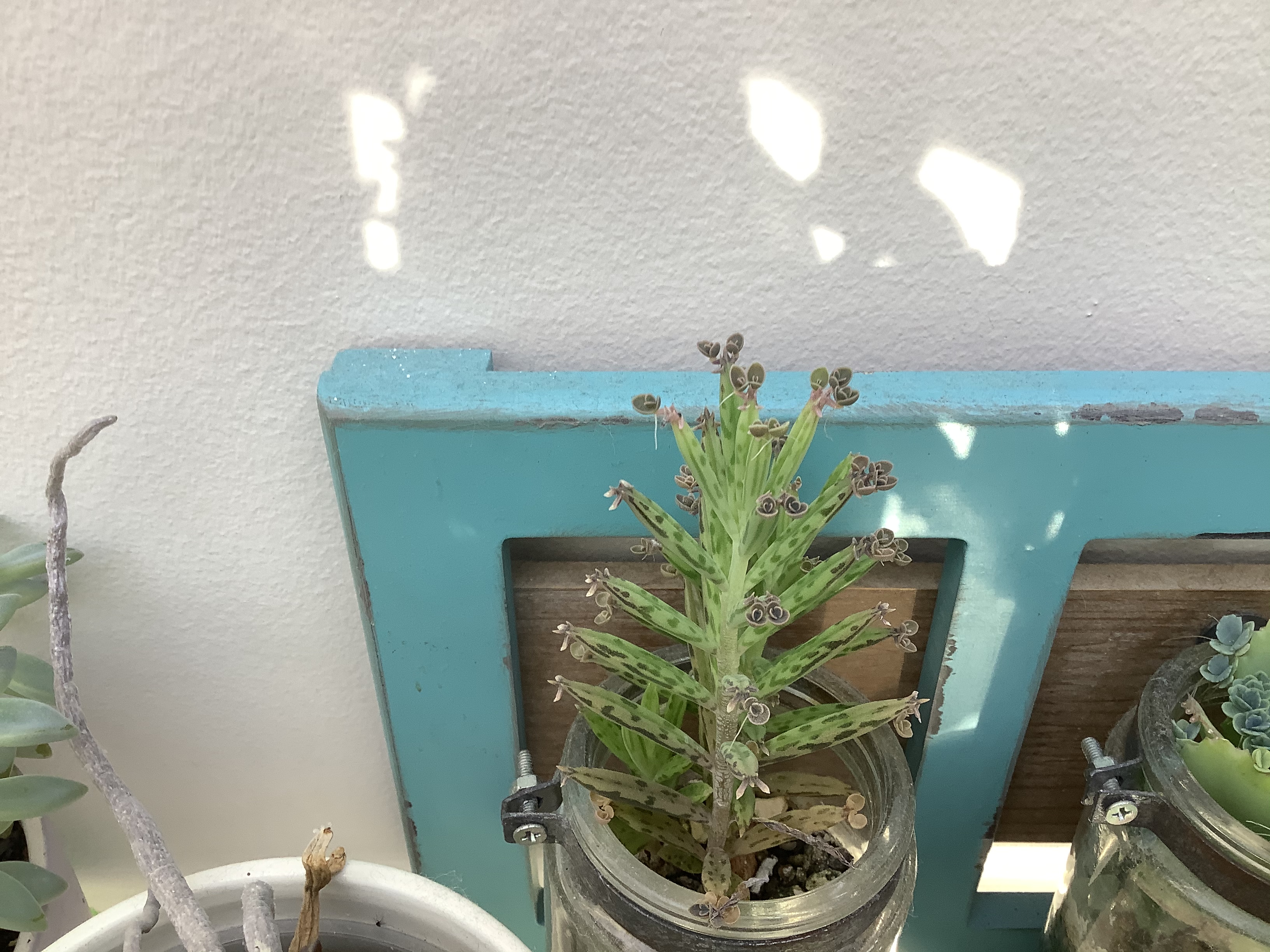
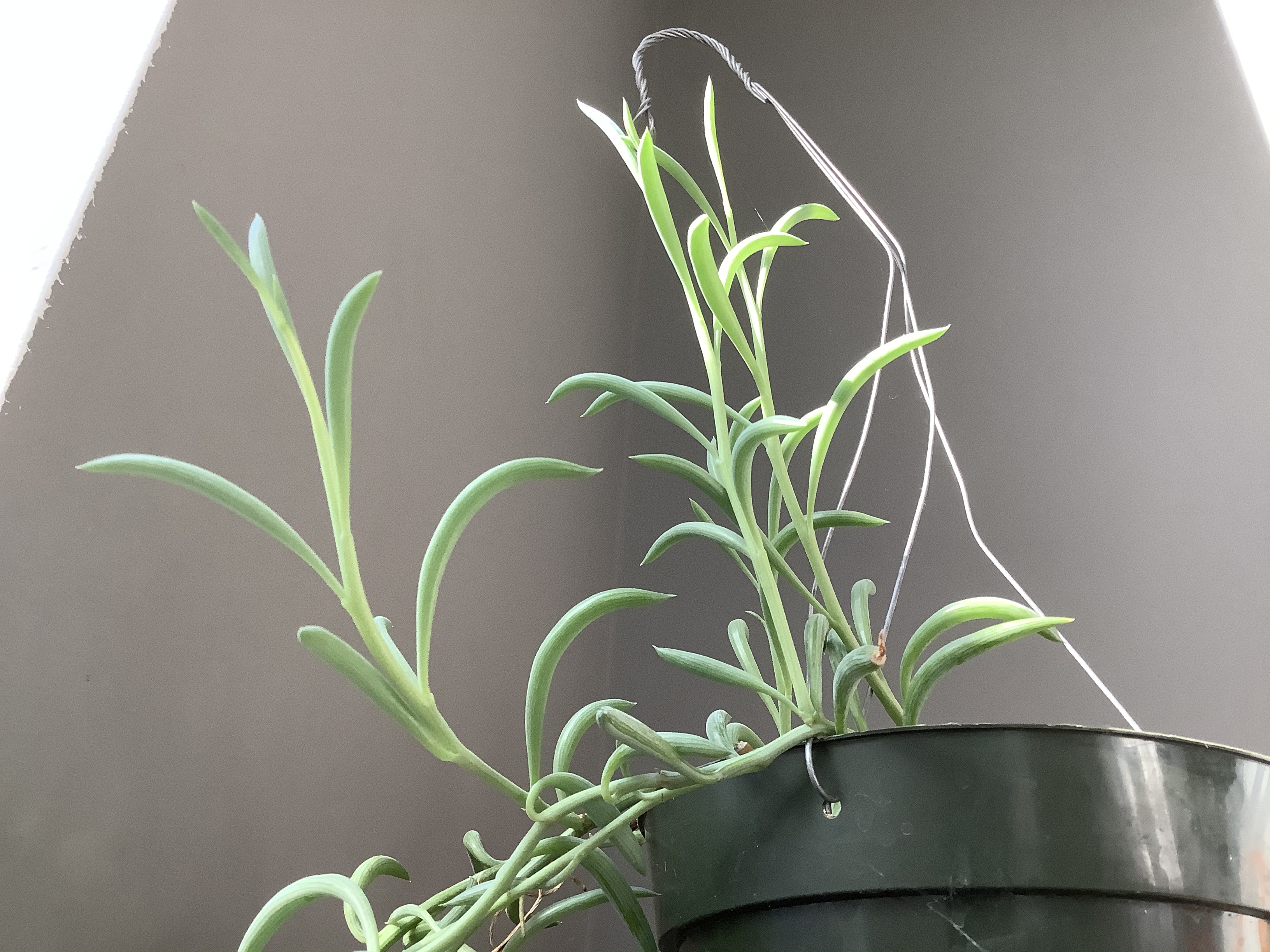
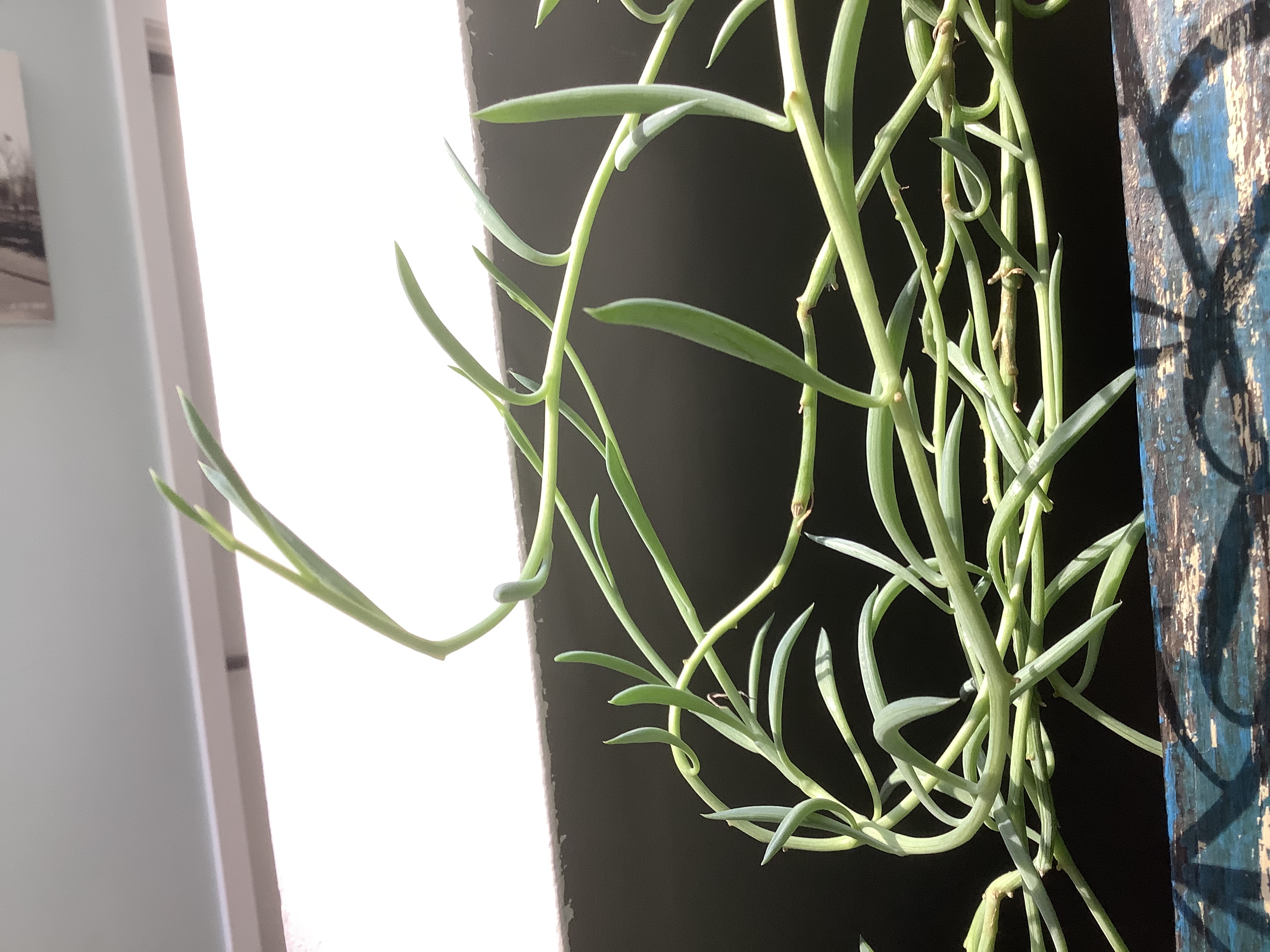
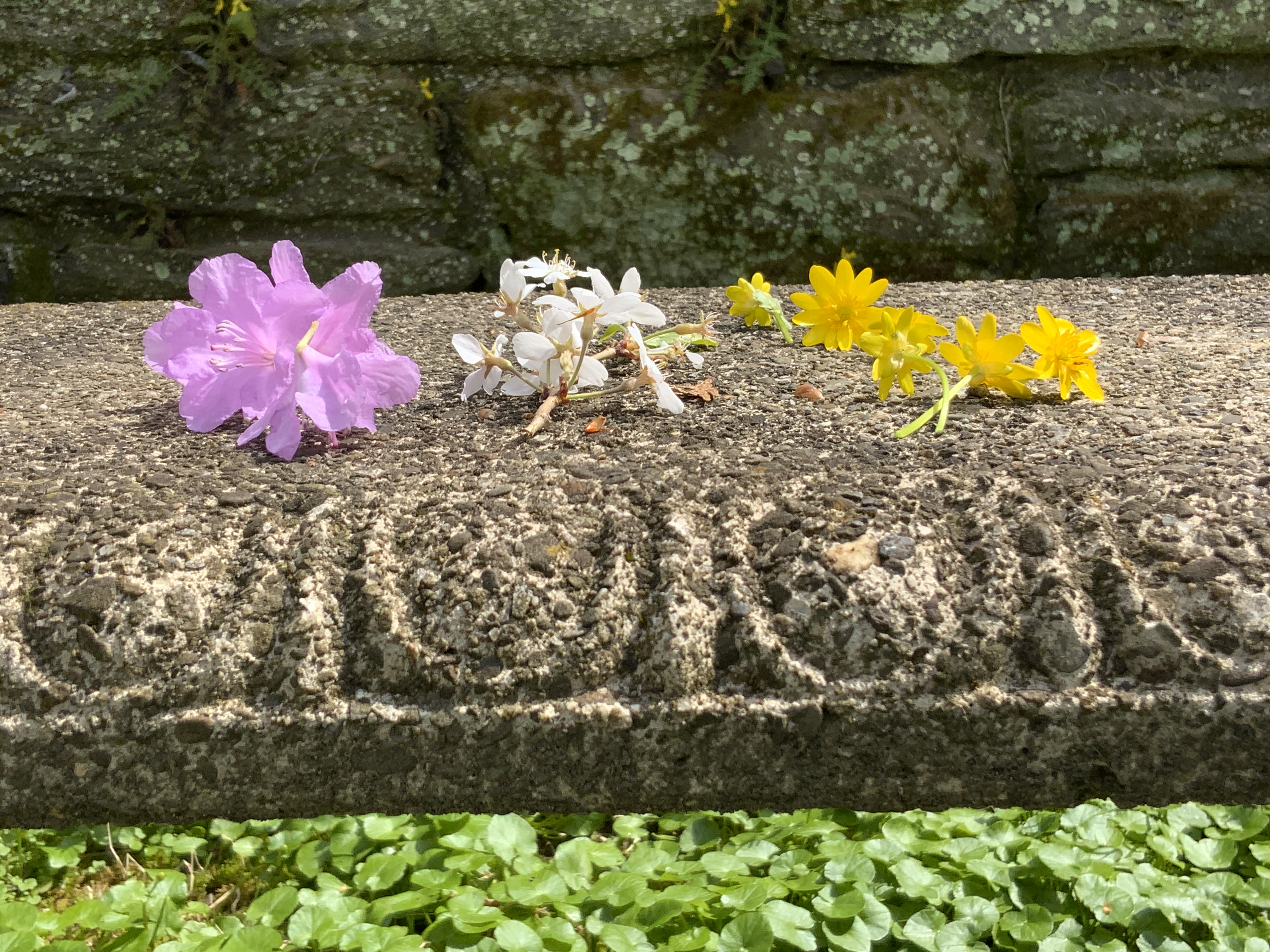
Plant gallery!

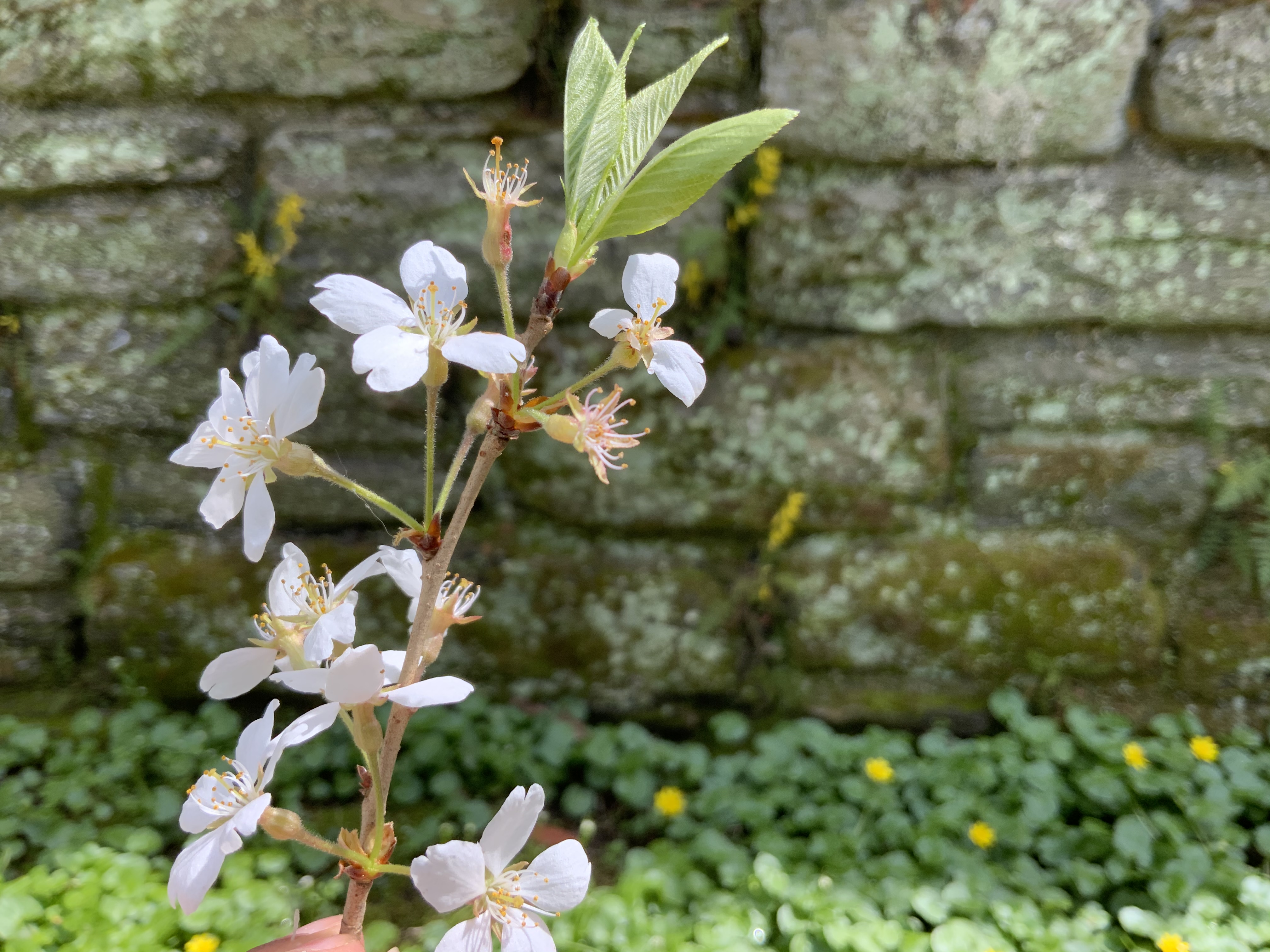
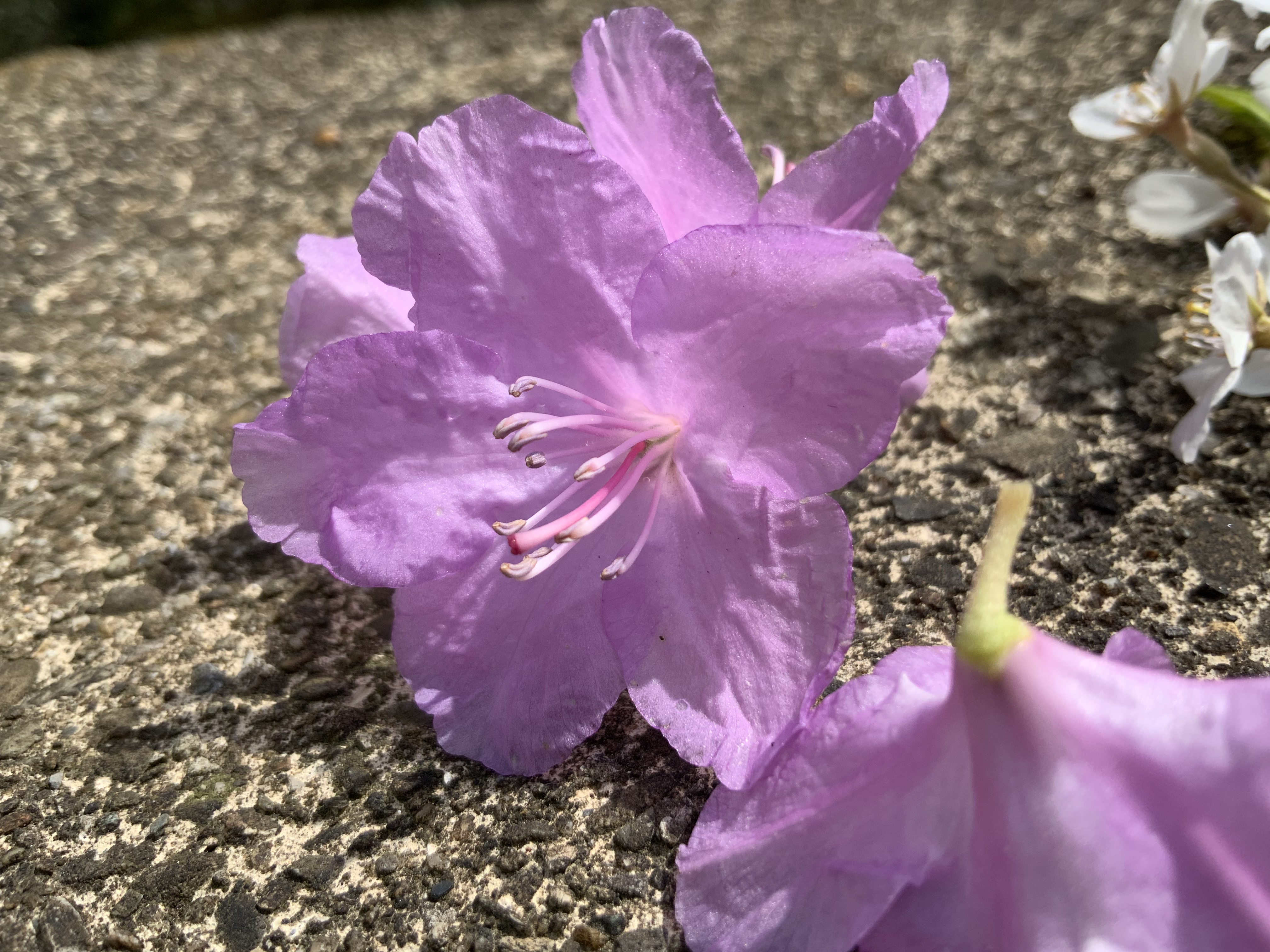
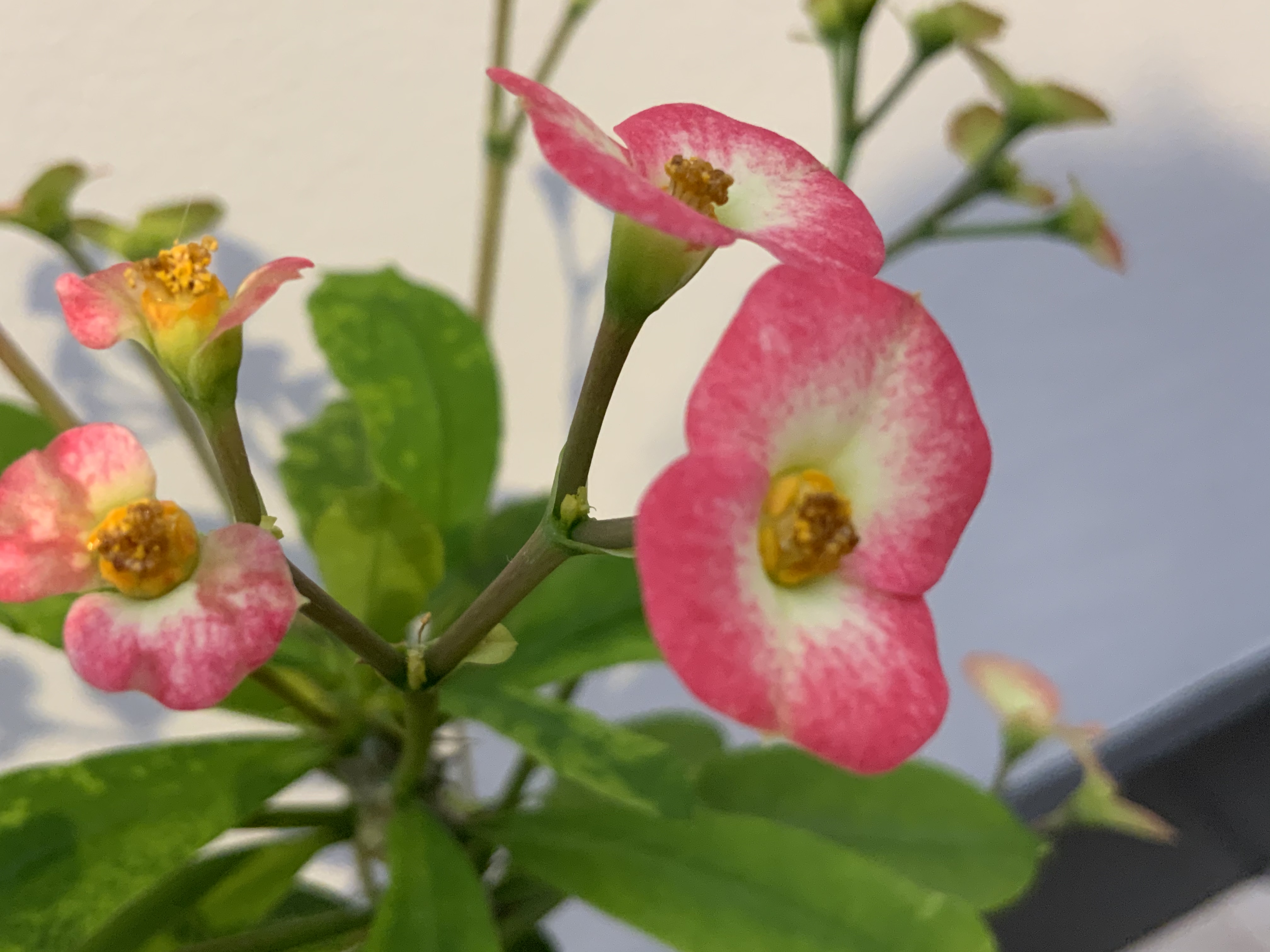
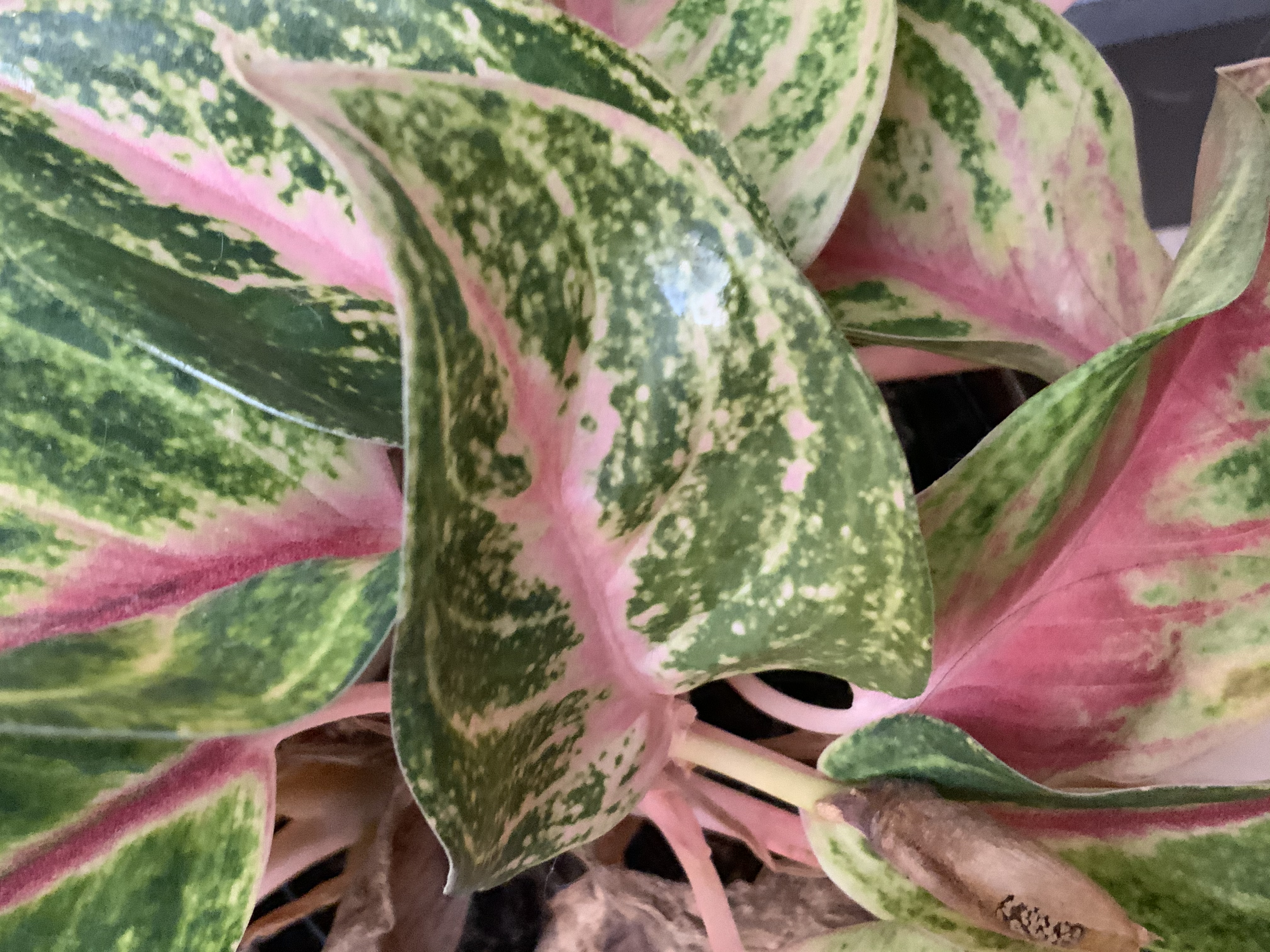
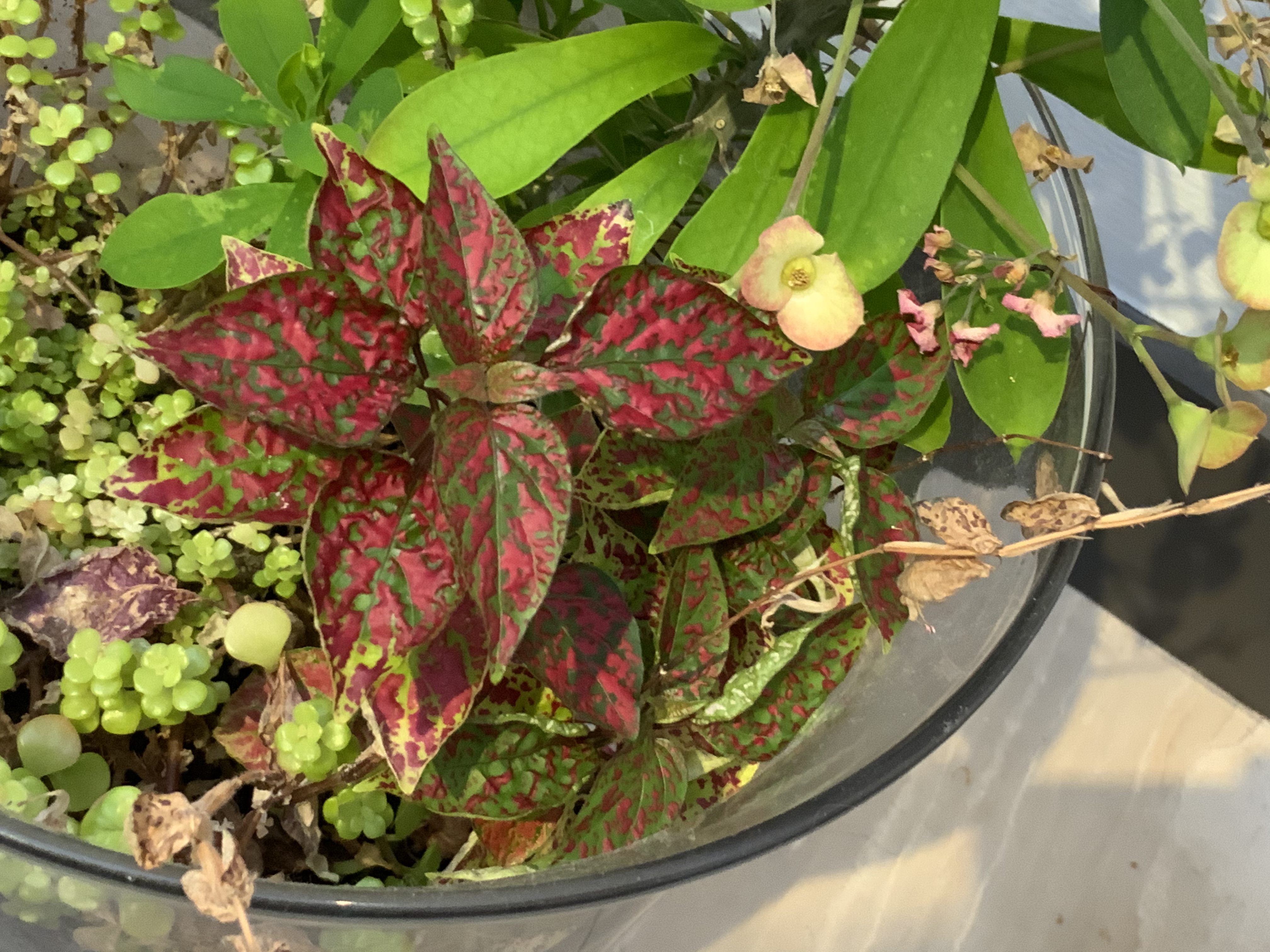
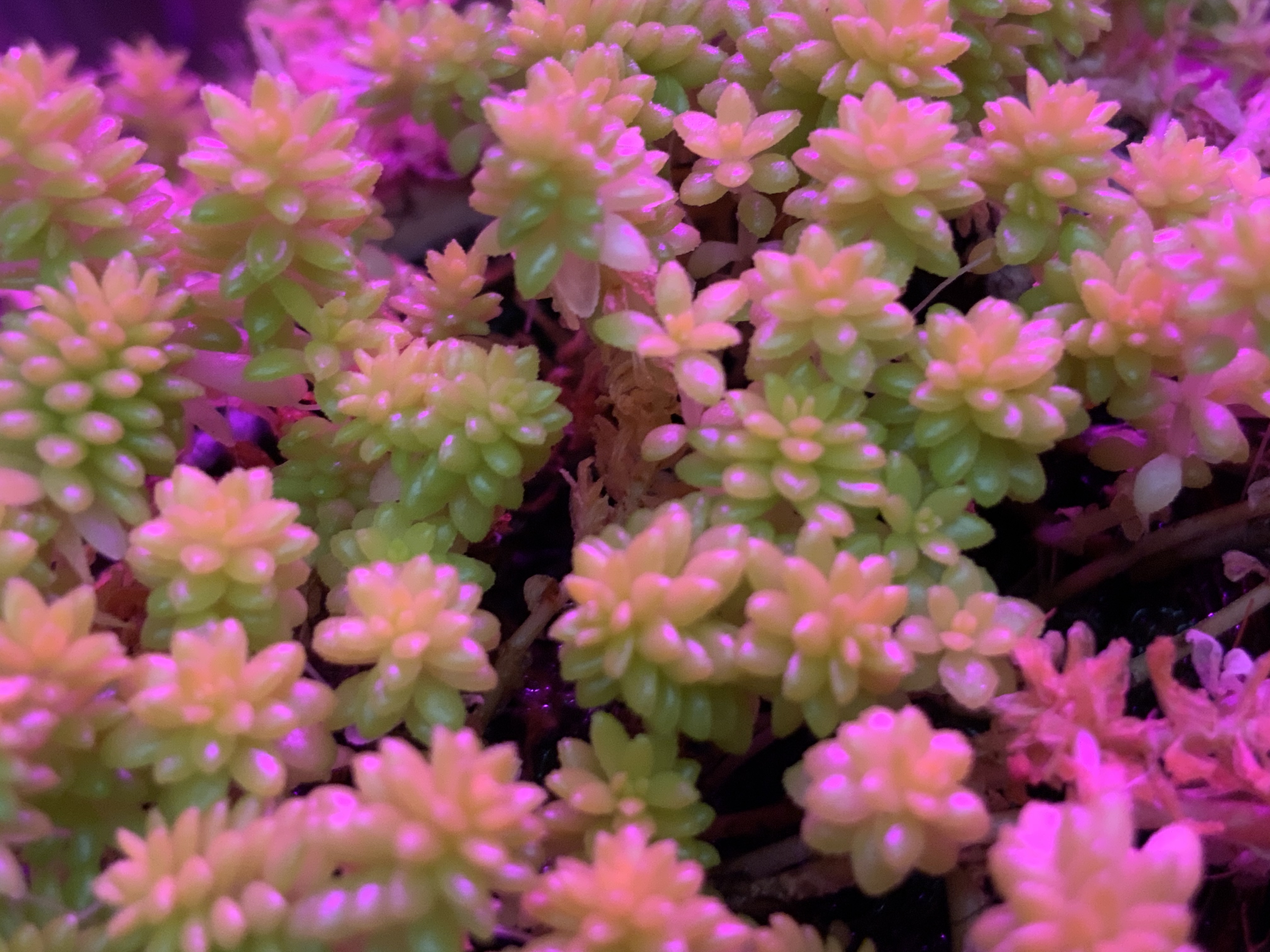
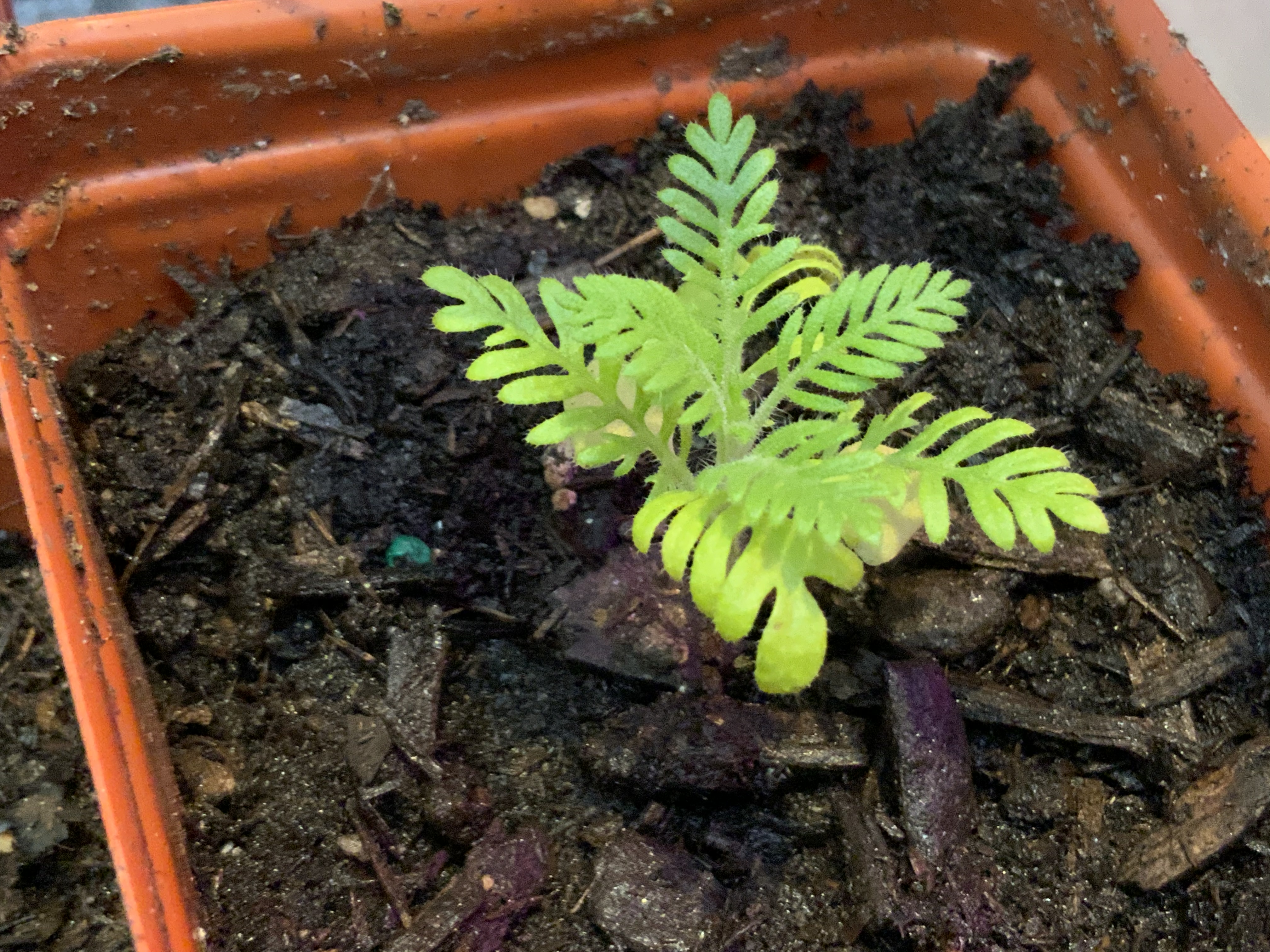
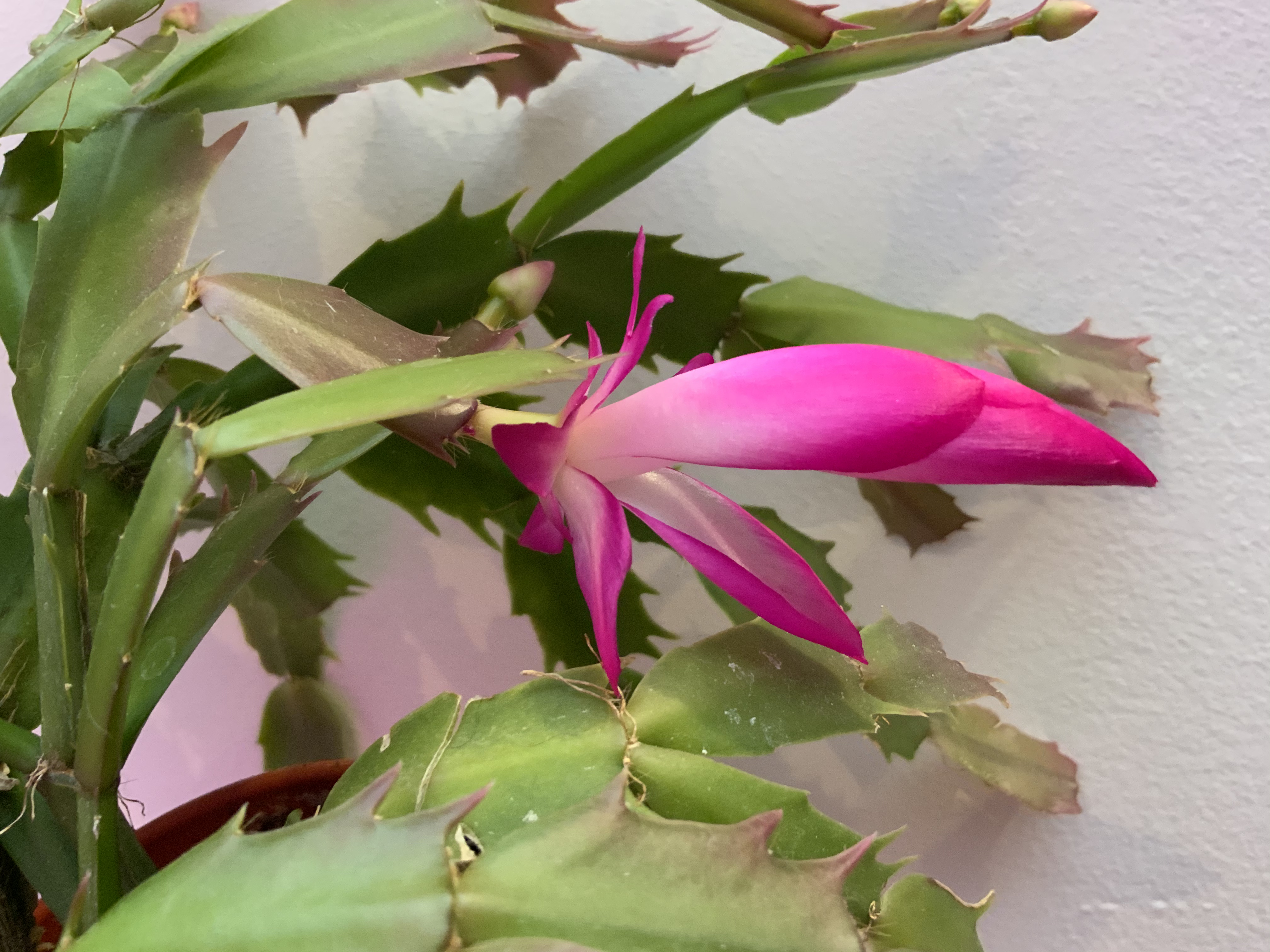
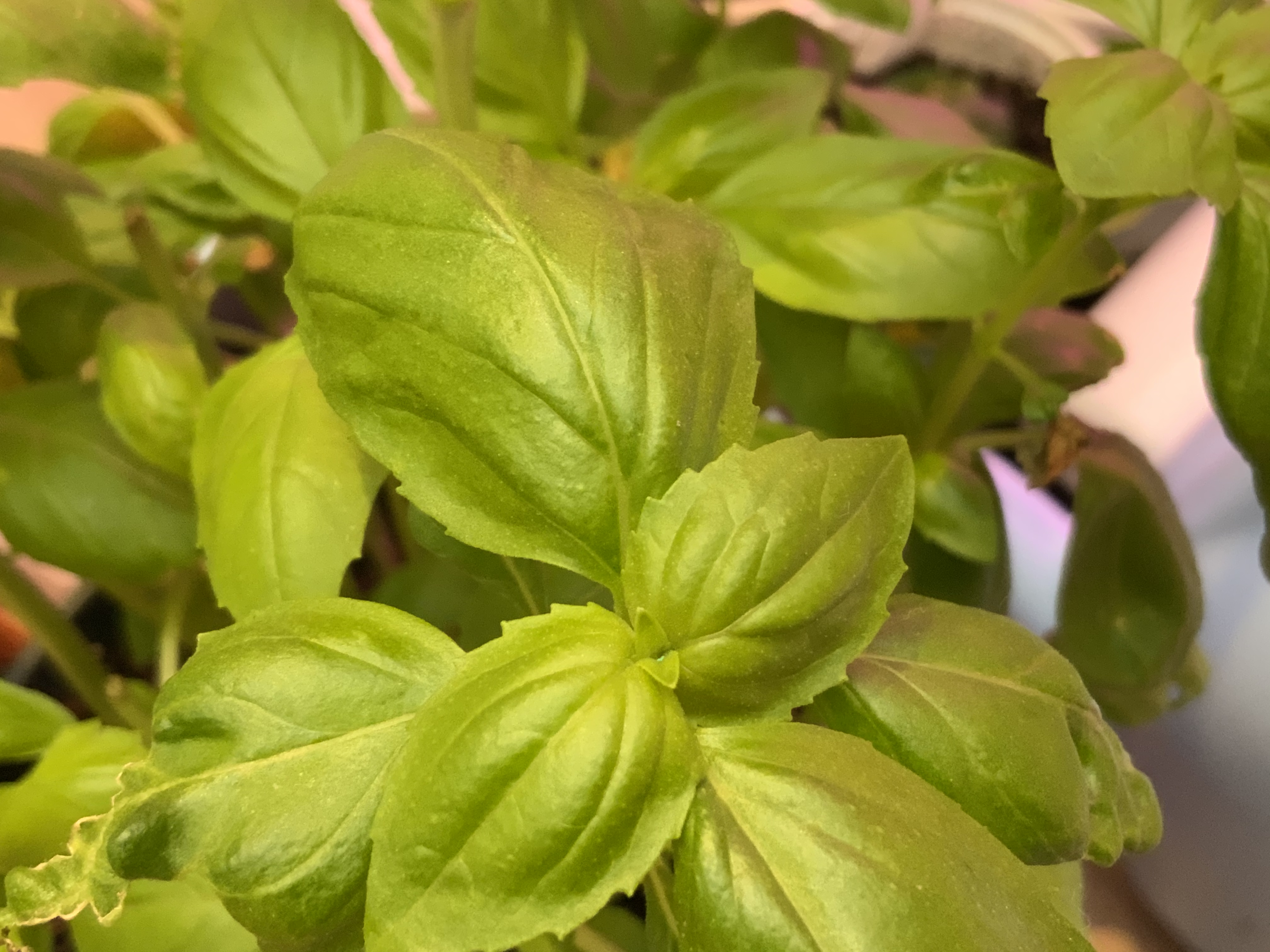
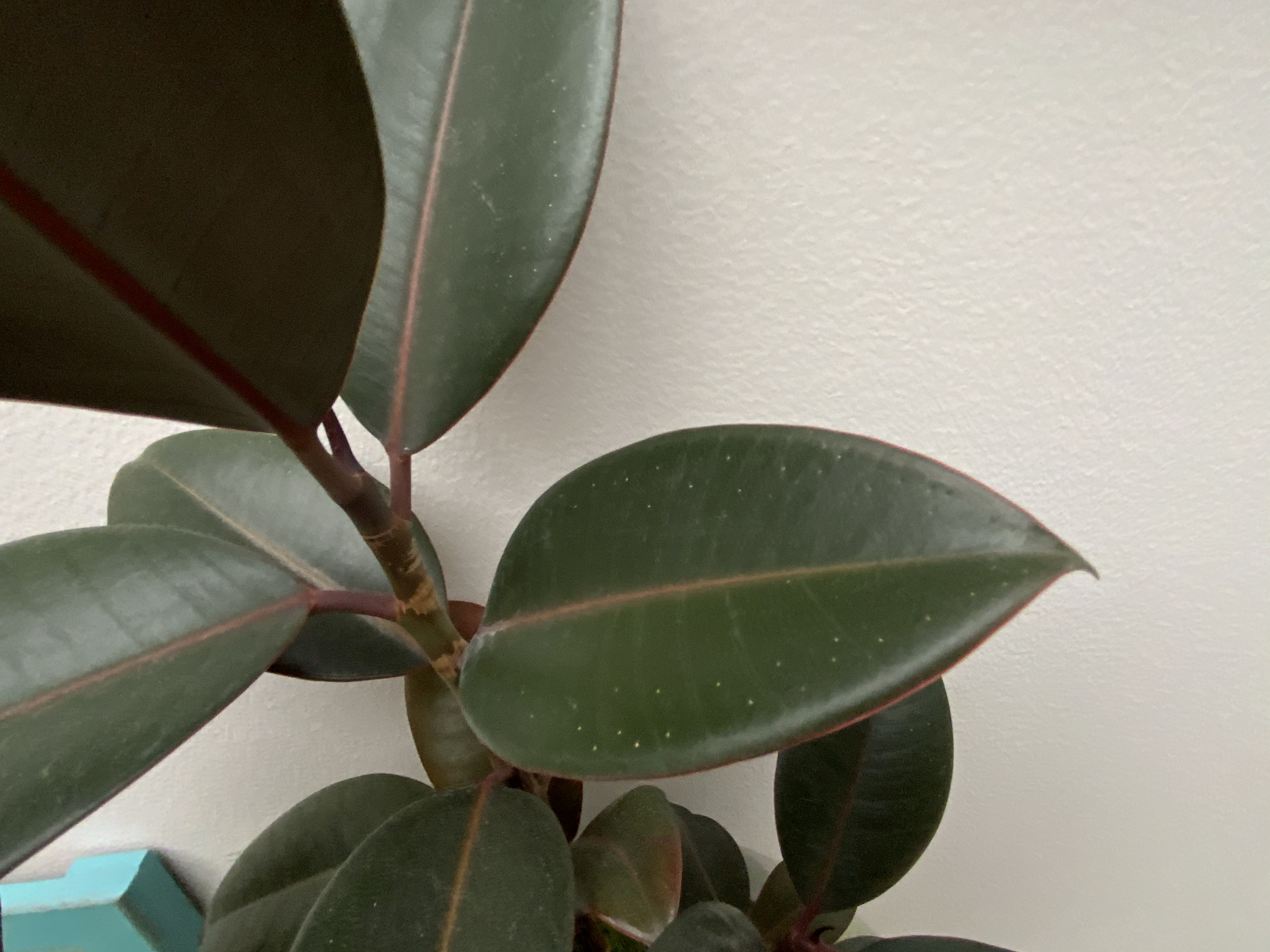
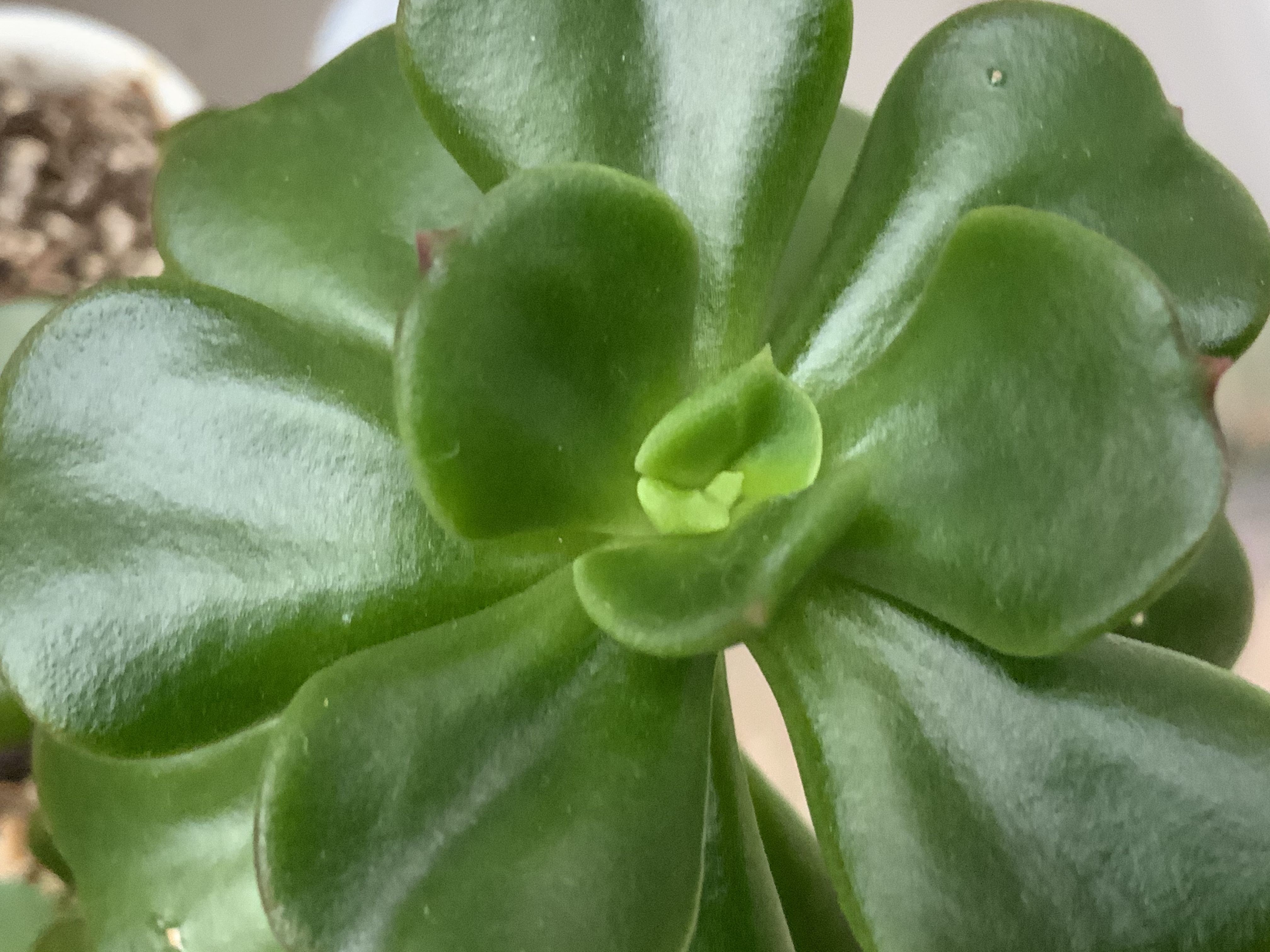
Hi guys! Because it has been a while since my last blog post, I am going to start back up with a post that is just some pictures of my plants. Let’s go!

Succulent care guide. Succulent series #3

This post Is going to be part of a series about how you can care for your succulents. Today, we are going to go over basic succulent care like watering, pot size, soil, and sunlight. We are only going to scratch the surface of how to provide the right conditions for your succulent plant so there will be more in depth posts about this at another time. Now, lets get started!

First we are going to talk about watering. Watering is a finicky thing when it comes to succulents and it is the reason why many succulents die either from under or over watering. The problem though is that different succulents have different watering needs. We water out succulents about once a week. It is very useful/important to have a watering schedule for your plants and or succulents so that you don’t miss or over water your plants. Our suggestion for watering succulents if you don’t know how much they need is to water them once a week. If their bottom leaves are falling off and they are getting longer or they are getting stretched out, then they need more water. If their bottom leaves are getting bloated, pale and then falling off, then you are giving them too much water. I hope that was helpful!

Now we can talk about sunlight. If your plant does not have enough sunlight, it will not grow much, and you might get signs of incorrect watering. Just like watering though, different succulents need more or less water. The best way to find out how much sunlight your succulents need is to just put them in the sunniest spot in your house and see how they do. You can also search up what type of succulent you have see how much sun it needs there. Also, if you are buying them from a nursery you can see if it is on its tag or ask the people working there.

Now let’s talk soil and pot size. For soil, you can either get a succulent soil mix or make some succulent soil from normal potting soil. As long as the soil that you are using for your succulents drains well and doesn’t retain too much water, you can use it. For pot size, succulents are VERY flexible. You can put them in just a cup, and they will flourish as long as they are being cared for properly. If you are just beginning to grow succulents, we recommend that you chose a pot with drainage holes. This is because if you have a pot with a closed bottom, if you over water it, it is much harder to fix the problem. Where if you have drainage holes, most of it will drain out the bottom. In the end though, it is up to you. Check out this post here: https://tigershakti.wordpress.com/2020/11/06/succulent-garden-tour/ it has pictures of our succulents and their pots if you still don’t know how big your succulent post should be.

Well, that is it for today’s post! I hope you enjoyed it and use it! If you want to decorate your pots with some cats, flowers or other cute drawings, PLEASE PLEASE check our Etsy shop out here: https://www.etsy.com/shop/SolisandLunaCrafts and we would REALLY appreciate it if you can help us spread the word about our hand made stickers and clay pins. Thanks! Don’t forget to check out our other 38 posts! Bye!

Indoor gardening!

when the cold wind blows and the frost comes, you can still grow tasty veggies inside your own home! This series will show you how you can make yummy salads and more in dead winter. Let’s get started!

First you need to choose a veggie to grow. If you are just starting , it is best to start with lettuce. Lettuce is super versatile and hardy. And they do not need a huge container to grow in.

Once you have your plant that you are going to grow, get your container. If you are growing lettuce or leafy greens. You do not need a super big container, as even a large plastic party cup will do. If you still need to get a container, you can start your lettuce seeds in a egg carton or a empty toilet paper roll. I will soon do a pot on how to use those to start seeds.

To plant your seeds, gently sprinkle your lettuce seeds over the surface of the soil, and then very lightly mix them in with the top layer of soil. Keep in mind that lettuce seeds need light to germinate or sprout.

Once you have started you seeds, after a couple of weeks, transplant them into their main container. And start harvesting the bottom leaves of the lettuce plant. Enjoy!

I hope you liked this post! Please check out our other posts. Thanks!

How to propagate succulents! Succulent series #2

Hi guys! Today I am going to show you how you can multiply the number of succulent plants you have for free! This is also a good option if your succulents are looking old and a bit worse for wear. Let’s get started!

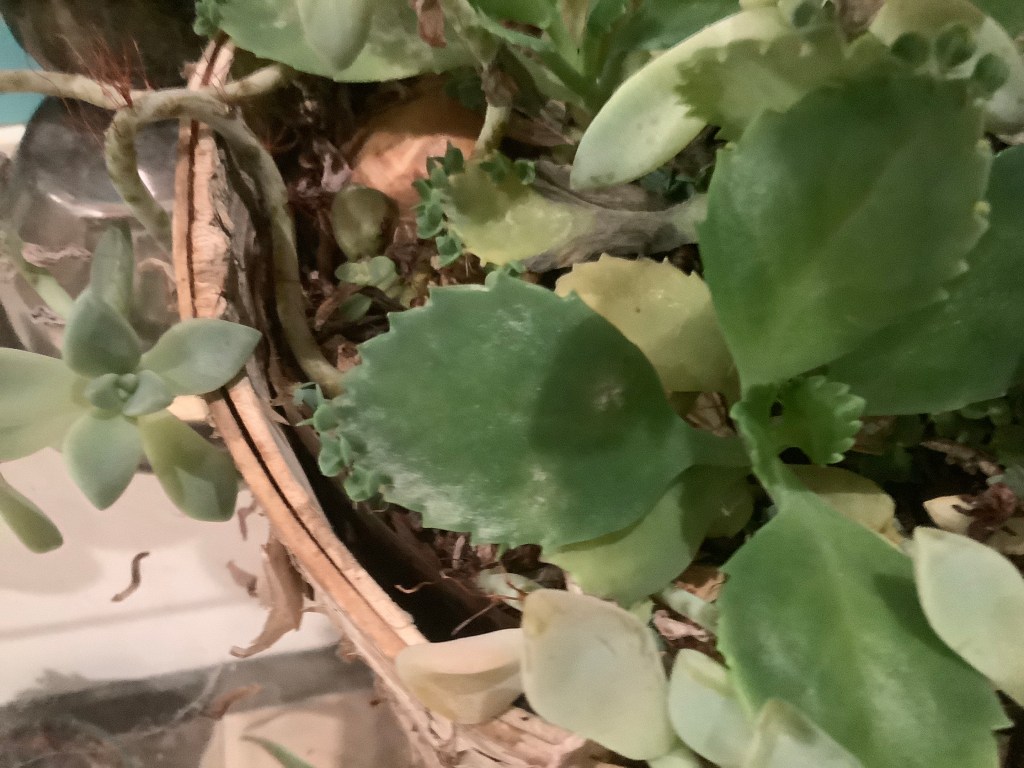
First you need to find out what type of a succulent you have. Some succulents have seeds, and some don’t and instead reproduce through fallen leaves! There are even succulents that don’t produce seeds till you take off their leaf! So here is how you can find out witch type of succulent you have.

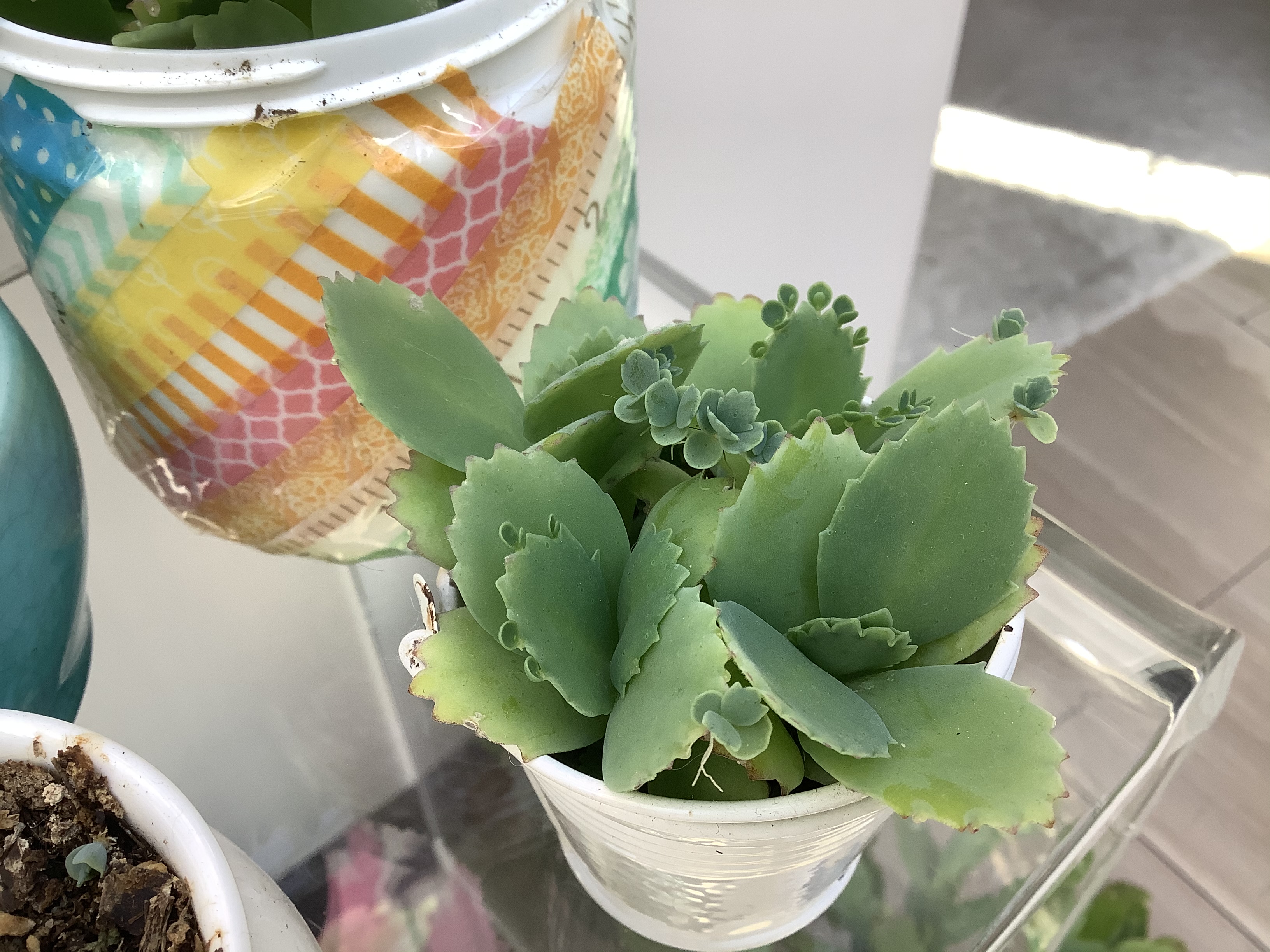
Look at your plant. If it has little seeds forming on the tips of its leaves, it is a seed propagating plant.

If it does not and it just has leaves and a stem, it is most likely a leaf propagating plant. You can also check the base of the plant and see if there are any roots where a leaf might have fallen off.

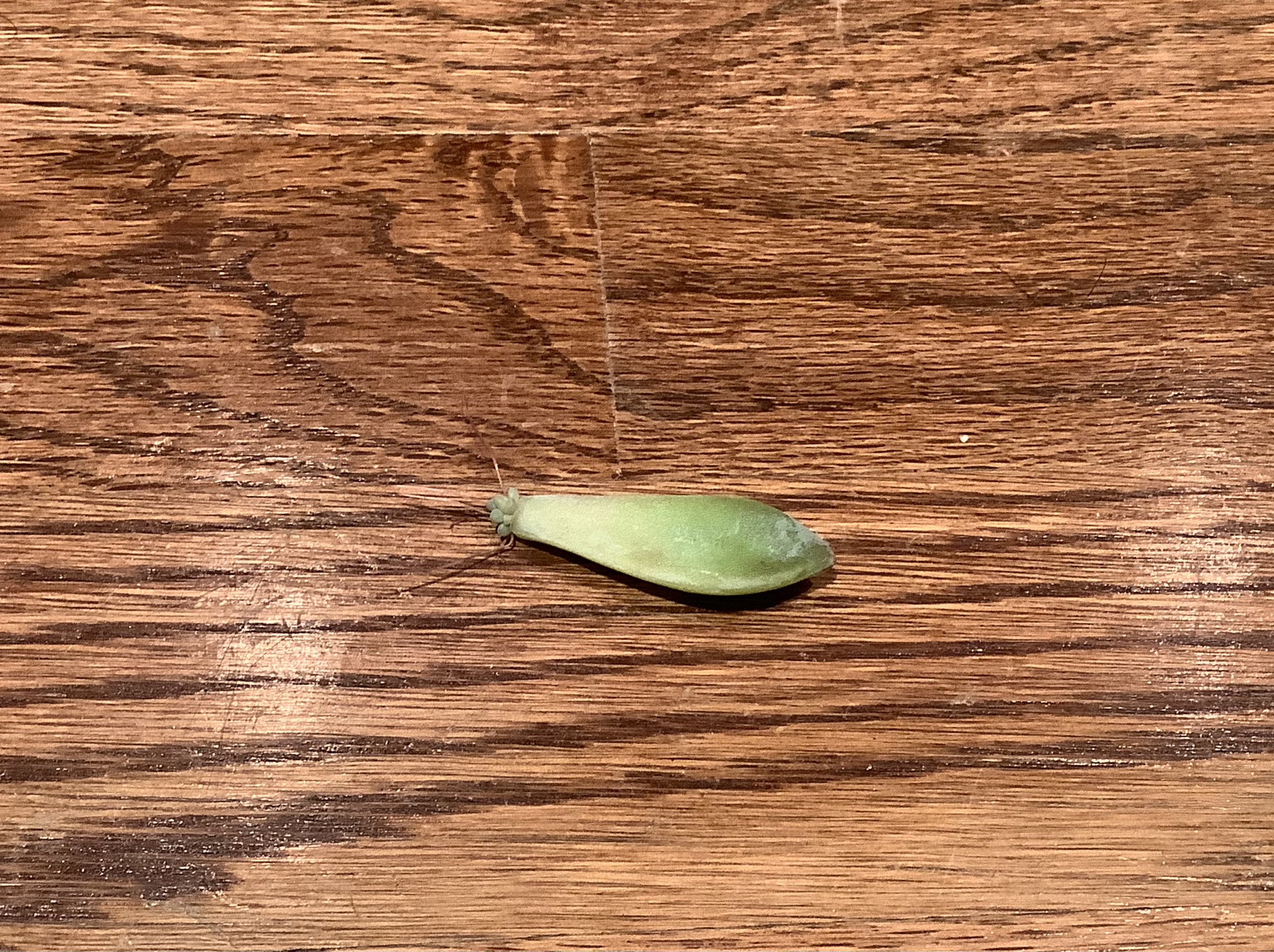
Now you actually need to propagate your plant. For a seed reproducing succulent, all you have to do is when you see little roots on the seed, take it off the mother plant and just place it on the surface of the soil. It will do the rest.

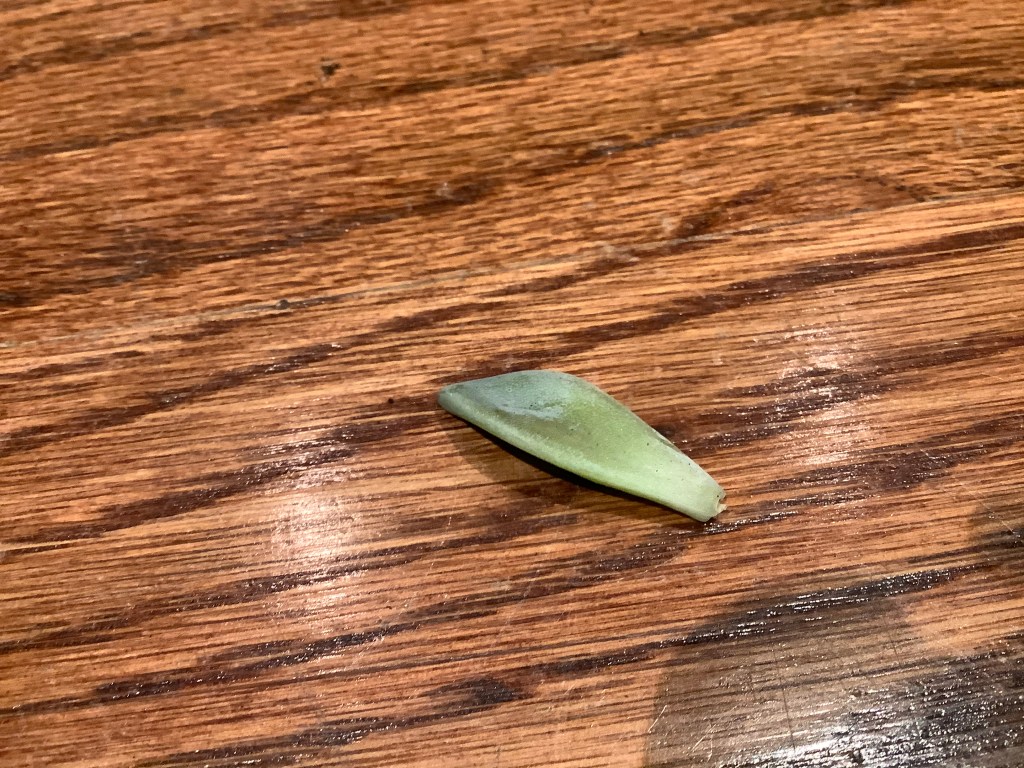
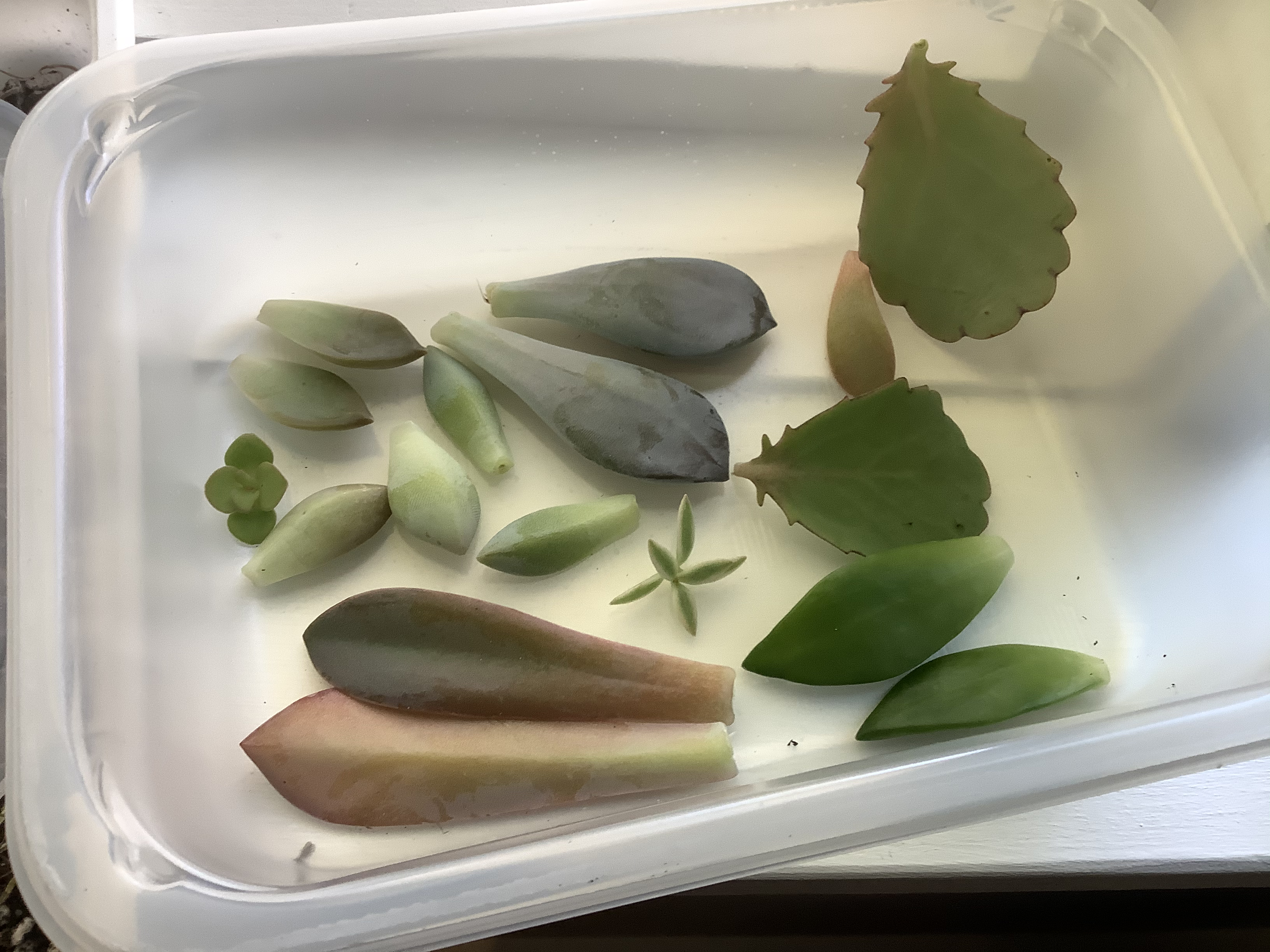
For a leaf propagating succulent, it is a bit more complicated. First you need to take off a fully grown leaf. To do this, gently secure the stem of the succulent with one hand, while the other hand just gently grabs the leaf, and takes it off. It should come off relatively easily.

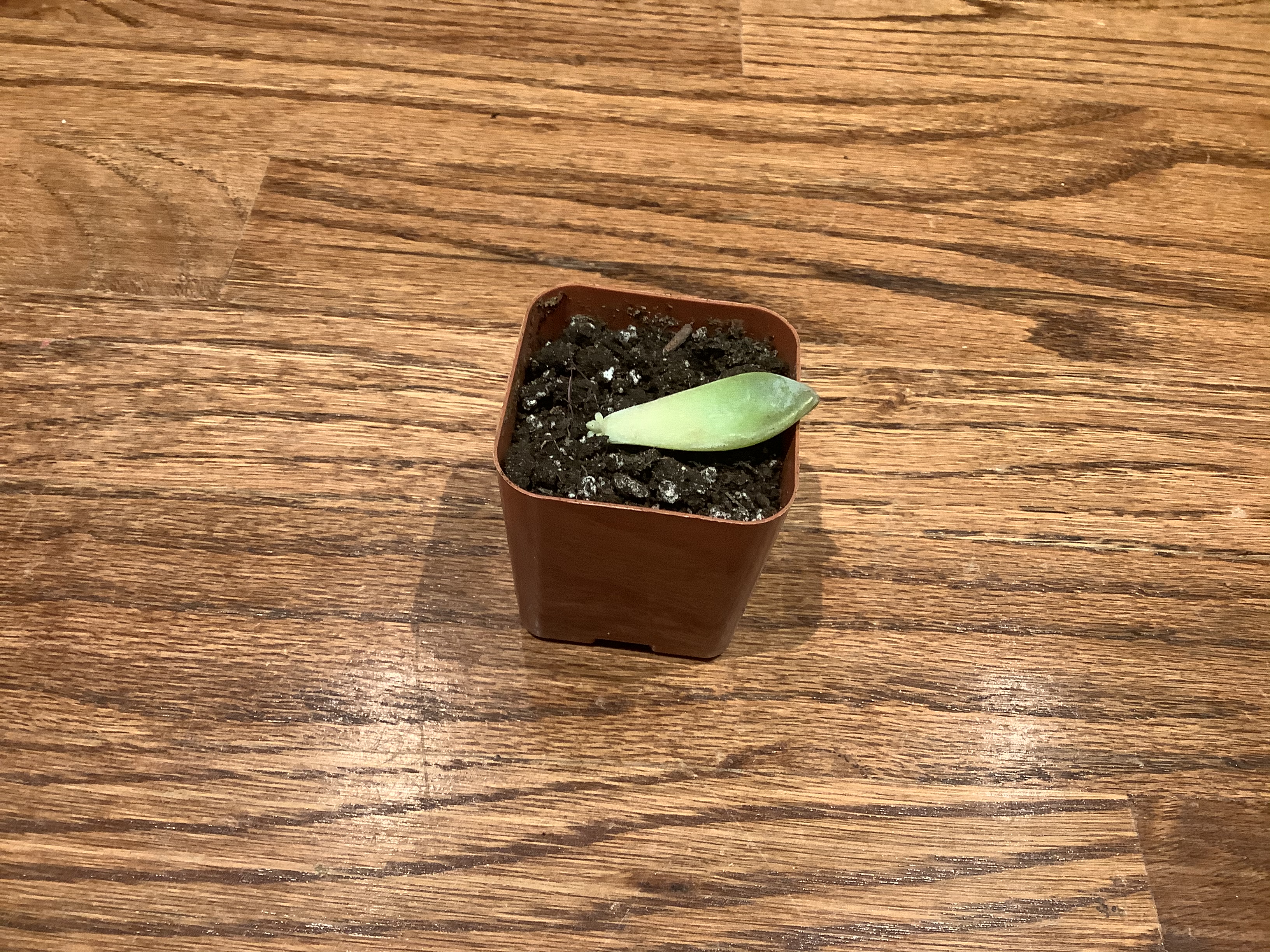
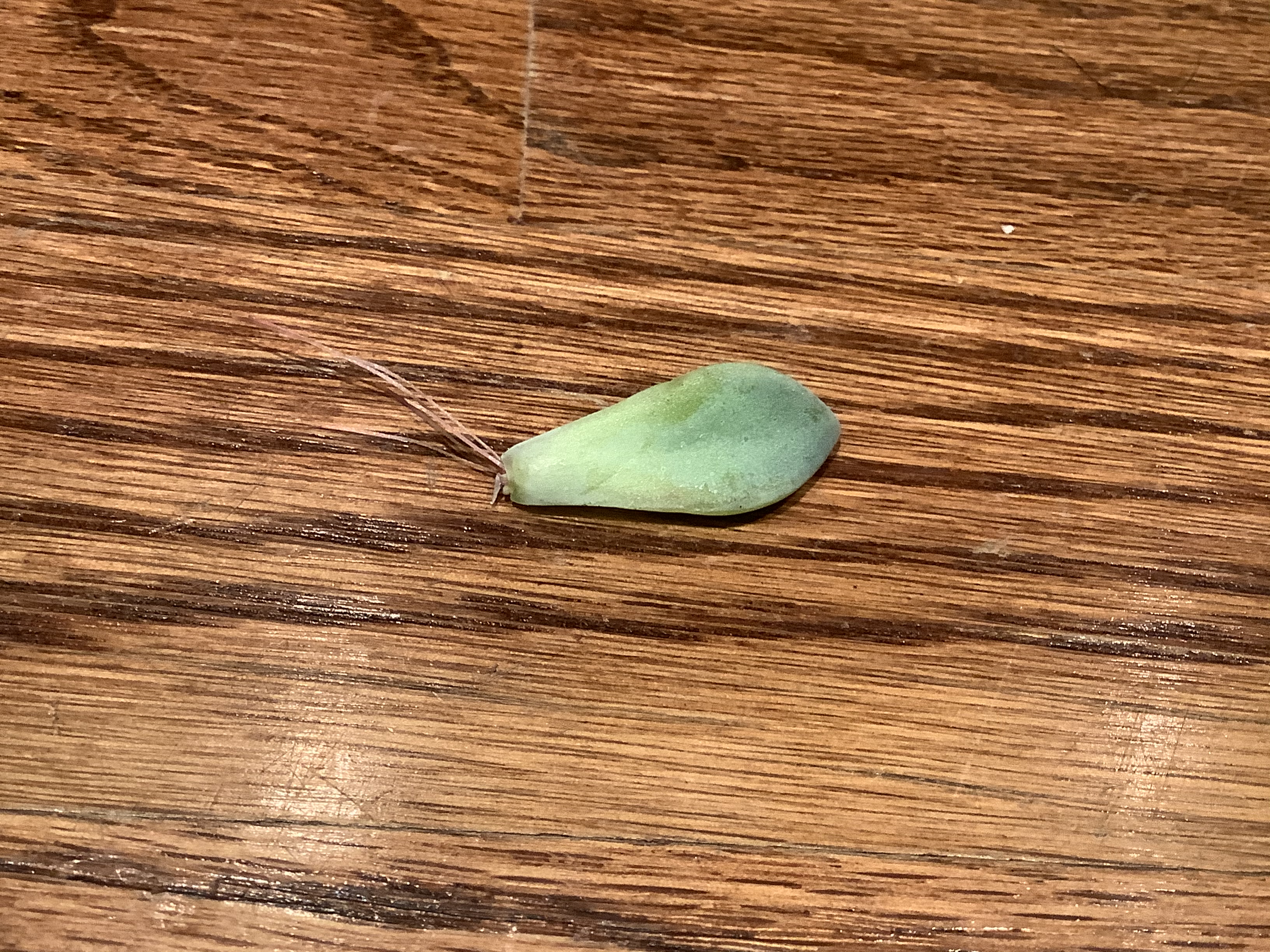
Then, let it sit and callous over for a few days. This way the edge of the leaf is sealed. After a few days, all you have to do is get a pot of soil and place the leaf on top of it. You can also do this when there are some roots and/or a mini plant on the edge of the leaf.

That’s it for today’s post! I hope you enjoyed it! Please check out our other posts! Bye!

Palm oil and its affects on our environment! Global warming #3

If you have been reading my blog posts recently , (witch I thank you for) you will know that I did a post about global warming and things we can do about it. If you haven’t read that, you can check it out here: https://tigershakti.wordpress.com/2020/11/11/global-warming-part-two/

But now for this post! This post is going to be about palm oil and it’s affects on our environment. Because lots of people don’t even know what it is and how bad palm oil is. So on that note, let’s get started!

Palm oil itself is not bad, but how it is harvested and grown is the problem. Large palm oil industries chop down and decimate forests and rain forests to make room for palm oil plantations. Now, you might be thinking, why is that so bad? Yes trees are being cut down, but the big palm oil planing industry’s are planting oil palm trees too! The problem is that palm oil trees just can’t sustain life and biodiversity like a rain forest or forest can. In a rainforest, there are many, many different types of trees, and all of them together, is what makes up the rain forests diversity and ability to sustain so much life. And when you chop it all down, or burn it all and replace it will one type of tree, oil palm, that just destroys the biodiversity and life.

Now you might be thinking, why palm oil? Well, palm oil is basically the cheapest vegetable oil. And so that is why.

What can we do?! It is very important that we do something about palm oil. Many people don’t even know about the problem of palm oil. And another thing, palm oil is in so many every day items! Like soap, food, etc. Now you might be thinking, what are we going to do about this? Palm oil is in so many things! The best thing that you can do is gradually stop eating or using palm as much as we can.

There is also something called sustainably harvested palm oil. And it is exactly what it sounds like. But even with sustainability harvested palm oil, it is best to leave it and avoid palm oil all together. This is super easy, all you have to do is check the ingredients for palm oil!

That is it for today’s post! I hope you enjoyed it! Don’t forget to look at all our other posts! Bye!

How to save free seeds from your garden!


Hi guys! This post is #1 of a series for how to save seeds. This one is all about harvesting your seeds and setting them up for storage. Let’s get started.

First you want to chose your plant to take seeds from. If you are worried about cross pollination, (cross pollination is when a pollinator bees, wasps, etc. pollinate one type of a plant and then a different type of the same plant, that fruit is basically a combo of the two types of plants. Remember, you can always search this up) then take seeds from a plant that is far away from another plant like it but not the same.

Second, there are two main types of plants, hybrid and heirloom. The difference between the two is that when you save seeds from a hybrid plant, when you grow the seeds next year, the produce is a little bit different (in a bad way usually) and every tine you keep on saving seeds from a hybrid plant, the produce gets worse and worse. Heirloom plants on the other hand, when you save seeds from them, the seeds (not counting cross pollination) are basically the same produce as the other plant. This principle is usually used for tomato plants, and you can find out whether they are a heirloom or hybrid by looking at the tag, the seed packet, or by searching it up.

Another factor to saving seeds is the dryness/wetness. If it has been raining a lot recently, then you should let the seed pod/seeds dry a bit before you store them. If they are already dry, still let sit for a day or two just to be safe. You don’t want your seeds to rot in storage!

That’s it for today’s post! This post was all about setting up for saving and storing our seeds. In our next post, we will talk about how to do exactly that.

Bye! Please check out our 33 other painstakingly written posts!

Global warming part two!

In this post, we are going to discuss some things we can do to help combat climate change. Let’s get started!

One very important thing that we would do, is stop buying products with palm oil in it. These products can range from food to soap! But why is palm oil bad? Here is why:

Palm oil it self isn’t bad, (there are still experiments that scientists are working on), but the way we harvest palm oil is HORRIBLE! Palm oil industries raze/cut down rain and normal forests to make room for palm oil trees. And what’s even worse, is that forests are a key biome on our earth that helps get rid of co2! (Carbon dioxide)Now you might be thinking, well, they are cutting forests down, but they are still planting trees. So it’s not all that bad, right? The sad answer is no. In crucial forests, there are a HUGE variety of trees, and oil palm trees just can’t sustain forest life.

The next thing we can do is use less single use plastic. Single use plastic is EVERYWHERE! In our soap bottles, packaging, bags. And yes, we can’t just randomly say, oh! We aren’t going to use single use plastic at all anymore! That is what I wish we could do, but sadly it is not as simple as that. Firstly, Mose of our food is packed in single use plastic! So unless you are growing all your meals, good luck with that. Also, for many people it is the cheapest way to eat, or get water in a storm, or get soap. So we need to do this little by little. I go over this in a different post called how to get single use plastics out of our life! Check it out here:

For now though, the easiest ways are to use a washable water bottle, reusable utensils, etc.

Because this post is already getting a bit long, I am going to end it here. But remember, there are ALWAYS ways to help our planet.

I hope you enjoyed this post! If you enjoyed it and want to see more please follow this blog and like this post! if you have any questions put them in the comments and I will do my best to answer them! Thanks to reading this post! And make sure to check out my other 31 posts. Bye!

Succulent garden tour! Succulent series #1

Succulents are fun and beautiful to grow. They are great for beginners and for more experienced gardeners. This post is the beginning of a series that will cover everything you will ever need to know about these wonderful plants. So to start us off, here is a quick tour/introduction to succulents.

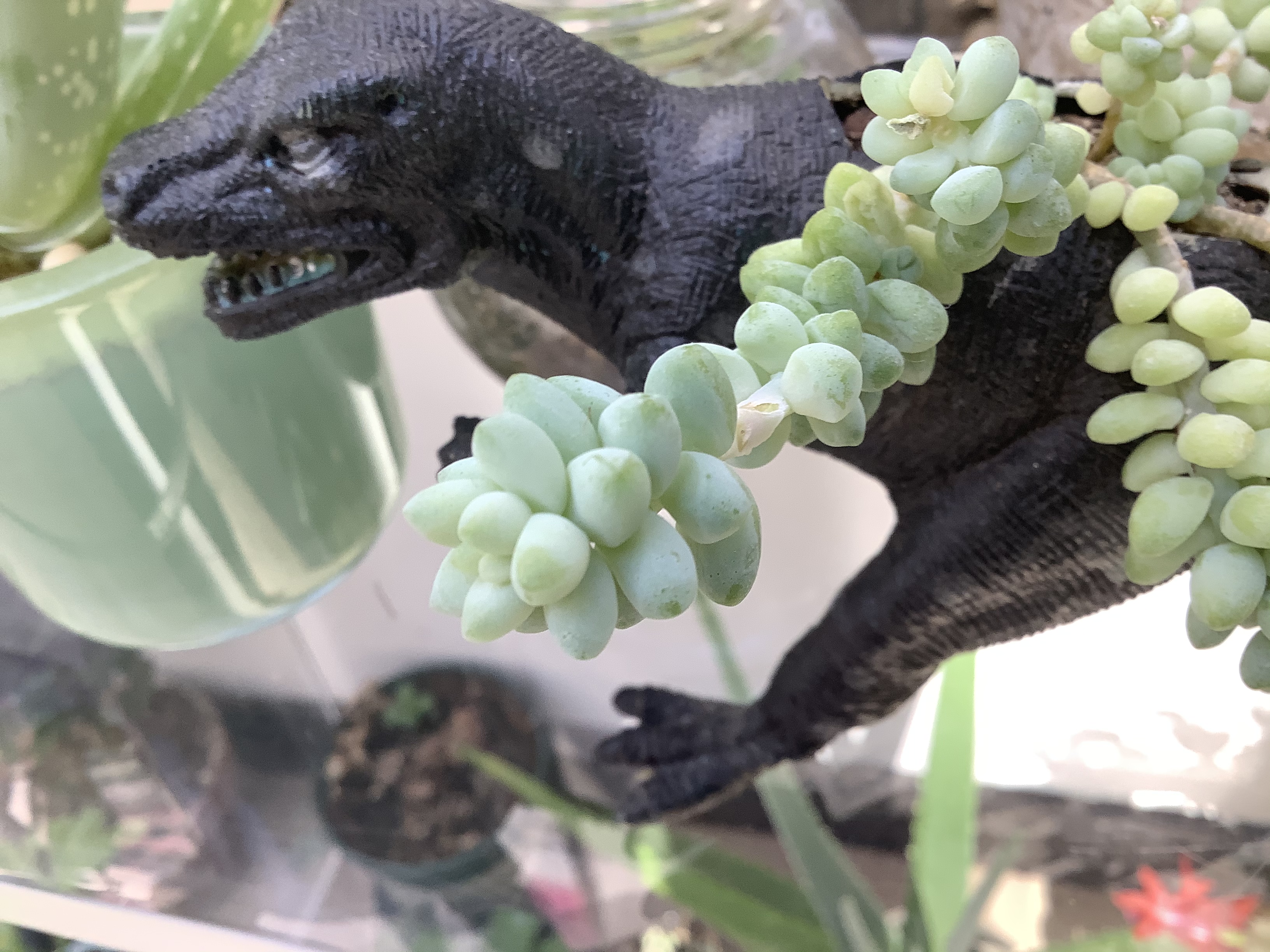
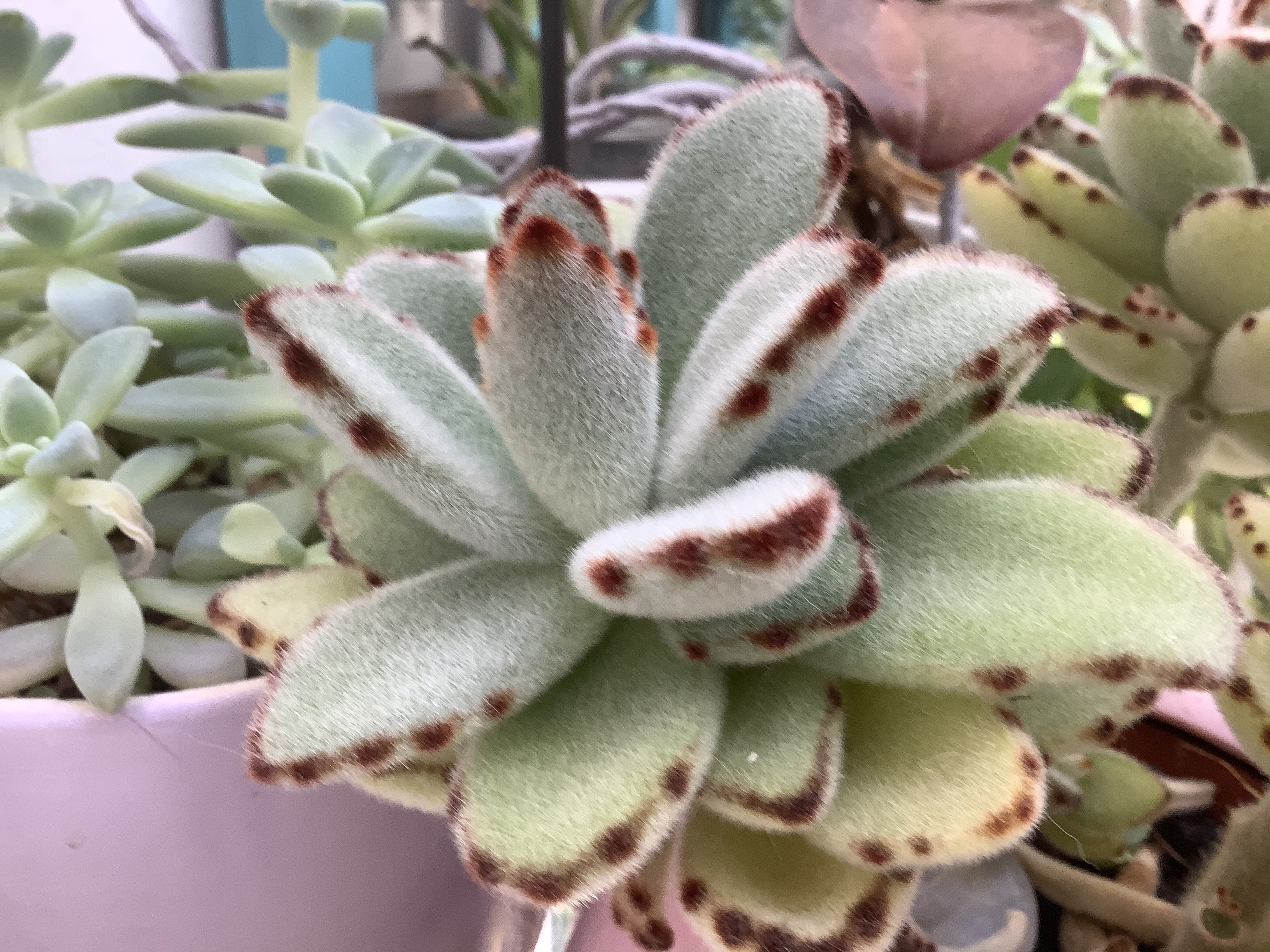
Enjoy these pictures!

This was the result of lots of hard work and care. You can do it to! Wether it’s in on a window still, or on your desk, or in a windowless room.

Thanks for reading this post! If you liked it give it a like, if you have a question leave a comment, and if you want to see more posts, please follow! Bye!
New sticker sheets in Etsy shop!

Hello everyone! Today’s post is a quick but important one. As you might of noticed from the title of this post, our Etsy shop, Solis and Luna Crafts, is now selling handmade sticker sheets! If you are interested in that, please click here: https://www.etsy.com/shop/SolisandLunaCrafts

Also, please spread the work about our Etsy shop. You can tell you friends and family, or if you have a blog, you can post about it! Thanks!