Small space gardening #1

Recently many people have been starting to garden. Especially now, during the coronavirus pandemic going on. But not everyone has a garden to grow in. In this same we are going to look at container gardening and other small space garden options. Make sure you look at my mason jar herb garden posts!
let’s get started!

In this post, we are going to talk about a pretty popular way of small space gardening, container gardening! Container gardening is definitely your best bet for small space gardening. Here are some pros and cons of container gardening:

Pros: Portible, if you need to move your container to a sunnier location or a dryer one, container gardening makes this super easy! All you have to do is pick it up and move it. Another pro of container gardening is that you get less weeds because your plant is not in the ground. There are many more good things about gardening in containers but that is all I’m going to mention today.

Cons: a con of this method of gardening is that because your plants are in a restricted area, their roots suck all the nutrients out of the soil. Which means that your have to fertilize your plants more often. The last con that I have about container gardening is that your have to water more often. But this can be fixed by installing a drip irrigation system. But I don’t recommend trying to do that if this is your first time container gardening.

Over all, container gardening is a super fun and reliable way to garden. I really recommend it if you are a beginning gardener, or if you are an expert gardener.

That is all for today’s post! I hope you enjoyed it. In the next post of this series, we will talk about how to make/grow your own container garden! Stay tuned for my next post. Bye!
Fertilizing my citrus plants/trees!

Hi guys! Today I am going to be fertilizing my citrus plants/trees. I am going to be doing this in a video today! See you there!

Seed haul!

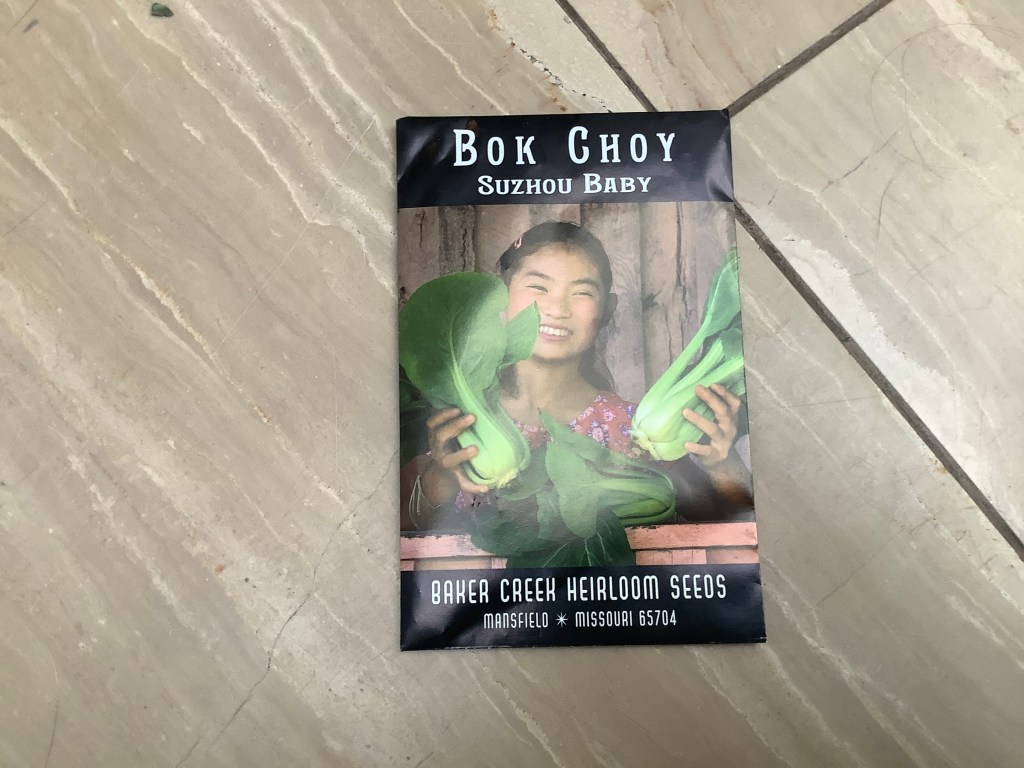
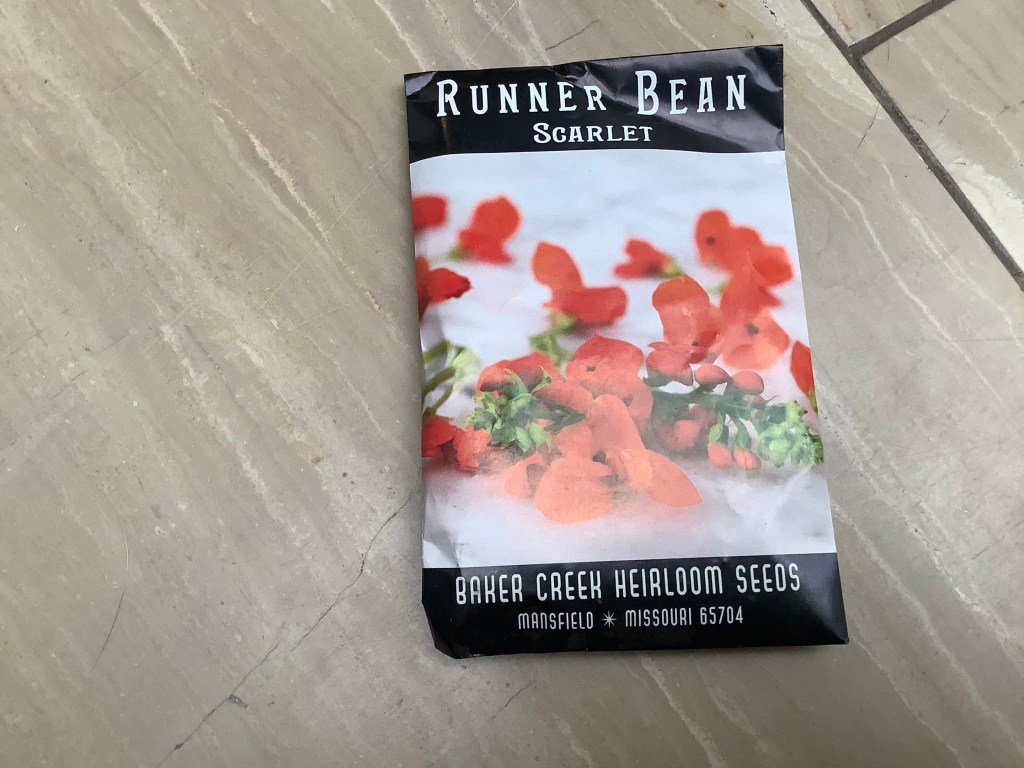
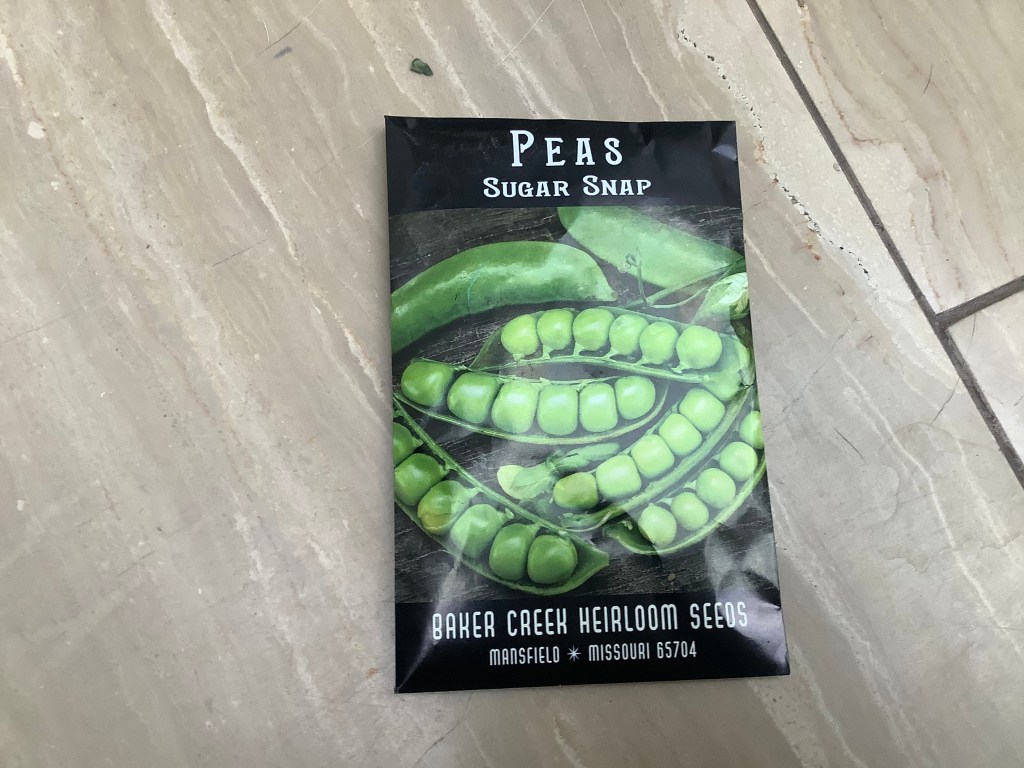
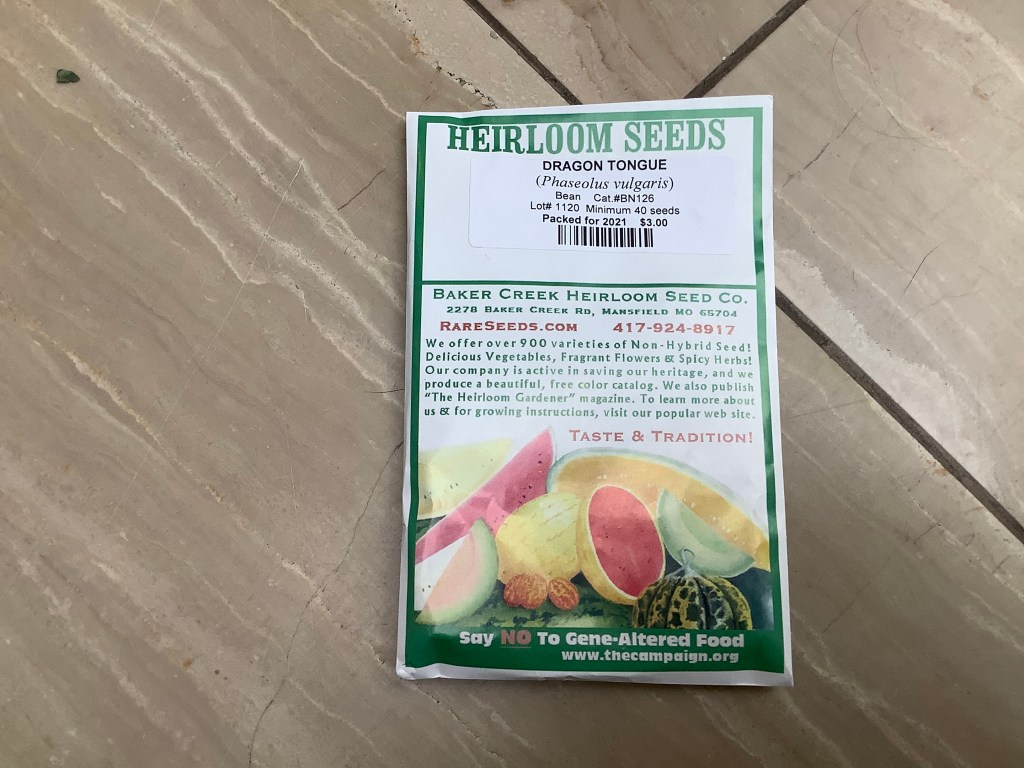
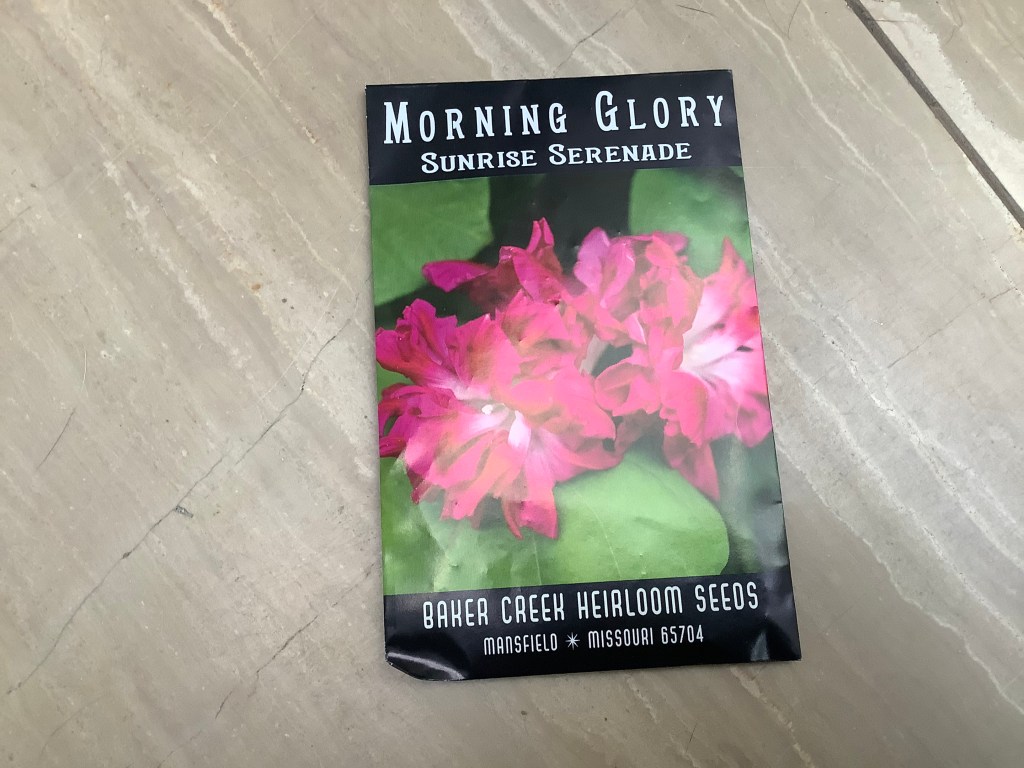
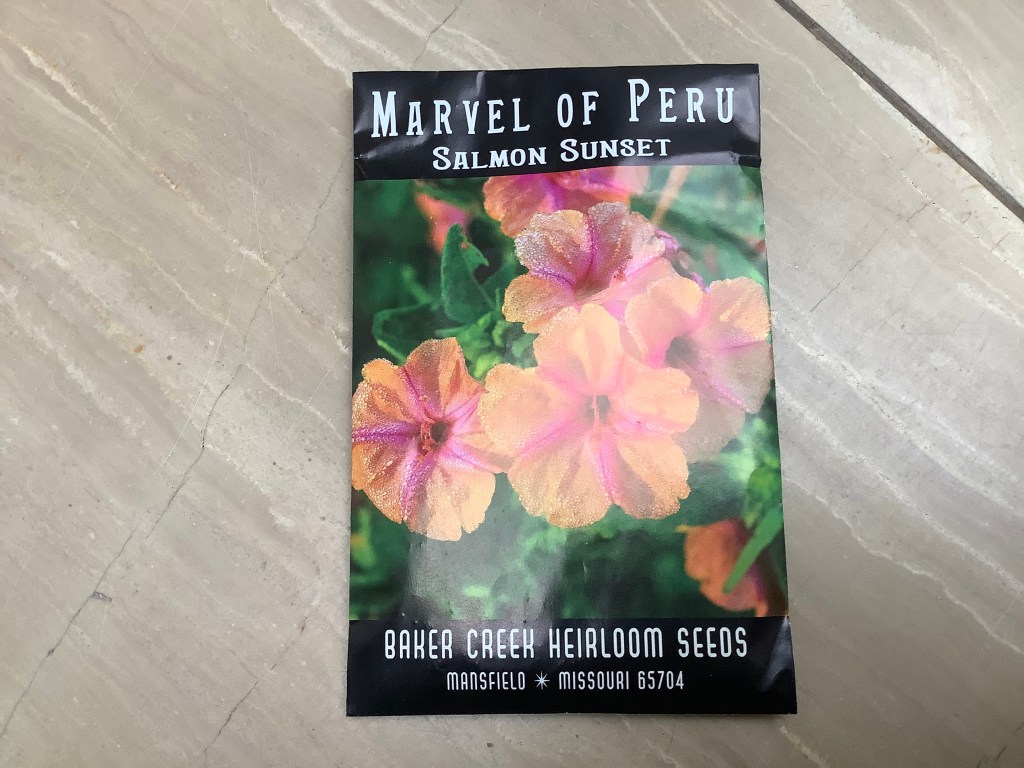
Hay guys! Today’s post is going to be a seed haul! All the seeds came from Baker creek heirloom seeds. Let’s get started!

Also, I just want to say, I apologize if anybody takes this as bragging, it is not my intention to do so.

First I got these flowers to bring in some pollinators. They are;

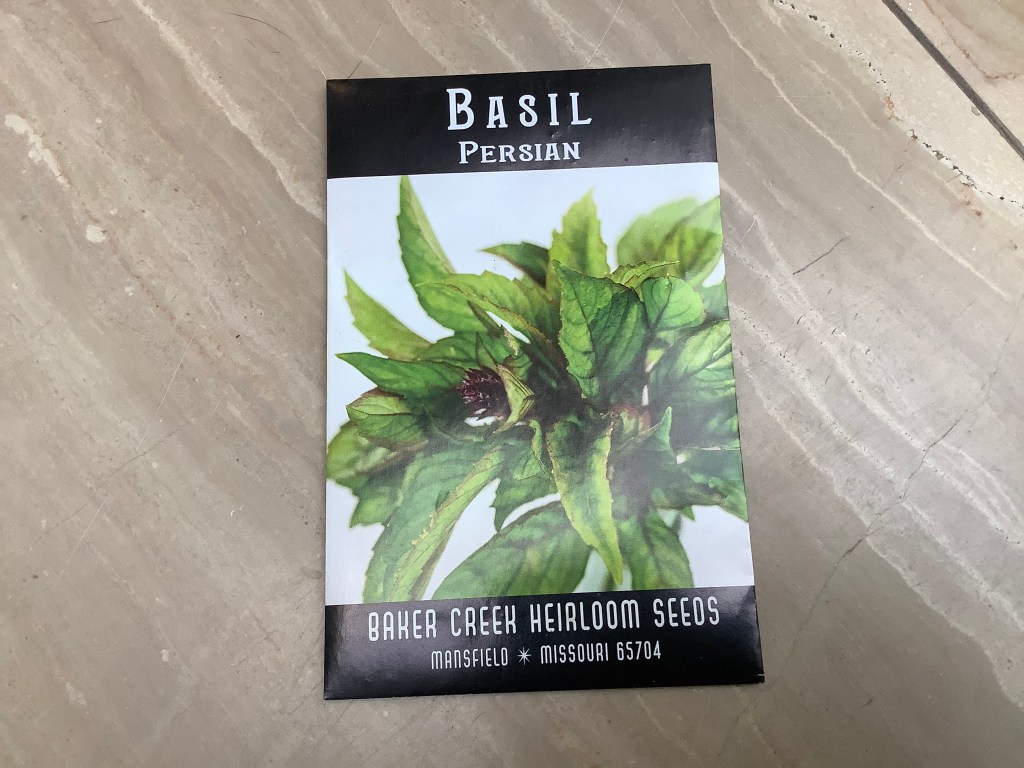
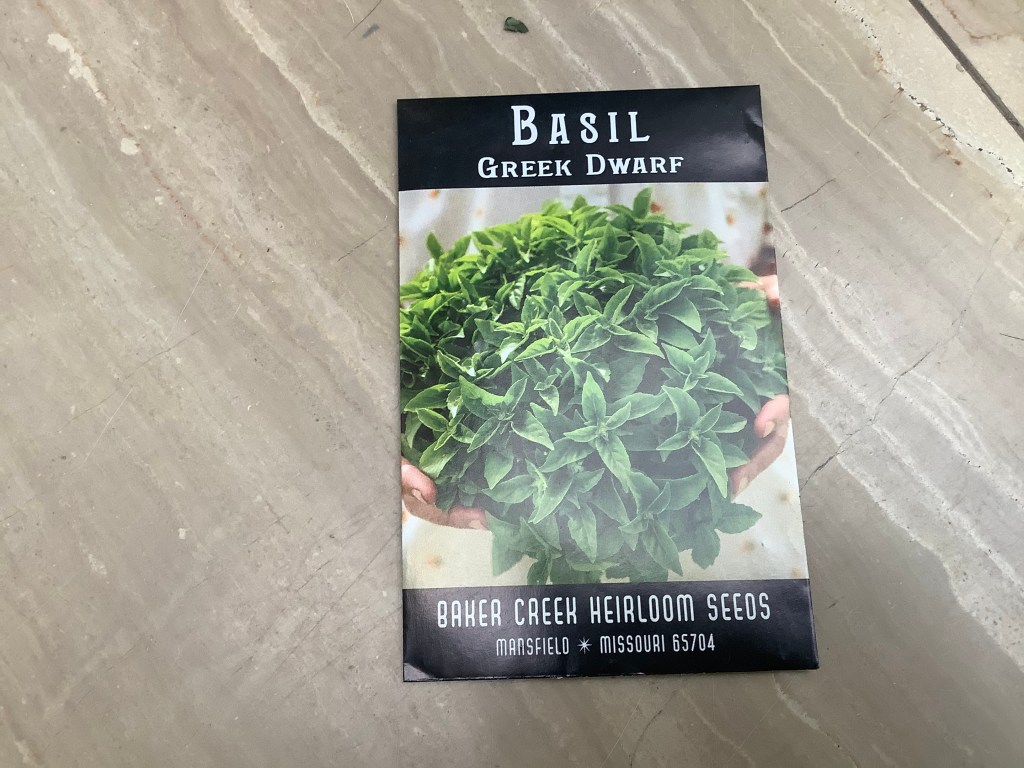
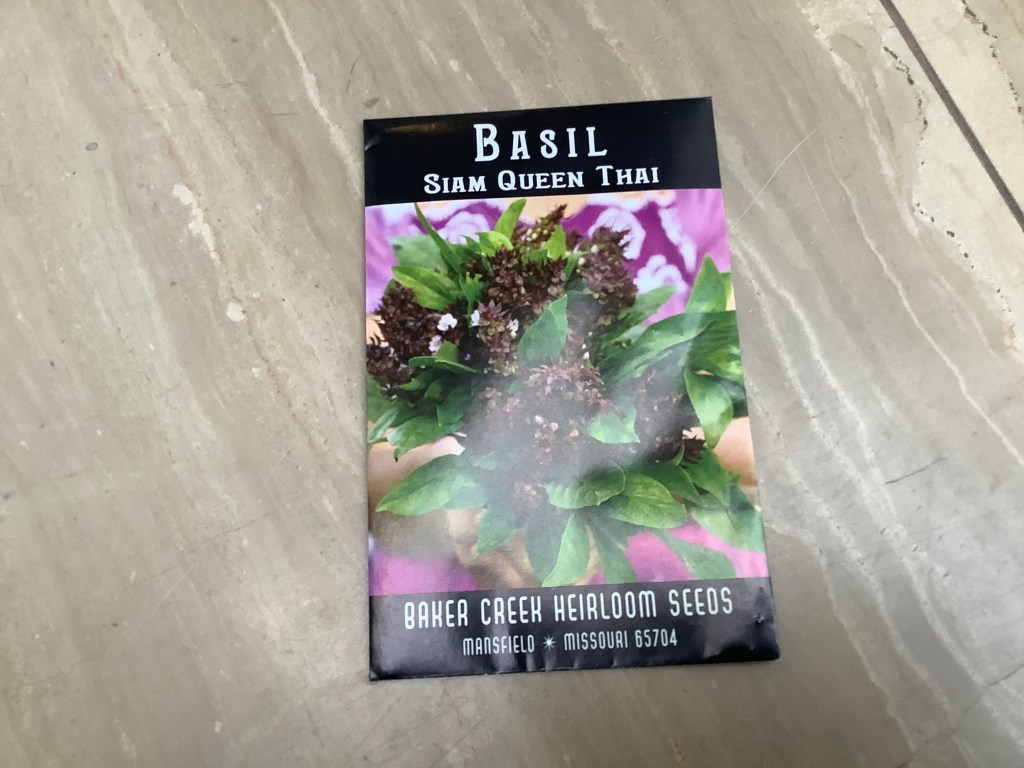
Next we have three varieties of basil. Our family really loves basil, which is why in addition to the 15 plants we already have growing, I also bought these! I chose the Saim queen Thai basil because my family uses Thai basil in cooking too. I got the Persian and Greek dwarf basil just to have fun trying it out!

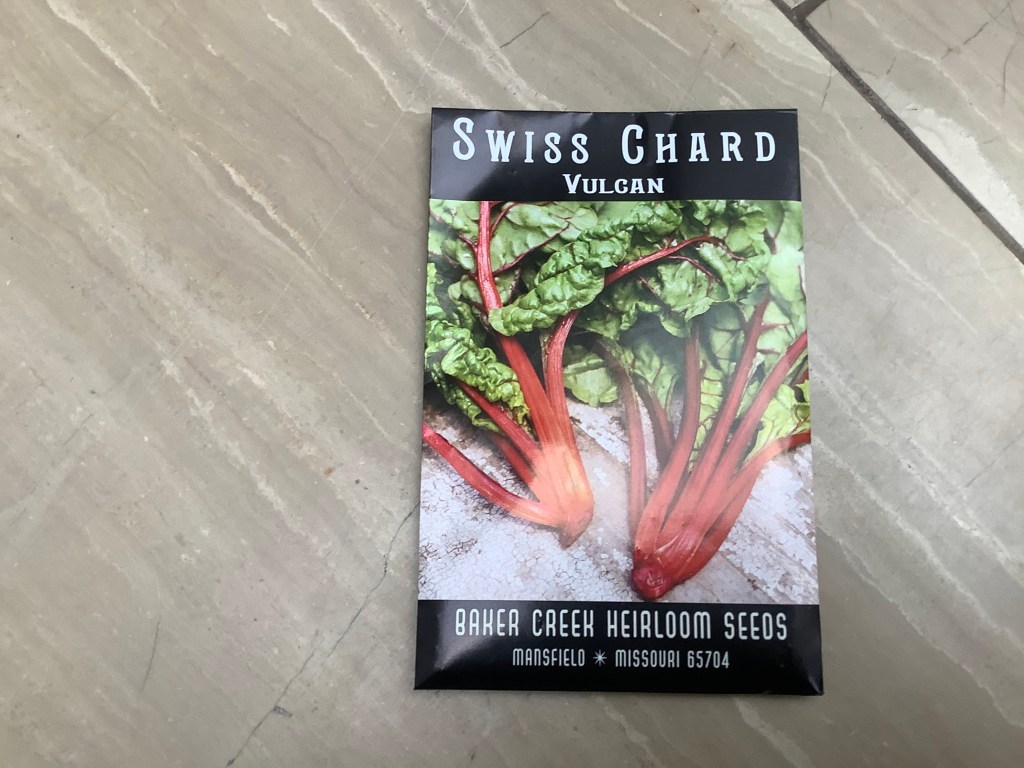
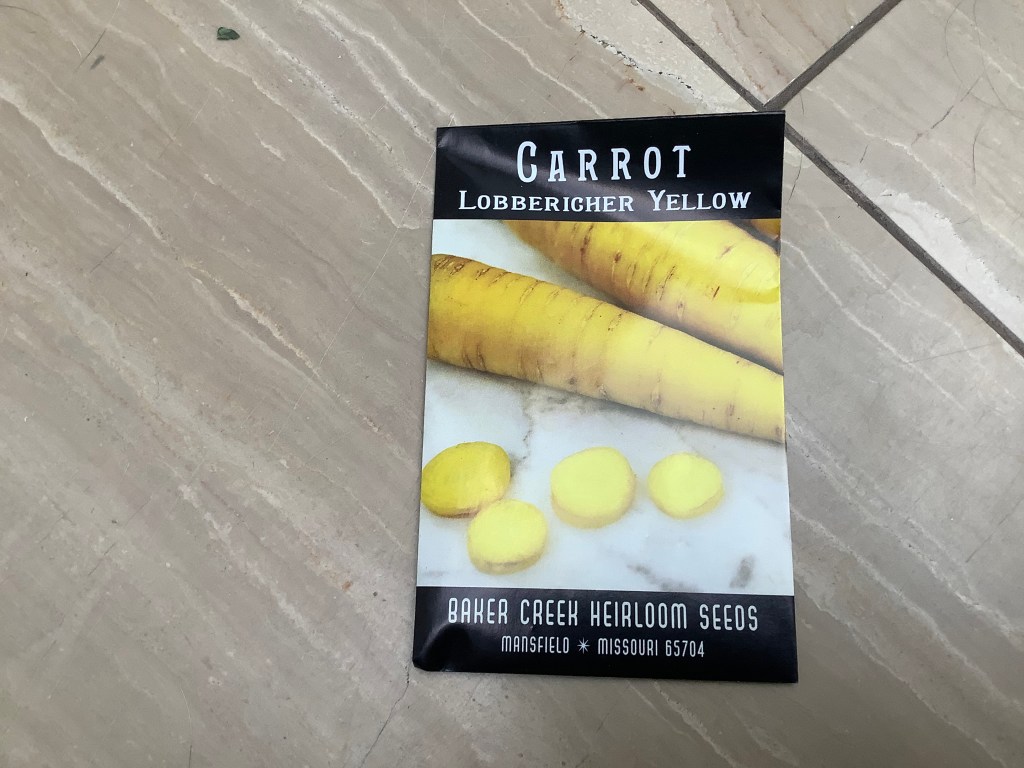
After that I got these seeds to add some color and variety to the garden.

Next, I got some bean and pea seeds. I was especially excited about these because we love band and sugar snap peas as a snack!

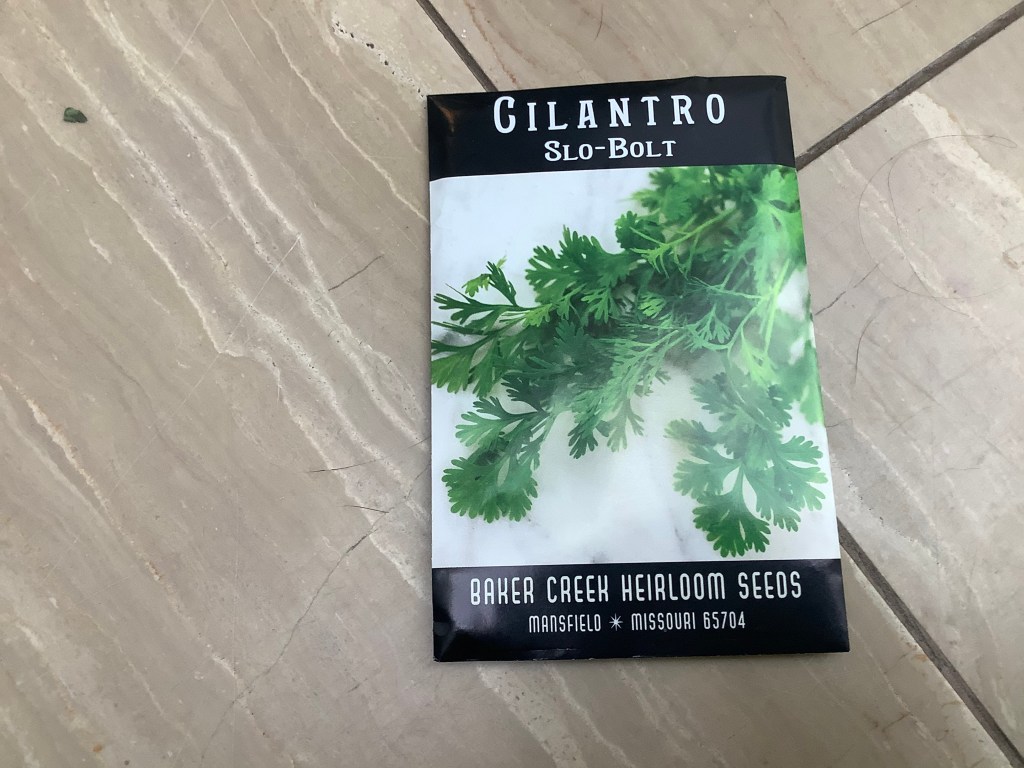
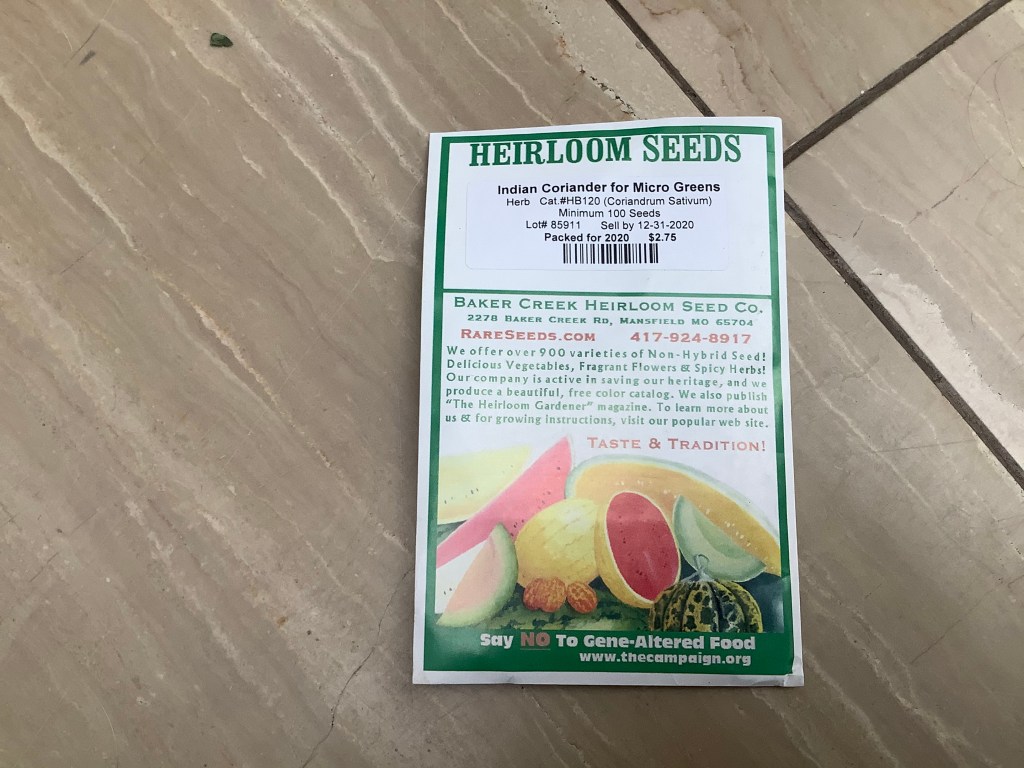
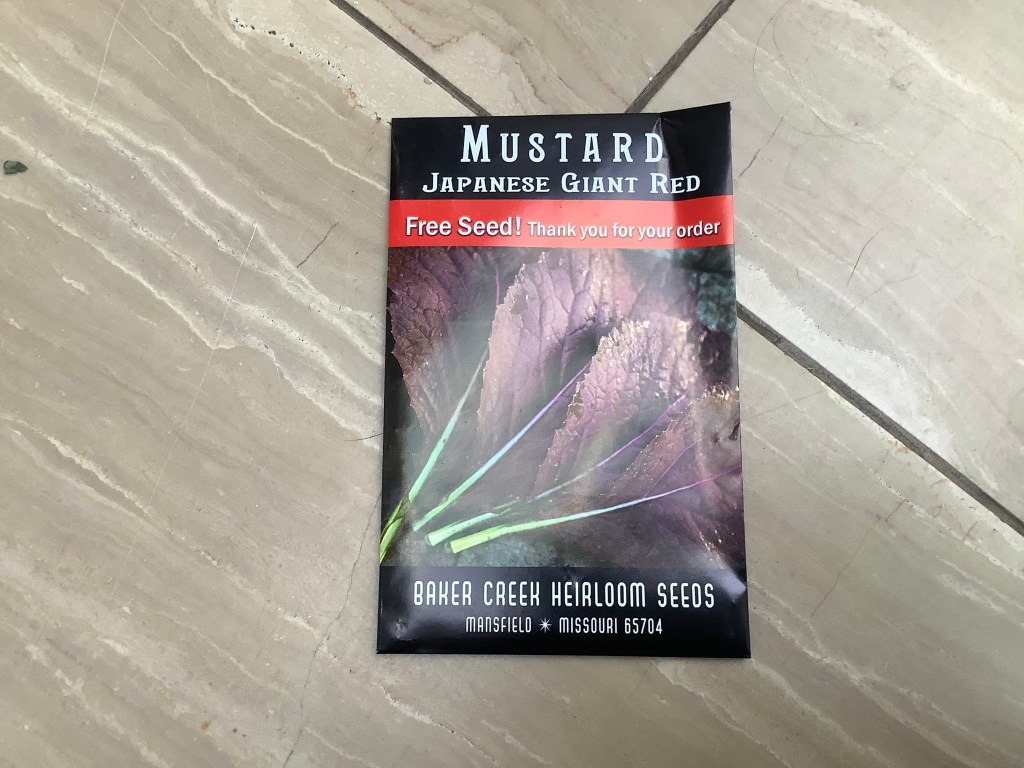
And last but not least we have some more greens seeds. We use so much cilantro and coriander in our cooking! The mustard seeds were a free variety that came with my order.

That is it for today! I hope you all enjoyed this post. I will be posting a video version soon. Keep a lookout for some posts on planting tips and care for the seeds that I got. Bye!

How to propagate a tomato branch to get another tomato plant!

Hi guys! Today I am going to show you how you can take a broken tomato branch, (or sucker) and turn it into a new plant! Let’s get started!

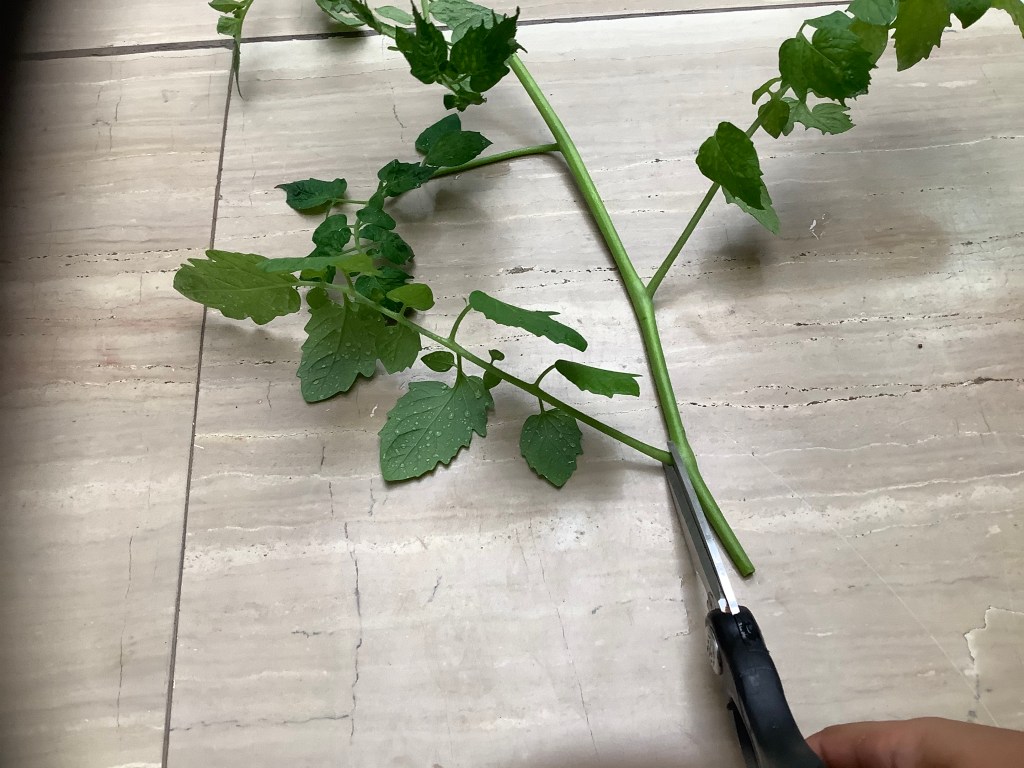
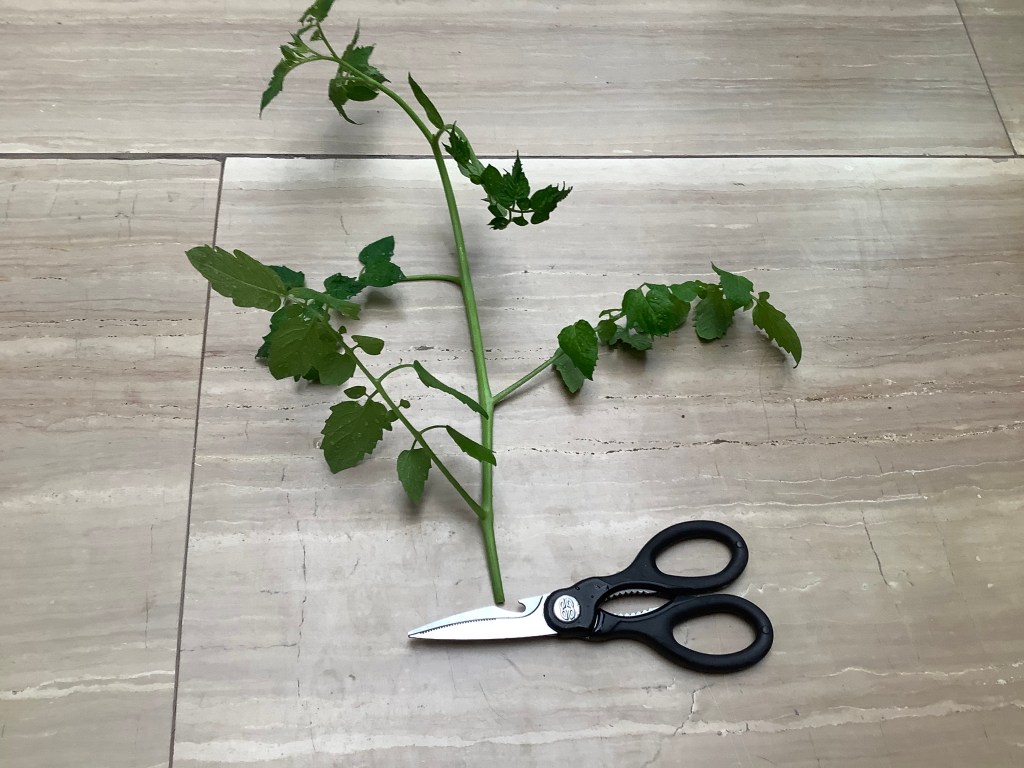
First you need your branch. Mine is a bit big, but you can definitely use a smaller branch.

Next we need to prepare our branch. To do this, all you need to do is to snip off the lower leaves on your tomato plant. Also, if there are any flowers, gently remove them. This way your branch will focus on making roots instead of making one last batch of flowers.

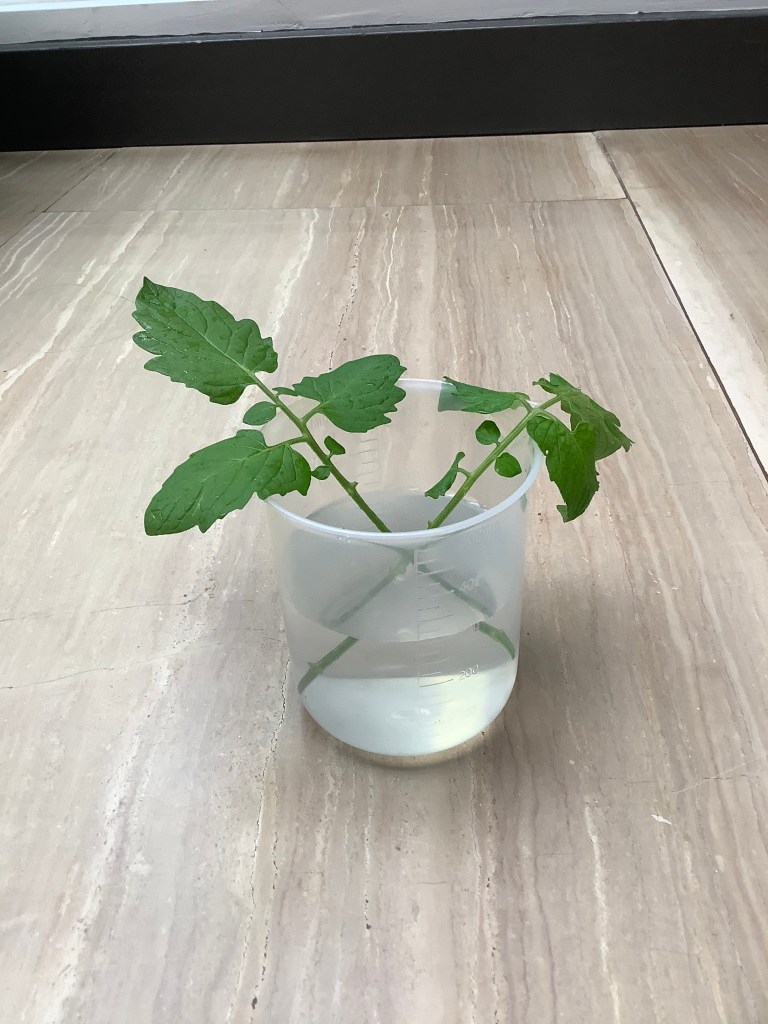
Once you’re done that, you need to get a container that can hold water and that is big enough for your branch. Fill it up with tap water.

Now, put your branch in your container with water.

Also, as an experiment, I am also going to try propagating some large tomato leaves.

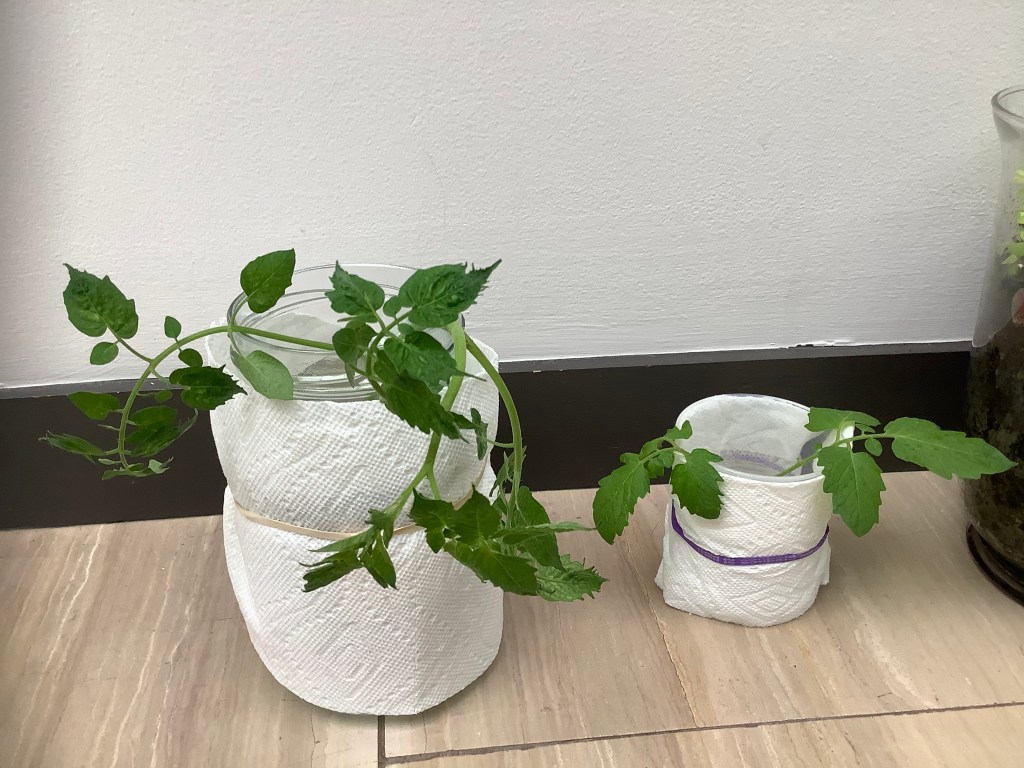
All that’s left to do is to put your branch in a mostly sunny area, (it they are in super intense light, it can shock them) and if your container is clear, cover it’s sides with a paper towel to minimize the amount of sunlight that hits the water. (To much sunlight in the water can encourage algae to grow.

That’s it for today’s post! I hope you enjoyed it! I will be posting updates on the tomato branches! Bye!

Mason jar herb garden maintenance!

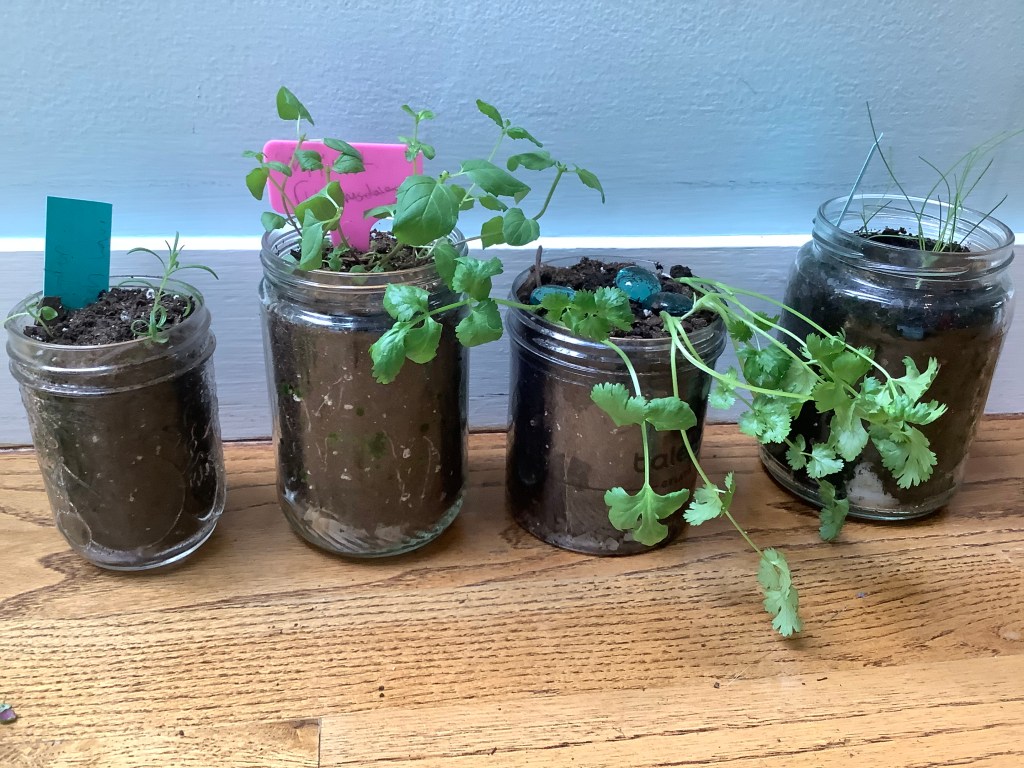
Hi guys! Today we are going to to some work on our mason jar herb garden. The herbs need some trimming and some of the soil levels are going down. Let’s get started!

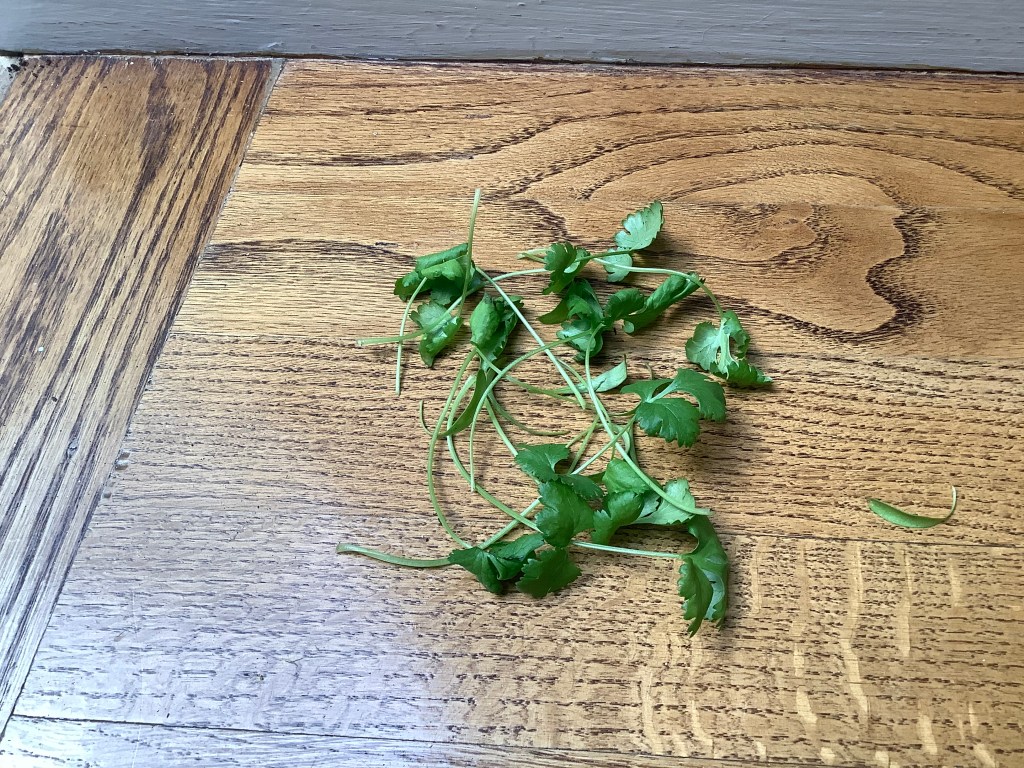
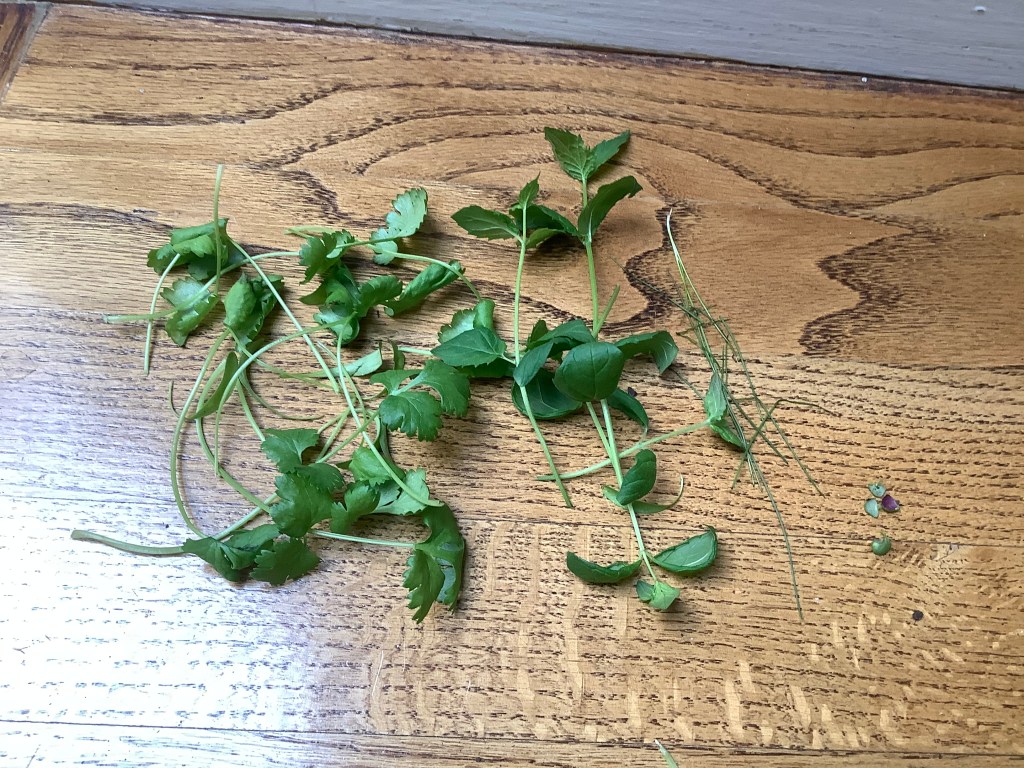
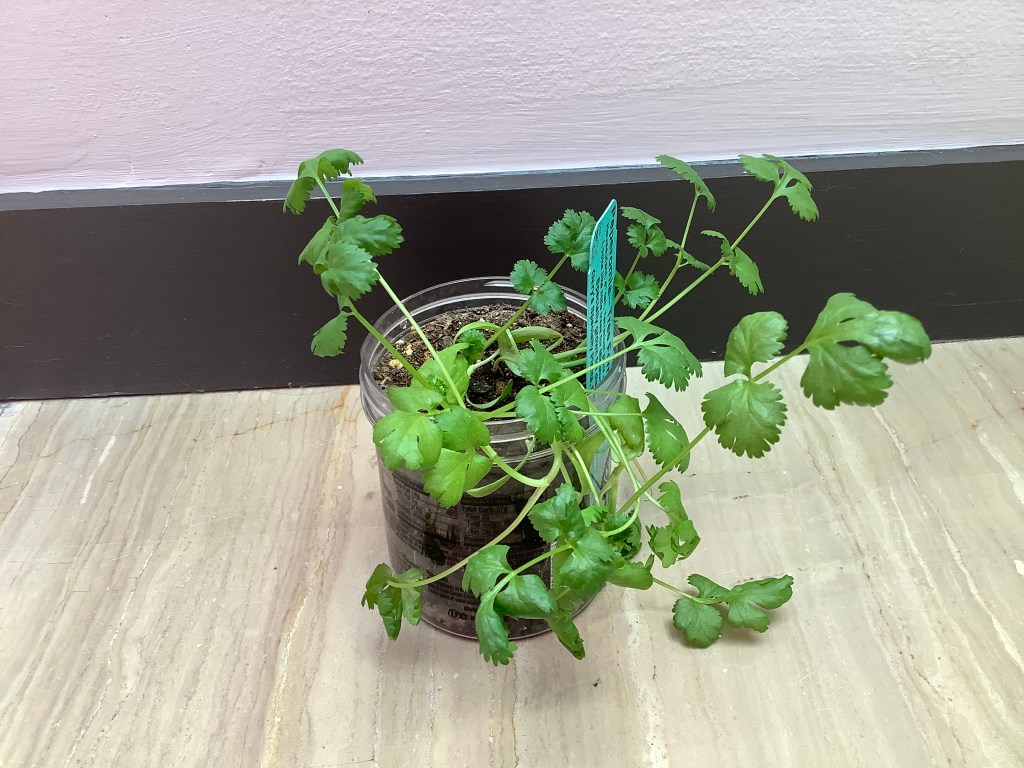
First we need to help our cilantro. I’m gonna give it a hair cut and add some more soil.

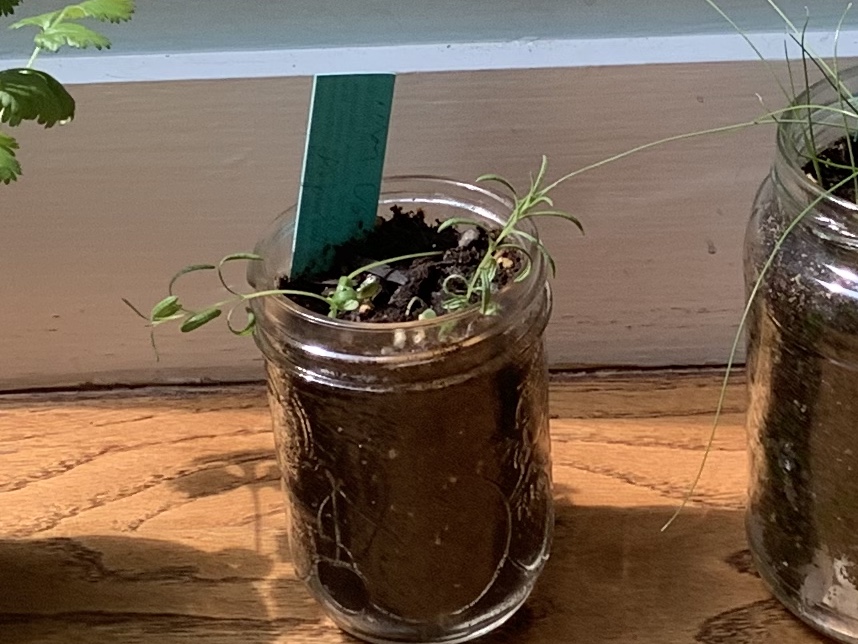
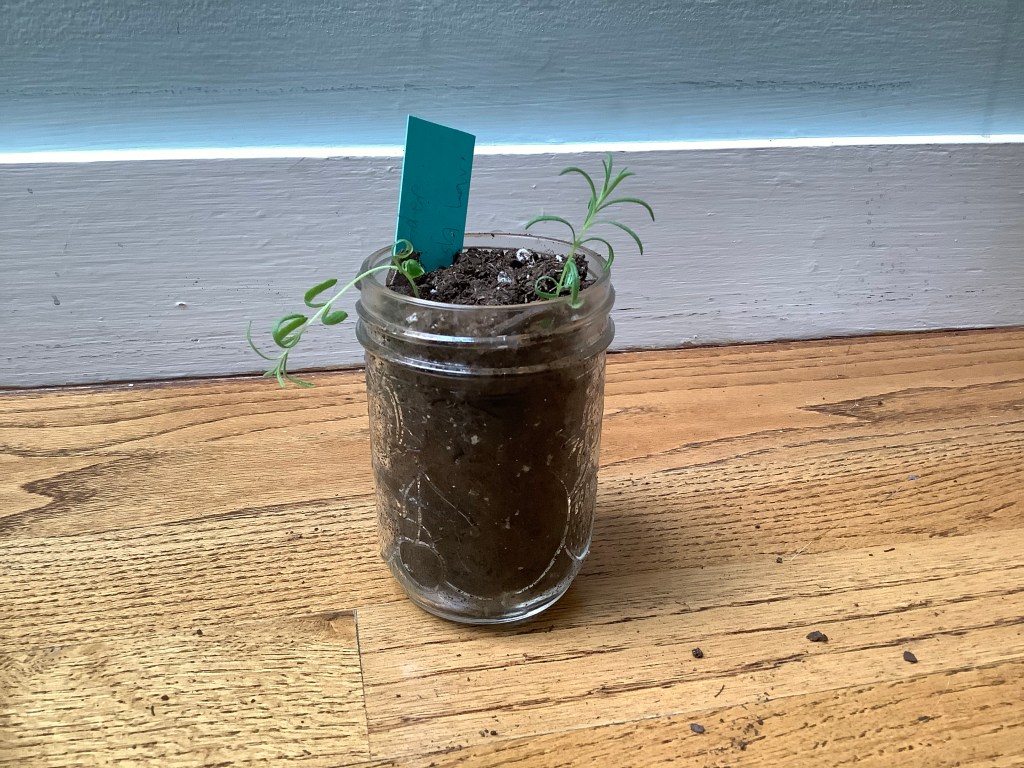
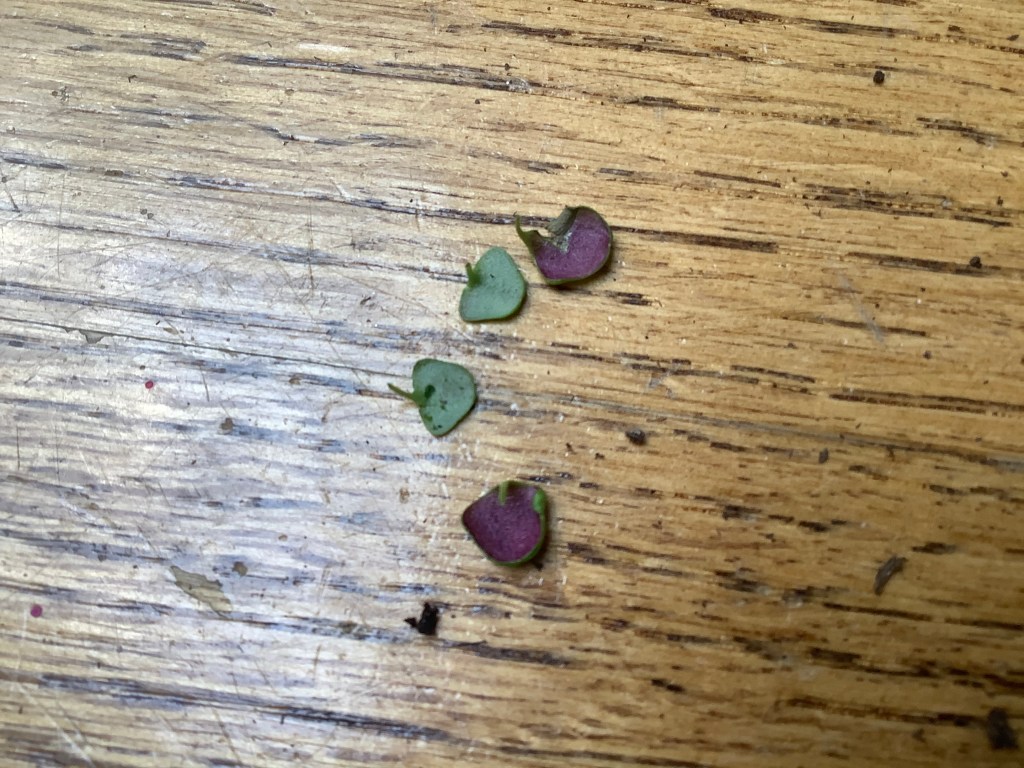
Next we need to trim the lavender. All I’m gonna do is take of the seed leaves and add some more soil.

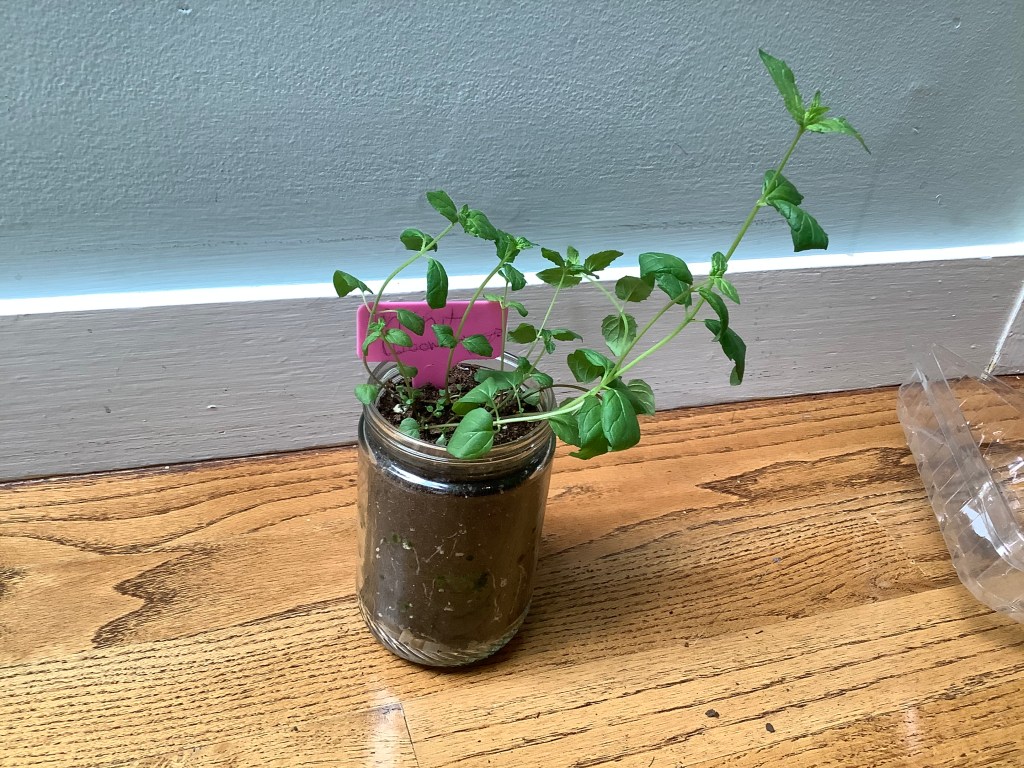
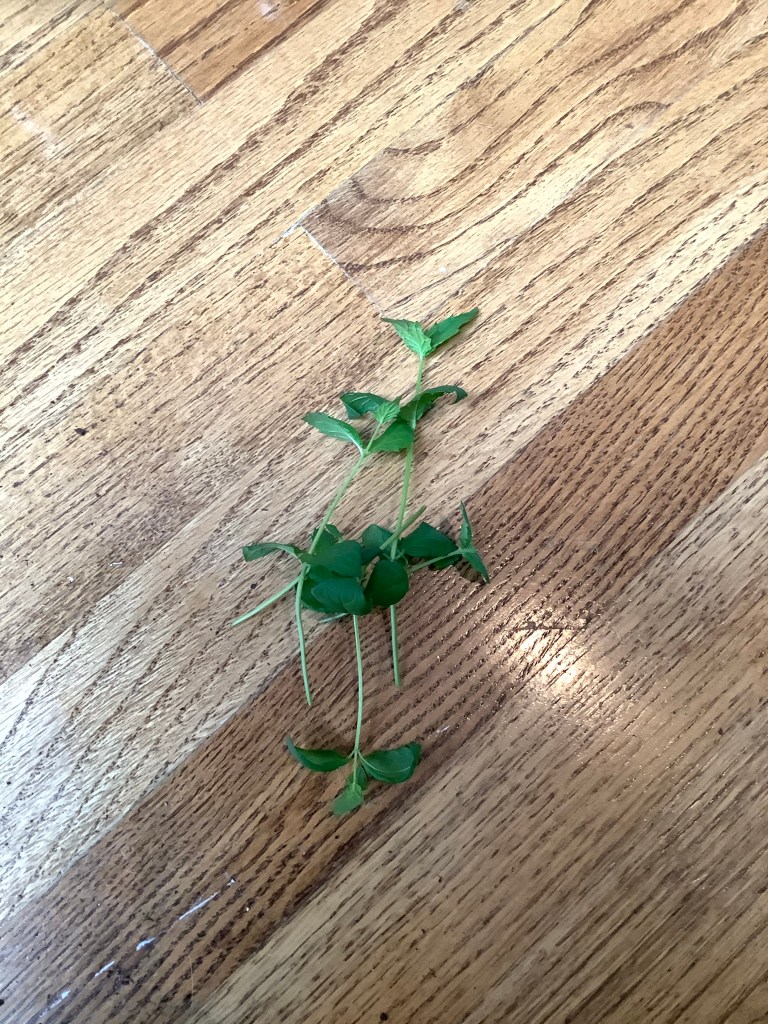
Now we need to trim the mint. When you cut mint, you can be a little bit more aggressive because it is a more vigorous herb.

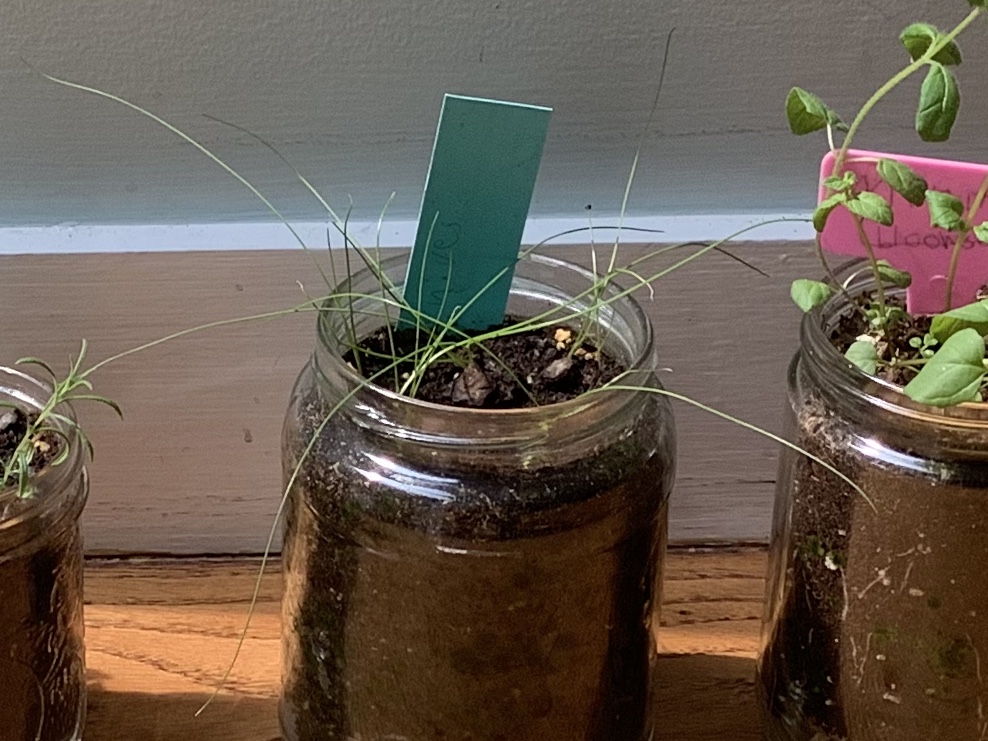
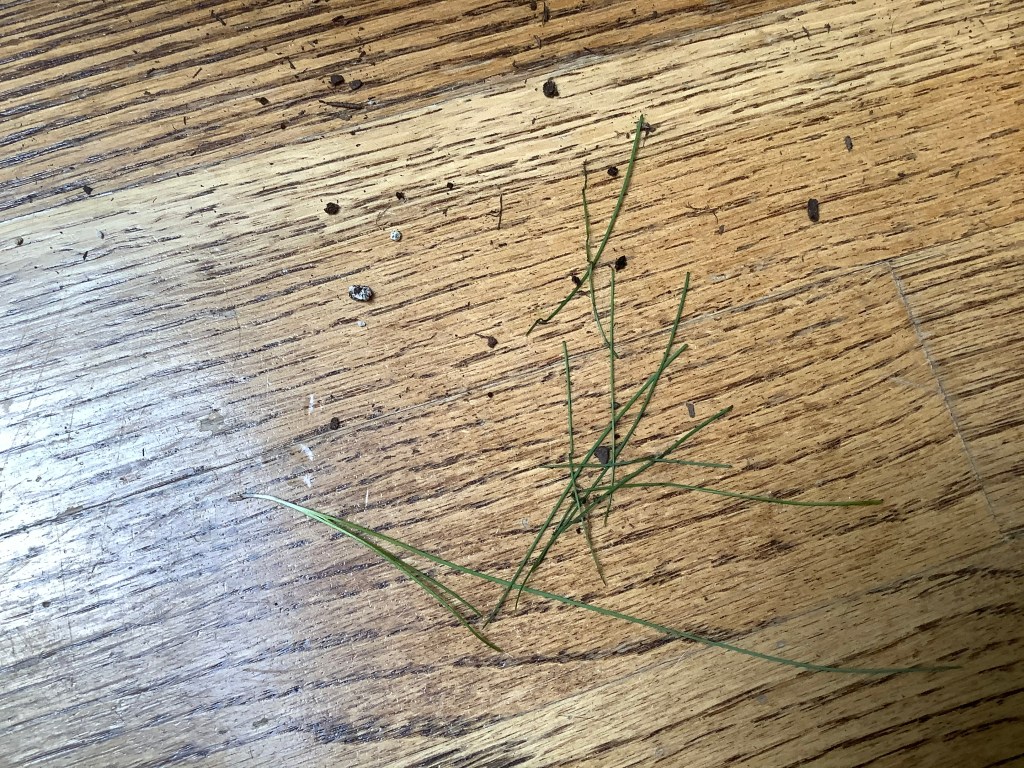
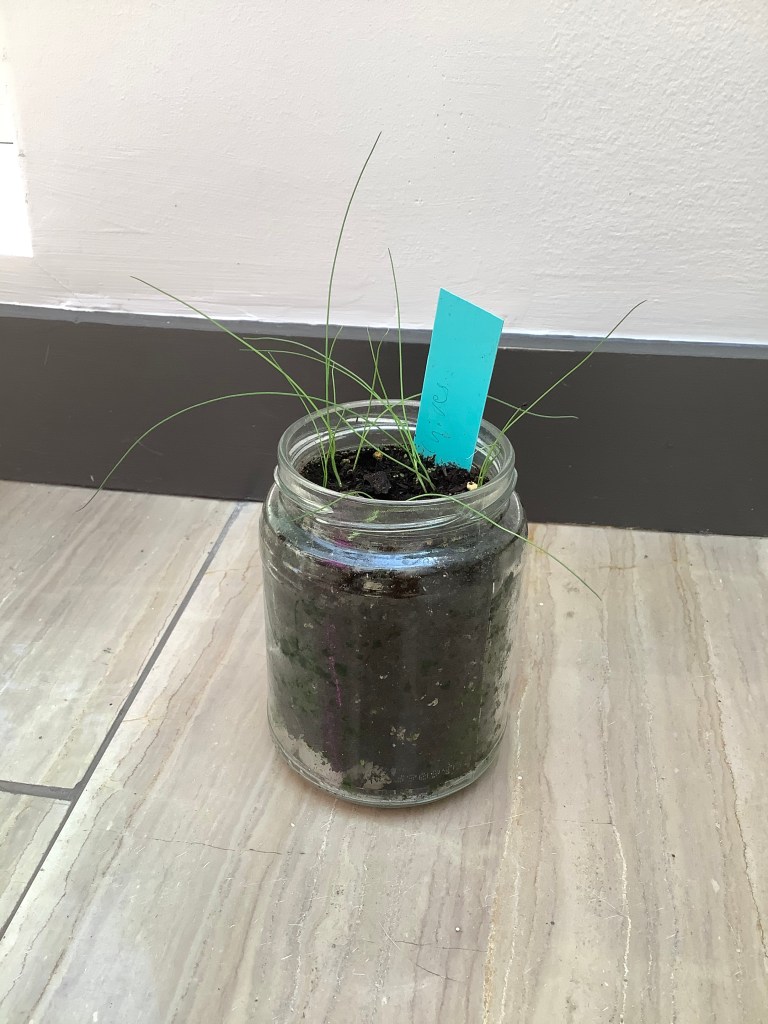
Lastly, we need to trim the chives. Trimming chives can be a little tricky because of the way their leaves are shaped. I like to just cut the tips off of my chive seedlings.

That’s it for today’s post! I hope you enjoyed it and learned something from this post! Click Here to see how I made this garden! Stay tuned for my next post. Bye!
Mason jar herb garden update!

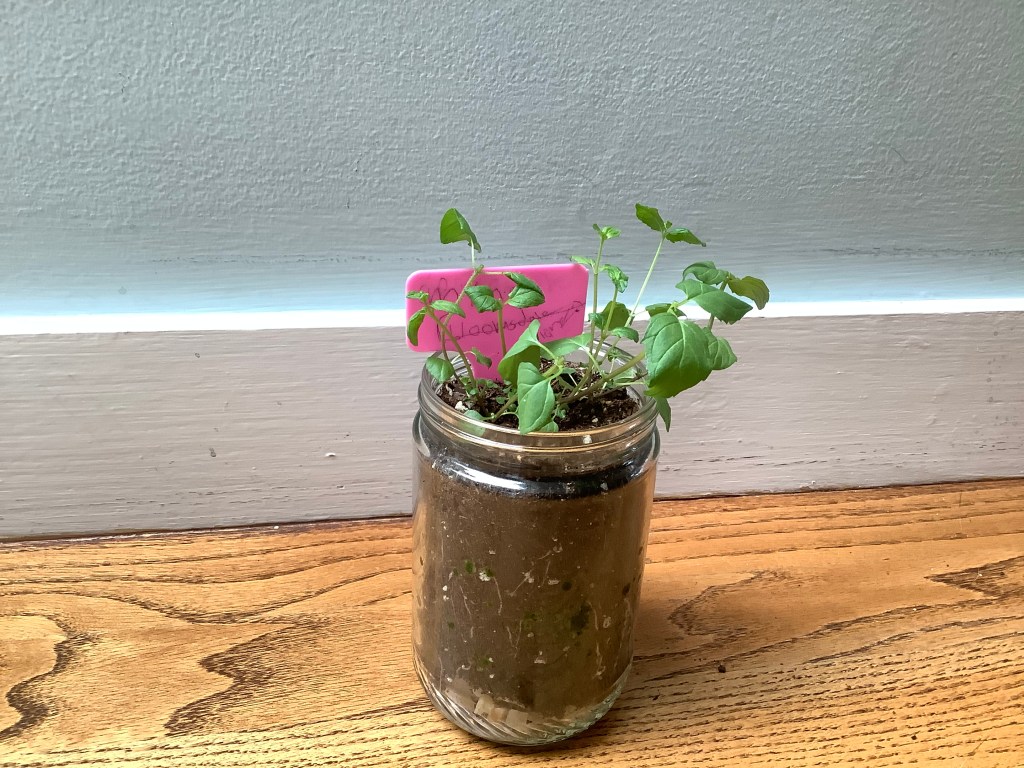
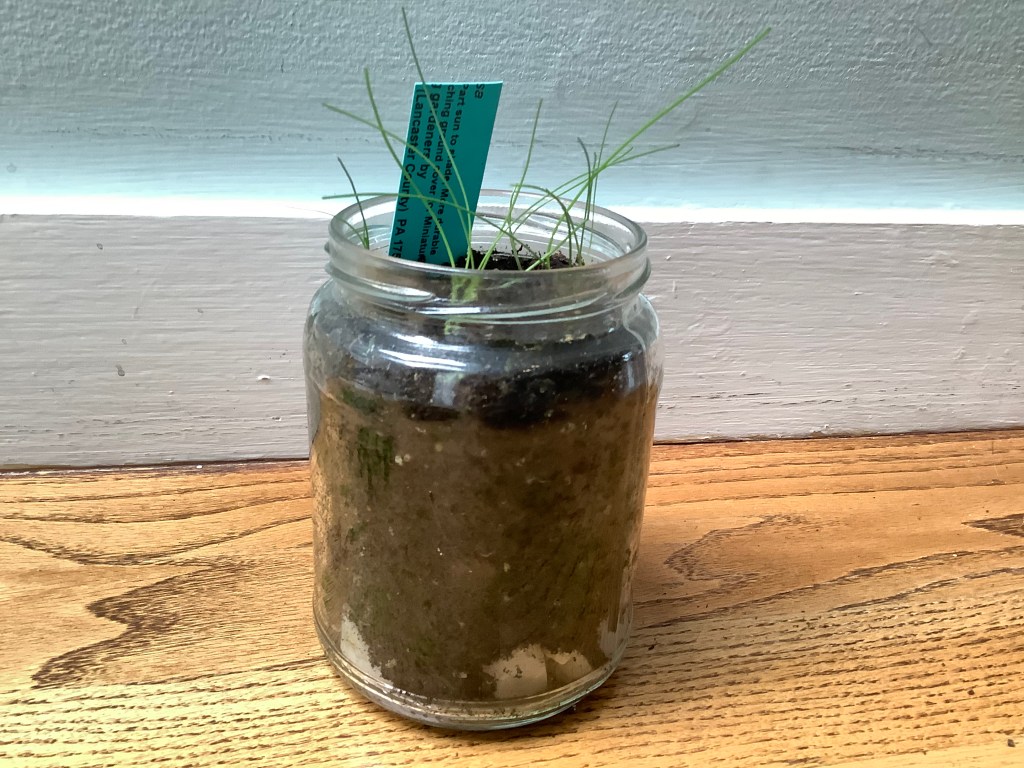
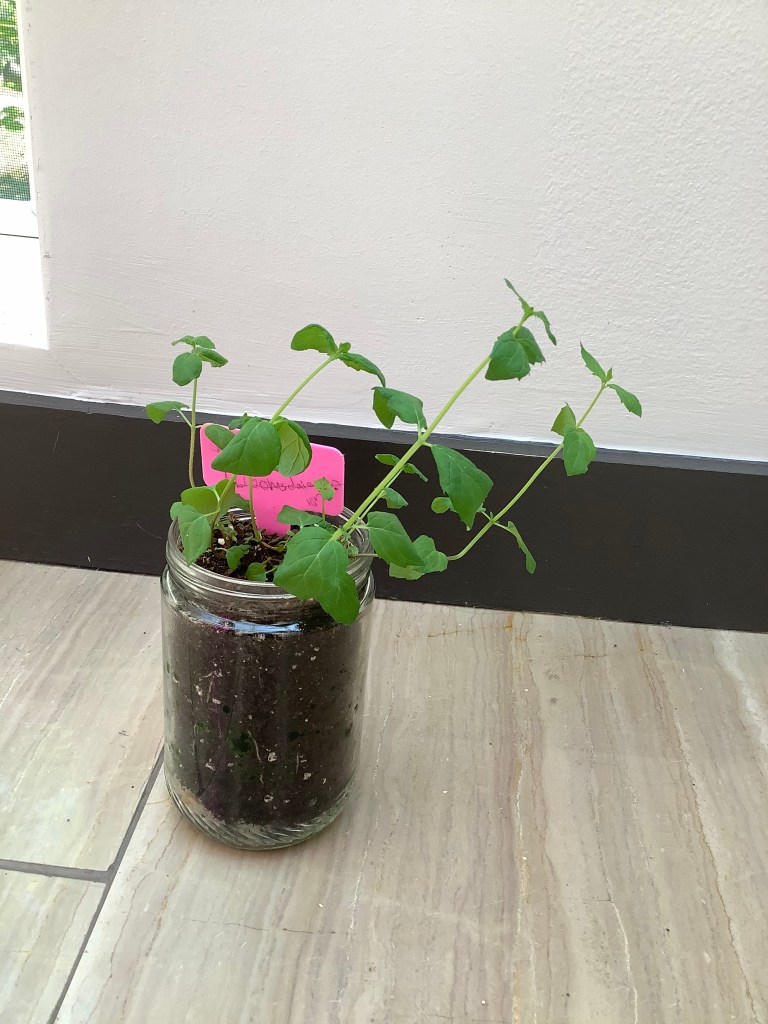
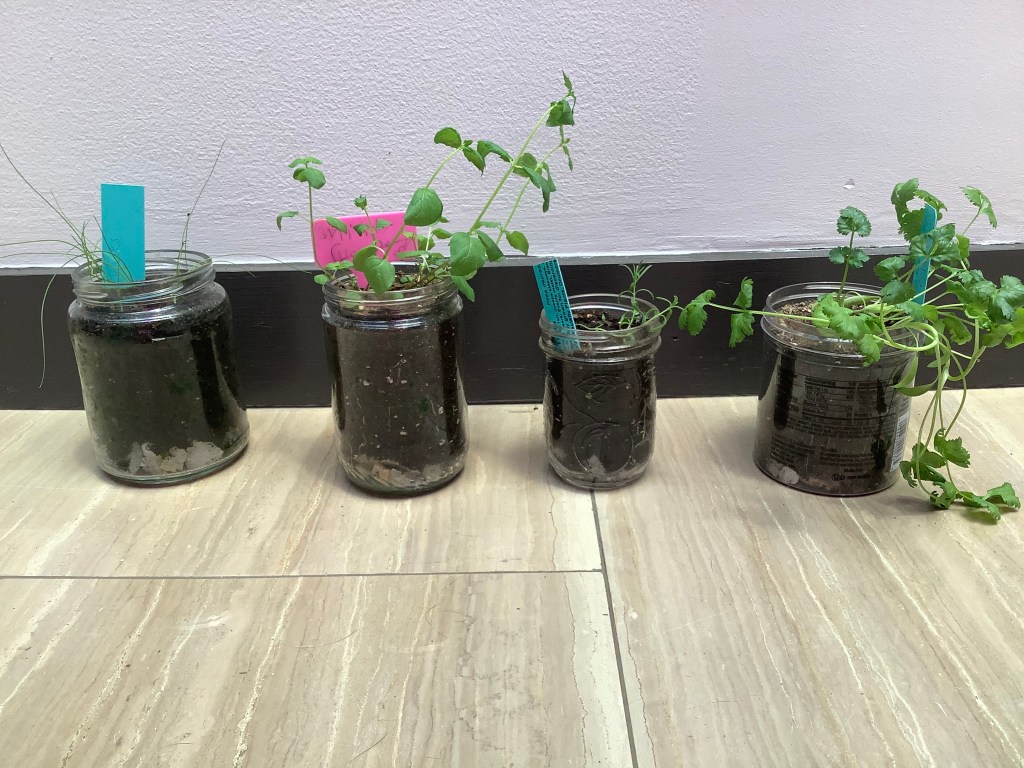
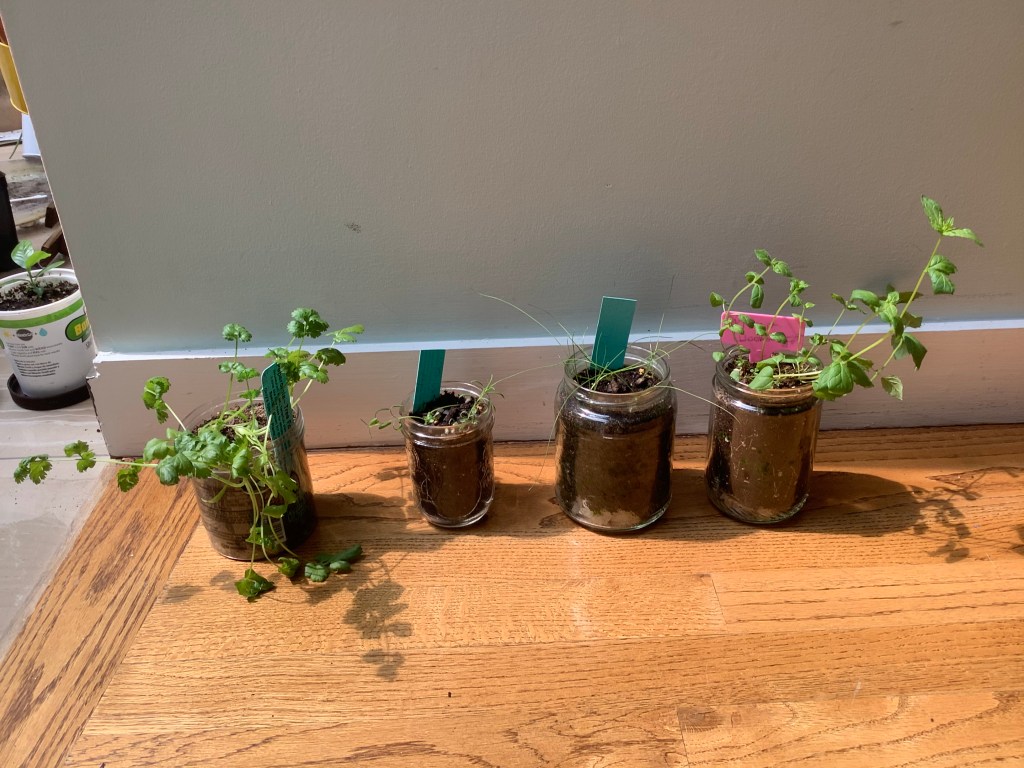
Hello! A while back I did a post on growing herbs in mason jars from seed. Now after a bot over a month, here is what they look like now:

The mint is doing good!

So are the chives!

looks like the cilantro needs a haircut!

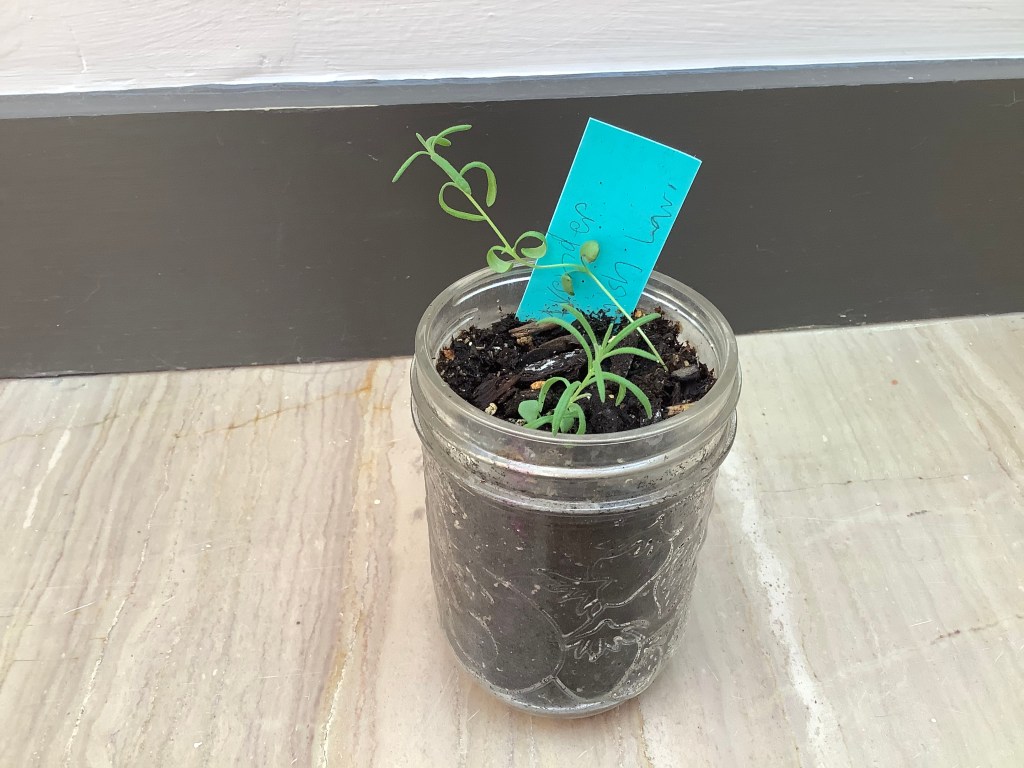
Last but not least, the lavender is looking a little small, but it’s still pretty healthy!

That’s is for today’s post! I hope you guys enjoyed seeing how the mason jar garden is growing. I sure am! Click Here to see how I made it! I hope you all have a good day. Bye!
Trying out two buzzy grow kits!

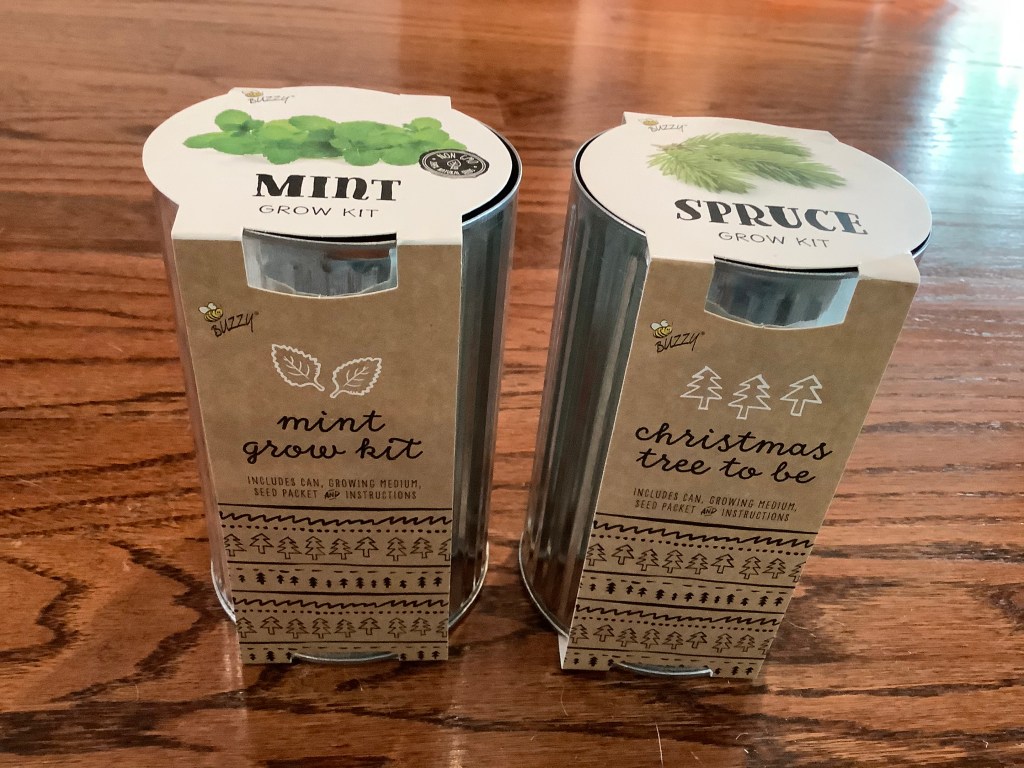
Hello! Today I am going to try out a couple of buzzy grow kits. I got the mint one and the spruce christmas tree one. I got this one as a gift from a friend (!) but you can also get similar ones on Amazon. Lets get started!

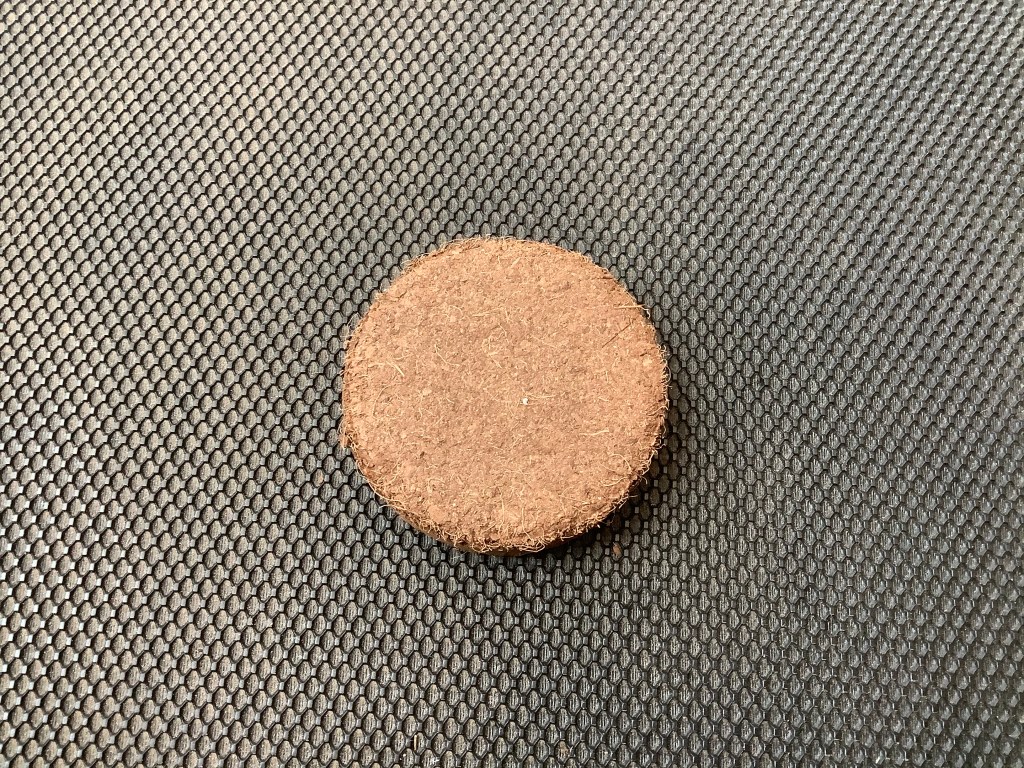
First I read and took off the cover on the spruce kit. It came with a seed packet, 3 expandable soil pellets, and the container it came in. Here are a what one of the soil pellets looked like:

To start, you are supposed to expand the pellets by putting them in a container with water. Then, you fill your container. I saw that the three pellets only filled a little less than two thirds of the container. So I took two of the mint kit’s soil pellets and finished filling it with those. After the container is filled with soil, you bury the seeds. This particular kit came with around three. I hope they germinate!

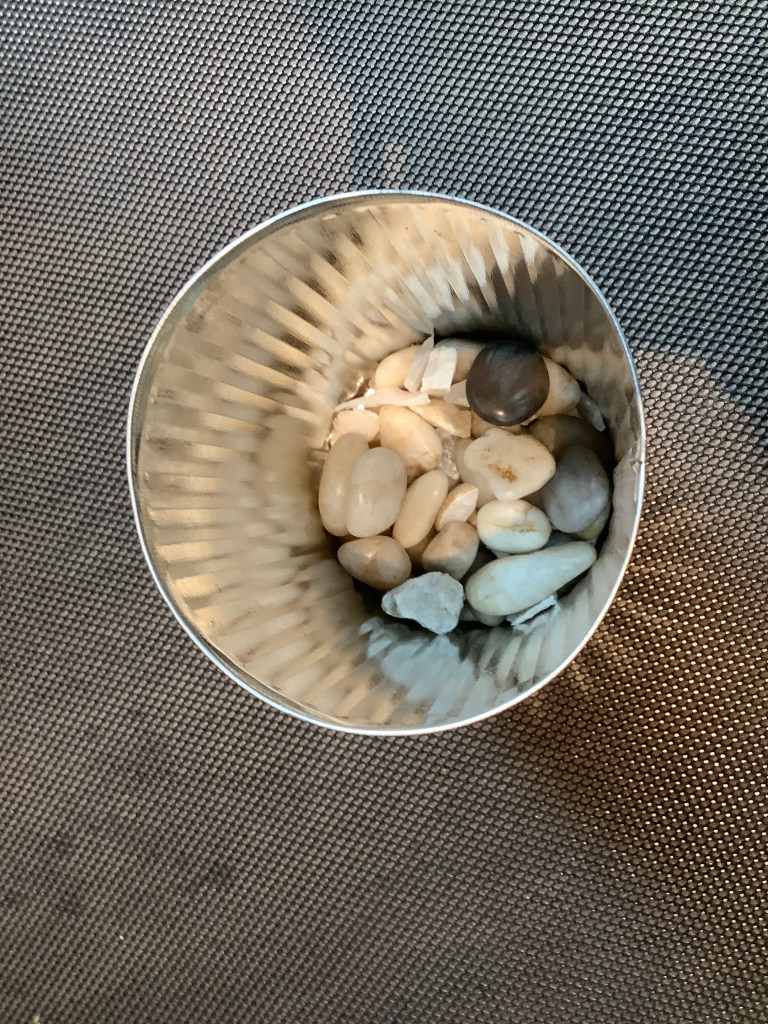
Now it’s time to do the mint kit. Because I used most of the soil that the mint kit came with for the other one, I filled the mint kit with my own potting mix. And, just because I already had my gardening stuff out, I put some rocks for drainage at the bottom.

And lastly, I planted the mint seeds and then watered it down.

I hope you enjoyed this post! Once these grow, I will post an update.
Bye!
How to grow mason jar herb garden!

Hi guys! Today I am going to start a series about growing a garden indoors for people who don’t have an outdoor garden and/or for anyone who wants to grow a garden indoors. Let’s get started!

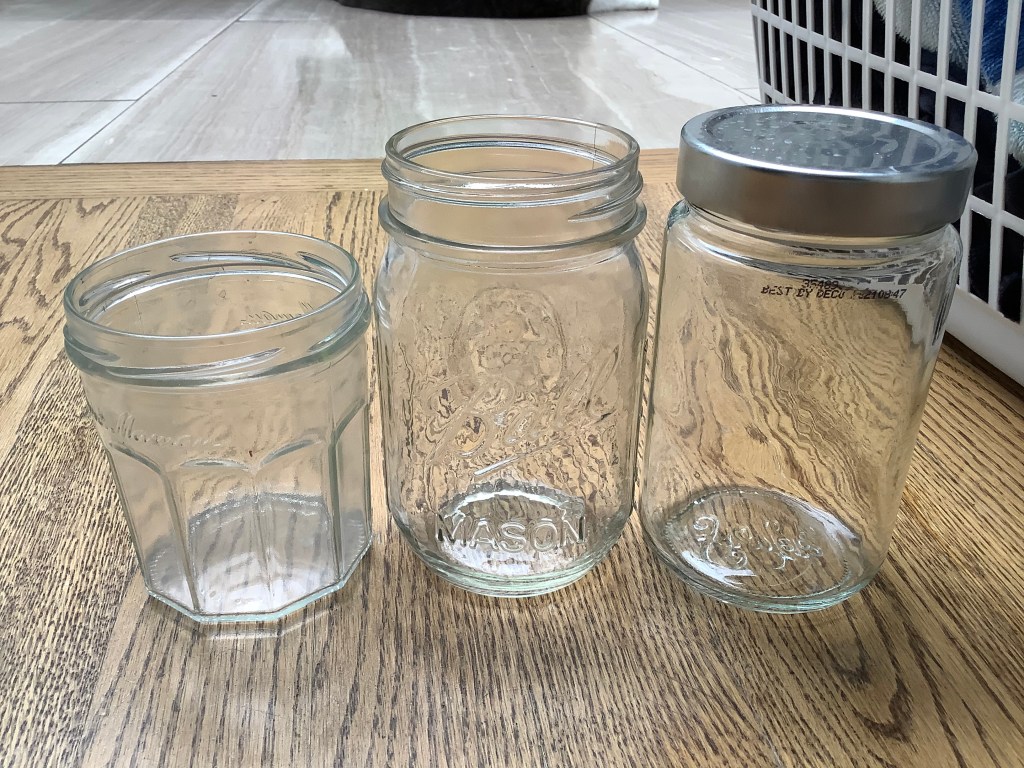
The first step to grow herbs in mason jars it to (obviously) get a mason jar. Your mason jar could be anything from a cleaned jam or salsa jar, to a store bought jar. I like to use recycled jam, salsa, etc. for growing my herbs inside.

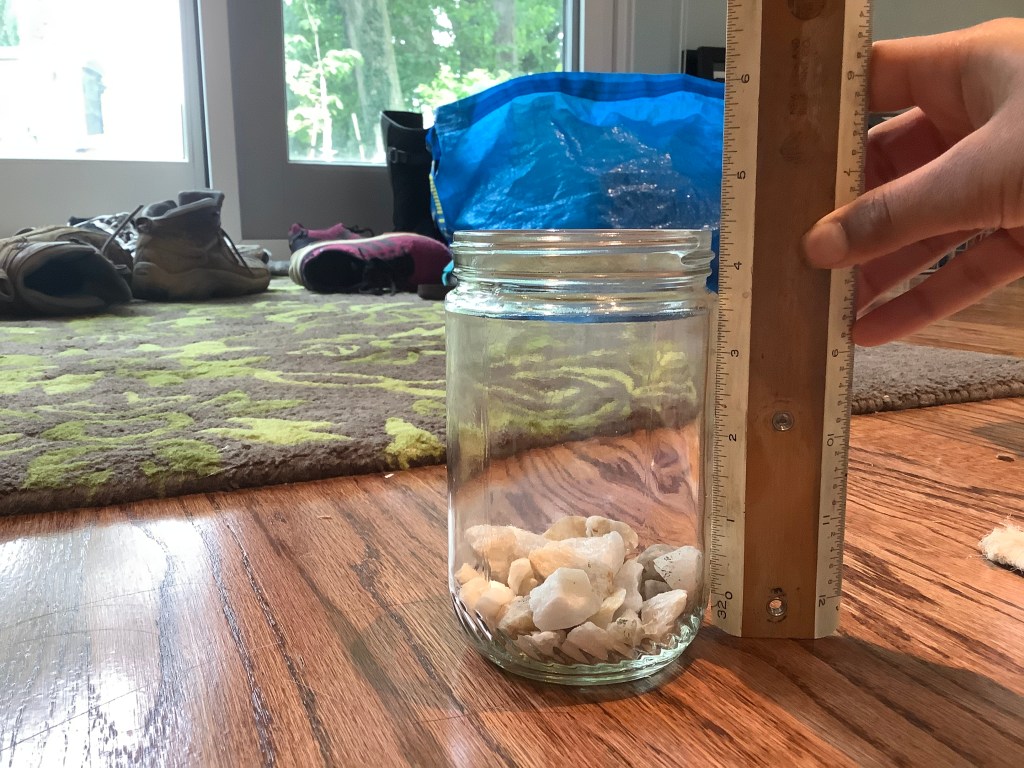
Next, we need some soil and drainage material. The drainage material helps to hold the excess water from the plant‘s soil so the roots do not rot. Drainage material can be rocks, shells, or broken terra-cotta pieces. When you get your soil, it’s important to buy potting mix because if you just get it from outside, it can have bugs, other seeds, and more things you don’t want in your mason jar herb garden. To fill your mason jar, place your drainage material on the bottom to about 1/2 to 1 inch high.

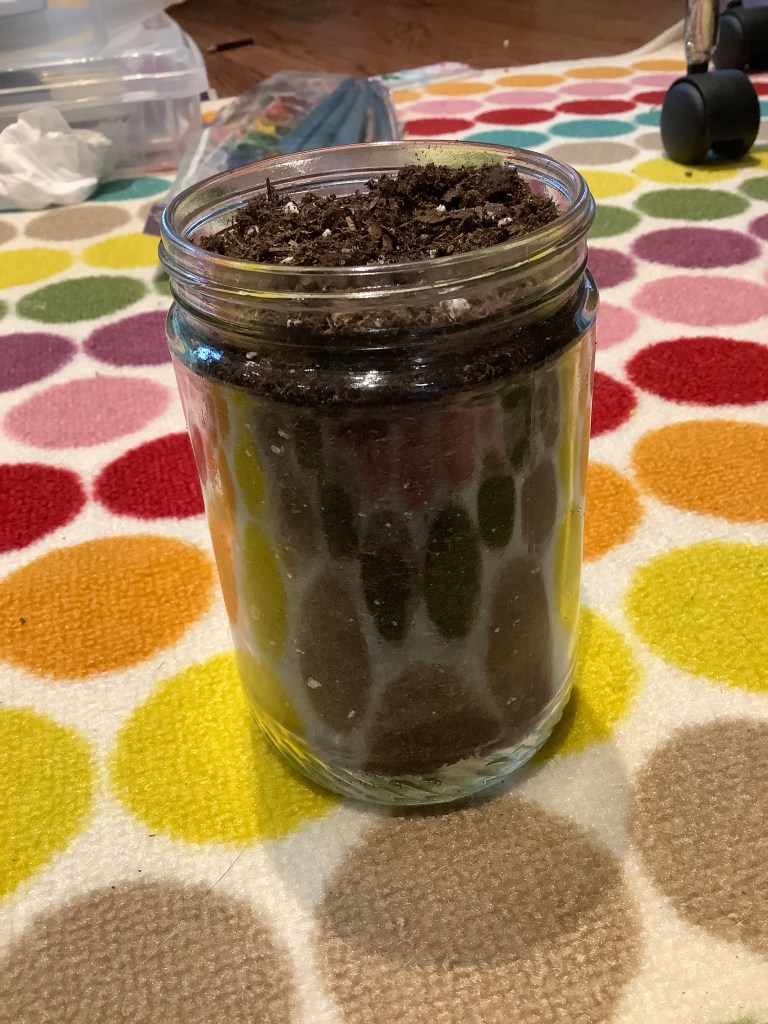
Then, take your potting mix and fill your jar till the soil level is around where the cap screws on.


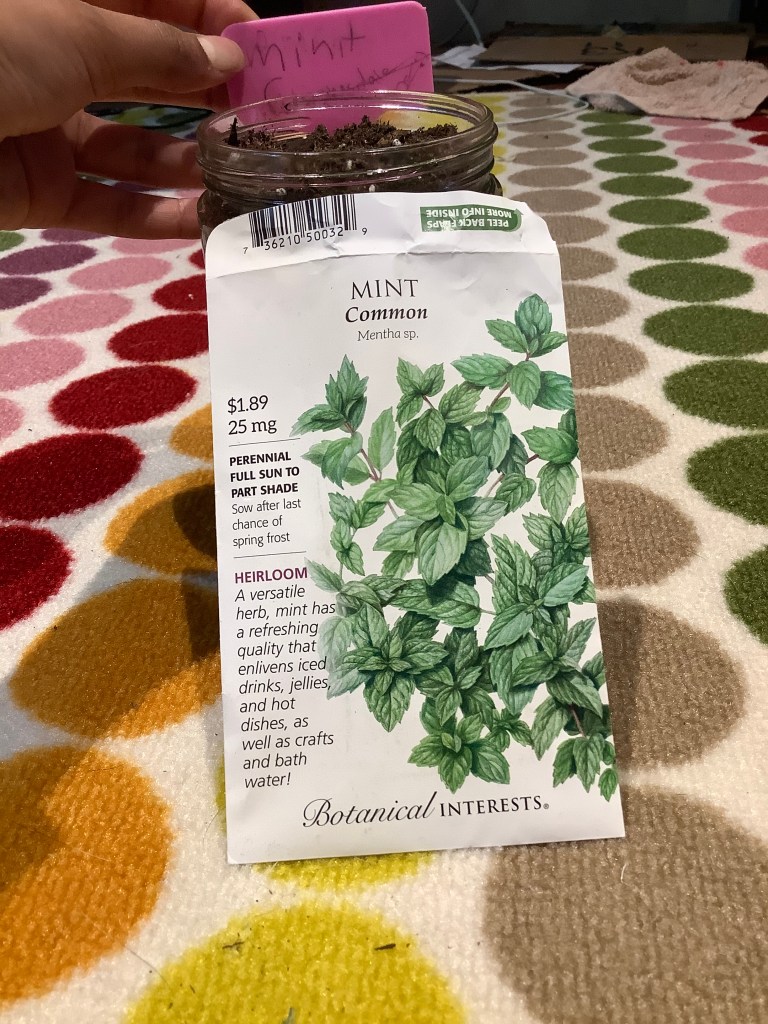
After your mason jar is filled, chose the type of herb seeds you want and plant them according to the packet they came in. Plus, don’t forget to label your jar so you know what is inside it!

After you plant your seeds, gently water them and place your mason jar in a sunny area. Most herbs like full sun, which it 6+ hours of sun. Depending on how big your mason jar is, you should water your plant every other day to every day.

Thanks for reading today’s post! Keep a lookout for an update on my herbs, and my next post. See you then!

How to set up a watercolor pallet! (Part 2)

Hey guys! I am going to try a new posting schedule – every Friday and Monday. Plus if I have the time, I might add extra posts in the middle. Now let’s get started!

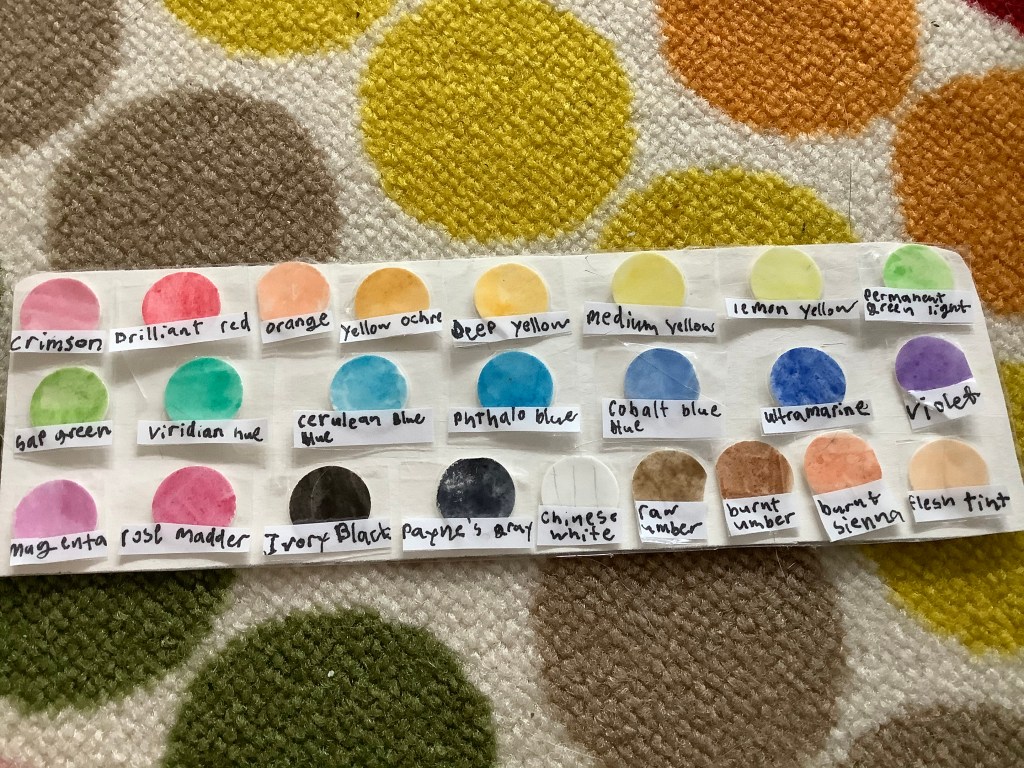
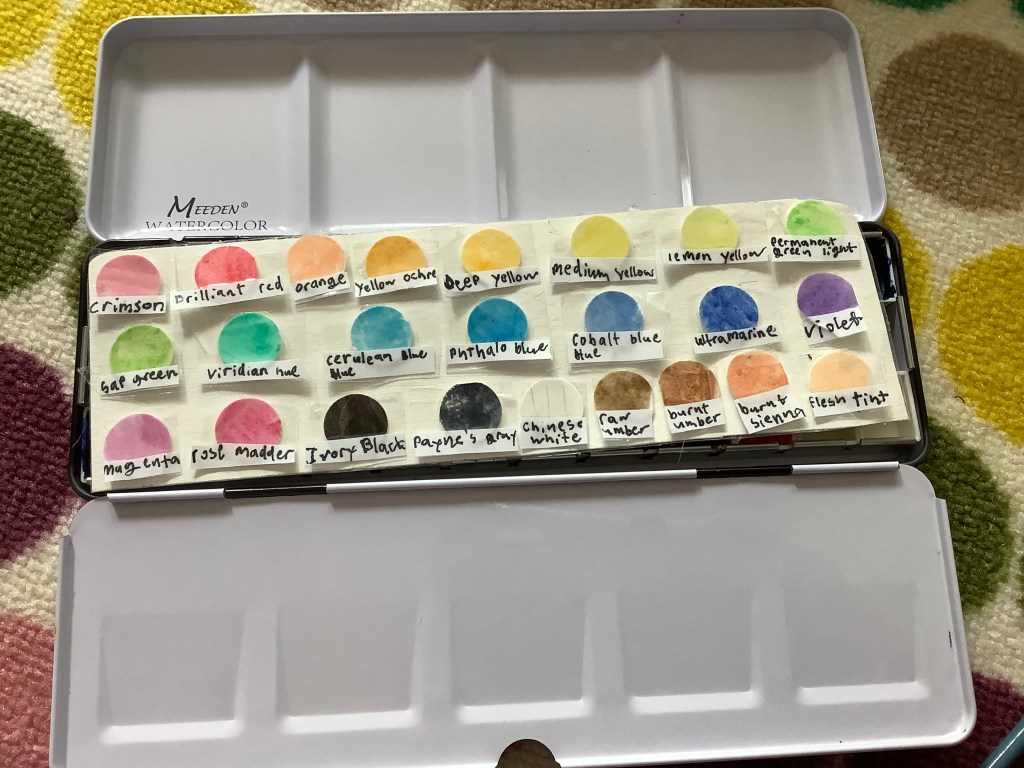
It’s time to finish setting up our watercolor pallet! Today we are going to label our colors and make a color reference. Labeling your colors makes everything easier because that way it’s easy to match your colors to your color chart. Plus, the color chart is important because when the watercolors in your pallet are dry, they tend to not look the same when they are painted on paper.

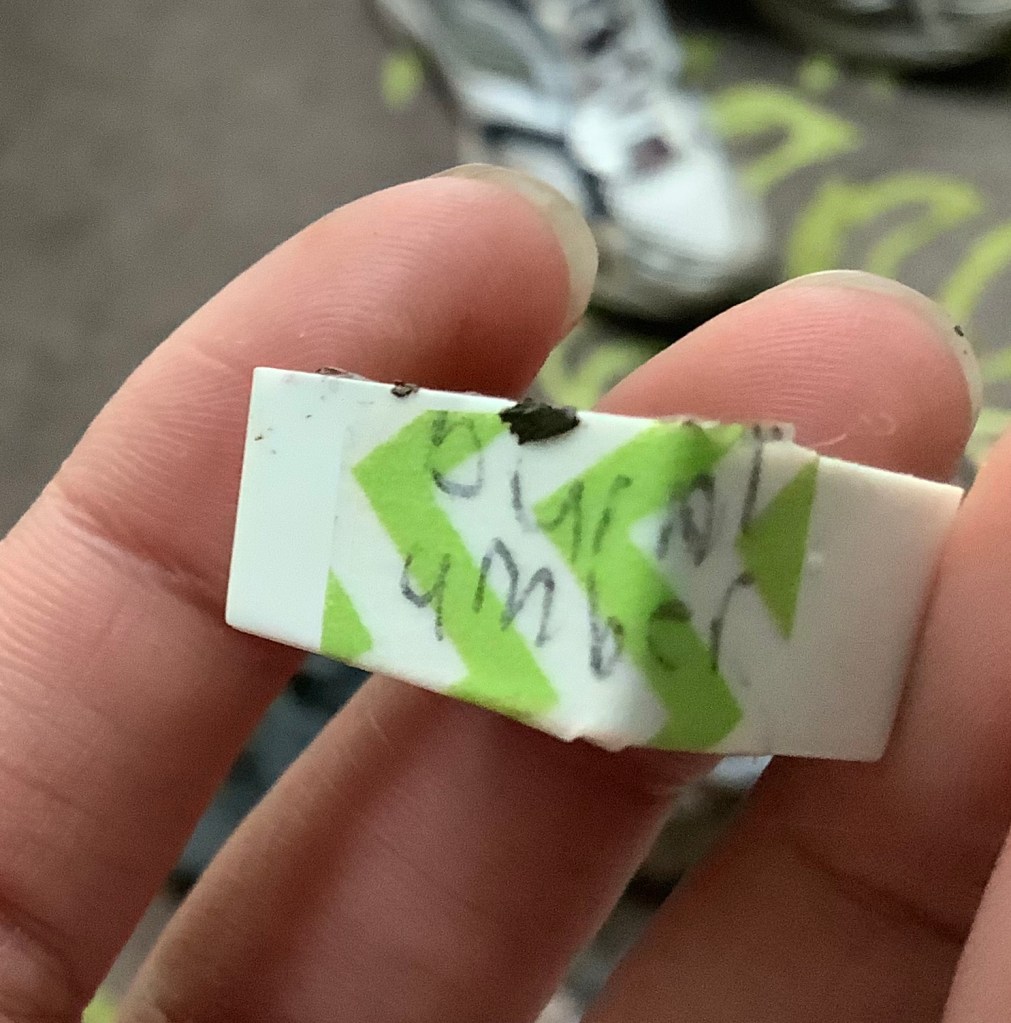
First, let’s start by labeling our pans. I used a piece of washi or masking tape and stuck it to the pan with the color name on it, so I can take it off and change the color if I wanted to.

Once that is done, it’s time to make our color reference or color chart!
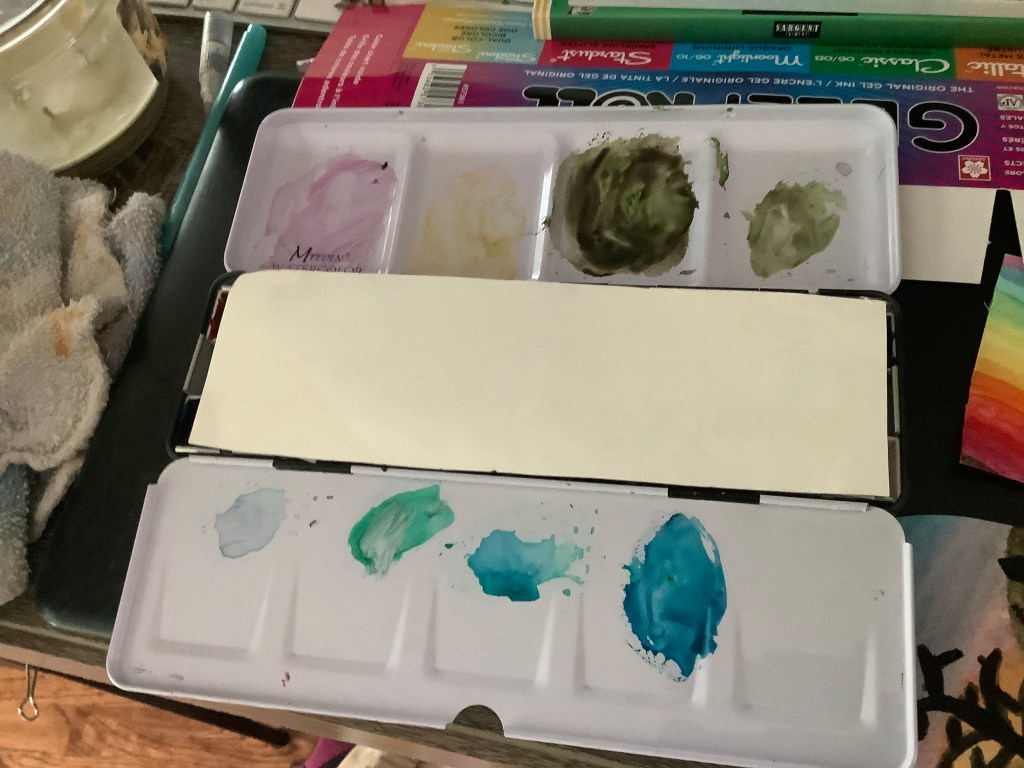
To start, cut a piece of watercolor paper that fits inside your pallet.

If you want to make yours simple all you have to do is make little swatches of each color in the order you want them in your pallet, and once they’re dry, you can just write the color names.

I like to take mine to the next step, and make it adjustable and waterproof! If you want to learn how to do that, keep on reading.

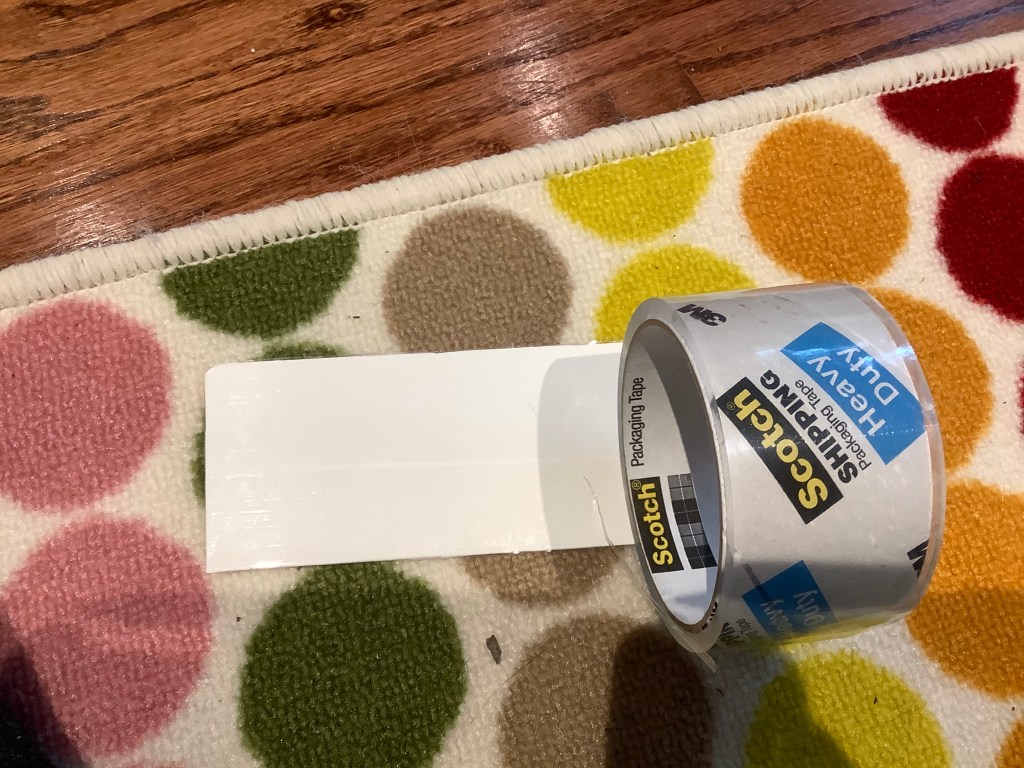
Now it’s time to make our more complicated color reference. To start, cut a piece of watercolor paper that fits inside your pallet. Then, on a separate piece of watercolor paper, Make all the color swatches and quickly write the color name so you don’t forget. Then, while that is drying, take the watercolor paper that is cut to fit your palate, and cover it with packing tape.

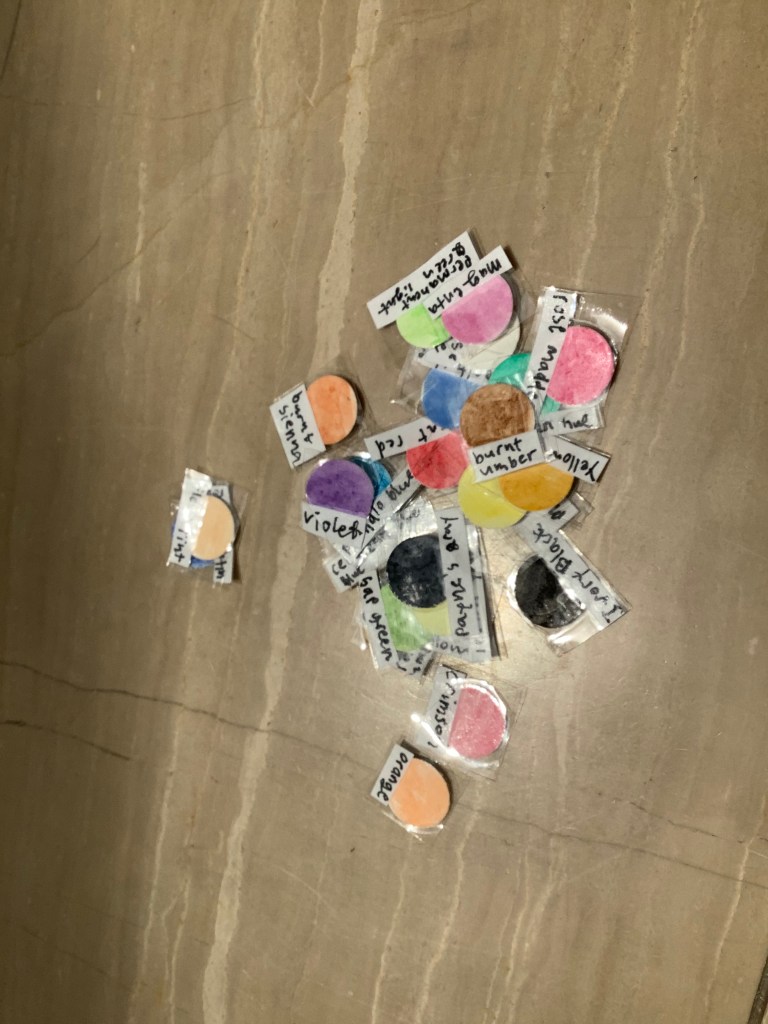
Once that is done, cut little color blocks out of your swatches. (If they are wet, they may tear) Also, write small color names to fit with your now cut out color swatches. After that is finished, take your packing tape, or normal tape, and “laminate” your swatches with their color tag. (Make sure that the back is also covered)

Next, take some glue dots and stick them on the back of your swatches and then put them on your laminated cut out piece of watercolor paper. Arrange them till you are happy with how it looks.

You can also make little tape rolls and use those as an alternative to the glue dots.

Once you have your color chart, you’re done! Now you can see what every color truly looks like, and have the ability to rearrange them without having to make a new chart! See you soon!
How to press flowers and leaves

Today we are going to learn how to press flowers. Pressed leaves and flowers are good for cards and crafts because if you press them properly, most flowers and leaves will keep their color for some time.

The first step to pressing flowers and leaves, is to (obviously) choose your leaves/flowers.

FUN FACT! You can press more than just flowers and leaves, but today I’m gonna show you how to press these. …..haha, get it? 🙂

The time in the day you pick your leaves and flowers is important. Make sure when you take your leaves/flowers, they are dry. Like after the sun has evaporated the morning dew, but before the evening rain shower. Also the leaves or flowers you take, should be relatively thin and not super thick. It’s OK if the flowers or leaves are thin and they’re in a 3-D shape, but the big, thick. Leaves and flowers just do not press well.

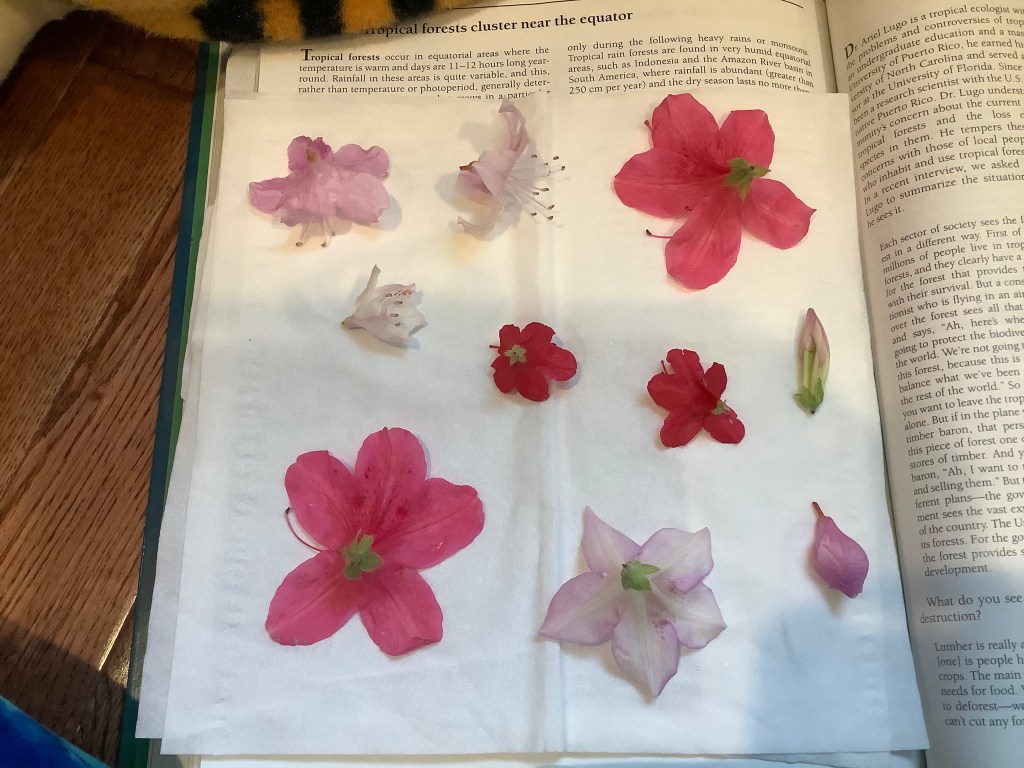
Once you have your things to press, take a heavy, thick book that is not important to you, (you can use multiple) and open up to the very last pages. Then, grab two tissues and place the first one on the page that you’ve opened up to. Once you’ve done that, you can take your flowers and leaves that you’ve decided to press and arrange them on the tissue in the way that you would like them to be dried. FUN FACT! Once they are pressed, most leaves and flowers are as thin, or thinner than paper! Here is how I laid my flowers out. The way you lay them out is how they are going to look once they’re finished pressing.

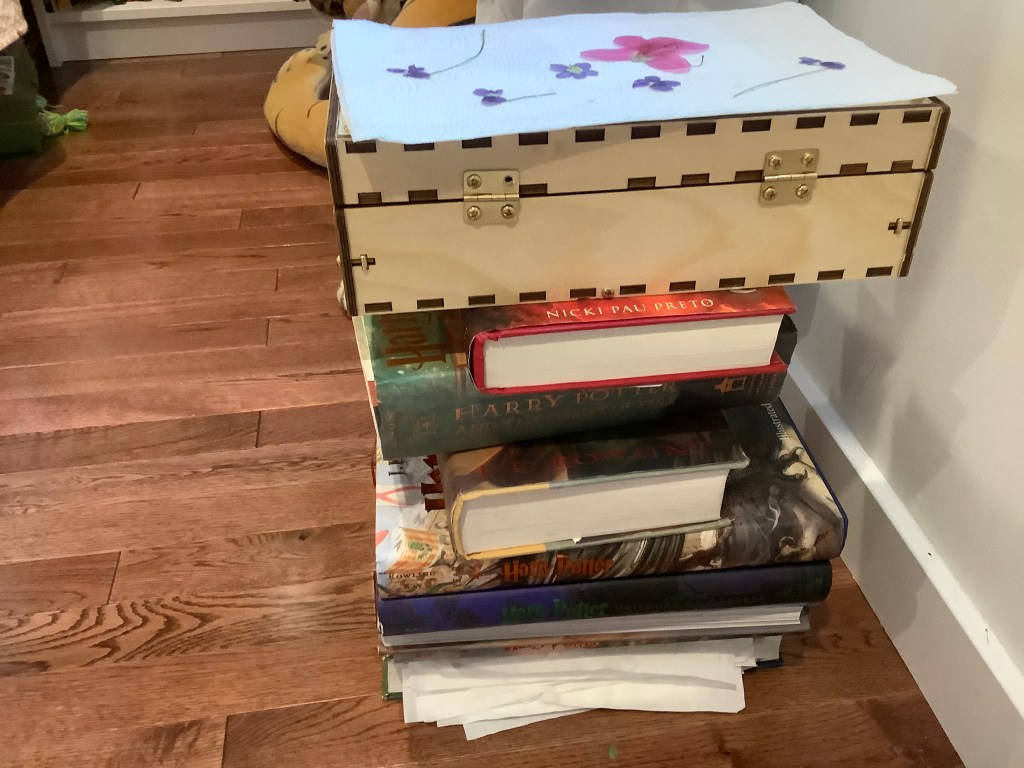
After you’ve laid out all of your flowers and leaves, gently place your second tissue on top of them and quickly close the book. If you have more heavy books, immediately put them on top of the book that you have your leaves or flowers in.

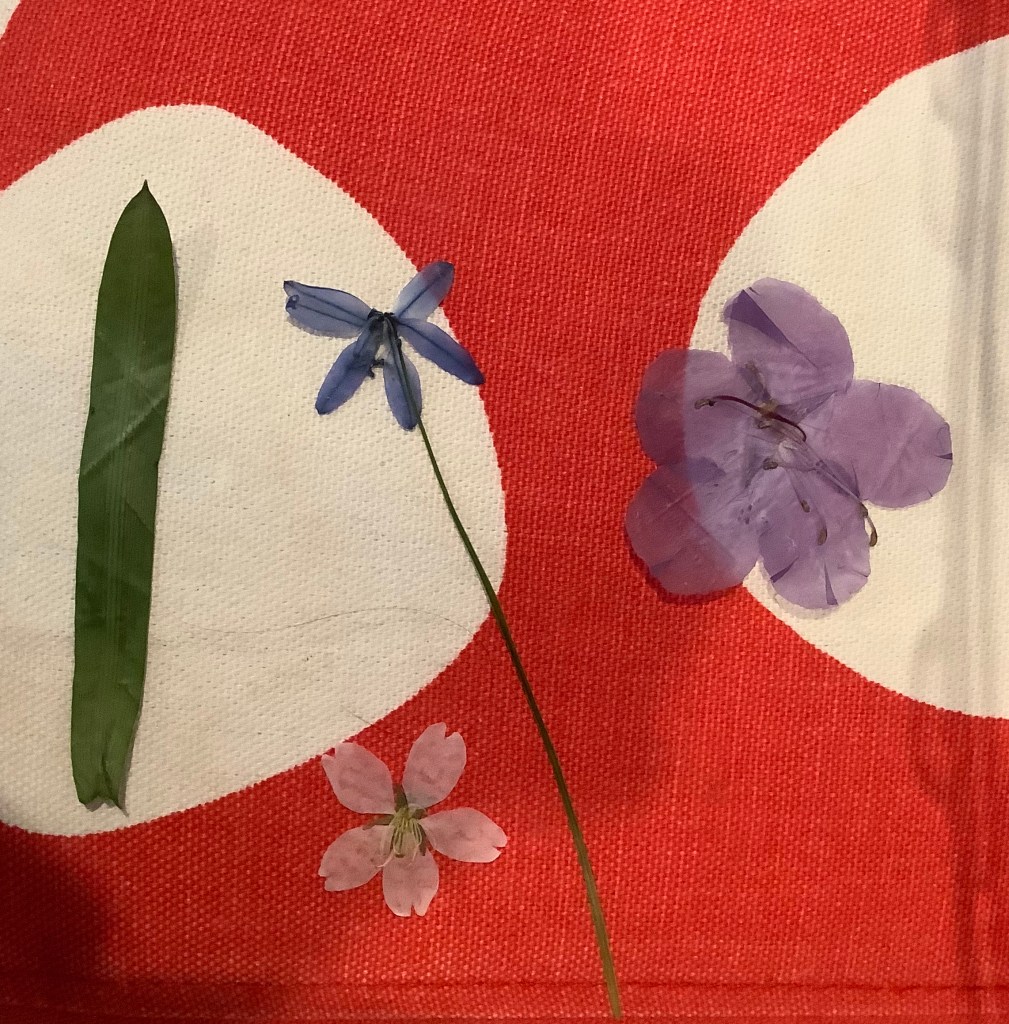
Most leaves and flowers take up to two weeks to a month to dry. It’s best to check on your leaves and flowers every week by opening the book and gently peeling them off the tissue to make sure they don’t stick. Once your flowers and or leaves are paper dry and paper thin, they are finished pressing! Here is how some of my flowers looked once they were pressed.

I hope you enjoyed today’s post! Keep a lookout for my herb drying rack tips and tricks coming soon!

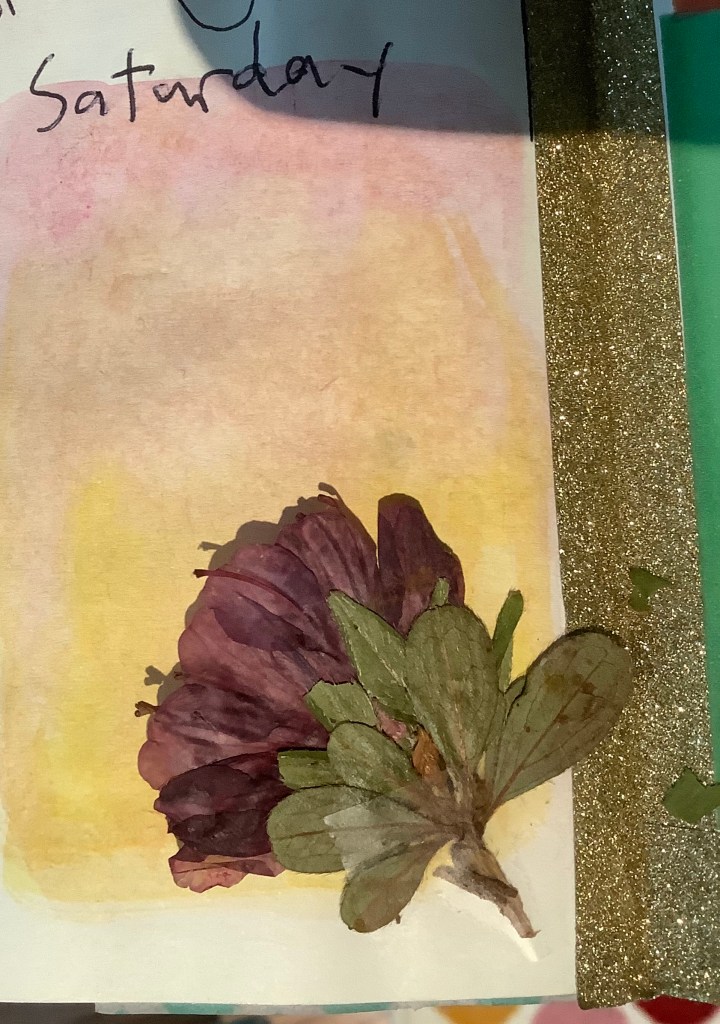
You can use pressed flowers and leaves to decorate journal pages like I did here. You can also use them on cards which can be useful especially because Mother’s and Father’s Days are coming up!