Hi everyone! Today’s post is a garden harvest/garden update post. Enjoy all of the pictures! Let’s get started.
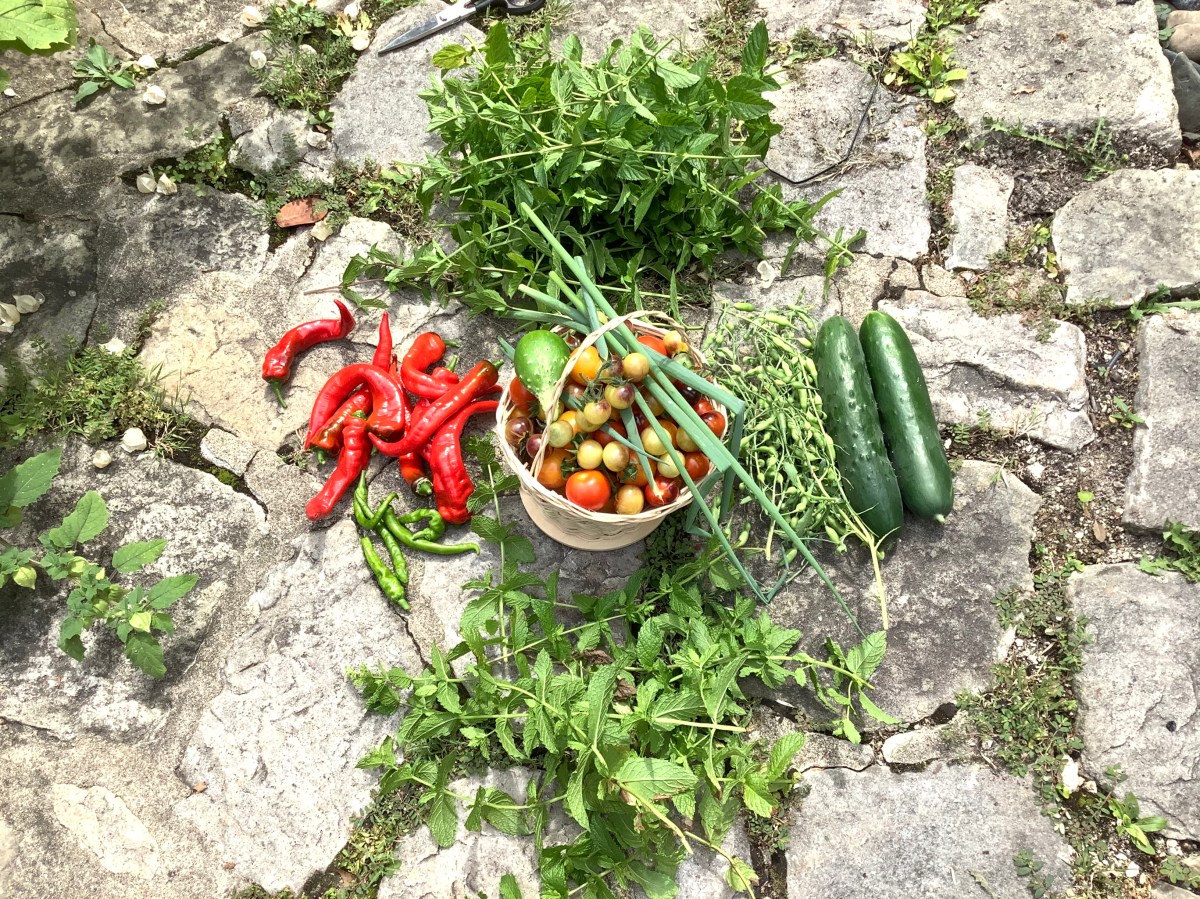
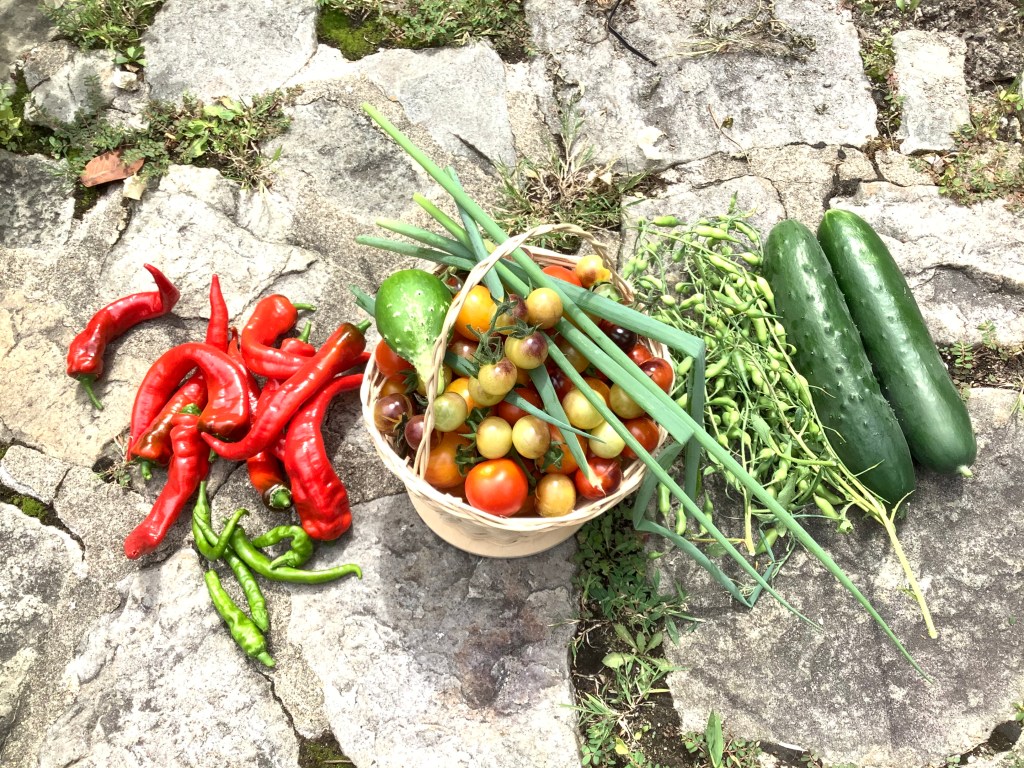
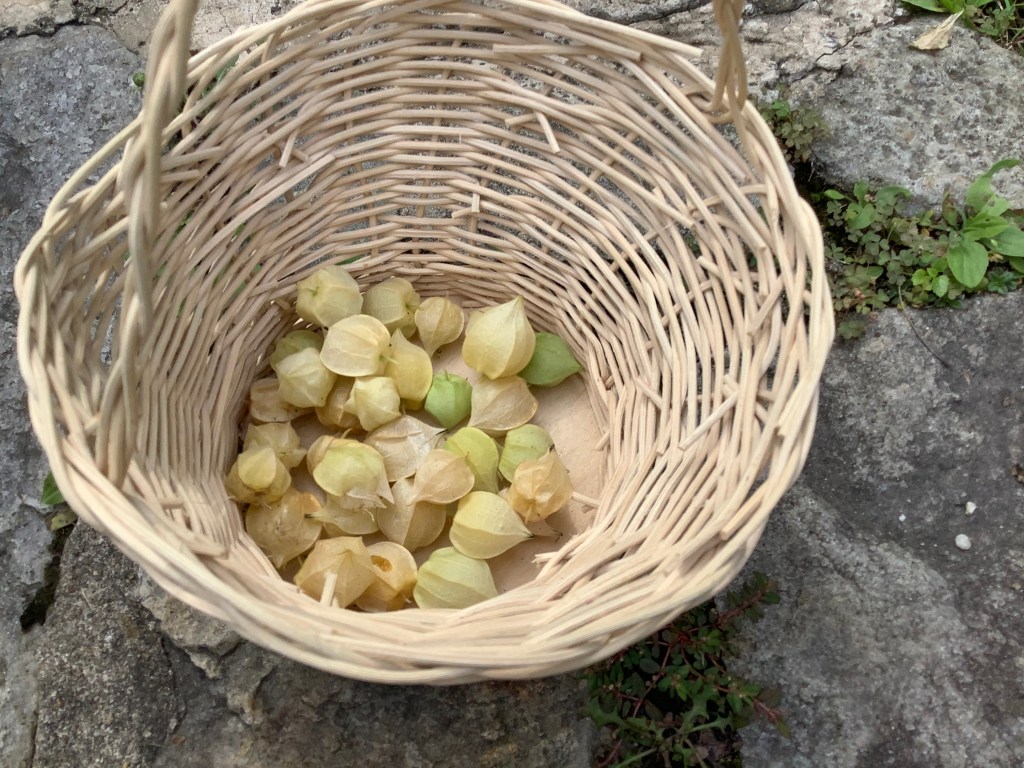
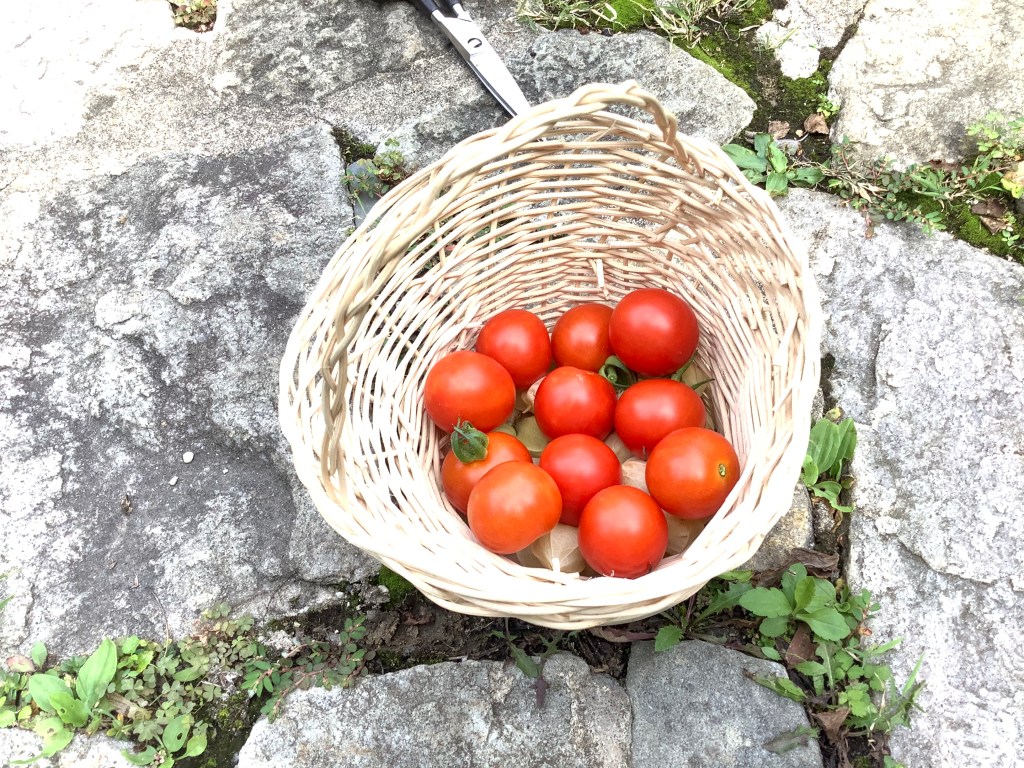
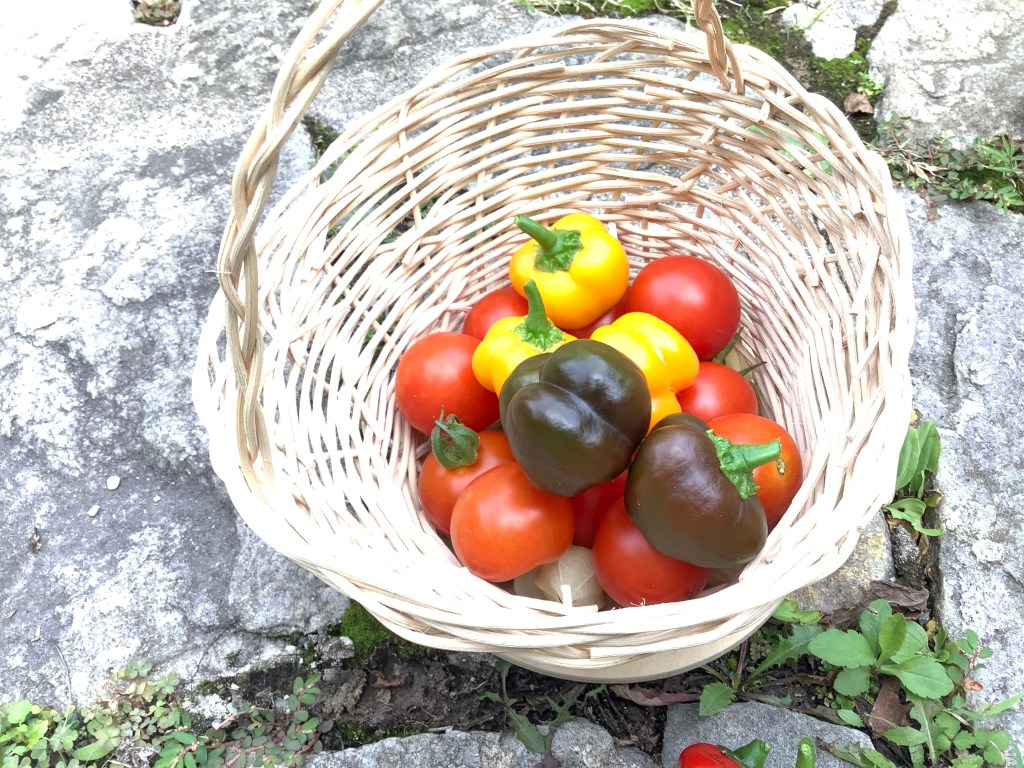
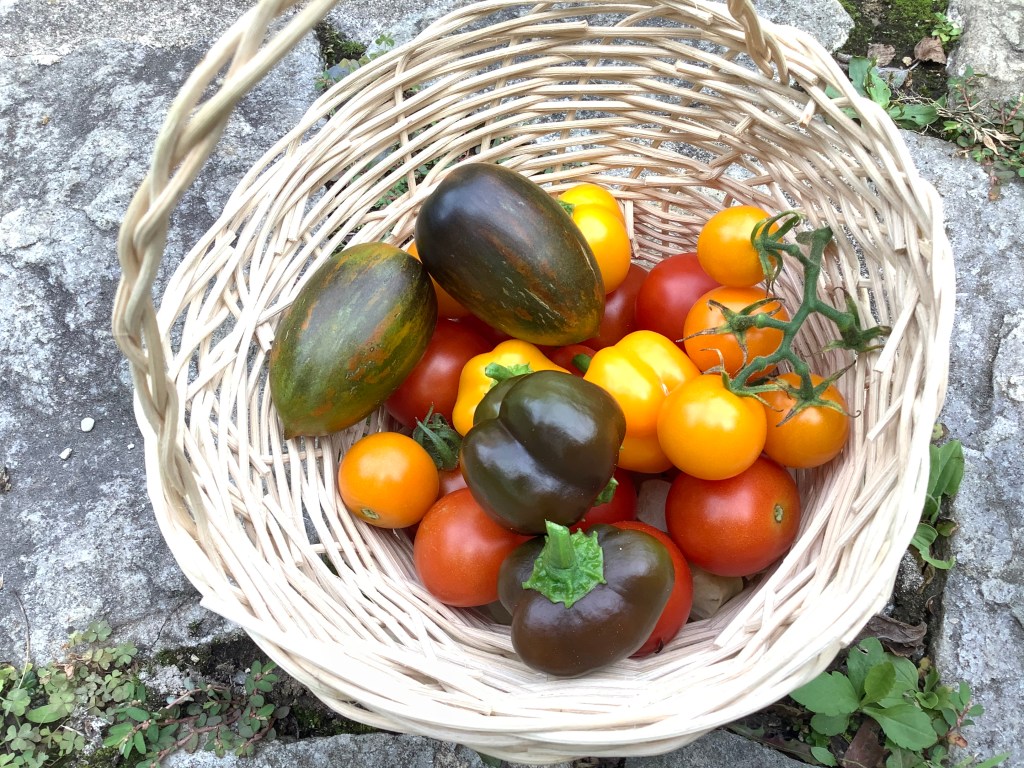
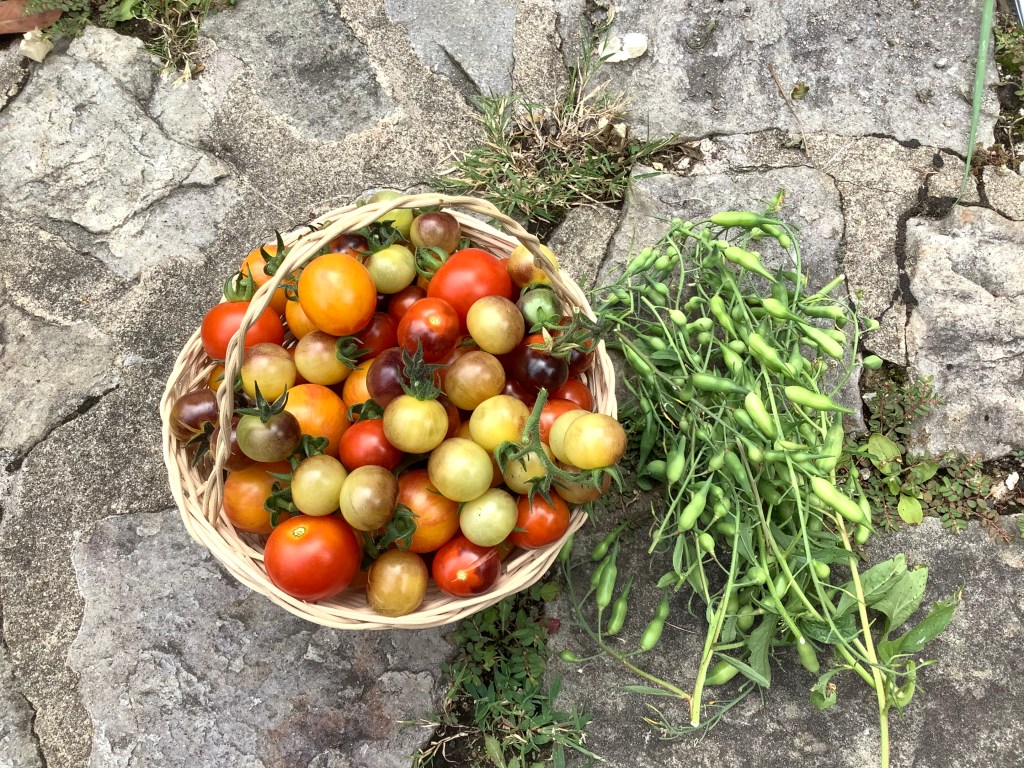
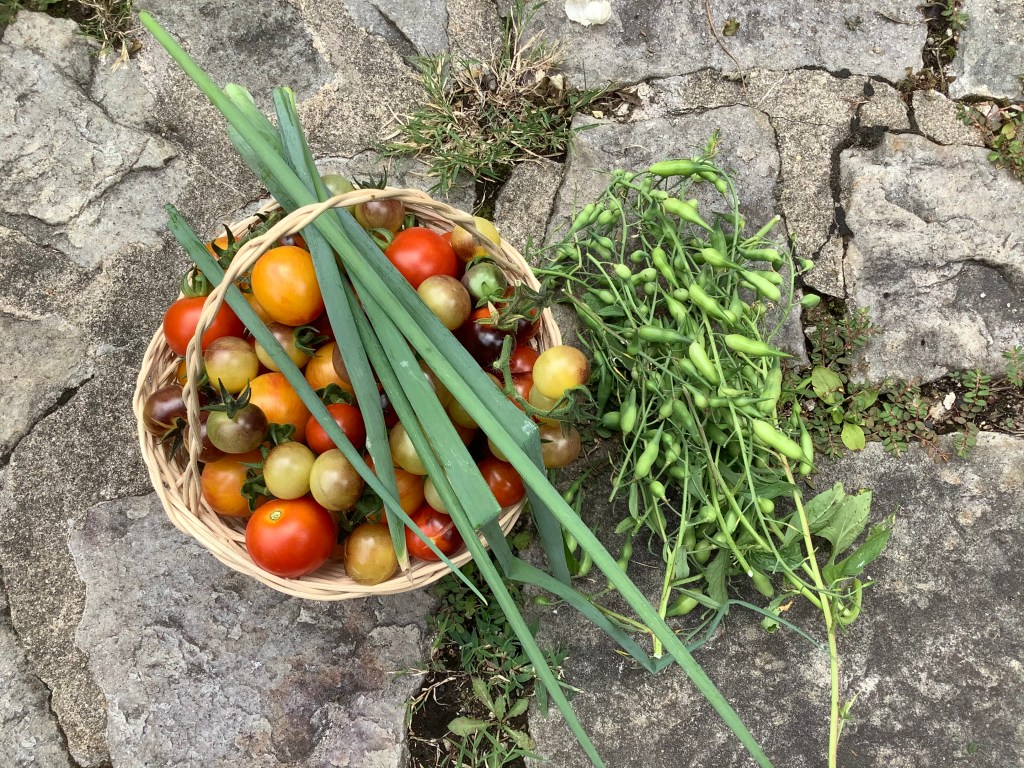
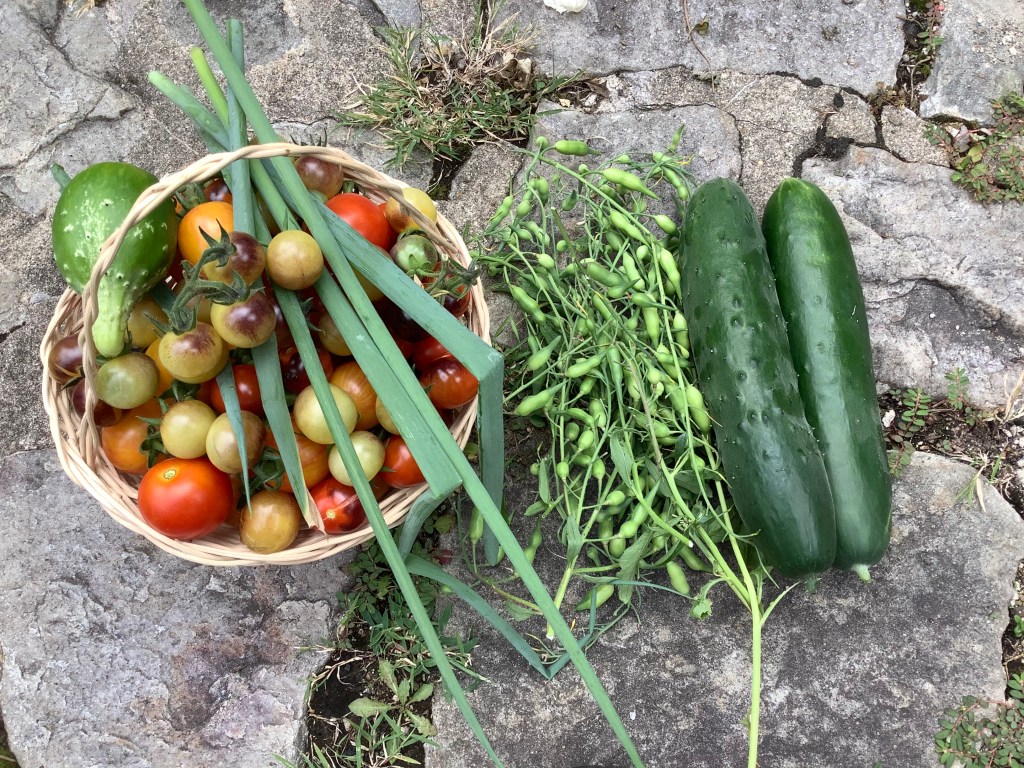
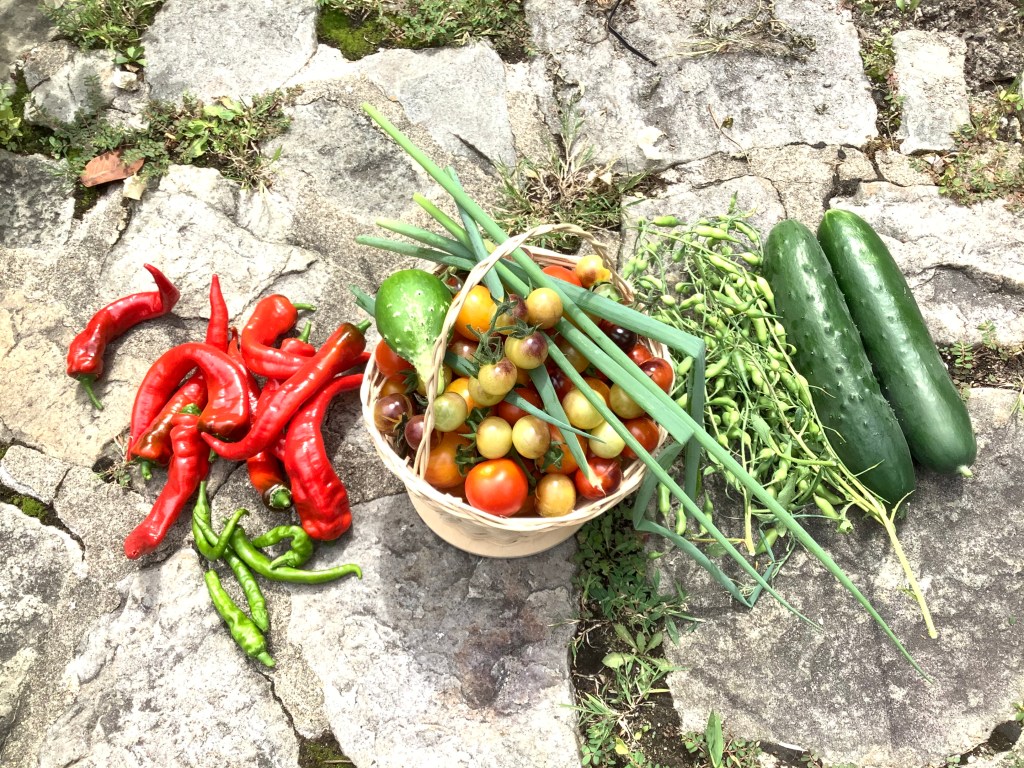
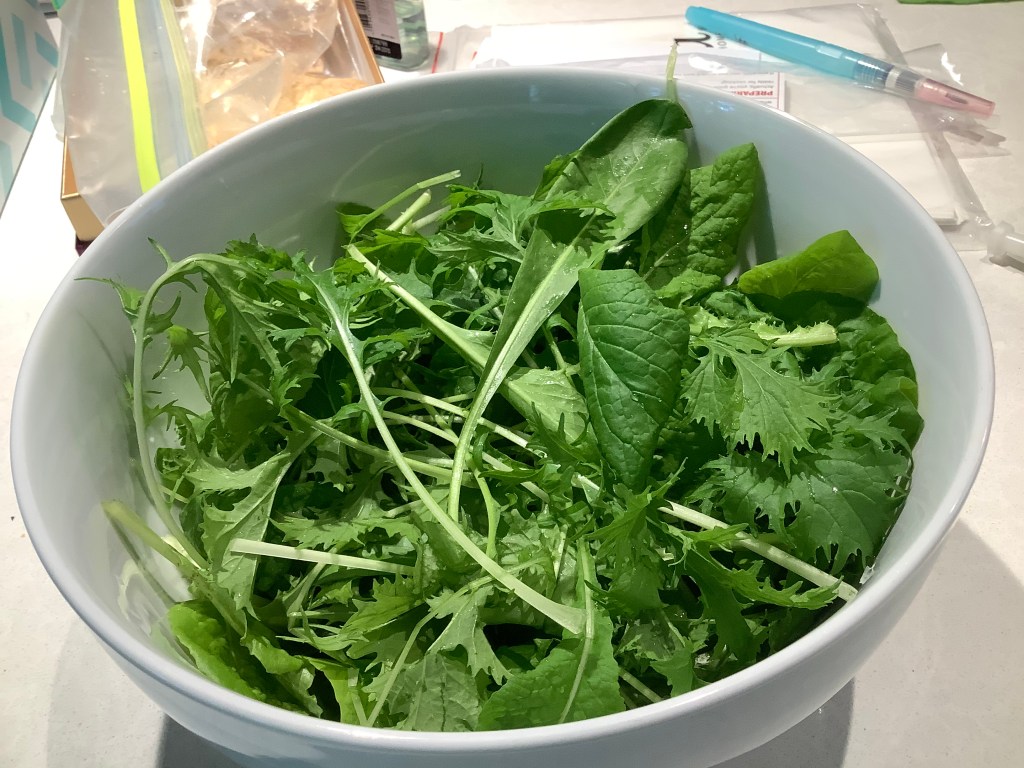
To begin, here is a picture of my harvest!
It is not a HUGE harvest, but its still a lot of food for my family to eat!
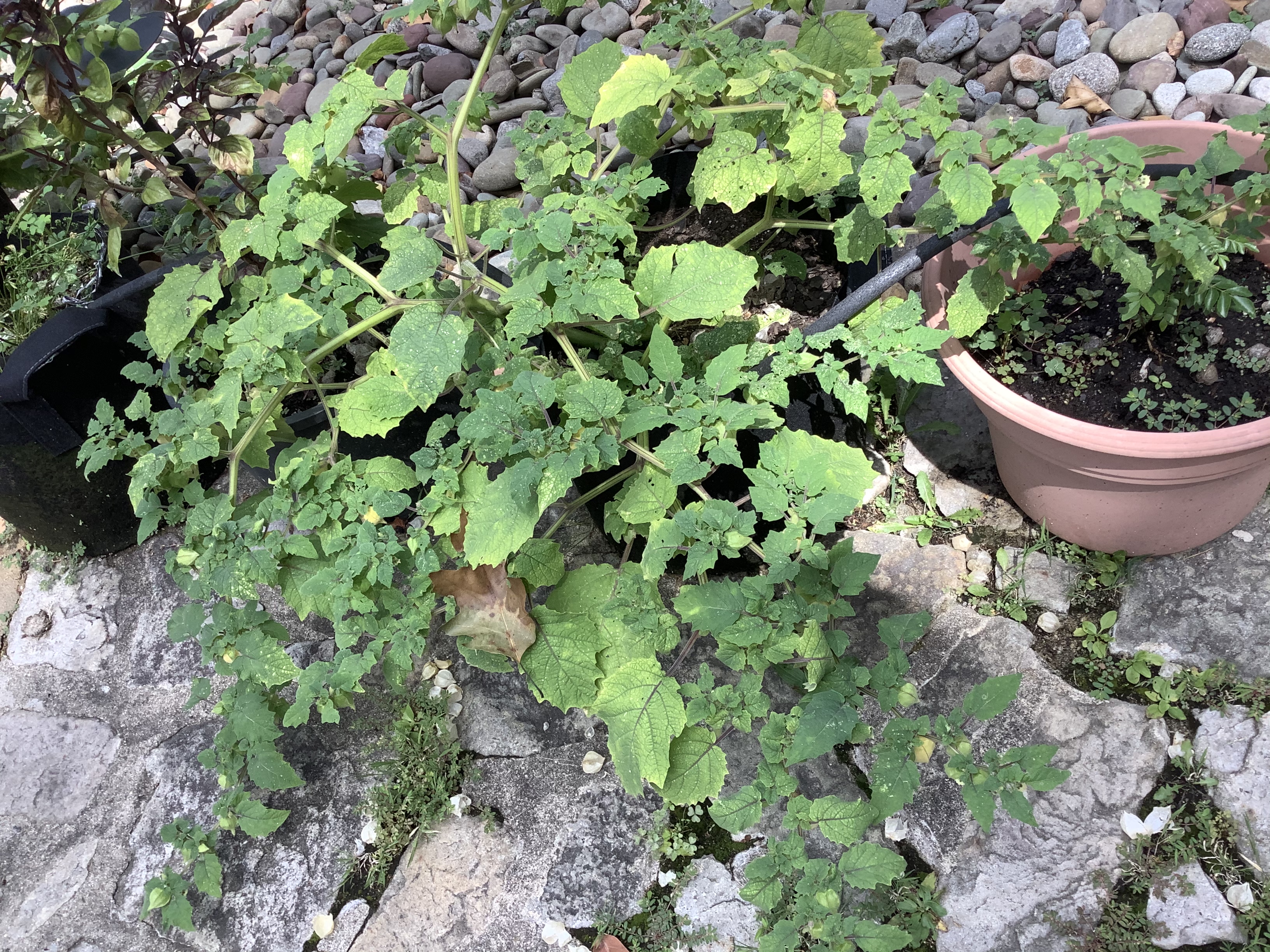
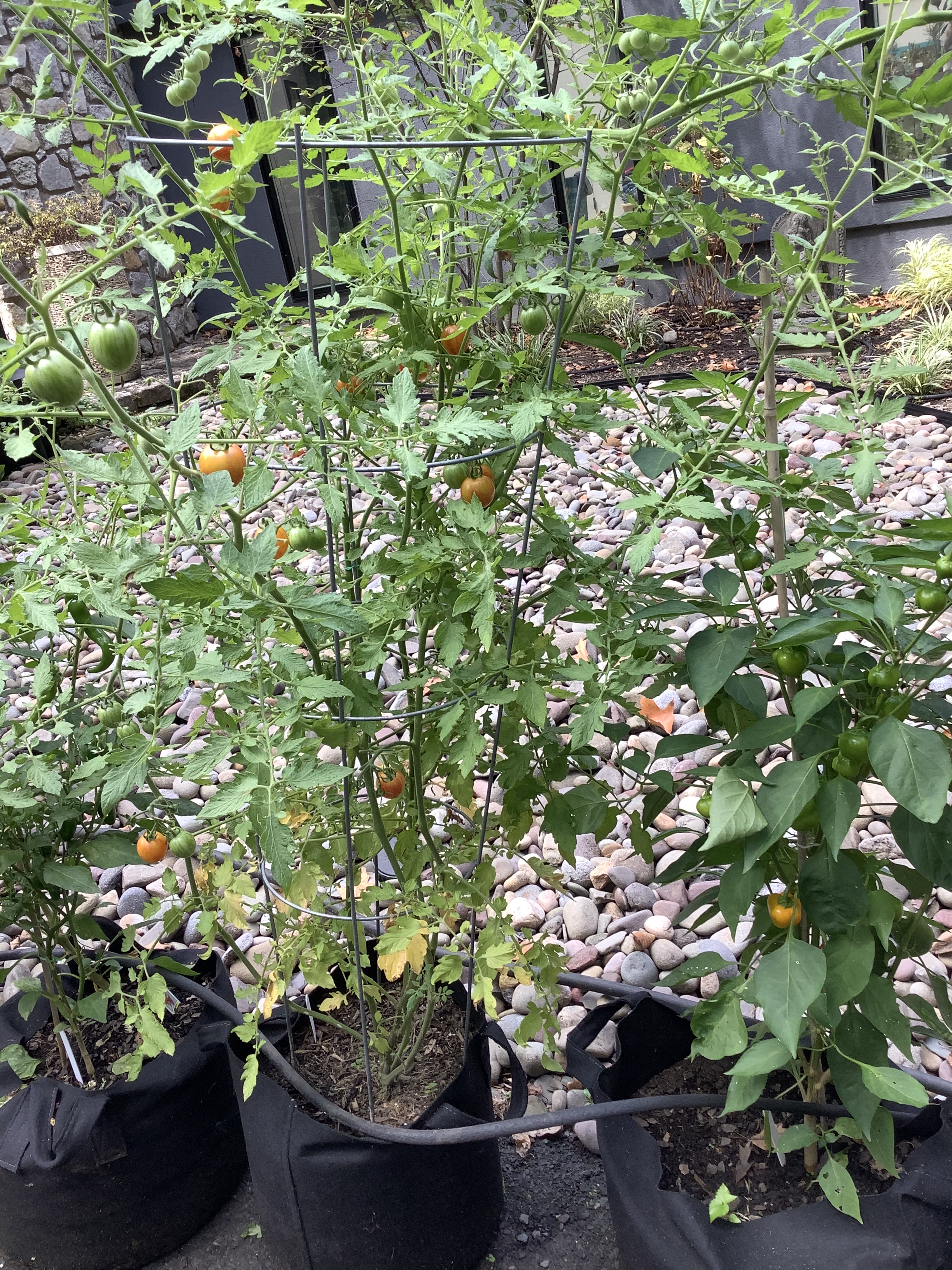
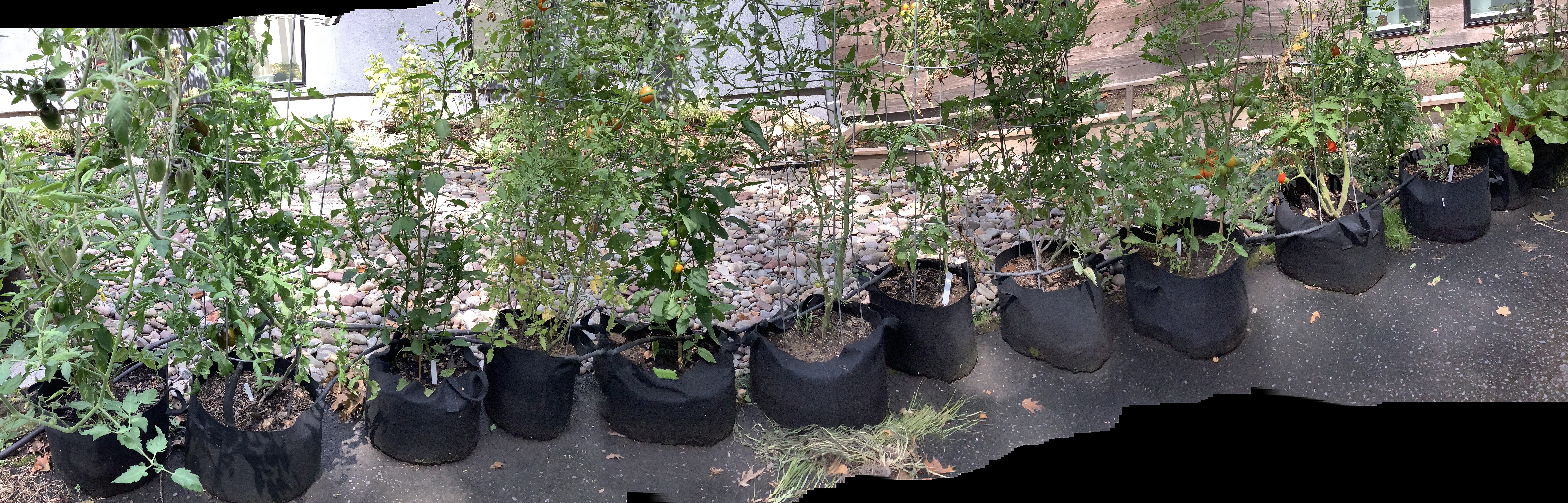
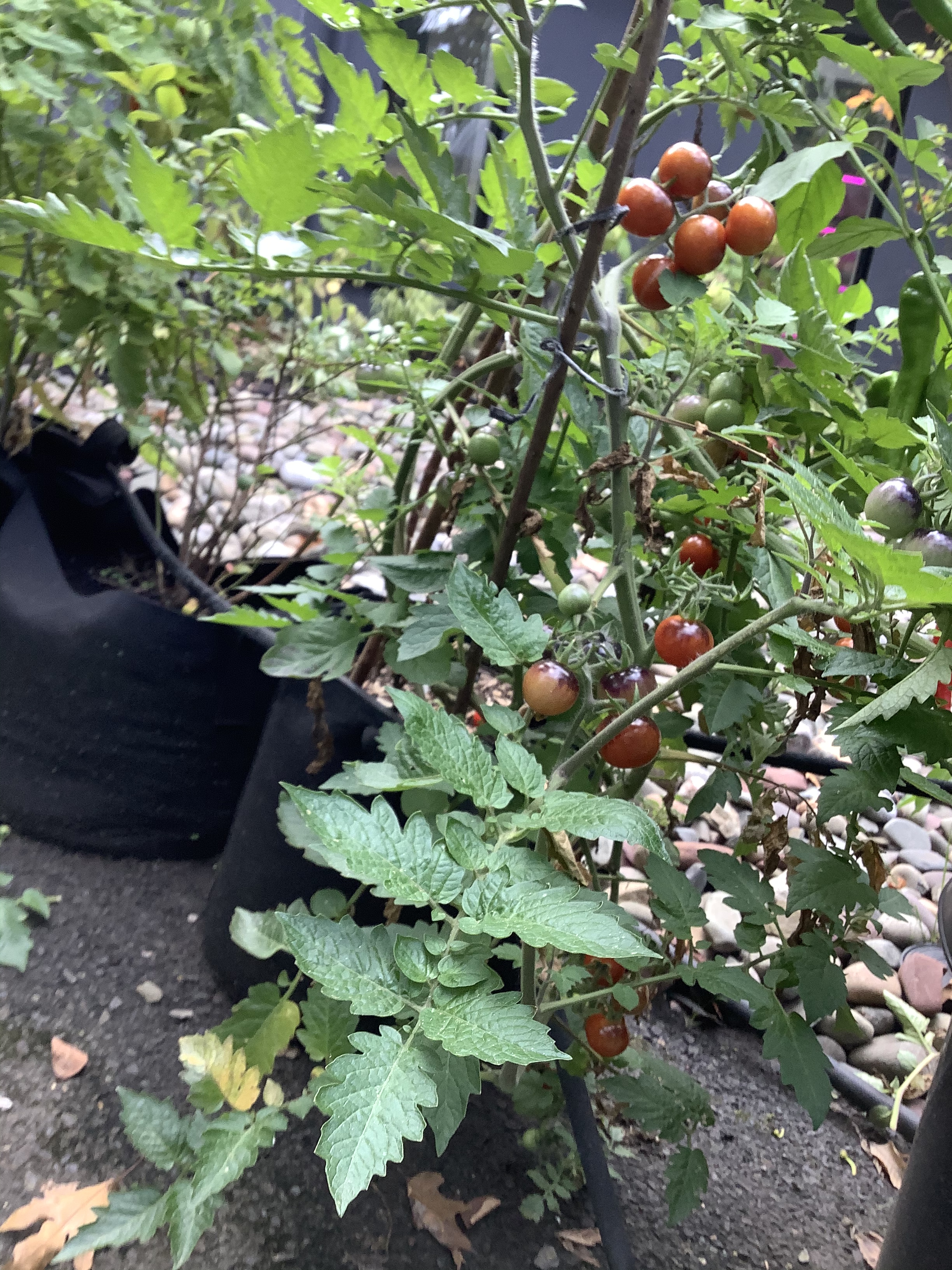
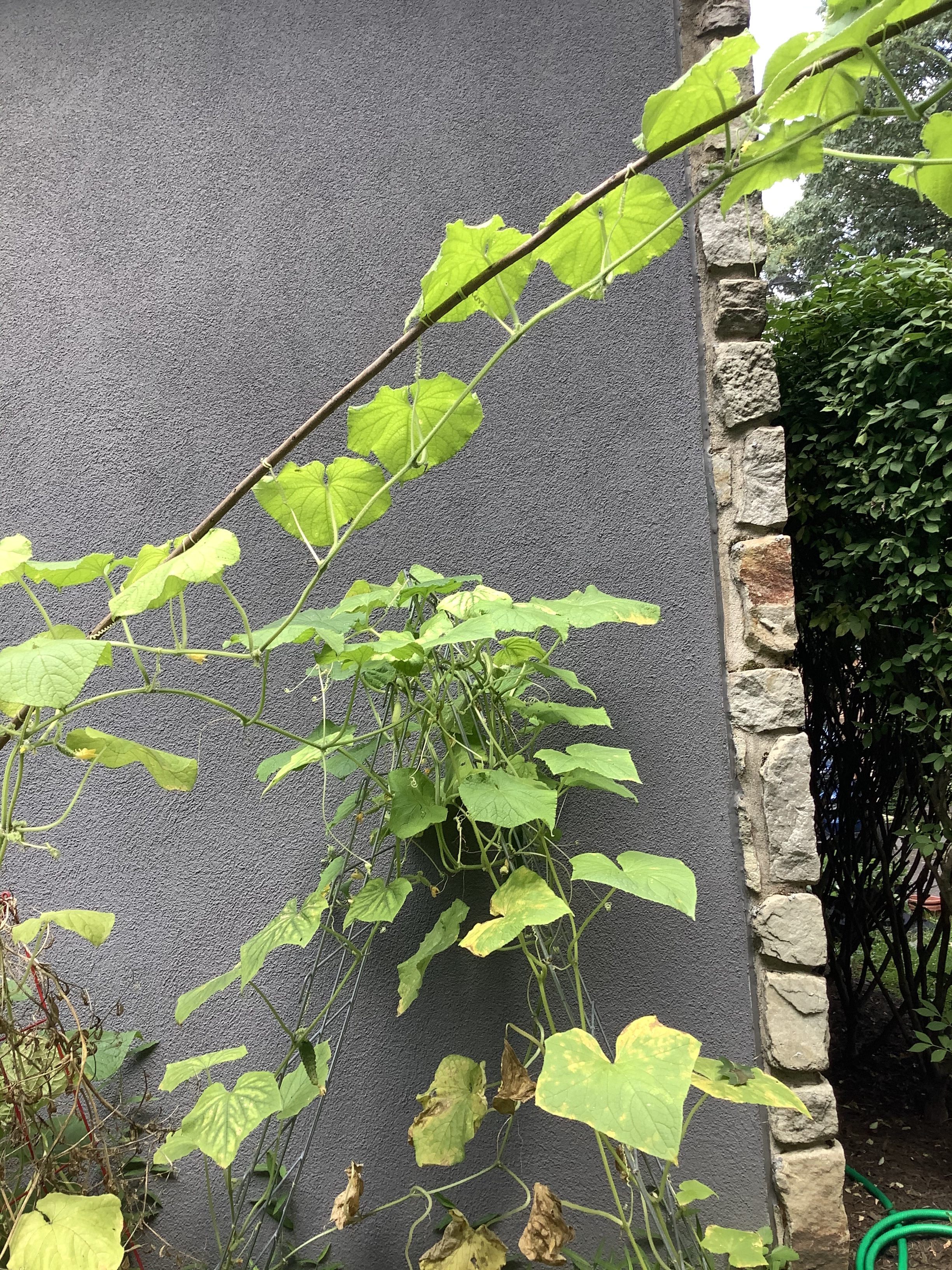
Almost all of our harvest came from our container garden, proof for how productive container gardens can be. The part of the garden where we harvested most of our seeds from is the front garden. Here are pictures of some of the plants that we harvested from!
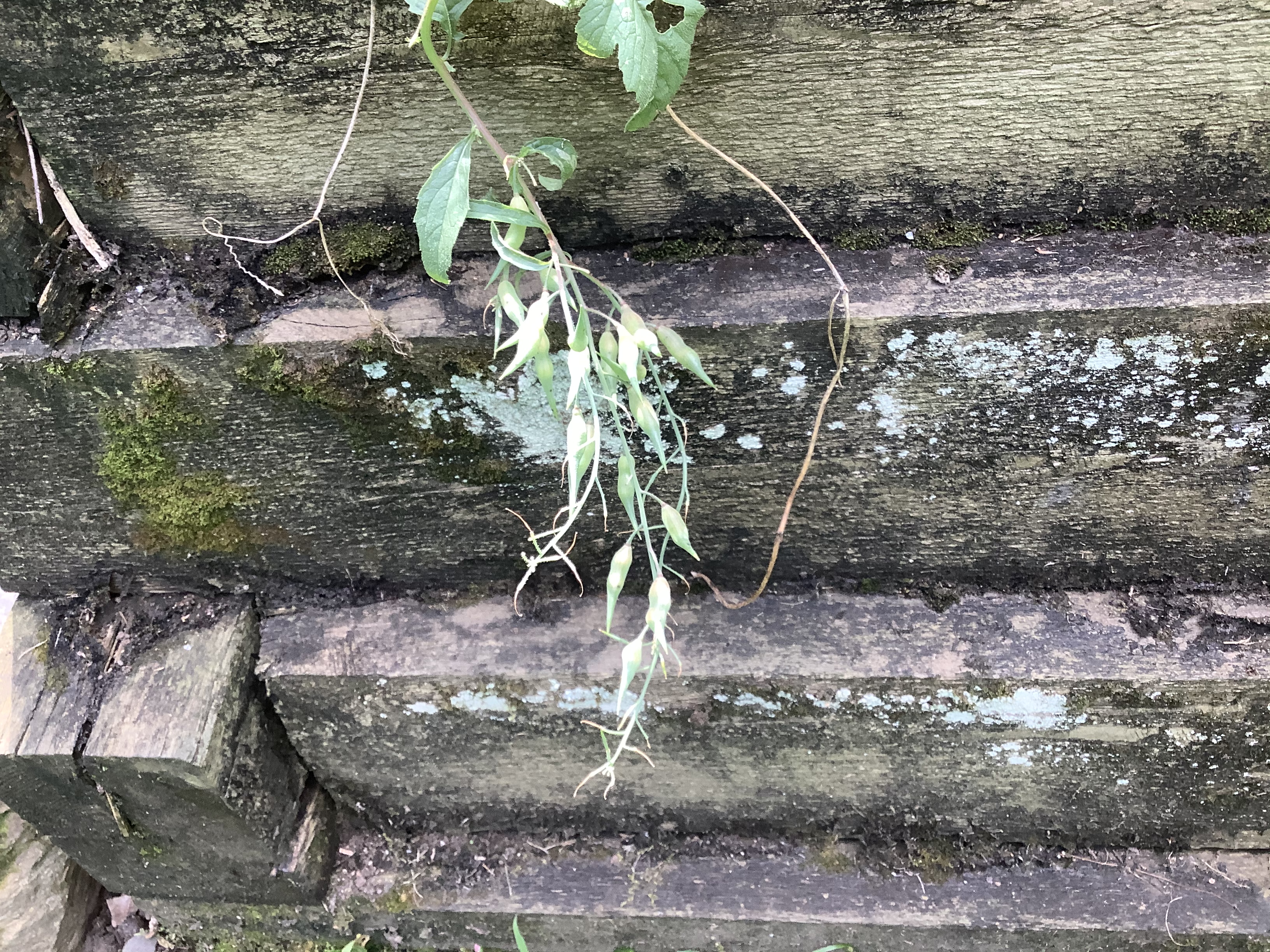
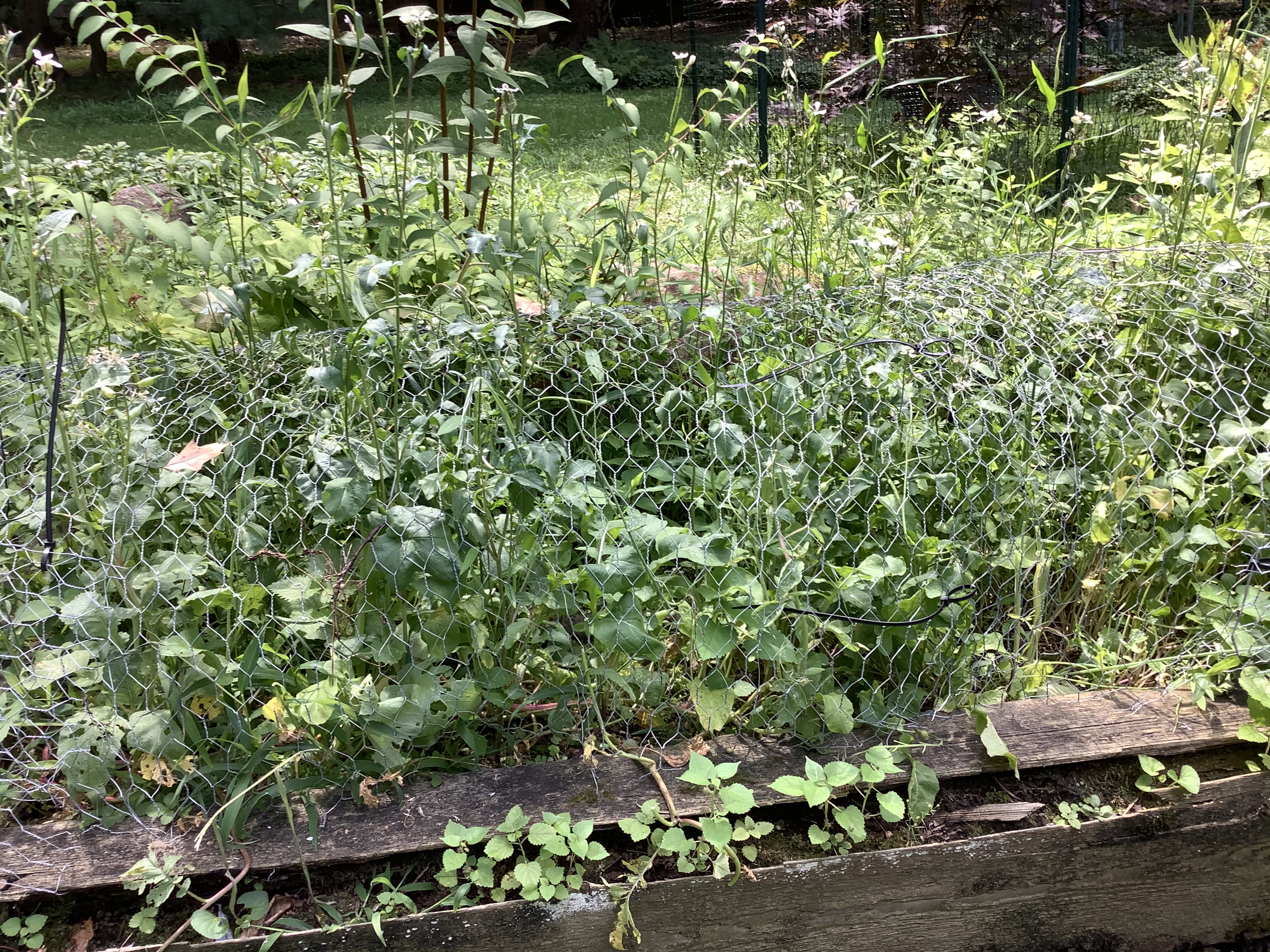
We also harvested a bit of food from the side garden. This garden does not get as much sun as the front garden, but we still get a good about of produce from it! Here are also some pictures of plants we harvested from.
Believe it or not, you can grow this too! Even if you don’t have a raised bed/lots of space to grow in, you can grow your food in containers, like me! If you want instructions on how to grow/start a container garden, check out my small space garden series! Here is a link to the first post:
That is it for today’s post! I hope you enjoyed it and got plenty of inspiration for your garden too! Bye!
In this series I am going to explain some of the gardening words that I use in my posts that you might not understand. This first post will be about differing plant needs like sun and water, and the words I might use to explain them. These explanations of garden vocabulary might be different than what they actually mean. This is just how I use these words in my blog posts. Let’s get started!
Sun & Shade Full sun-Means 6 to 8 hours of (direct) sunlight or more Partial sun-Means 4 to 6 hours of (direct) sunlight Partial shade-Means less than 4 hours of direct sunlight Full shade-Means barely any direct sunlight, mostly shade
Water Overwater/ing- Means giving a plant too much water Underwater/ing- Means not giving a plant enough water
Fertilizer Heavy feeders-Means a type of plant needs a lot of nutrients and fertilizer Burning a plant-You can burn a plants roots or shock the plant by giving it too much fertilizer
Planting Transplanting-Means moving a plant from one patch of soil or container to another Shock/Transplanting shock-Means shocking or damaging a plant when transplanting
That is it for todays post! If you have any questions about this post, feel free to comment below! Bye!
Over the last few days, we have been harvesting salads, radishes, and herbs from our garden. In this post, you are going to see, that even if you have bad soil, not much sun, nibbling rodents, and more (like us), you can still grow a bountiful garden!
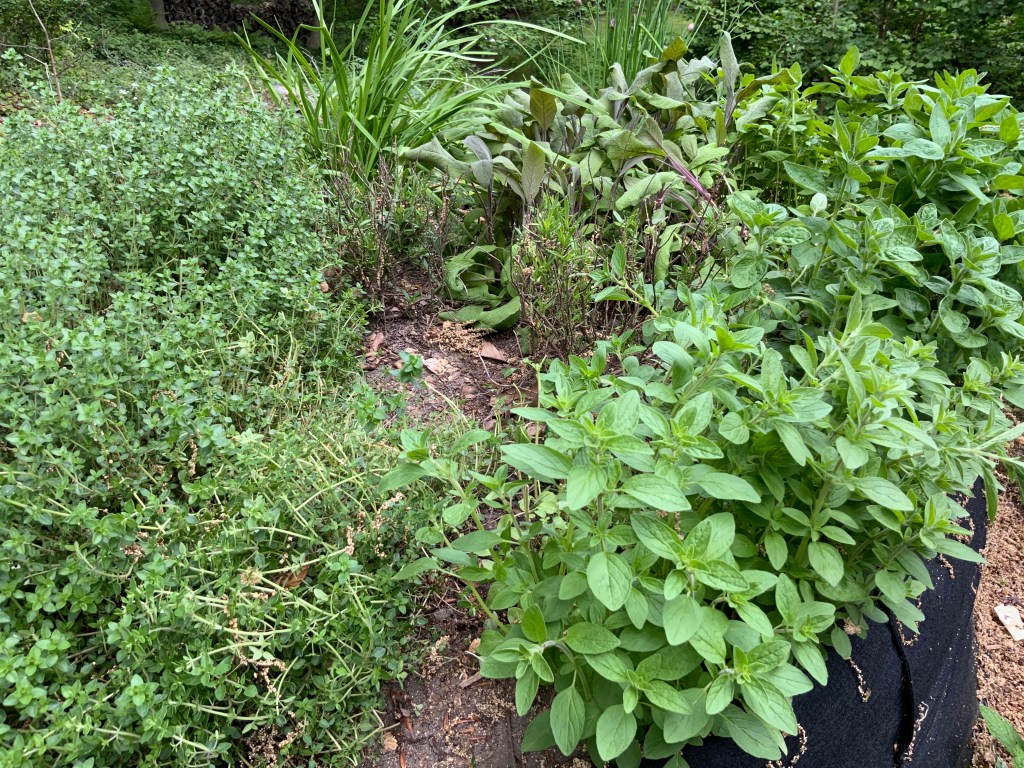
Here is our herb garden:
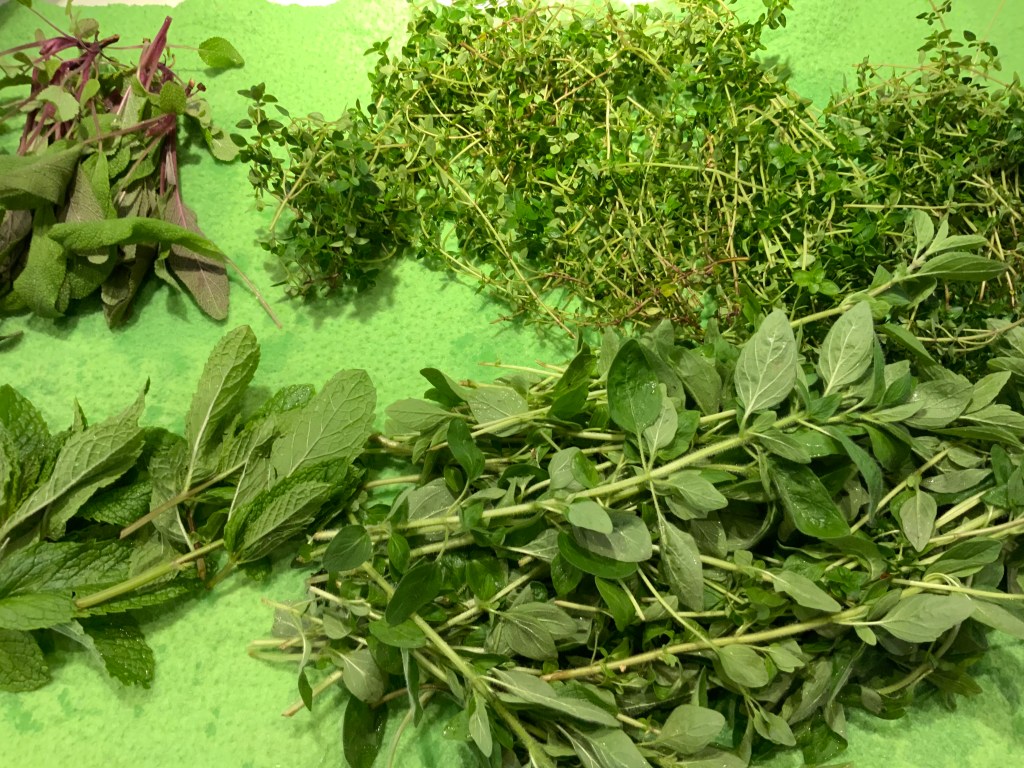
It does not get full sun and our soil does not drain very well, but look at what we have harvested from it!
And more! This is just one harvest!
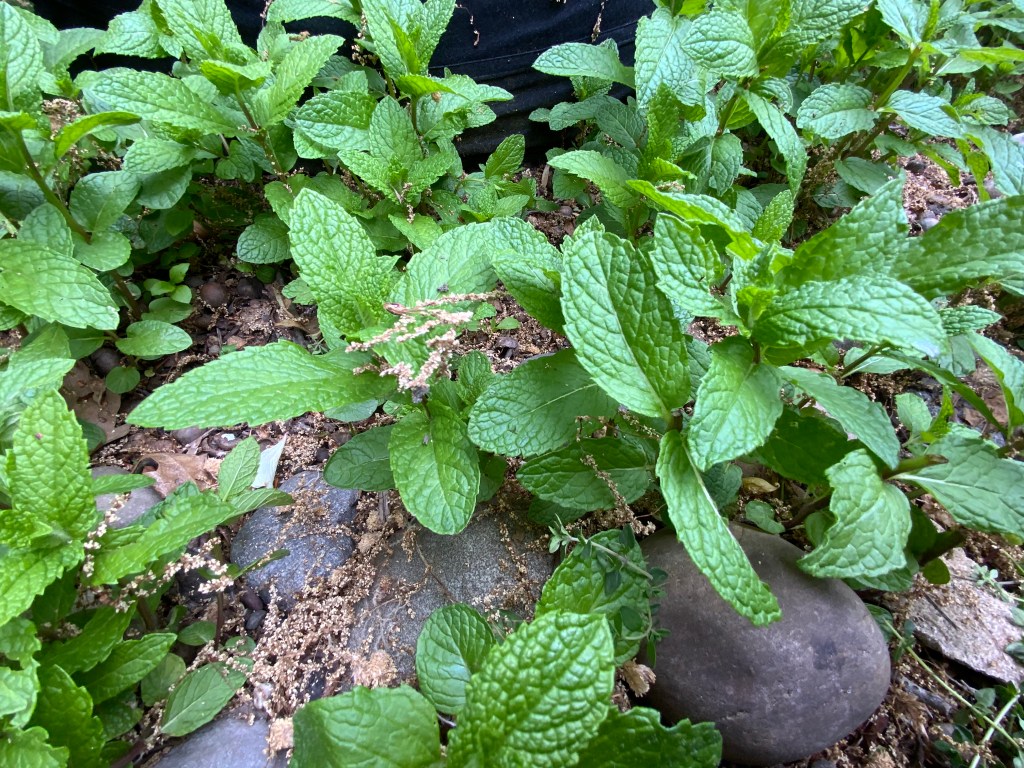
(We have containers for most of our plants here to take care of the problem of bad soil. The soil has been loosened where the mint is in the ground.)
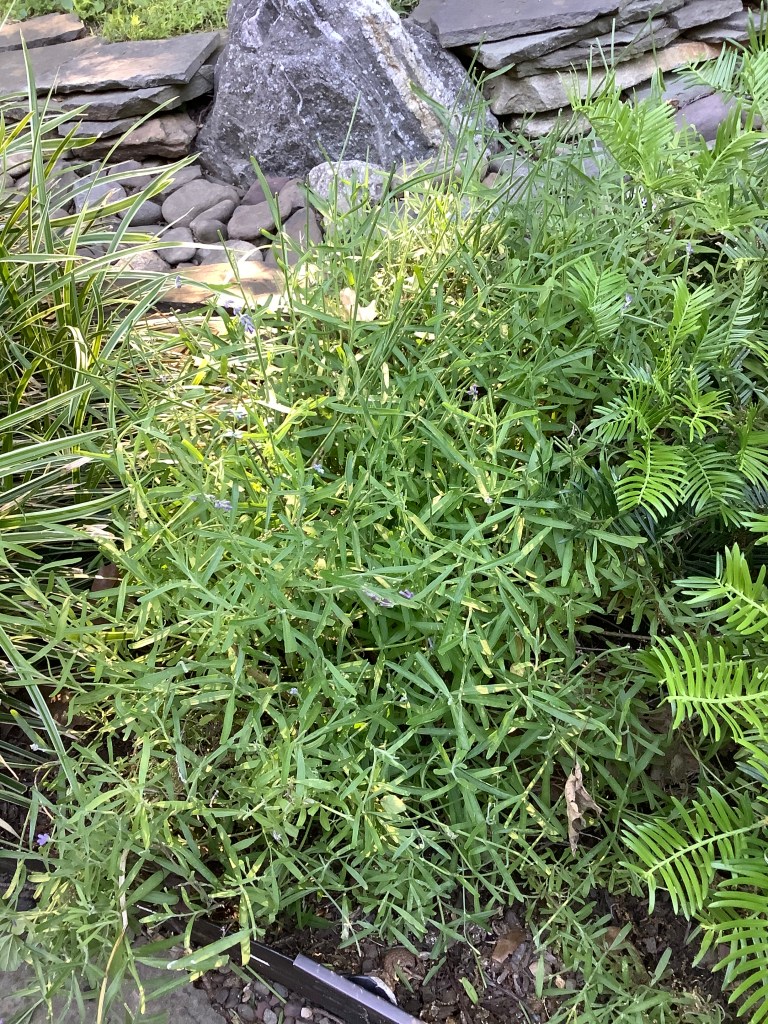
As you can see, we even have some lavender plants near this area. On the web, you will see that lavender likes full sun and well drained soil. Lavender plants will do better in full sun and well draining soil, but these plants have neither, and they are still doing fine.
In our mostly greens garden, we made a chicken wire and zip tie cage to protect the plants from animals that will eat them, and tilled the soil to help the plants grow. This space does not get full sun, but it still gave us a good harvest. In the summer heat, lettuce will bolt (when a plant starts to flower and their leaves taste bad) pretty quickly, so in this scenario, the shade might help. There is mostly bok choy (a plant with edible leaves) right now, because we harvested and pulled out the other plants, (they were bolting) and started seeds in the bare spaces.
These places in the garden that I showed you today are not the best spots for gardening, but we still have managed to get a bountiful harvest from them. Here are some of the things we will/have done to maximize our harvests. Firstly, we water our plants everyday, because in the summer/late spring heat, the soil will dry up very quickly. Also, every week or two we will fertilize our plants. This is especially important if you are growing your plants in containers or poor soil. Another thing you can do to get good harvests from your plants is to spray your plants with neem oil. Neem oil is an oil that keeps away or kills many plant bugs.
Keep in mind that many of these plants will do better in full sun and well drained soil if you can plant them in those conditions, but if you don’t have lots of sun or good soil, do not let that keep you from growing a garden! Bye now!
Home grown beans! (Grown in a partially shaded area!)
when the cold wind blows and the frost comes, you can still grow tasty veggies inside your own home! This series will show you how you can make yummy salads and more in dead winter. Let’s get started!
First you need to choose a veggie to grow. If you are just starting , it is best to start with lettuce. Lettuce is super versatile and hardy. And they do not need a huge container to grow in.
Once you have your plant that you are going to grow, get your container. If you are growing lettuce or leafy greens. You do not need a super big container, as even a large plastic party cup will do. If you still need to get a container, you can start your lettuce seeds in a egg carton or a empty toilet paper roll. I will soon do a pot on how to use those to start seeds.
To plant your seeds, gently sprinkle your lettuce seeds over the surface of the soil, and then very lightly mix them in with the top layer of soil. Keep in mind that lettuce seeds need light to germinate or sprout.
Once you have started you seeds, after a couple of weeks, transplant them into their main container. And start harvesting the bottom leaves of the lettuce plant. Enjoy!
I hope you liked this post! Please check out our other posts. Thanks!
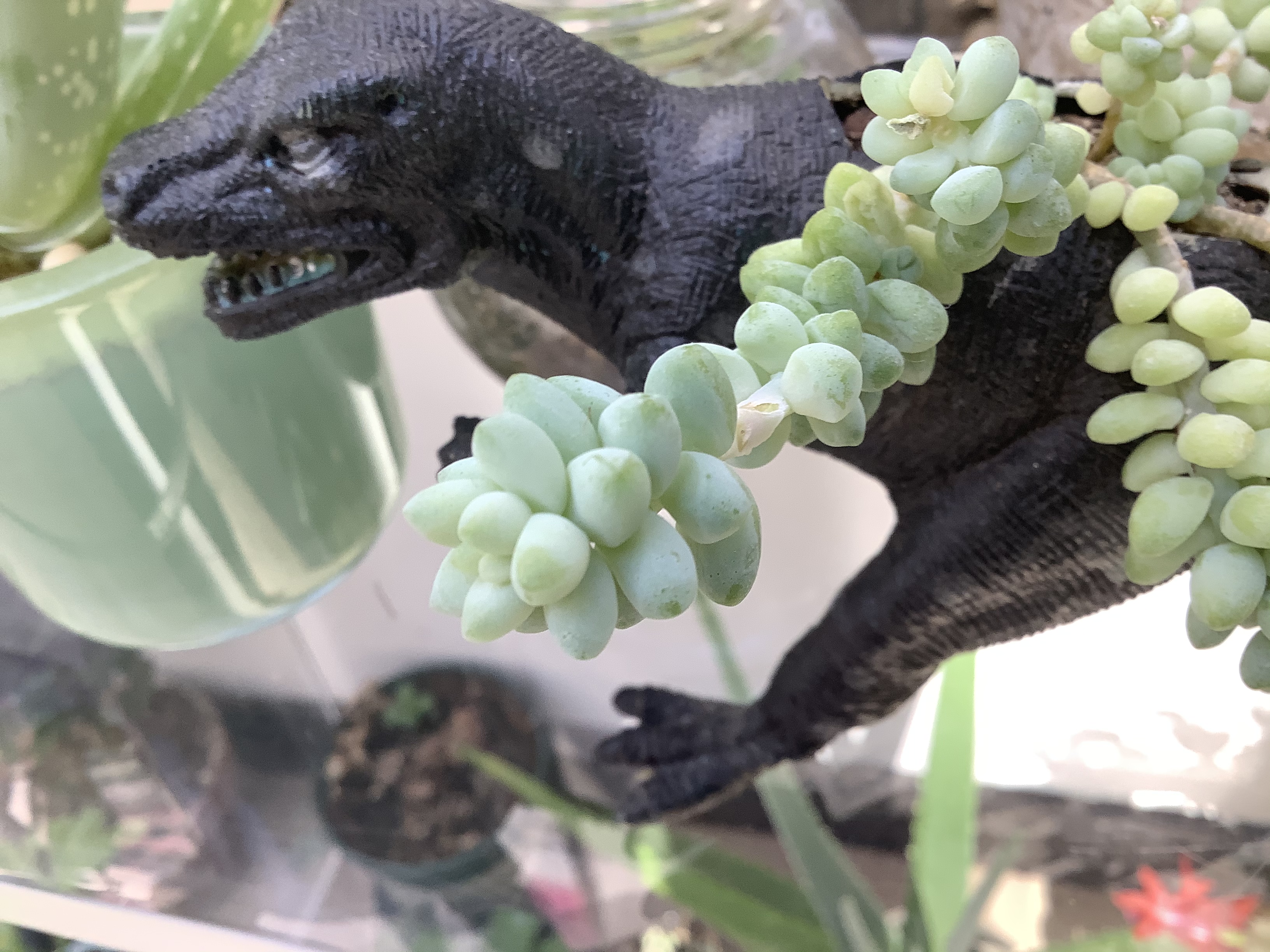
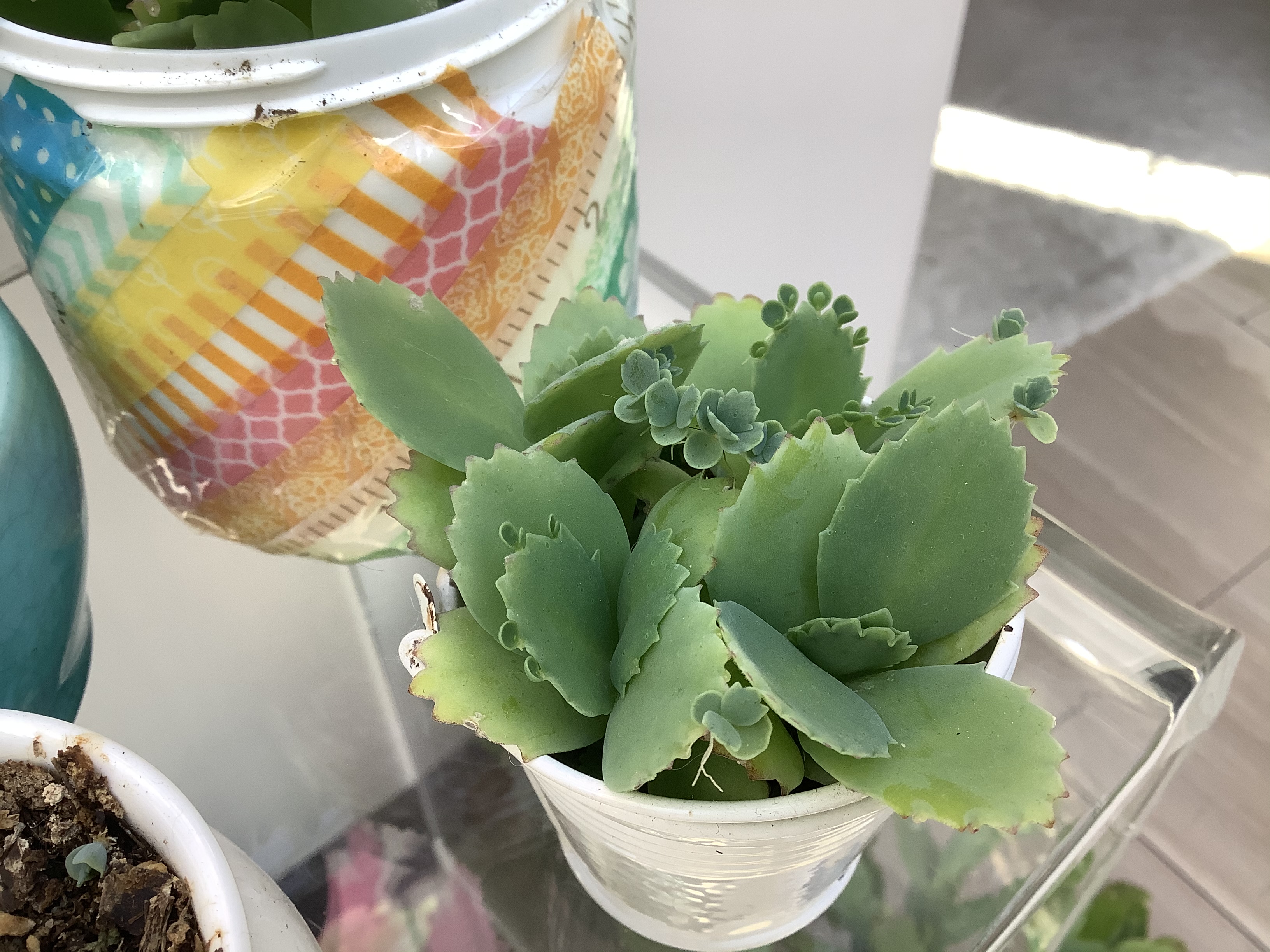
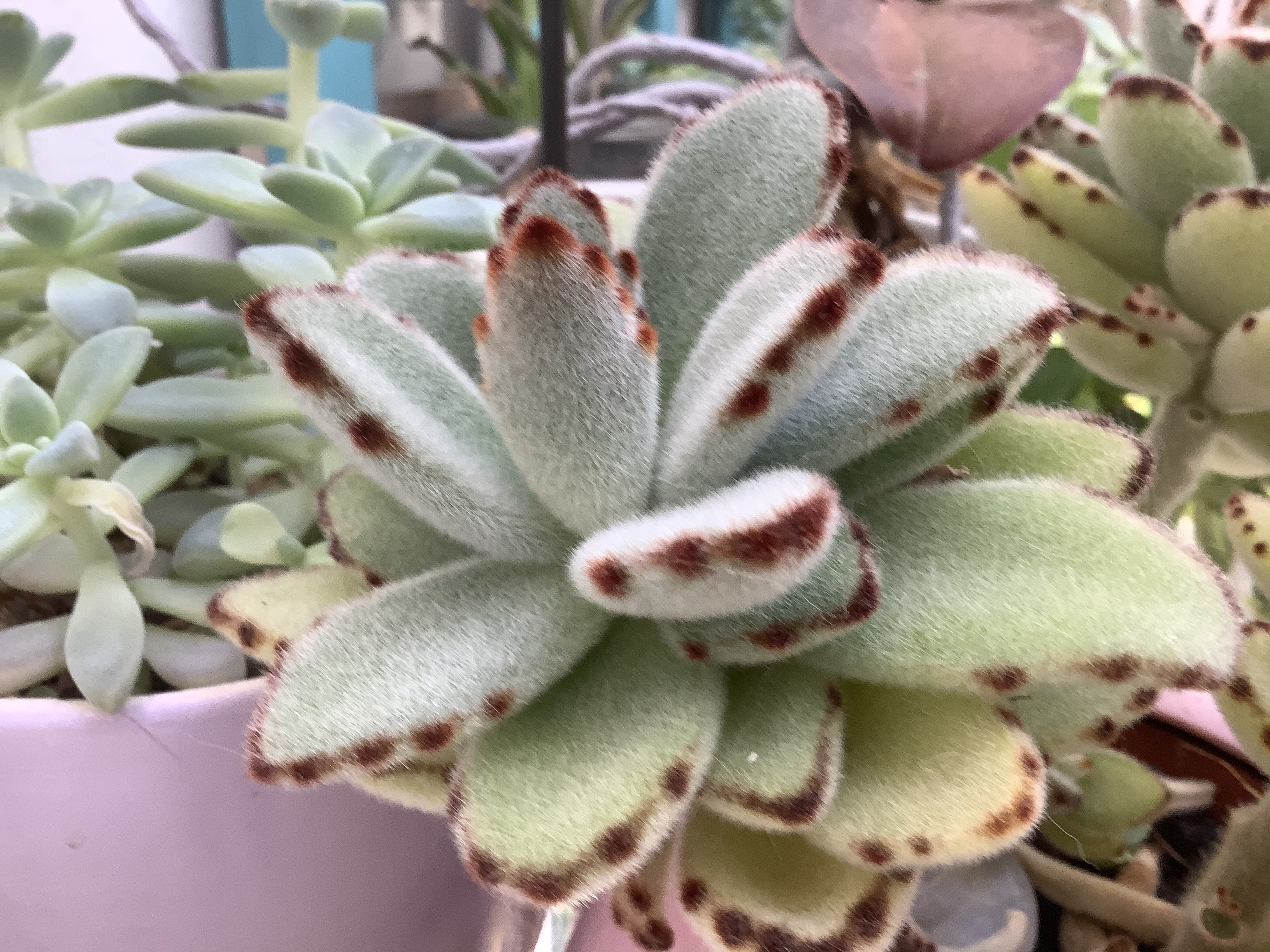
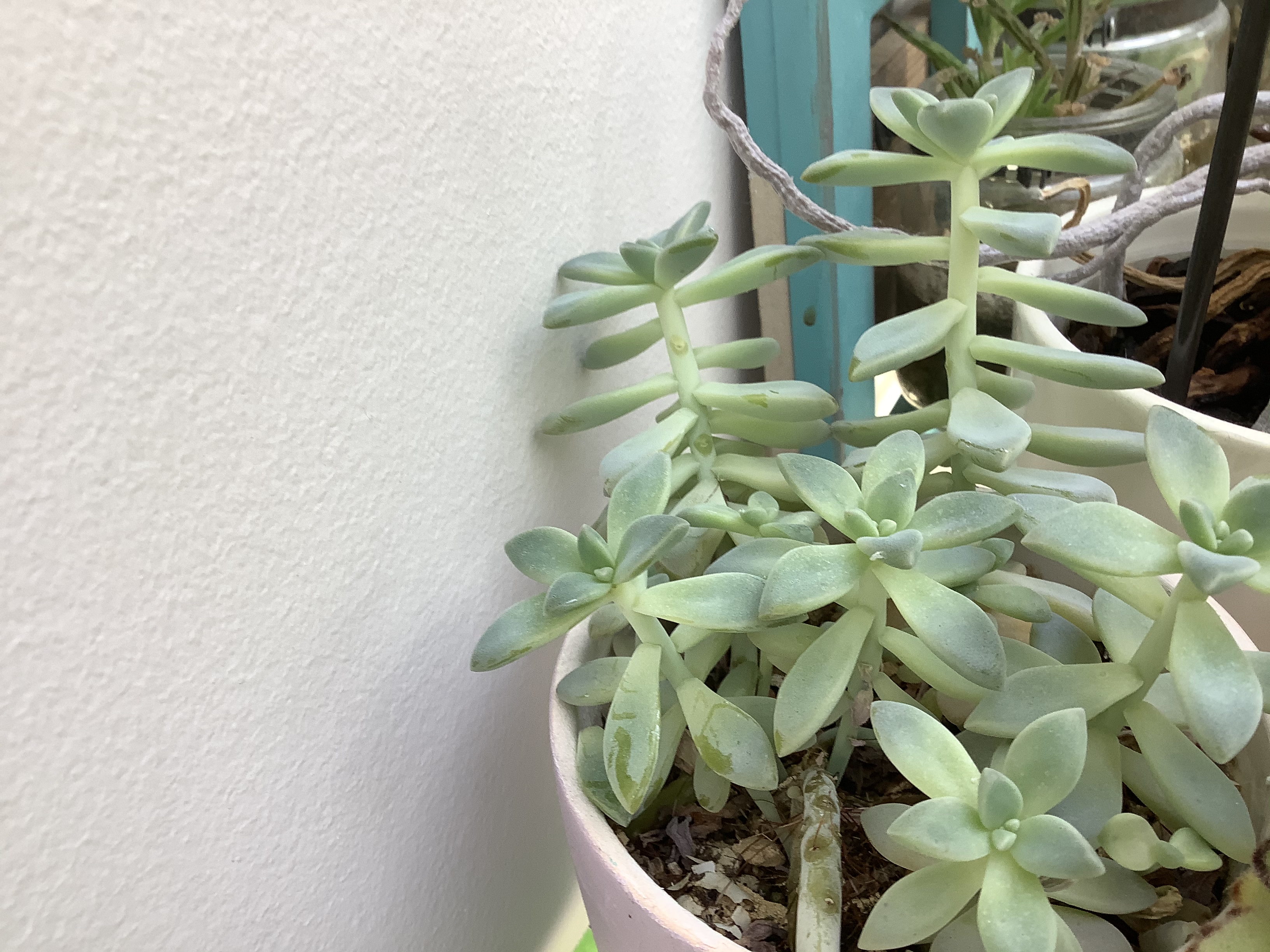
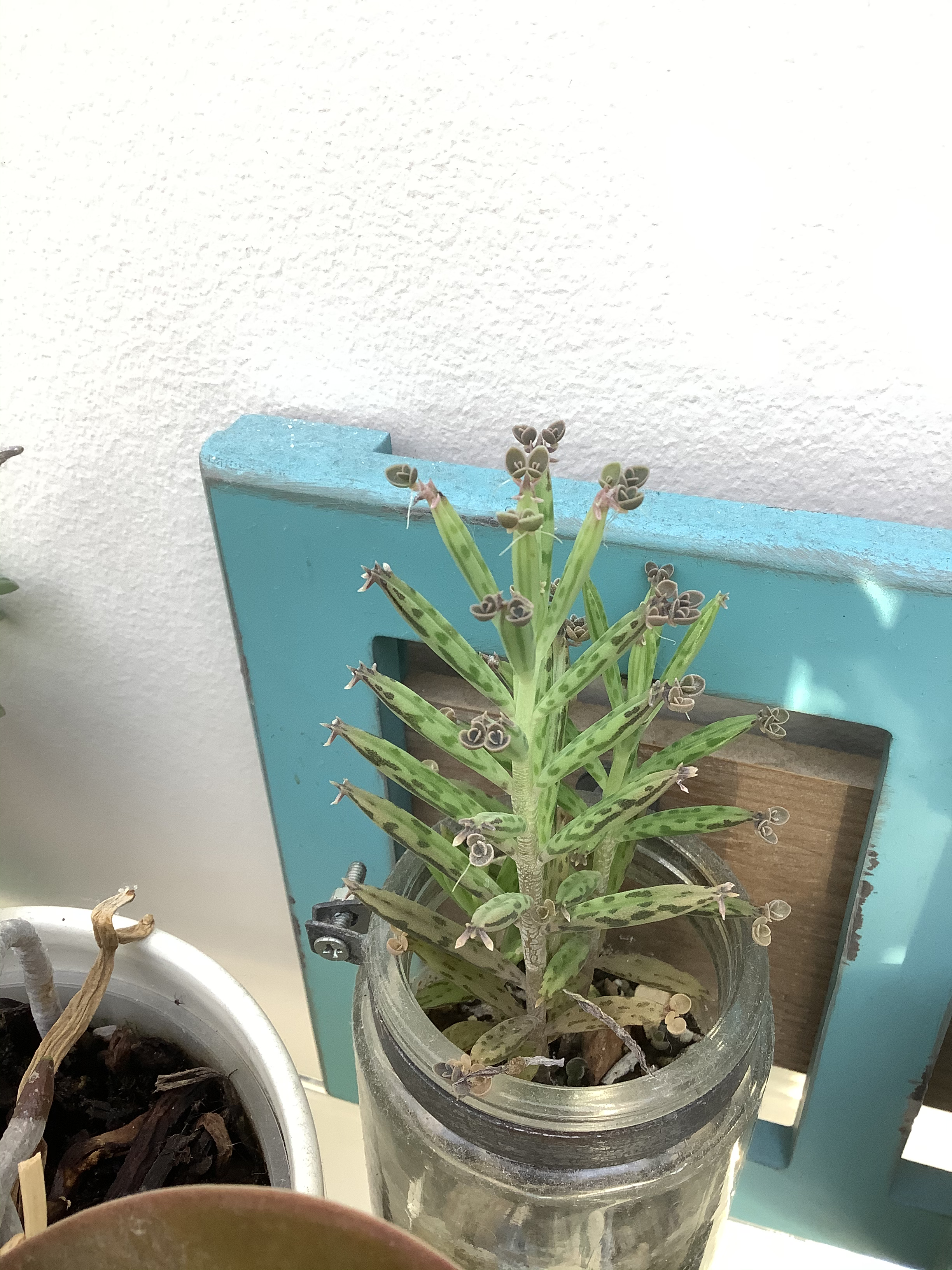
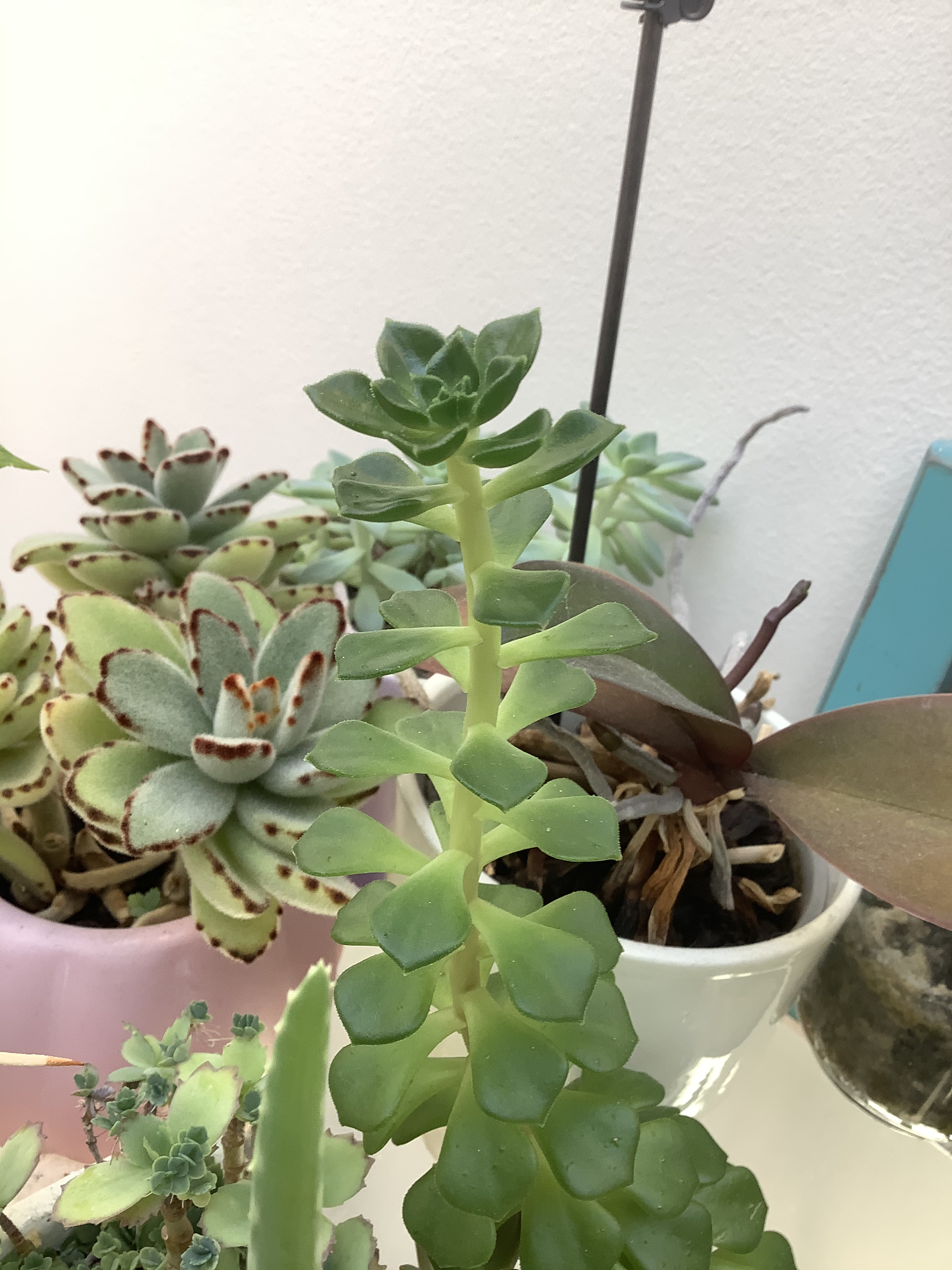
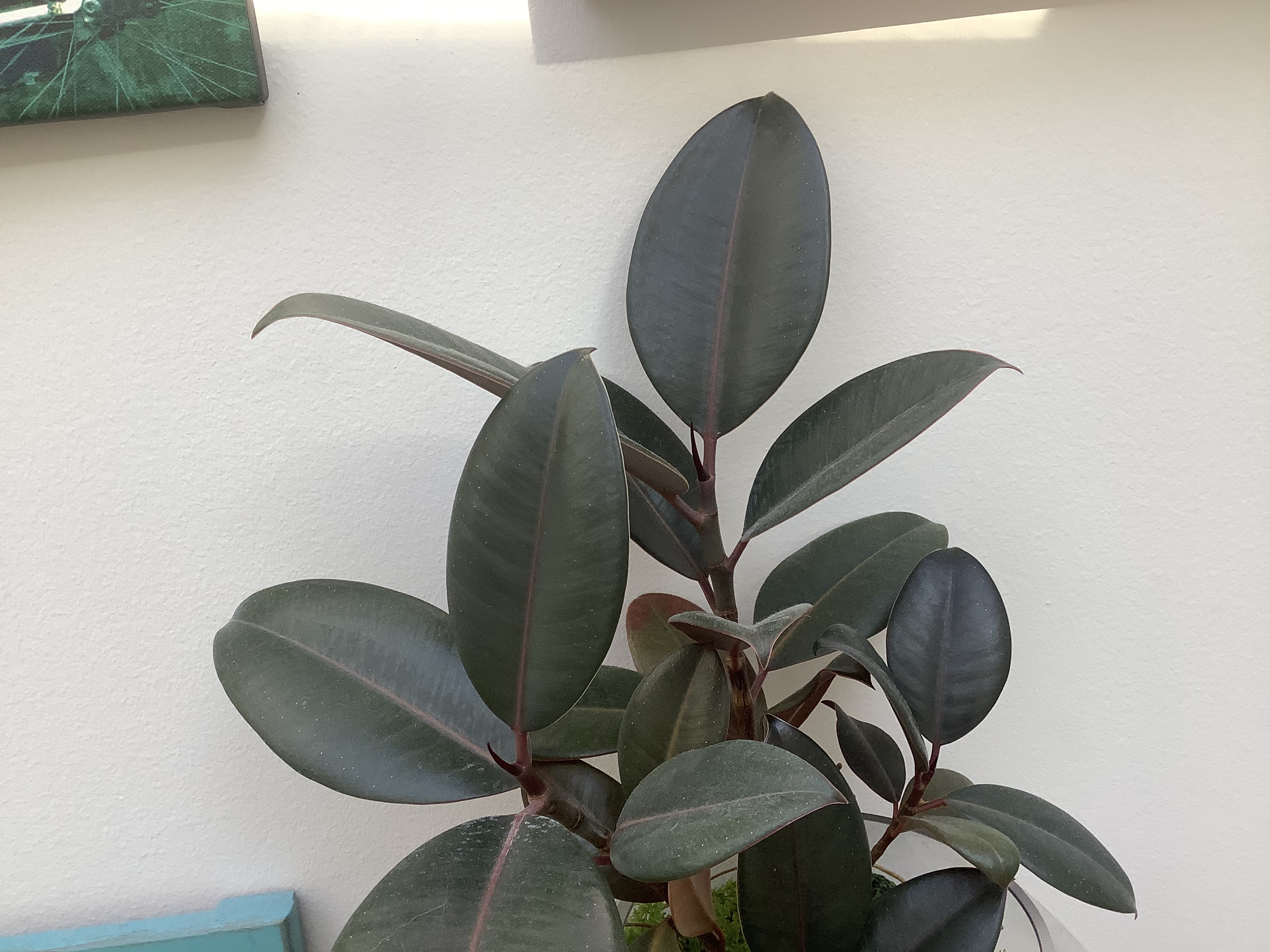
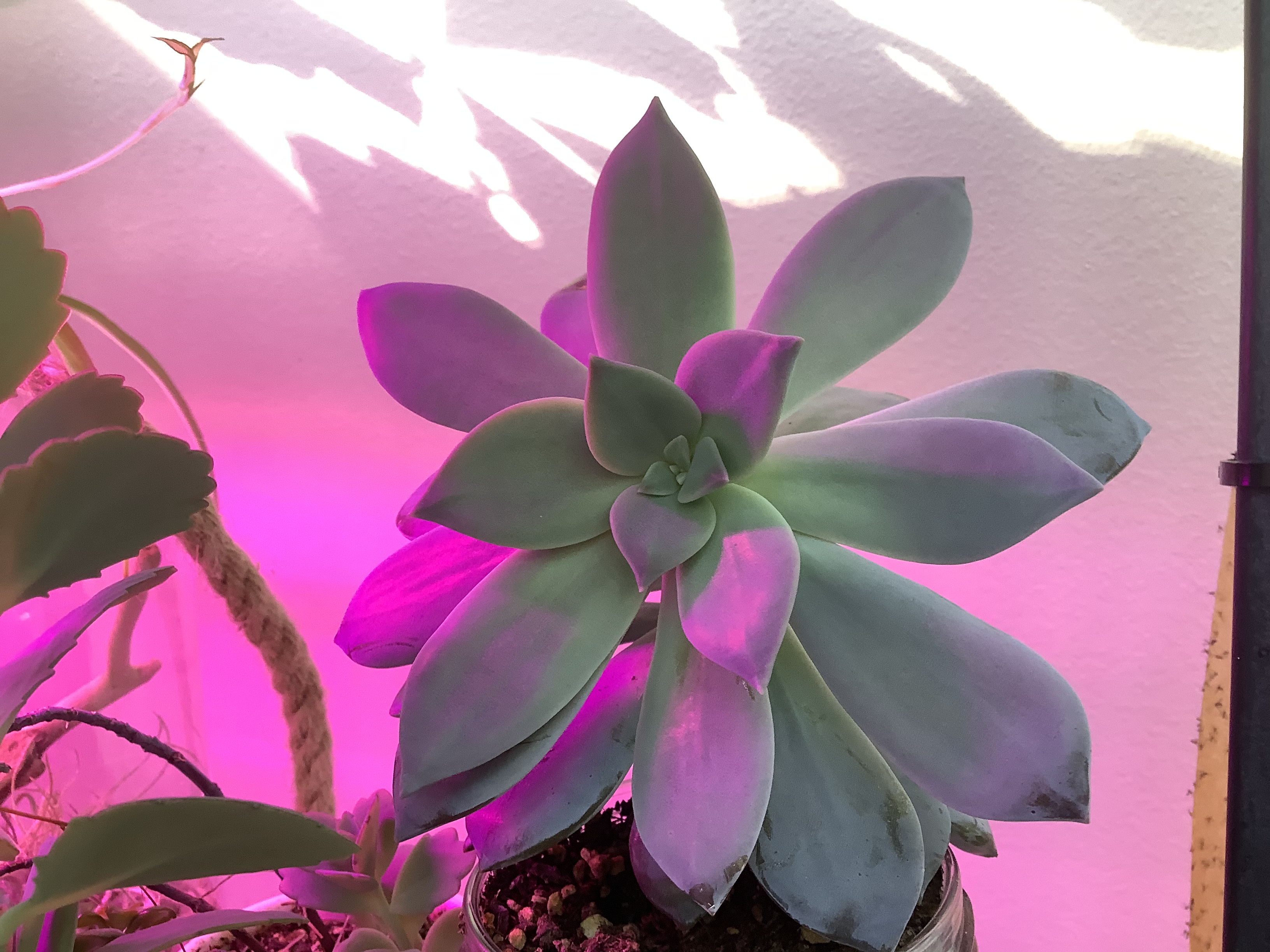
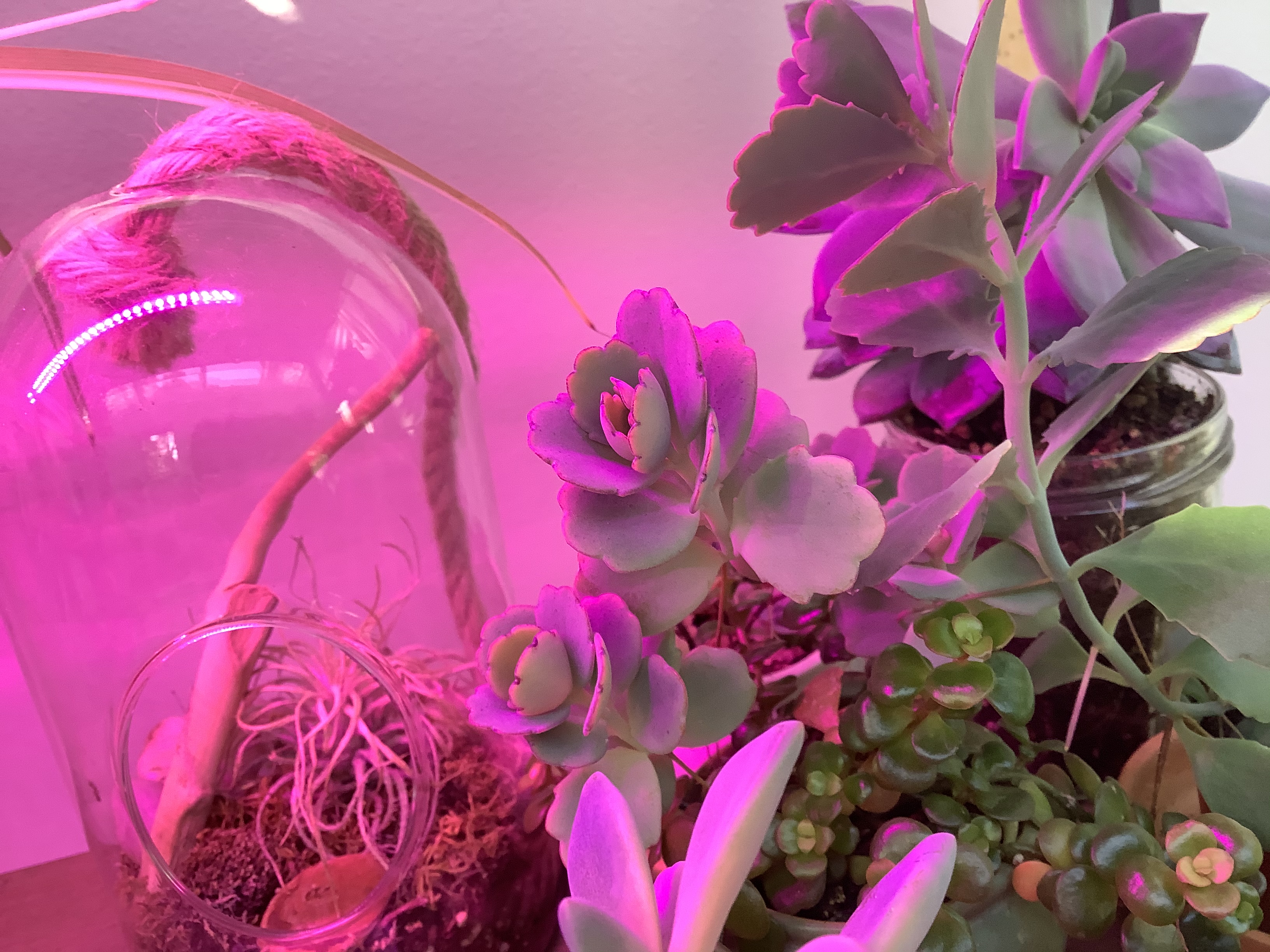
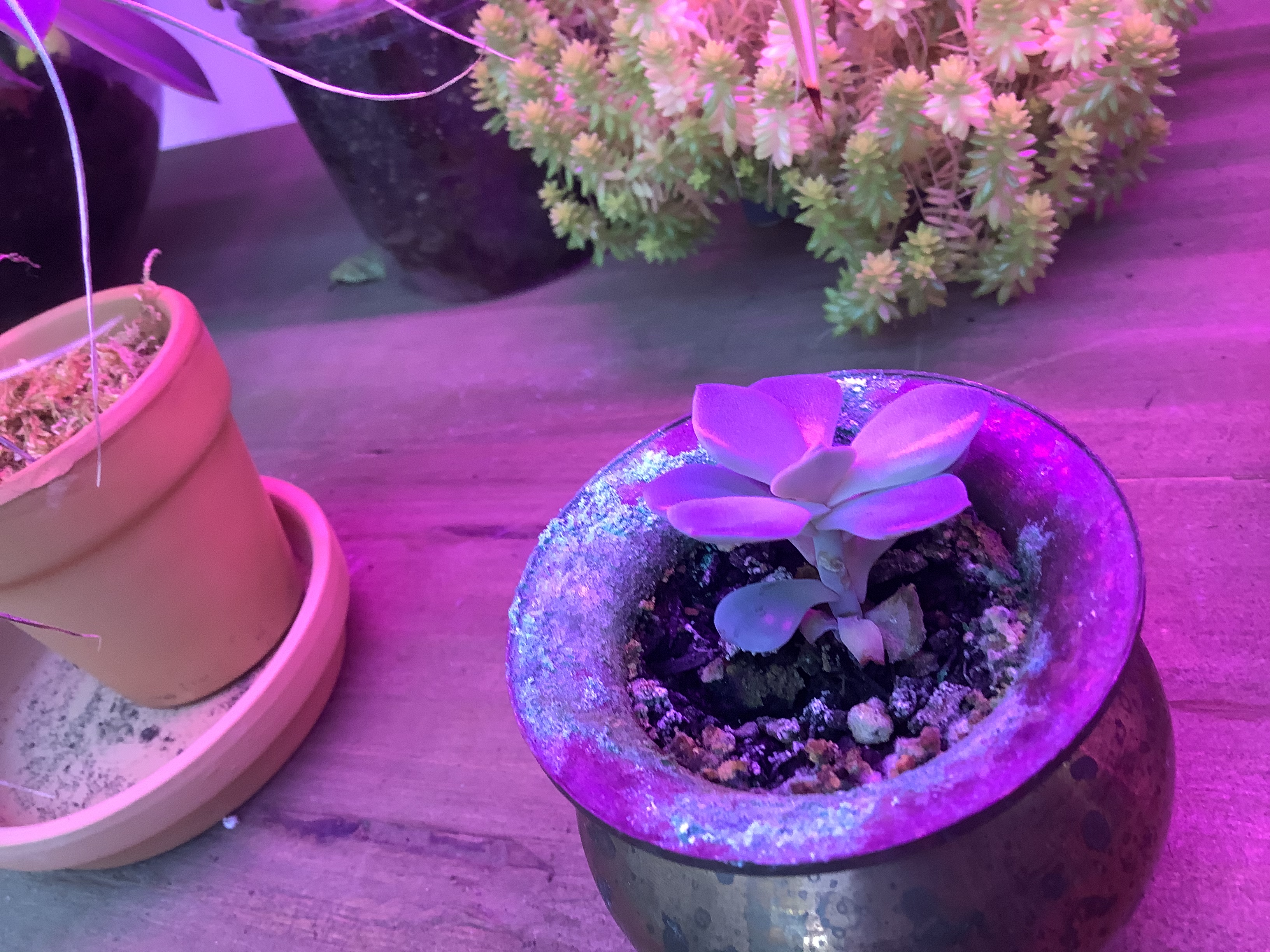
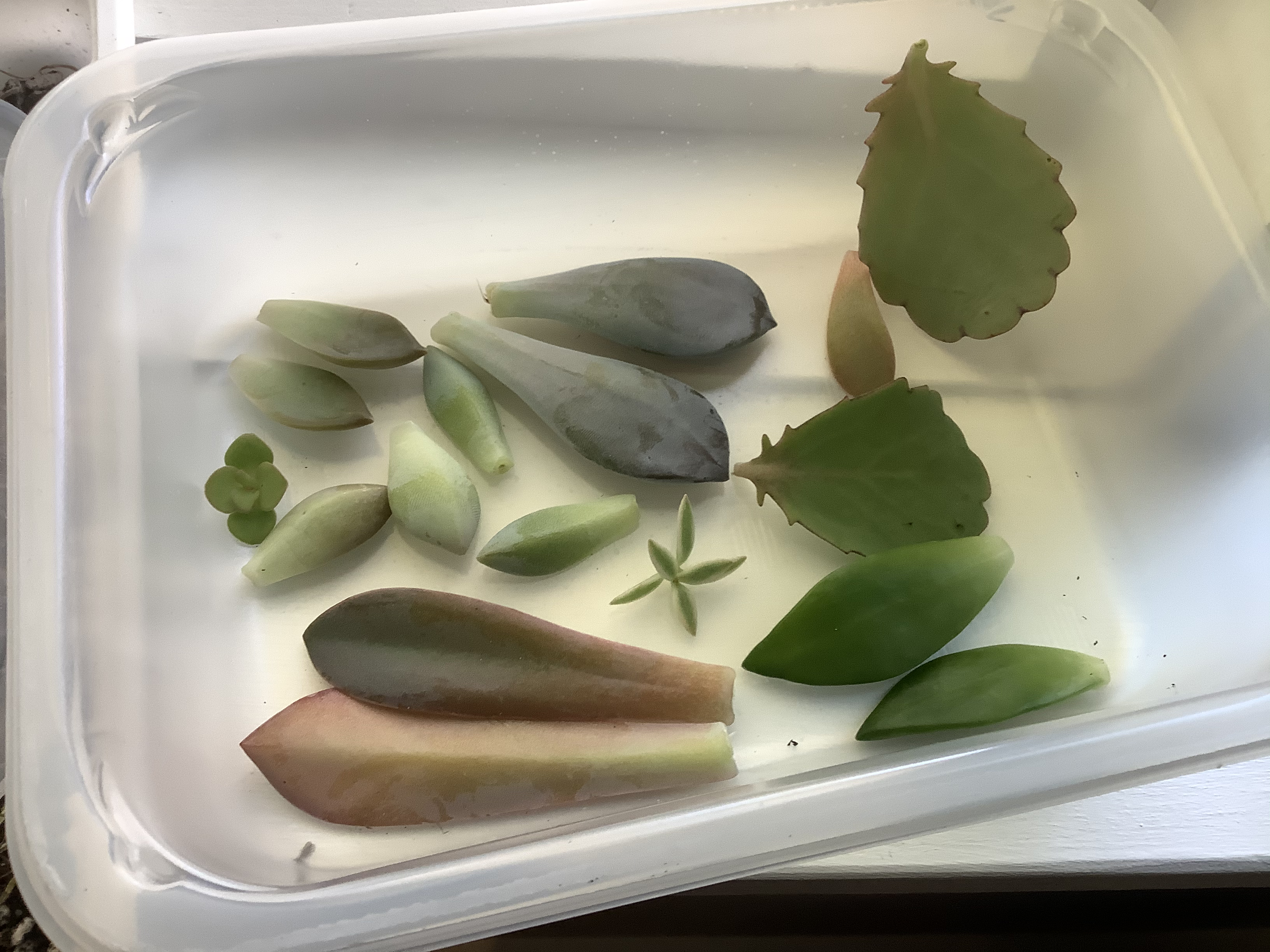
Succulents are fun and beautiful to grow. They are great for beginners and for more experienced gardeners. This post is the beginning of a series that will cover everything you will ever need to know about these wonderful plants. So to start us off, here is a quick tour/introduction to succulents.
Enjoy these pictures!
This was the result of lots of hard work and care. You can do it to! Wether it’s in on a window still, or on your desk, or in a windowless room.
Thanks for reading this post! If you liked it give it a like, if you have a question leave a comment, and if you want to see more posts, please follow! Bye!
Hi guys! Today I am going to show you crops that you can still plant RIGHT NOW! Even if your first expected frost is coming up soon you can still plant these! So let’s start!
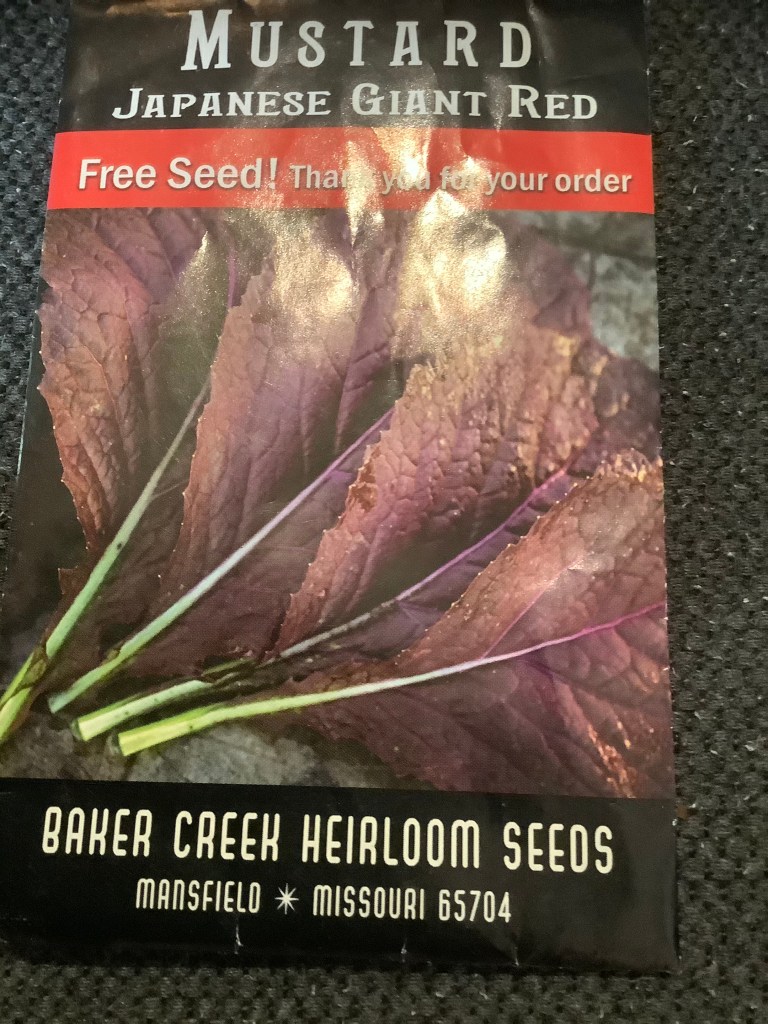
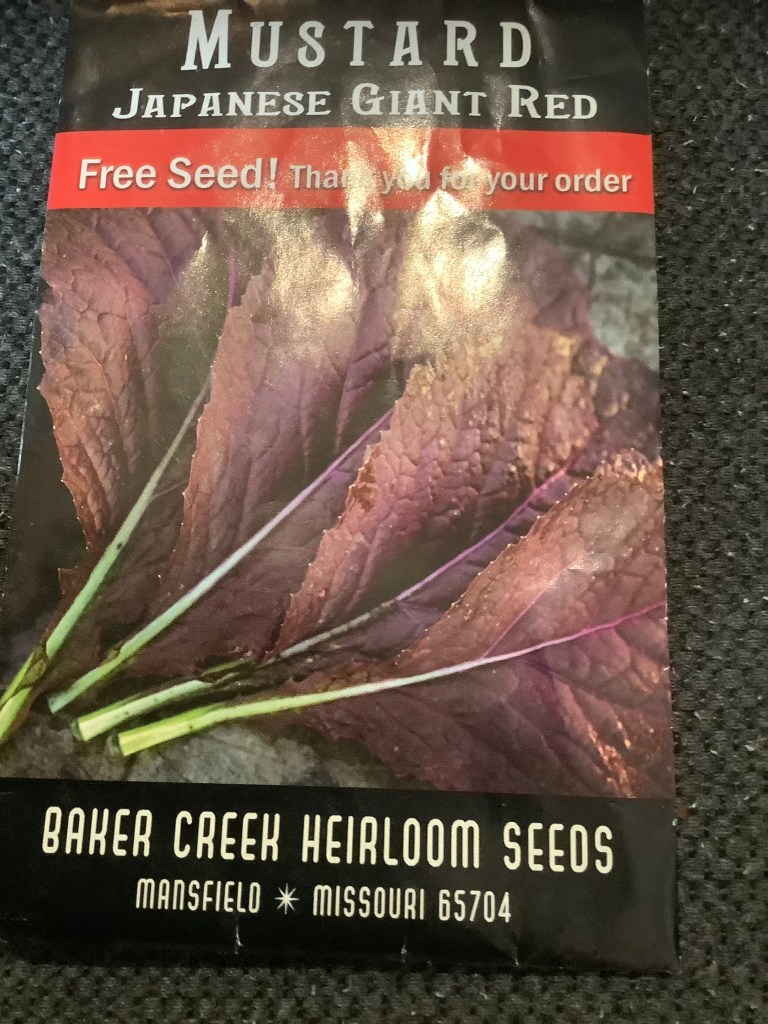
the first crop that you can plant right now is cold or maybe even frost tolerant greens. A good one is mustard greens. I like to grow a certain variety called giant red mustard. It’s really good! Even if you don’t have enough days before frost date for your mustard greens to fully mature, you can harvest their baby leafs as baby lettuce. You can also protect them from the frost by covering them with different materials. Soon I will do a post on that.
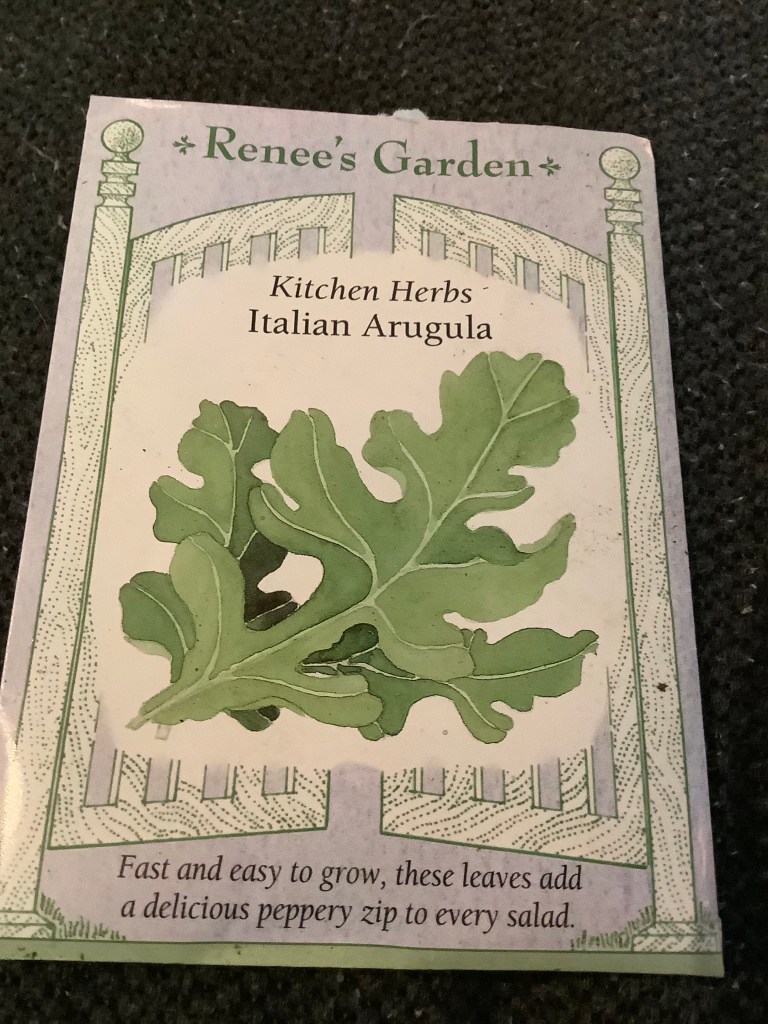
The second crop that you can plant now is arugula. Arugula is another plant grown for its leaves, and is extremely fast growing and loves the cool weather. It might even be able to withstand a light frost.
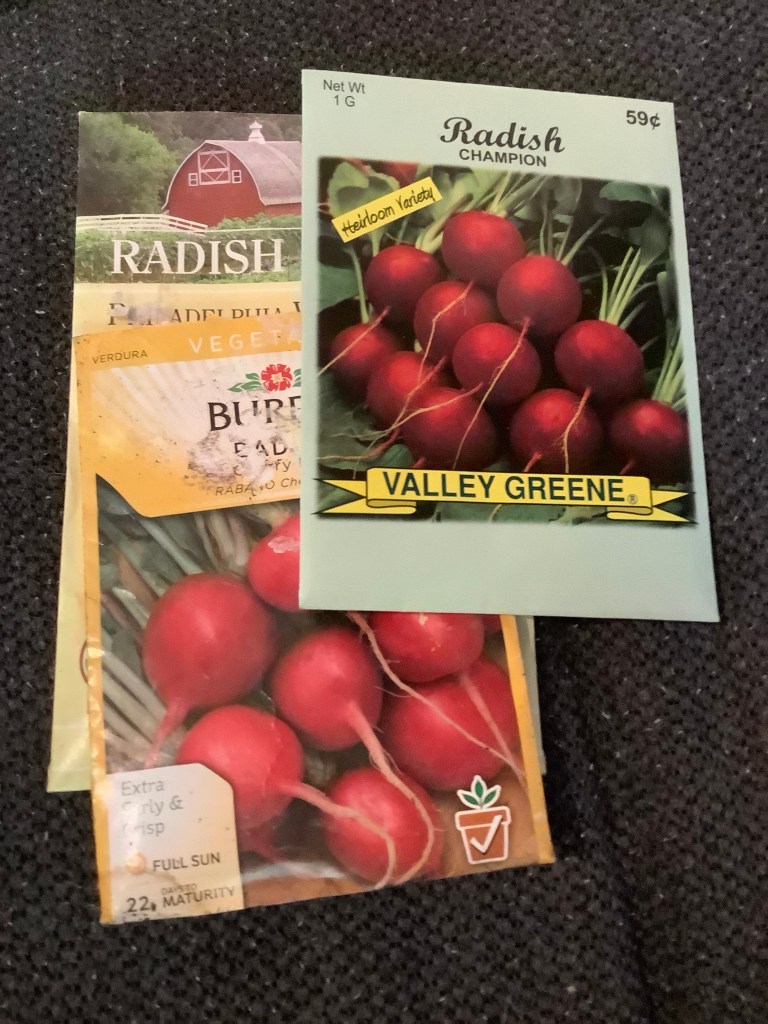
The next crop you can plant are radishes. Some radishes can grow really quickly, and can sometimes tolerate a light frost. And even if your radishes don’t have time to grow their radish parts, you can still eat their greens!
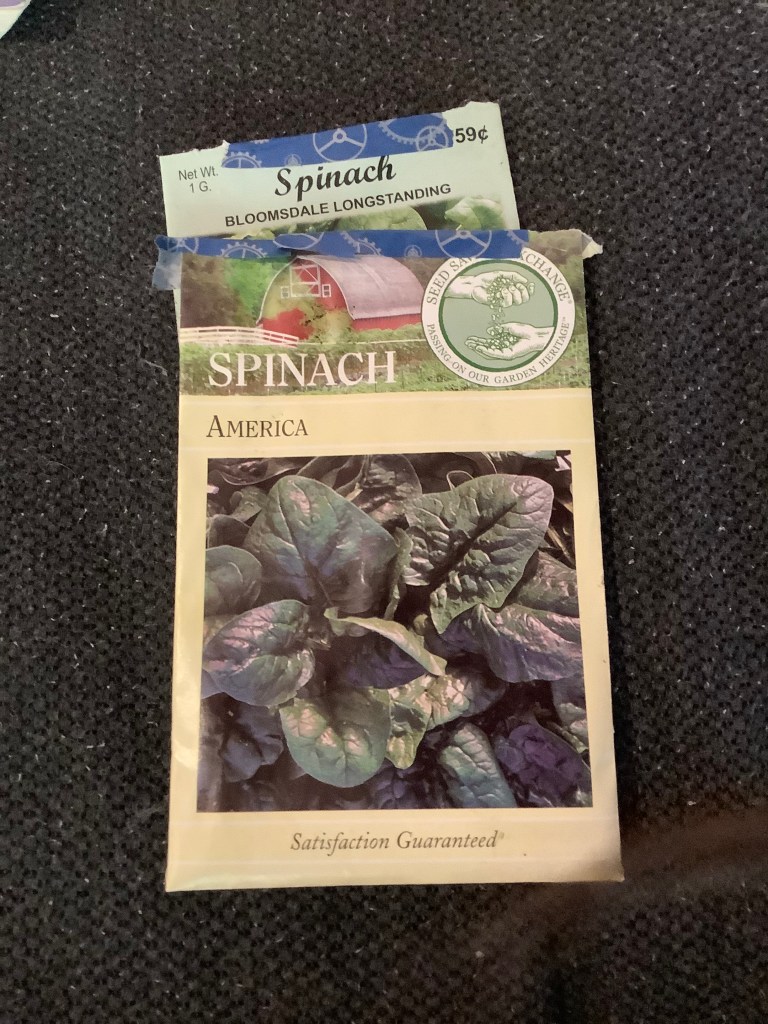
One of the last but not least list of crops that you can plant now is spinach! Spinach is SUPER heat intolerant, and loves the cool weather. Plus, even if your spinach plant doesn’t have enough time to grow it’s full sized leaves before that frost, you can harvest and eat it’s small leaves as baby spinach greens.
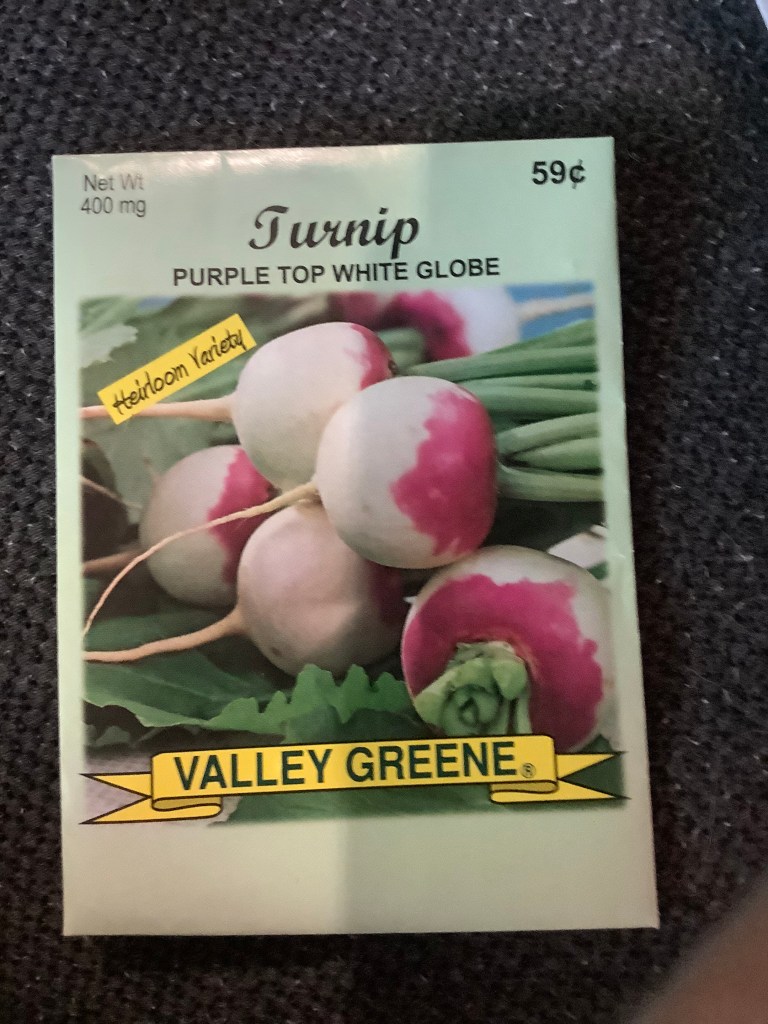
The last crop but definitely not the least, are turnips! Now, if you’ve grown turnips before, you probably know how long they take before they are ready to harvest, but we are growing them for their greens! Many people like to eat their leaves or put them in cooking recipes.
That is it for today’s post! I hope you enjoyed it. I will do another post on how to protect your plants from a light frost soon. If you enjoyed this post leave a like and comment down below what is your favorite crop from this post. Bye!
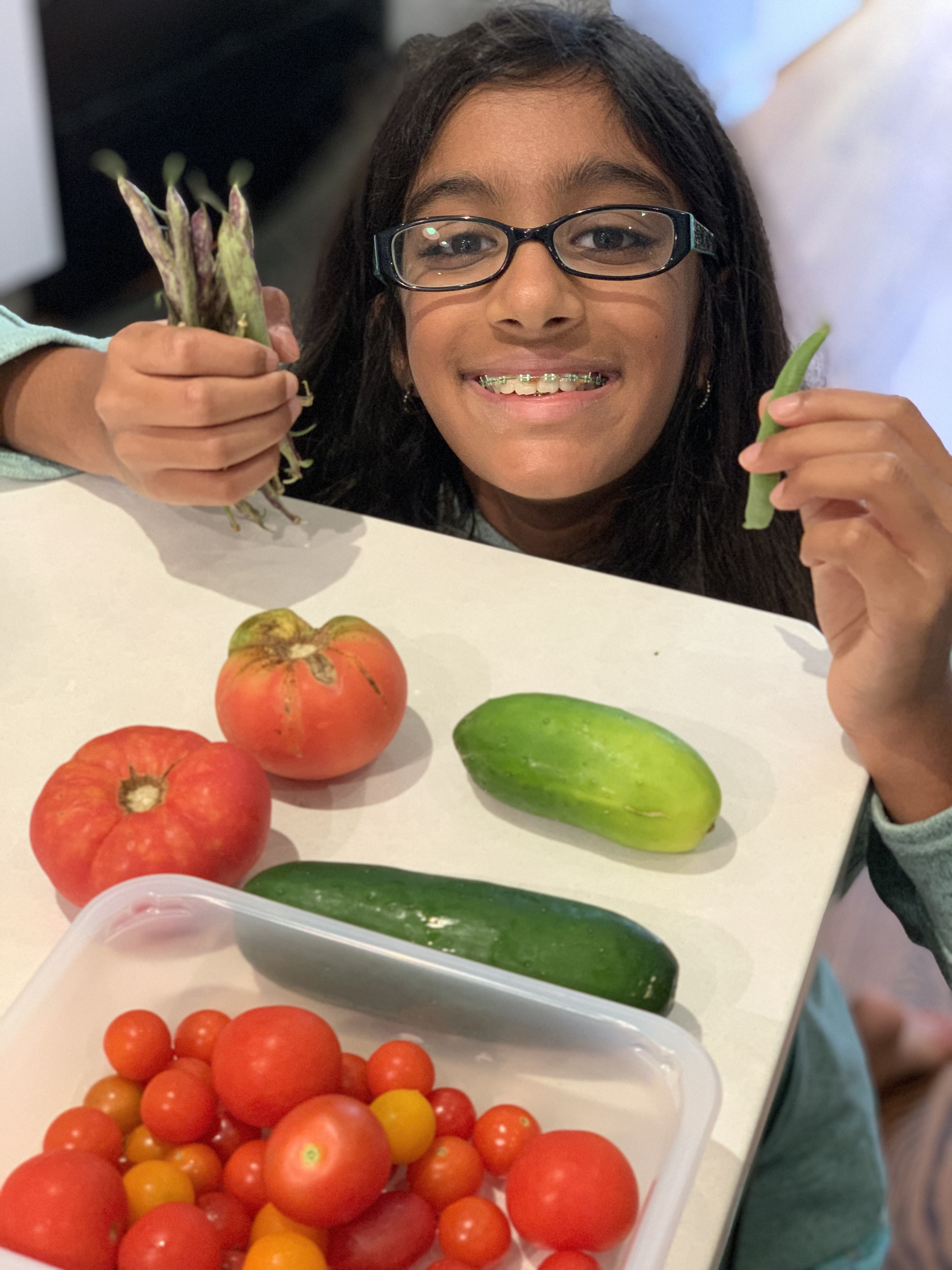
Hi guys! Recently we had our first bean harvest! So in today’s post I am gonna show you guys the harvest and how we cooked them. Let’s get into it!
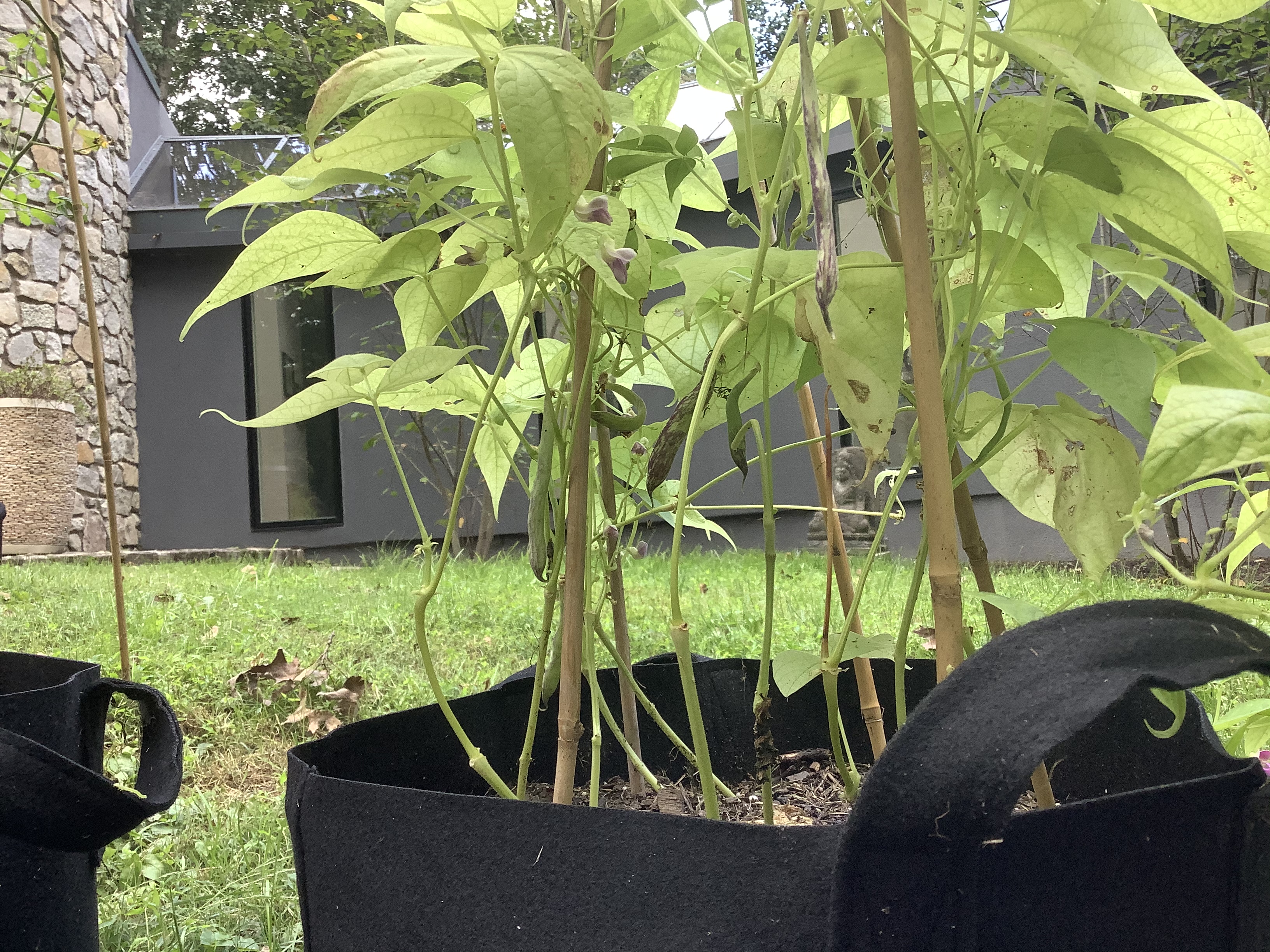
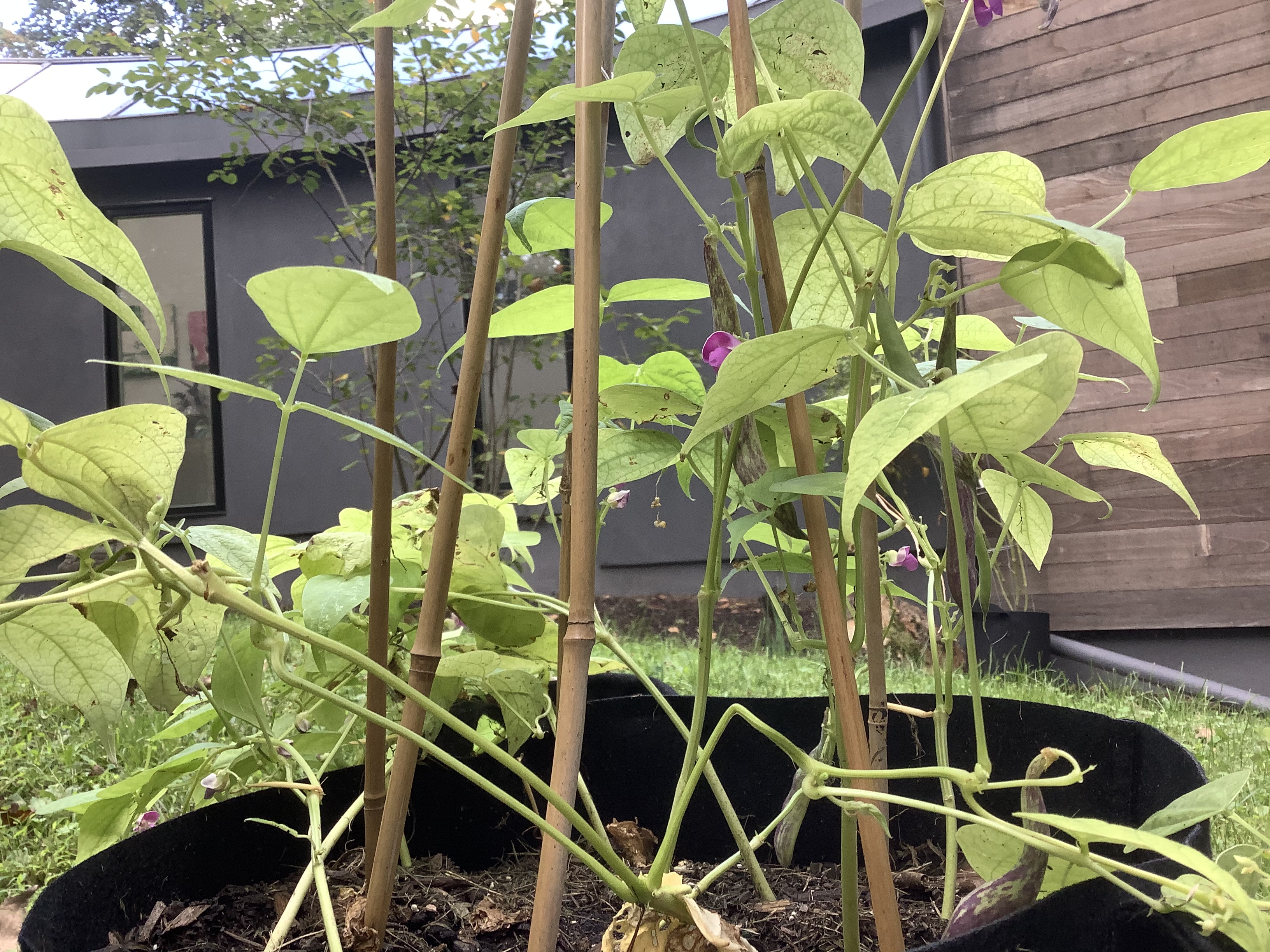
So first the harvest. We got a decent amount out of the two containers of bean plants we have considering this is our first harvest! The type of beans that are in this post are called dragon tongue beans. As you will see, they have a cool purple stripe pattern on creme colored skin. We also harvested one other type of bean. It is called scarlet runner beans. (We only got one tho.)
Here are the pictures of the beans:
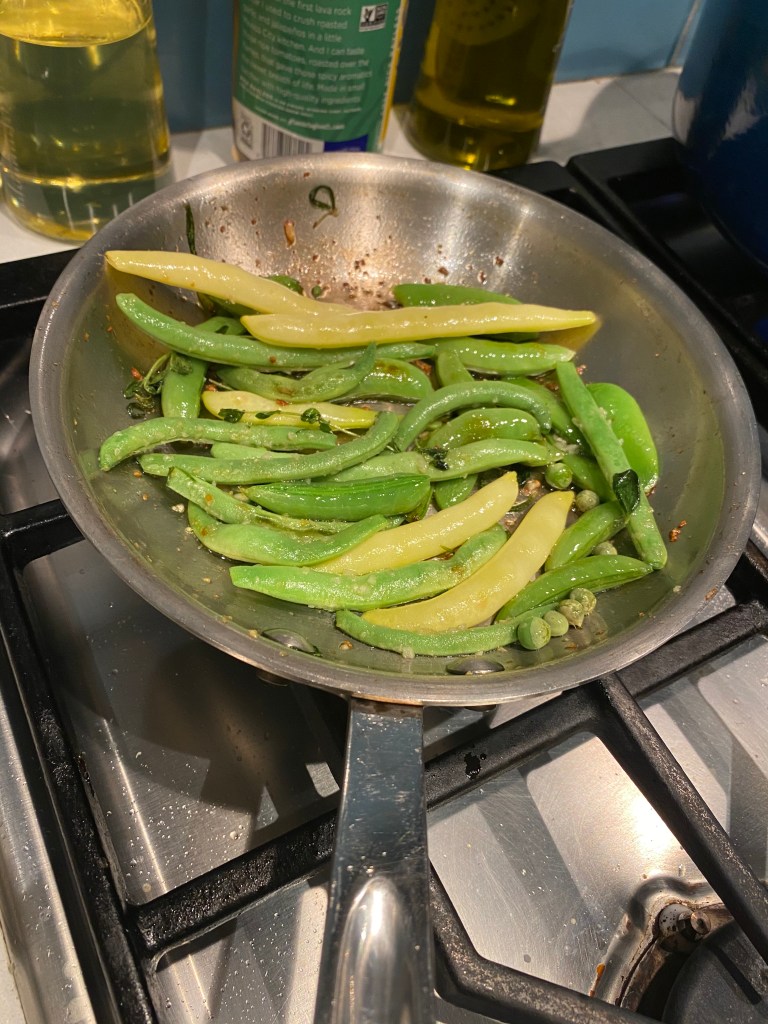
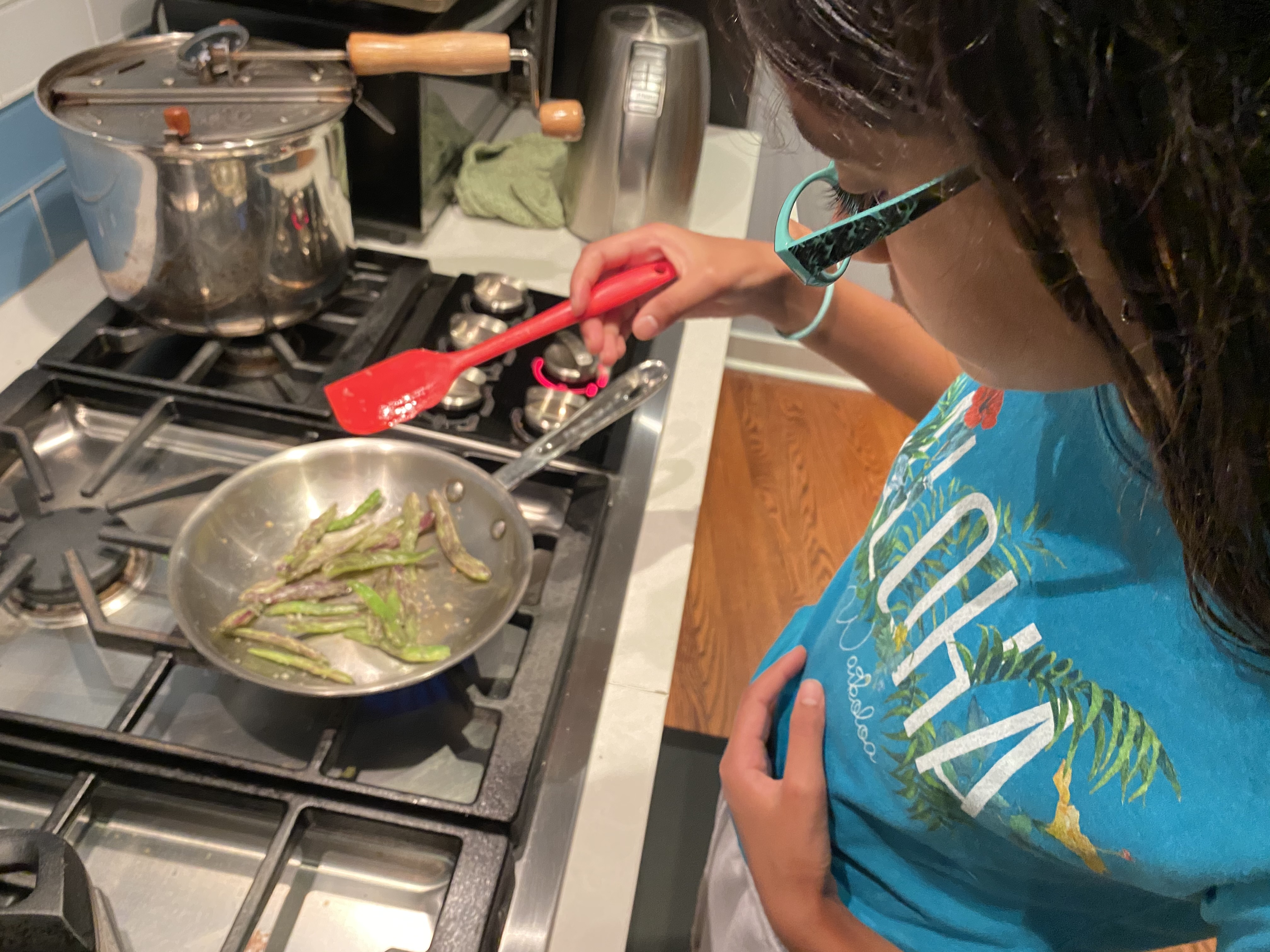
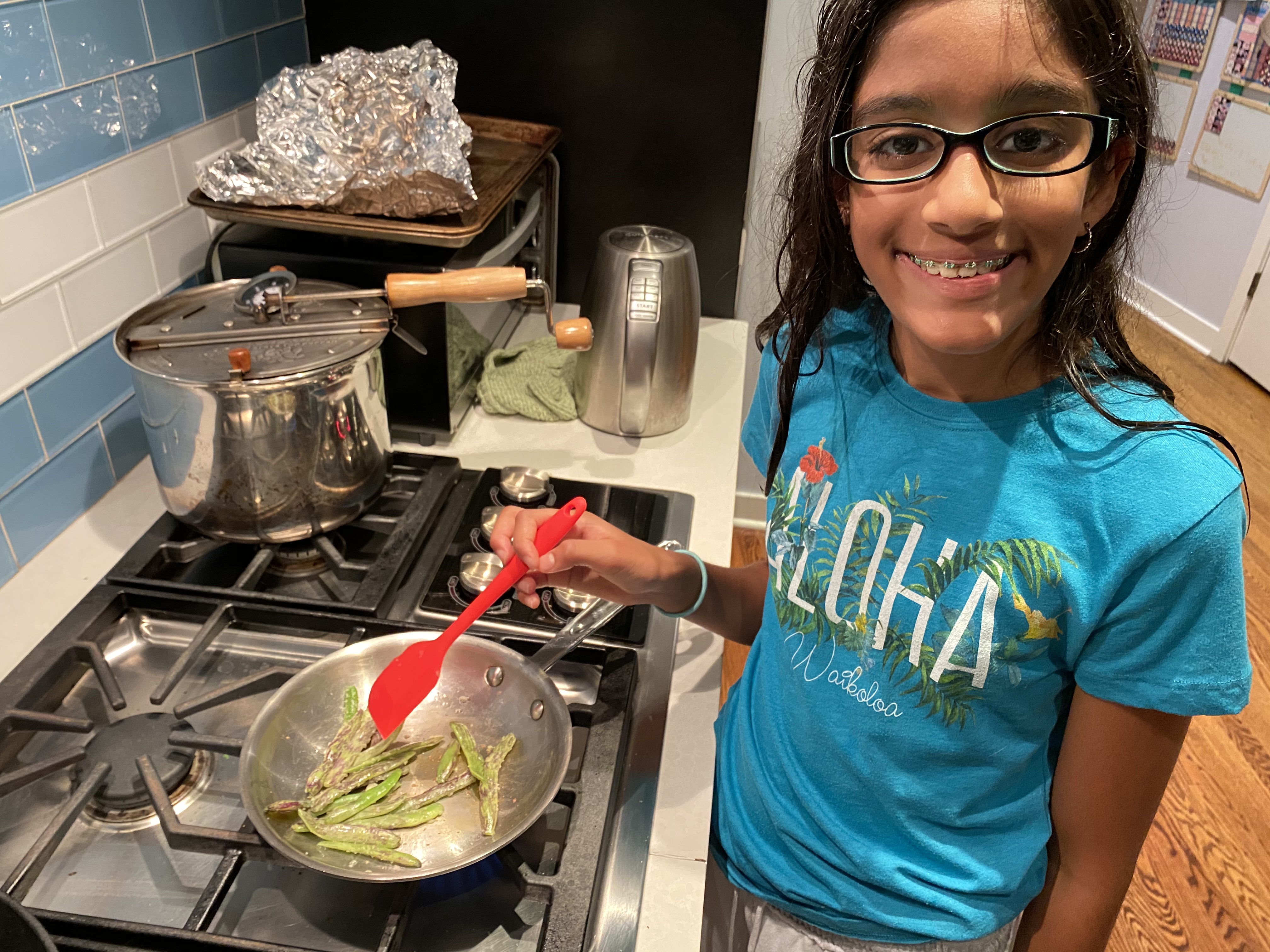
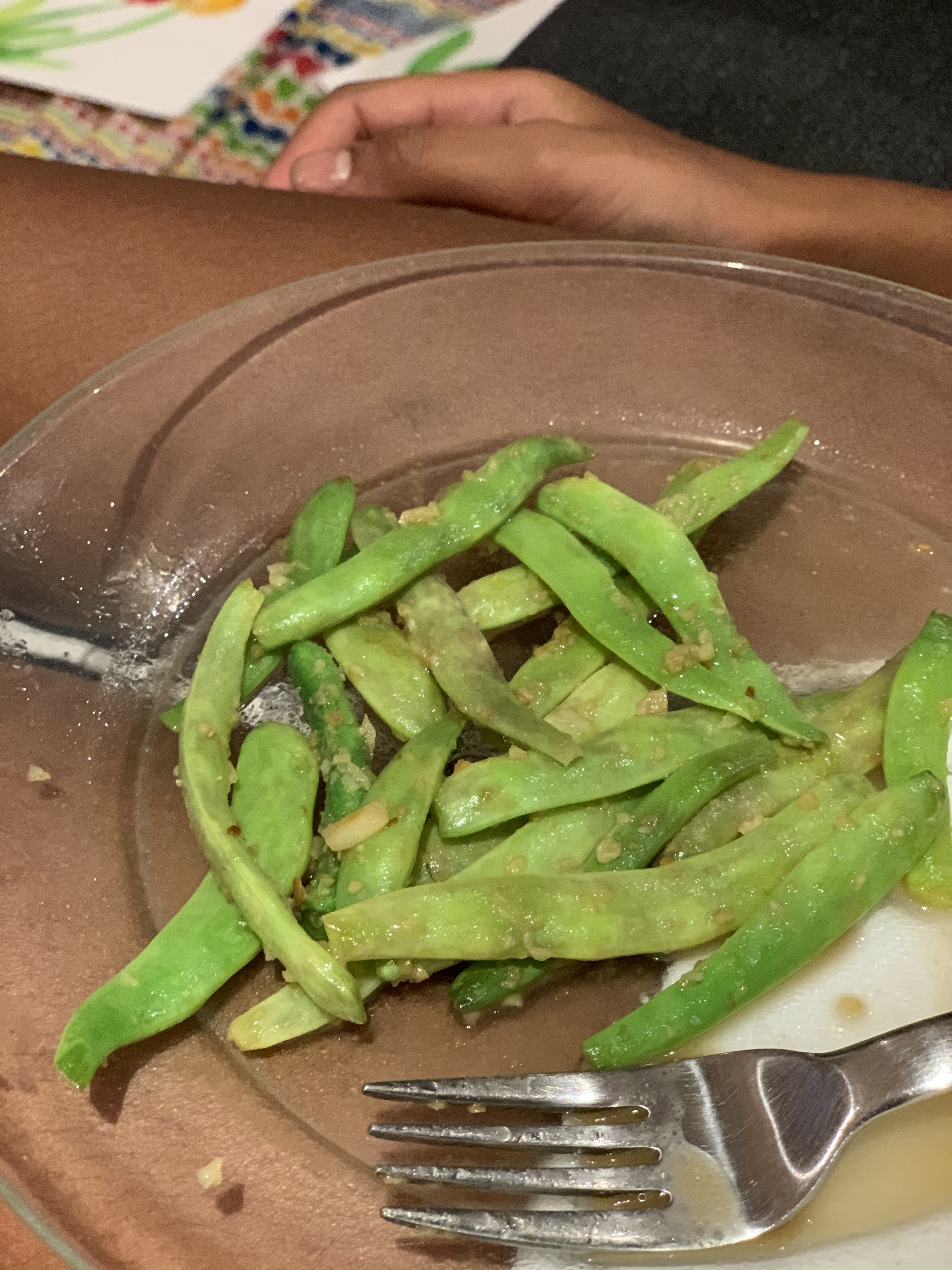
Because the beans didn’t really tase good plain, we fried them with salt, butter and garlic. They were soooo good! Sadly the dragon tounge beans loose their purple coloring when they are cooked. But they tasted like amazing green beans!
Here are some pictures!
They tasted AMAZING!
Here are some facts about beans:
Most beans usually go from seed to harvest in about six to eight weeks. Witch means that they are pretty fast producers.
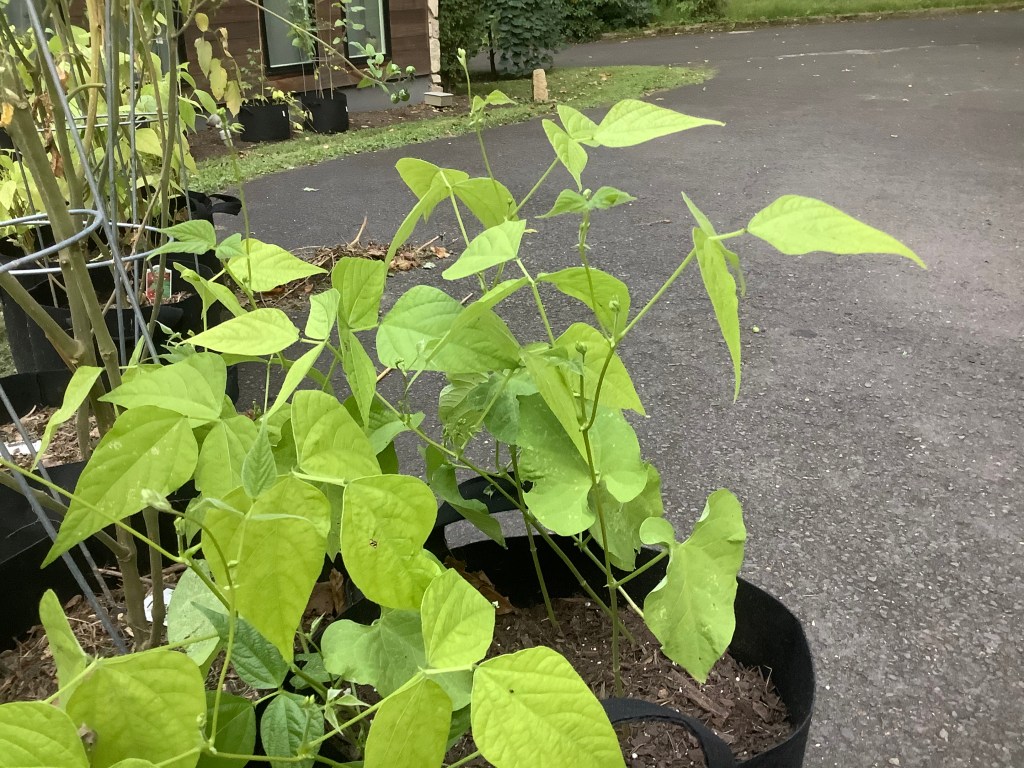
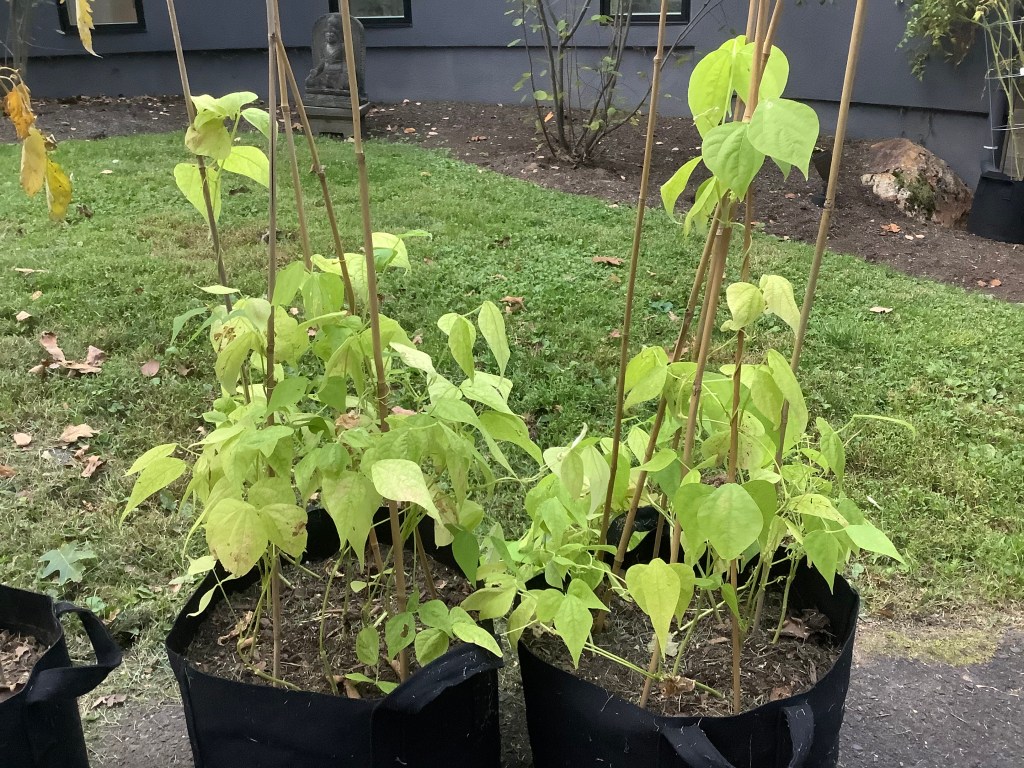
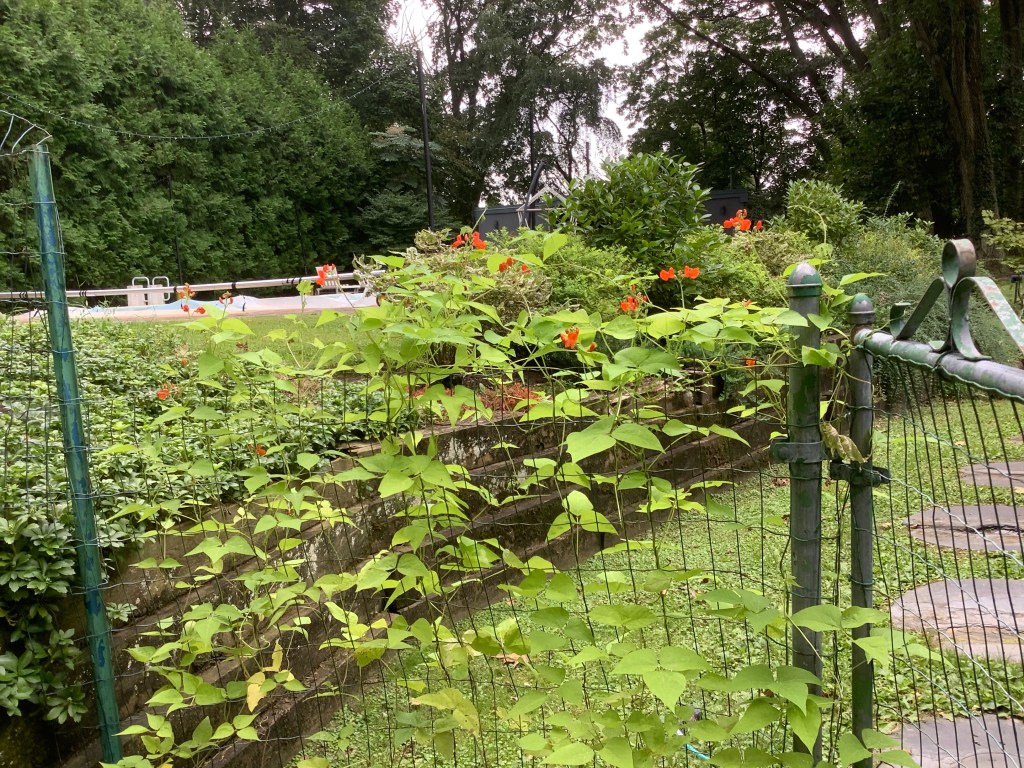
There are two types of beans, vining beans, and bush beans. They are just like their name suggests. Bush beans are bushy, and vining beans are vines and need support like a trellis. These dragon tounge beans are a bushy type bean, (though they still like to send out vines), and the runner beans are a vining bean. Here are some pictures:
Bush beans
The dragon tounge beans: bush/vining beans
And runner beans. Vining beans.
The next fact is also about the different types of beans. It’s how bush beans usually produce their harvest more all at once in a span of a couple weeks, and vining beans usually have a more spread out harvest time.
Well, that is all for today’s post! I hope you enjoyed it and learned something from this post. Stay tuned for my next post soon! Bye!
Hi guys! Today I am gonna go over the crops you can still plant NOW to gat a fall harvest. Let’s get started!
The first crop you can plant is arugula! Arugula cannot stand the heat and loves the cool weather. Arugula or rocket is a SUPER fast growing green and is amazing in salads. Sowing arugula seeds is really easy. All you have to do is grab some seeds and sprinkle them on the soil. Then water.
The second crop you can plant are radishes! Radishes are also a super fast growing root crop and you can also eat their leaves in salads. To start the seeds, use your finger to make a trench in the soil that is about a half inch deep. Then, sprinkle the seeds in the trench. Then water!
The next crop you can plant is lettuce! Lettuce is a great crop that does really well in cool weather and grows pretty darn fast too! Lettuce needs light to germinate so start the seeds like you would arugula.
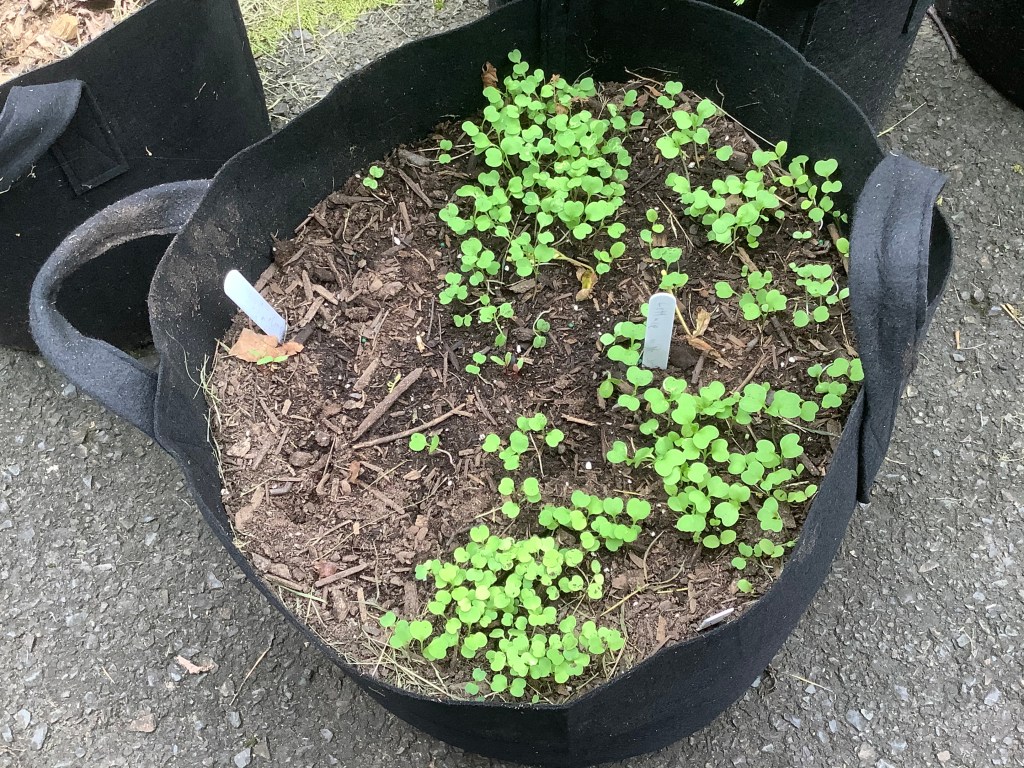
The last crop is bok Choy! Bok Choy is a Chinese lettuce and is a great fall crop. It loves the cool weather too! Sow bok Choy like any other lettuce.
That is it for today’s post! I hope you enjoyed it and learned something. Now go plant your fall crops! Bye!
The original tomato branch that I propagated got a disease. So around two weeks after I did the first tomato branch, I added another one just in case. So the tomato branch that I added is the one that is being transplanted.
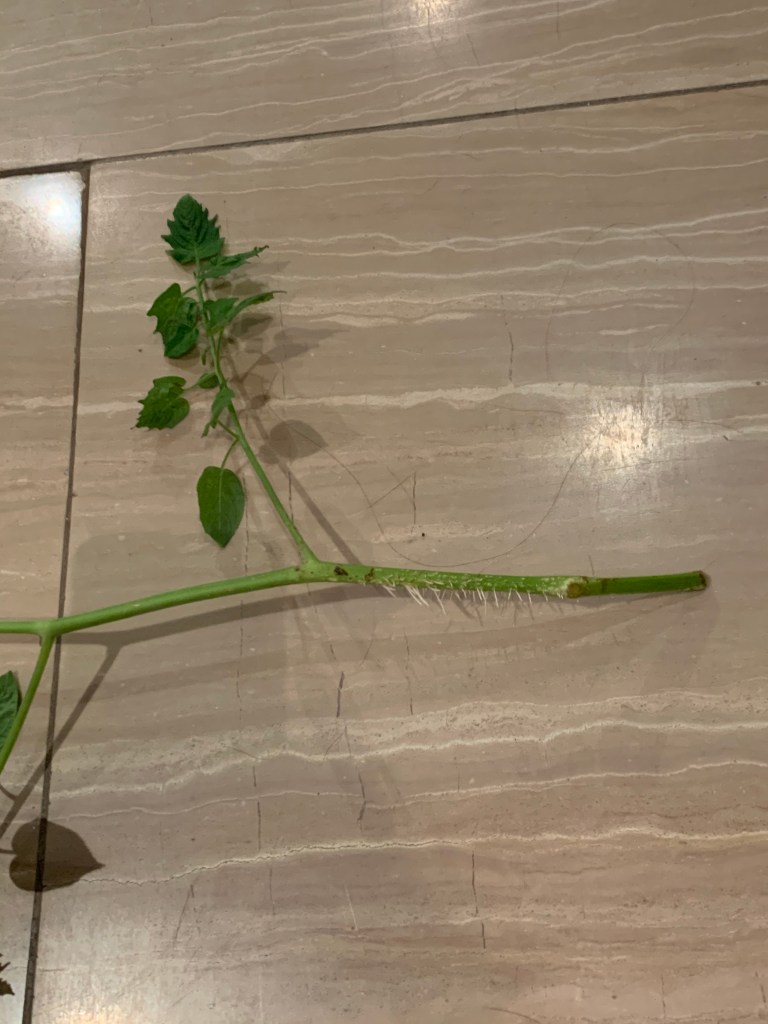
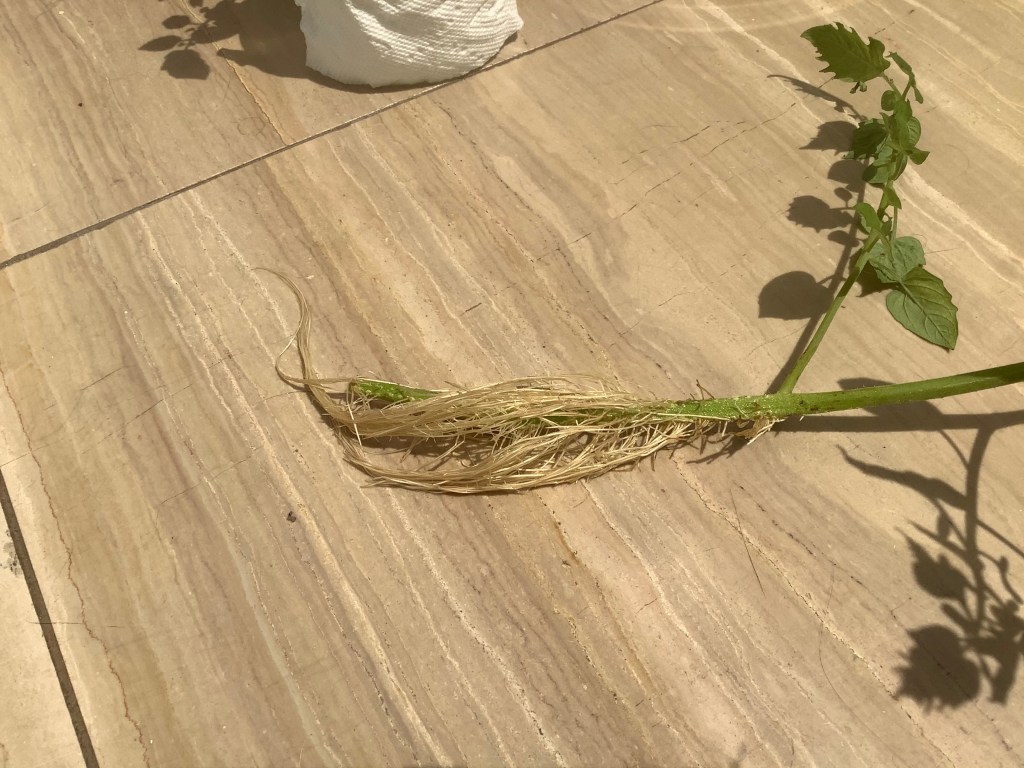
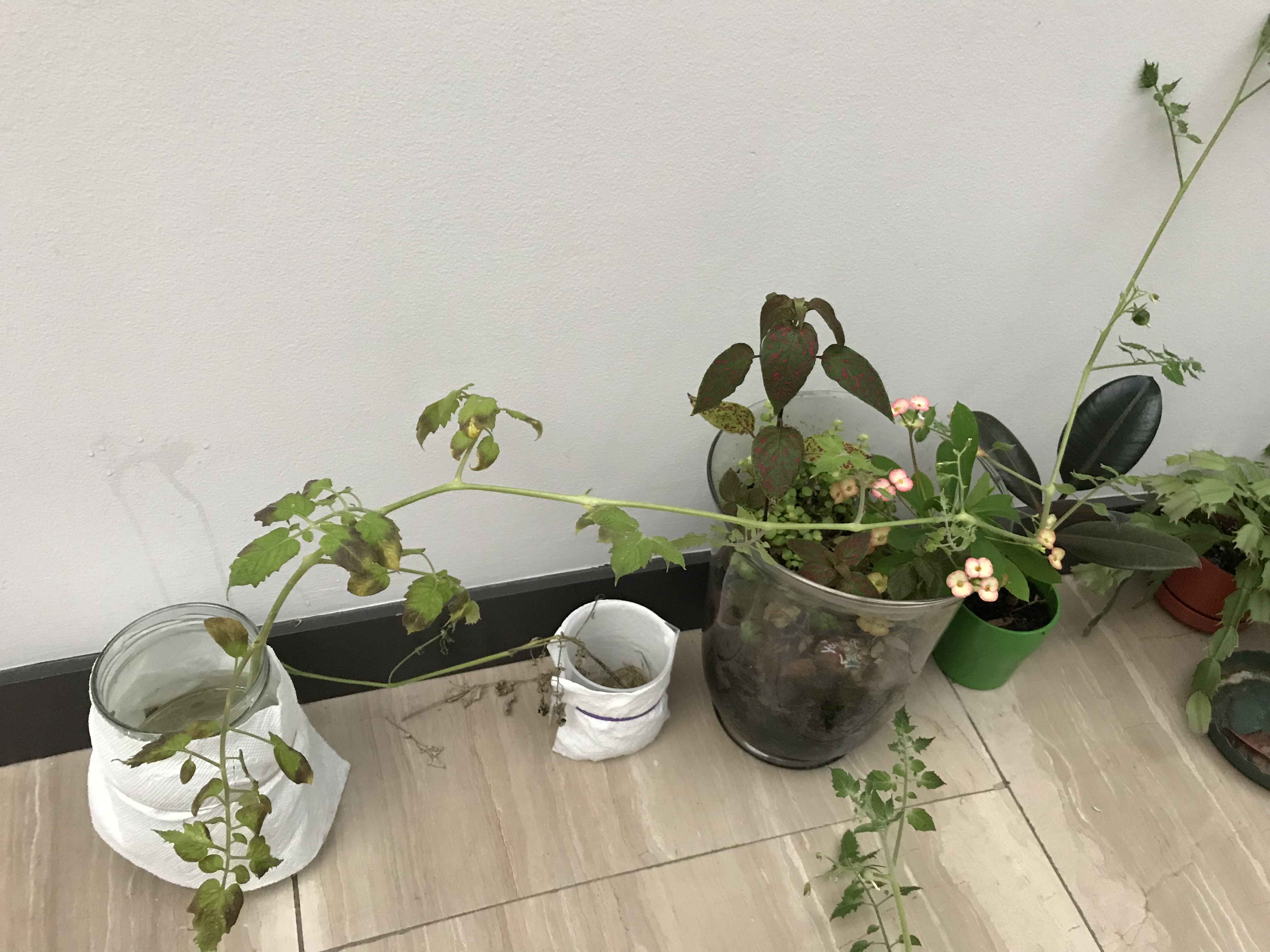
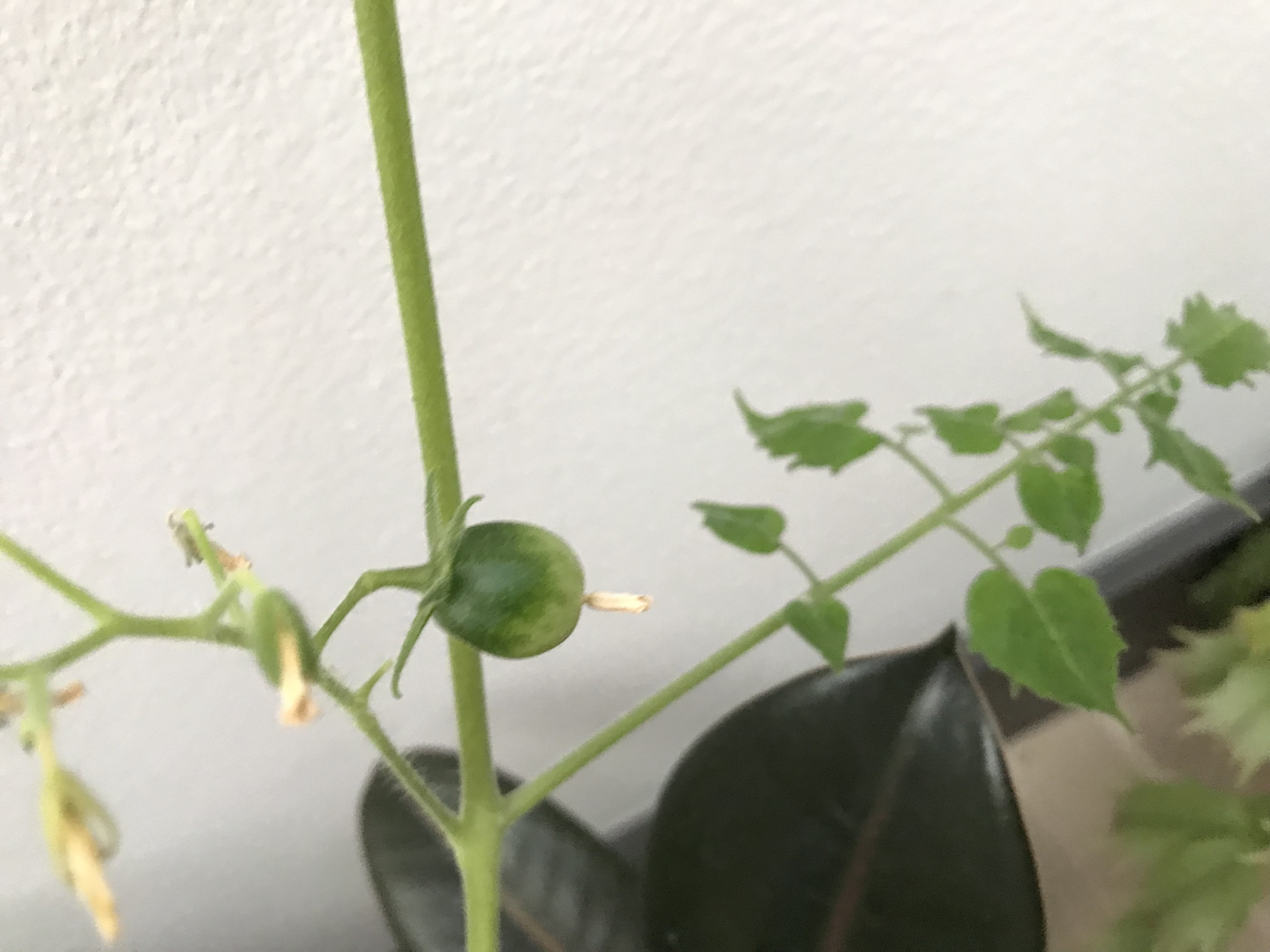
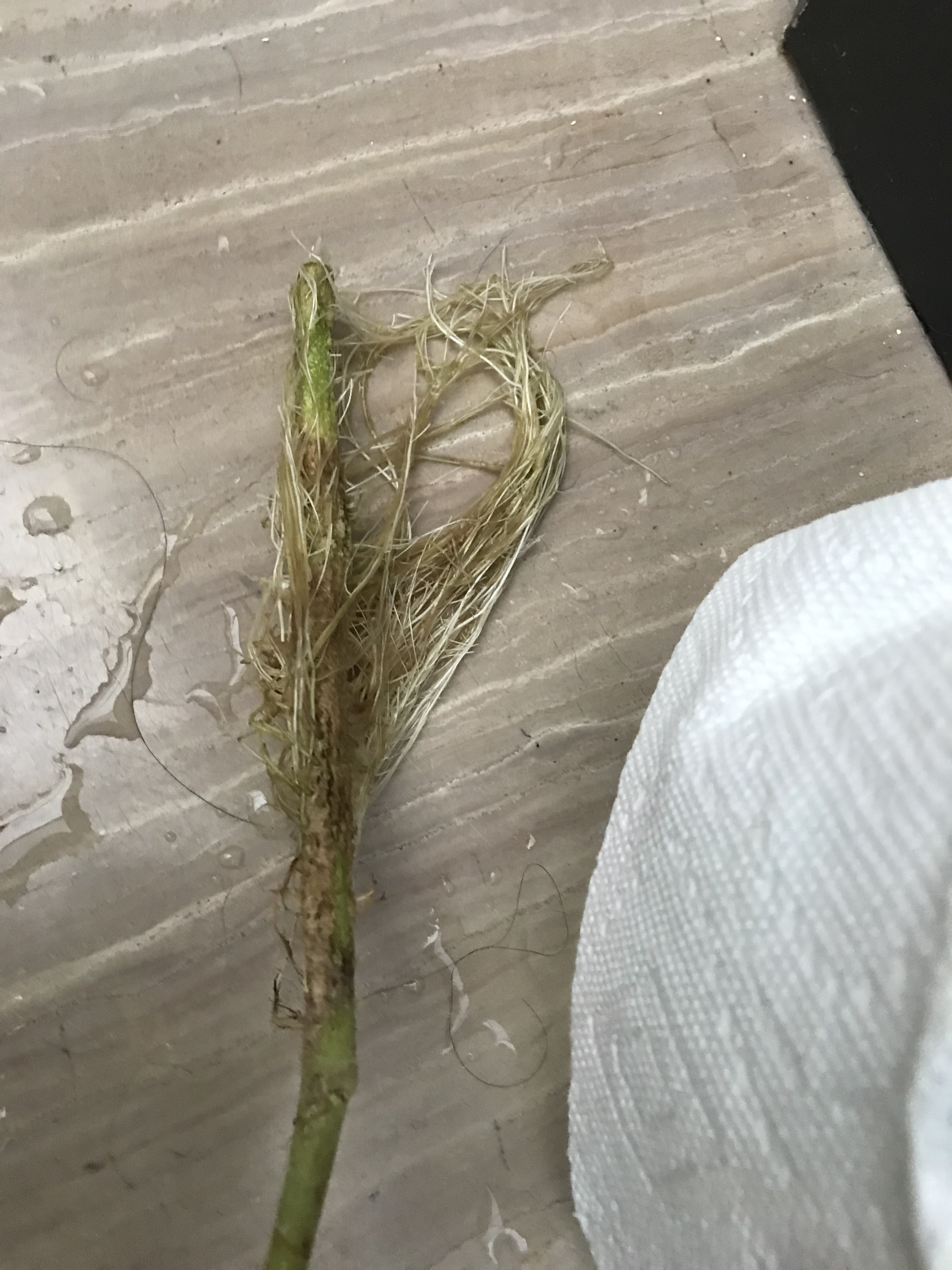
The tomato branch that I transplanted had a healthy amount of roots and already had some mini cherry tomatoes on the vine. So all in all, the tomato plant transplanted pretty well. here is the tomato plant a couple days after transplanting.
As you can see, it is a little bit shocked, but it will recover!
That is it for today’s post! I hope you enjoyed it. Bye!
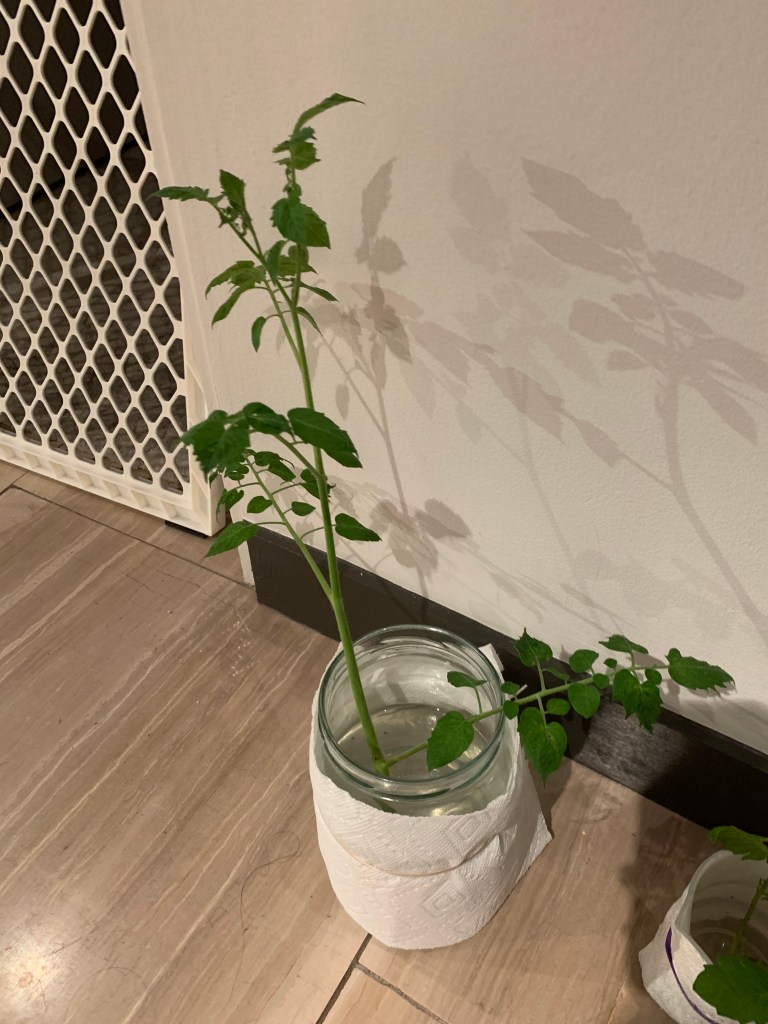
Here is the tomato branch after a little over two weeks:
At this point, you can already plant it in the soil. But I am going to wait a little longer.
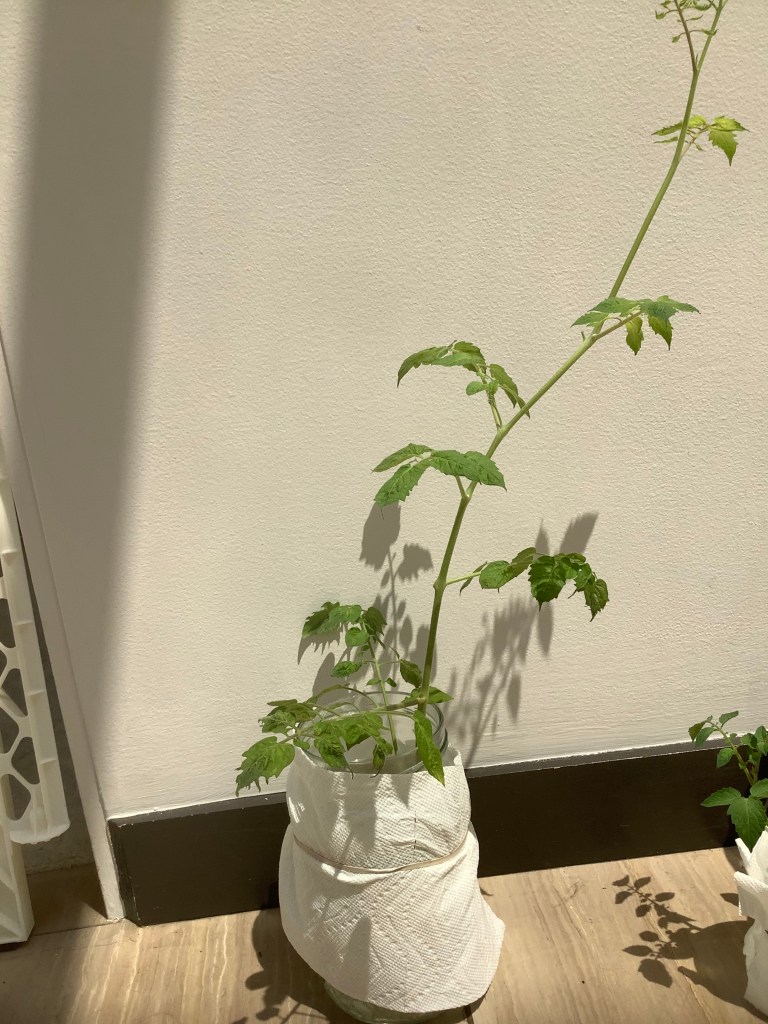
And finally, here is the tomato branch after about a month:
Propagating tomato tips:
-Change the water out every couple days. This is because the water doesn’t really have a lot of nutrients for your tomato plant. So changing the water out makes sure that your tomato branch grows roots.
-When I propagated my tomato plant, I left it in the water for a pretty long time. When you are propagating your tomato branch you do so that have to wait a whole month. You can plant your tomato branch after two to three weeks.
That is today’s post! I hope you learned something. Stay tuned for my next post, Bye!










 Tiger Shakti