Neem Oil: The Best Way to Eradicate Plant Pests and Diseases Naturally

While there are many different ways to deal with pests on your plants, neem oil is by far the best option for dealing with them. Unlike many other pest treatments available, neem oil is both effective and natural.

According to the EPA, cold pressed neem oil has no health risks as it is derived from plant material. It is also perfectly safe to use on outdoor plants as well as houseplants with no negative effect on the environment or pollinators.

Neem oil can be purchased in a concentrate form or in a pre-made solution. I prefer to buy a concentrated bottle of neem oil and make the solution myself as it saves both money and plastic.
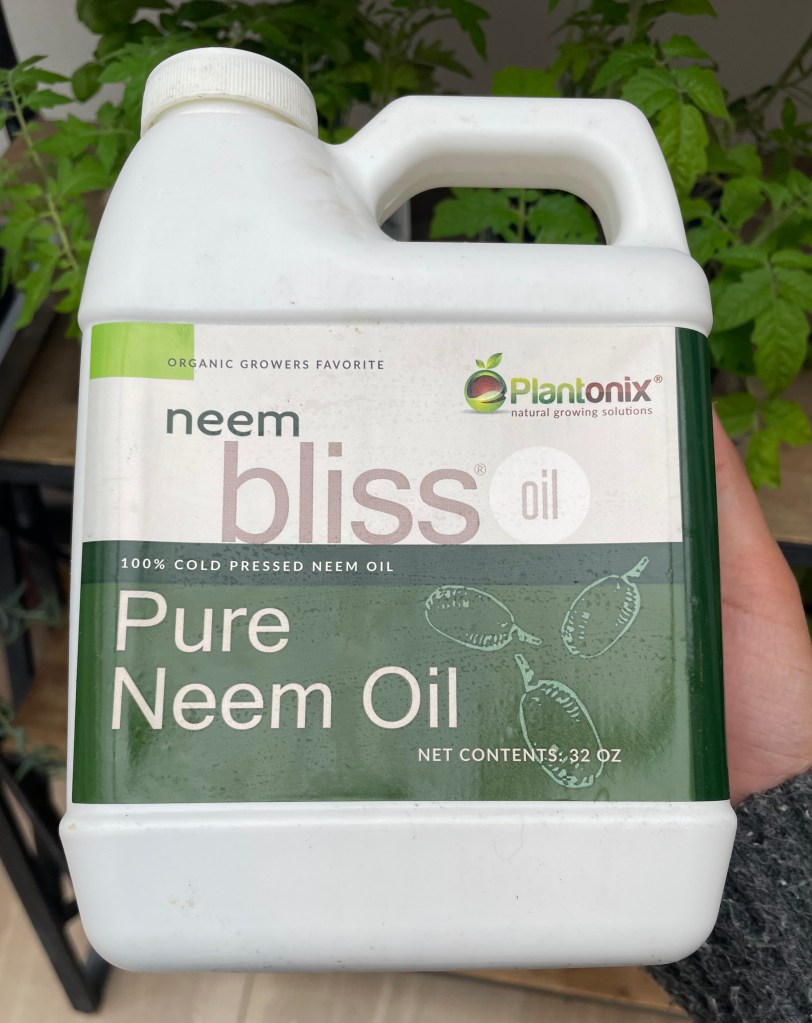
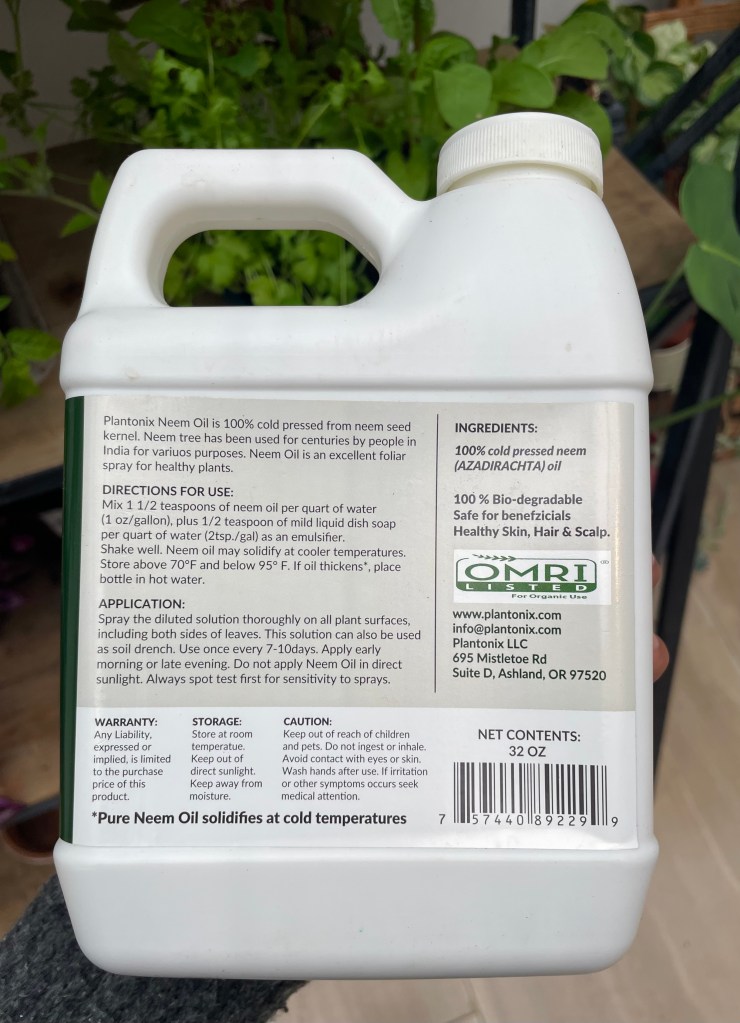
How to make neem oil solution with a bottle of concentrate:

  • Mix 1 1/2 tsp of neem oil concentrate per 1 quart of water
  • Add 1/2 tsp of mild liquid dish soap per quart
  • Shake until both the neem oil and the soap are mixed together with the water

Using neem oil solution is very simple! All you need to do is spray the affected plant down every 10-14 days until the pests have been eradicated. This solution can be used to get rid of or prevent all sorts of plant bugs and pests, including mealybugs, aphids, and spider mites! Neem oil can also be used every two weeks as a preventative or treatment for and mildew diseases (ex. Powdery Mildew).

That is everything you need to know about using neem oil to protect your plants. Neem oil is a great option for both outdoor and indoor plants!
Plants You Can Grow In Full Sun!

If you still need to pick a spot for a garden or start one, check out this post:

https://tigershakti.org/2022/12/11/how-to-start-a-garden-p-1/

To learn how to measure sun in your garden, check this out: https://tigershakti.org/2022/12/03/how-to-measure-sun-in-a-garden/

If you have full sun in your garden, (6+ hours of direct sun) you are in luck! That means you can grow almost any plant! Some plants you can grow are:

Veggies: Tomatoes, peppers, squash, carrots, radish, peas, kale, onions, garlic, cucumbers, fennel, lettuce, asparagus, Brussels sprouts, artichoke, okra, gourds, potatoes and sweet potatoes, green beans, eggplant, tomatillos, corn,


Fruits: Strawberries, blueberries, raspberries, fruit trees, melons.


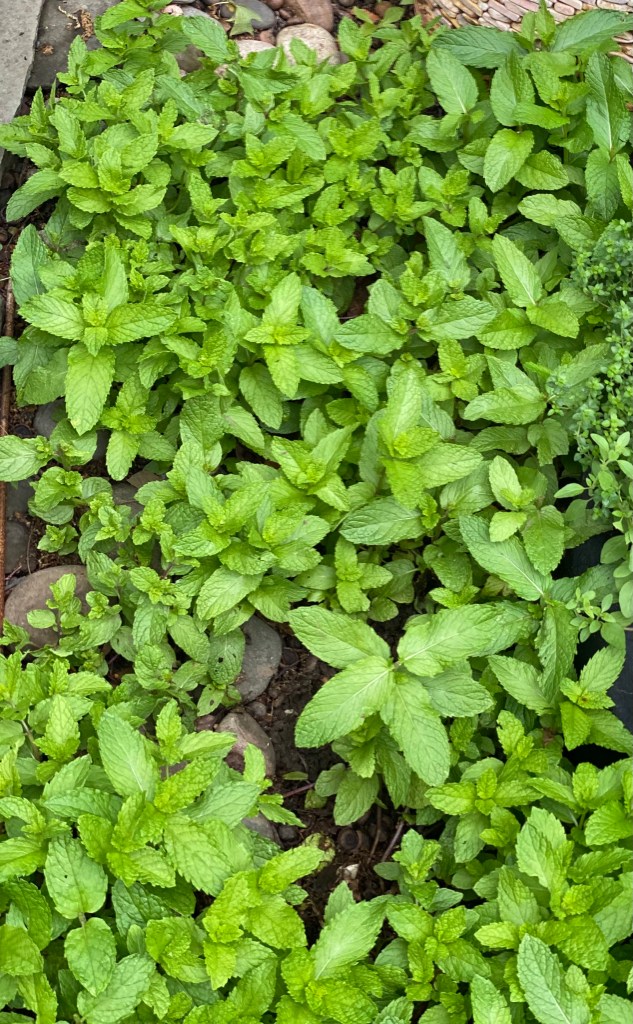
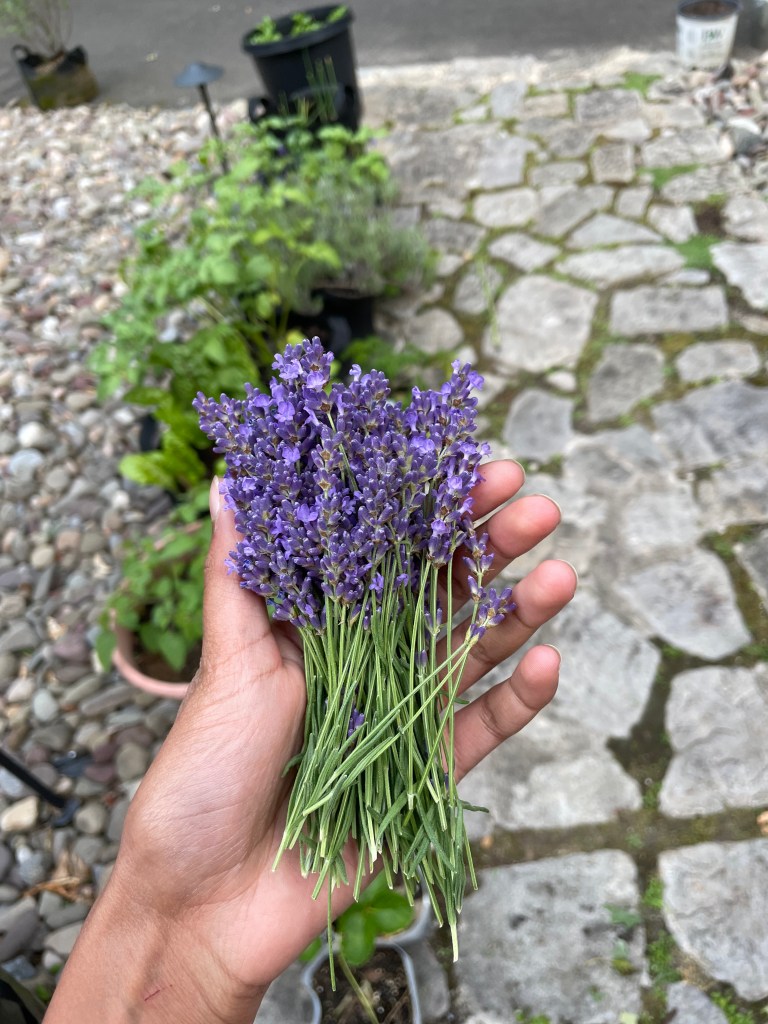
Herbs: Mint, rosemary, thyme, lavender, oregano, basil, chives, dill.


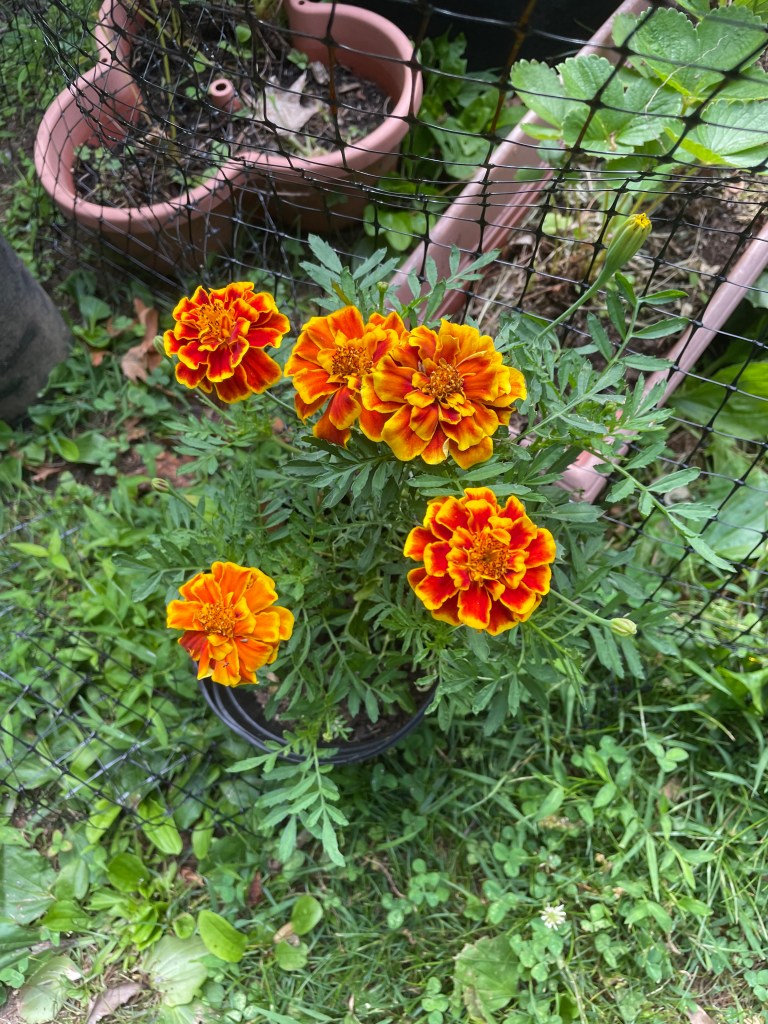
Flowers: Rose, marigold, cosmos, daylily, bee balm, black eyed susan, petunia, sunflower, zinnia, dahlia.

Etsy: https://www.etsy.com/shop/SolisandLunaCrafts

Patreon: patreon.com/tigershakti

Youtube: https://www.youtube.com/channel/UC1QsDmyuTX4rtw9tpMLw3xQ

That’s it for today! Check out my Etsy and Patreon!

Sources: https://morningchores.com/full-sun-vegetables/ https://www.gardeningknowhow.com/ornamental/flowers/fgen/full-sun-plants.htm

How to start a garden! P. 1

Check out what plants you can grow in your garden!

With everything that is going on right now, growing a little food to have even a little bit of food security is a good idea. -But gardening has so many other benefits than just producing food. Gardening can help with PTSD, keep you more active, and nourishes your mind and body.

If you live in an apartment, don’t worry. Believe it or not, you can grow a garden even in an apartment! Check out this post to learn how you can grow your own fresh food in mason jars in your home! https://tigershakti.org/2020/05/29/how-to-grow-your-own-indoor-garden-post-1-mason-jar-herbs/

You can start planning and building your garden ANYTIME. Even in the middle of the winter! The first step to starting a garden is to pick out the place you want to put it. The space you choose for your garden should be easily accessible so that you will stay motivated to work in it, and it should be as sunny as possible. If you can, measure the hours of sun your garden space gets. To do this, check out my post on measuring sun in the garden here. https://tigershakti.org/2022/12/03/how-to-measure-sun-in-a-garden/

You can also find out how much direct sun an area gets by buying a sun meter. All you have to do is stick it in the ground in the place you want to measure sun, and wait! Within a day it will tell you how much sun it got. Here is a link to one of those: https://www.amazon.com/Luster-Leaf-1875-Rapitest-Calculat

Now that you know how much sun your chosen garden space gets, it is time to pick the plants that you can grow. Different plants grow better with more or less sun.

If your garden space gets 6-8 hours of sun, that is considered full sun. it means you can grow any plant that loves sun there.

If your garden gets 3-6 hours of direct sunlight a day, it is considered partial shade. You can still grow almost all of the same plants as you can in full sun.

If your garden space gets 2-3 hours of sunlight a day, it is called full shade. You can not grow as many different plants here as you can in sunnier locations, but you can still grow a bountiful garden.

Now that you have your garden space, how much sun it gets, and what plants you can grow, the next step is to plan your garden layout. Stay tuned for that post!

Patreon: patreon.com/tigershakti

Etsy: https://www.etsy.com/shop/SolisandLunaCrafts

Youtube: https://www.youtube.com/channel/UC1QsDmyuTX4rtw9tpMLw3xQ

How to measure sun in a garden!

Different plants need different amounts of sunlight, but how do we find put how much sunlight your garden gets? In this post, we will find out how to measure sun in the garden.

This method for measuring sun in the garden is called a sun log. All you have to do is every couple of hours, take a picture of your garden space. Then, look at which pictures show your garden in sunlight. Then you know how many hours of sun your garden gets. Here is an example:

This is my garden bed around 10:30
This is it at 12:00
My garden bed at 2:30

Using these pictures, I can see that my garden bed gets dappled sunlight at 10:30, and then goes onto shade for the rest of the day. Now what I should do is I should take pictures of my garden bed at 8 to 11 to see exactly how many hours my garden bed gets.

That’s it! Thanks for reading this post, if you have any questions, comment down below and I’ll be happy to answer!

Etsy: https://www.etsy.com/shop/SolisandLunaCrafts

Patreon: patreon.com/tigershakti

Youtube: https://www.youtube.com/channel/UC1QsDmyuTX4rtw9tpMLw3xQ


Plant profiles: Mint (#2) How to make mint tea!

Hello everyone! How are you? I hope you are having a good day! In today’s post, I am going to show you how you can make mint tea with your home grown mint! Let’s get started!

Mint tea is such a good way to warm up in the long winter months. Just imagine making a cup of warm mint tea and curling up on the couch to watch the snow fall. 🙂 We don’t even wait for the cold months to come before we drink mint tea, we drink it in the summer too! Anyways, here are the steps on how to make mint tea.

Step #1: Get your mint.


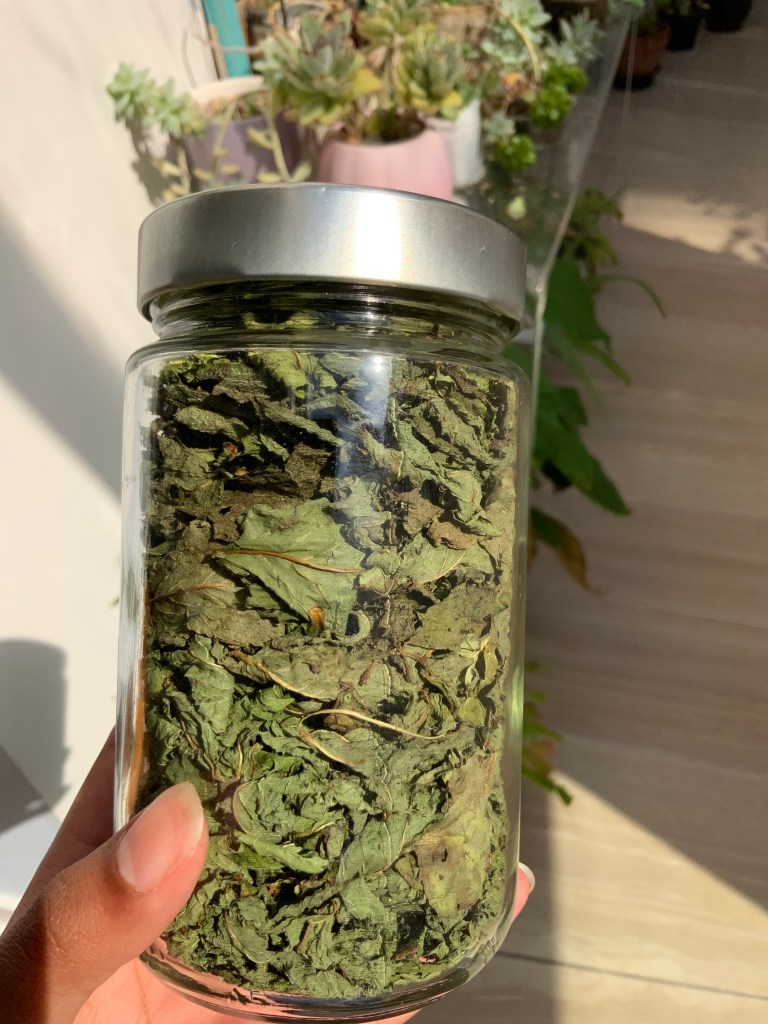
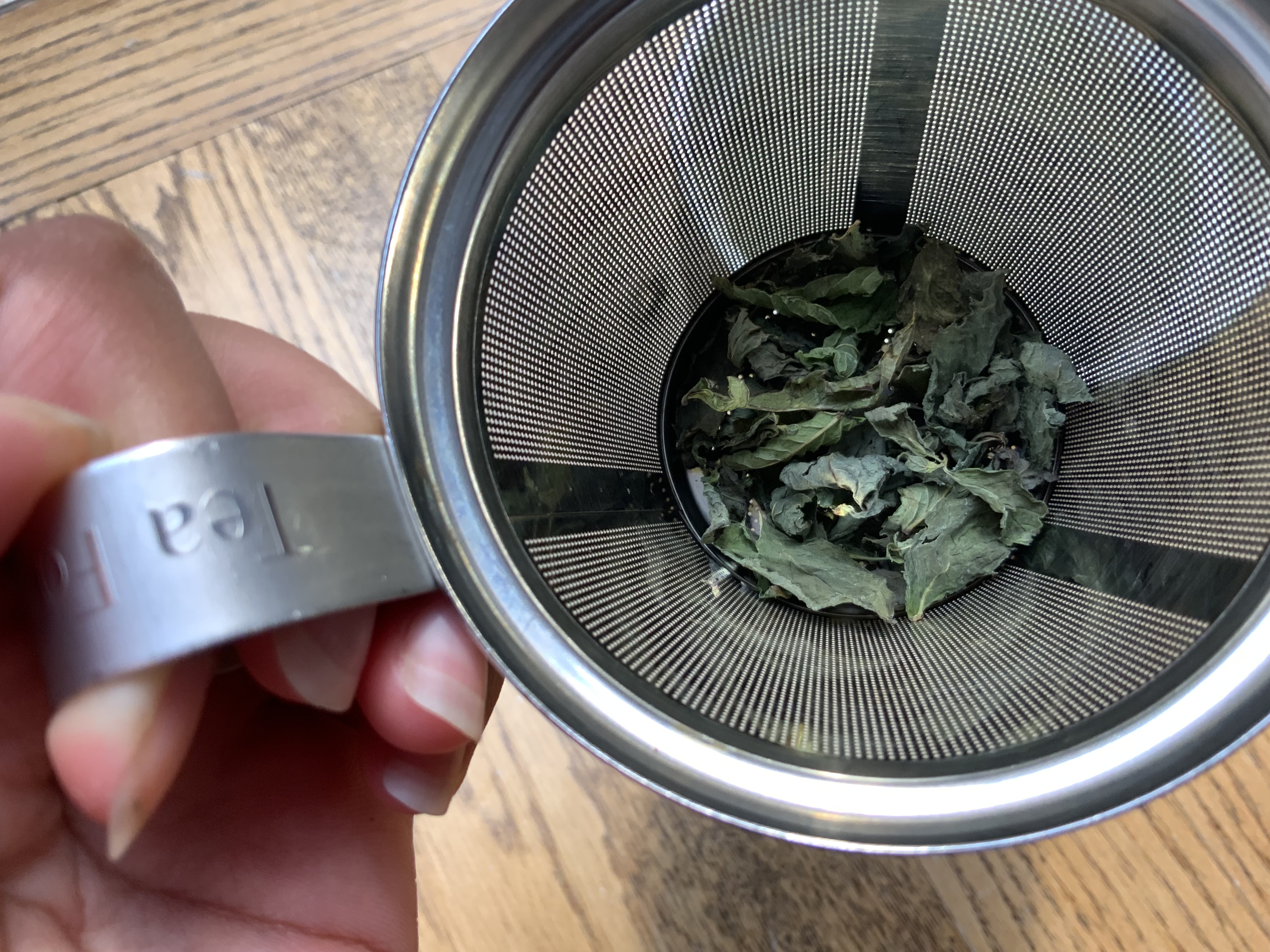
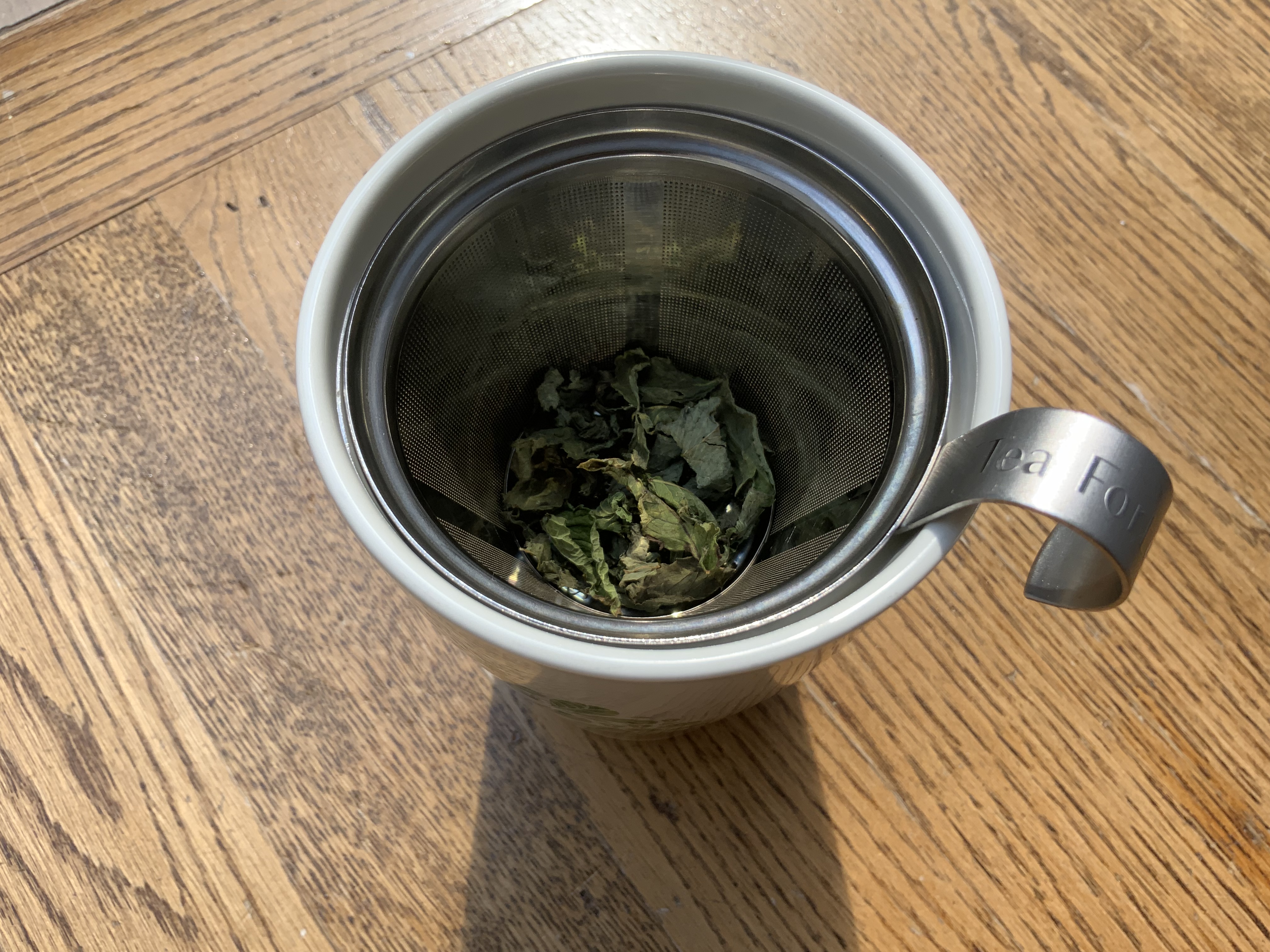
To make mint tea, you can use dry mint, or fresh mint. The only thing is, when you make mint tea with freshly picked mint, it is not as good as if you make mint tea with dried mint. (So we prefer to make mint tea with dried mint.) Check out some posts I did on how to dry herbs HERE.

The other good thing about using dried mint for your tea, is that you can cut and dry your mint in the summer, and then you can used your dried mint all through out the winter.

Step 2: Warm up your water


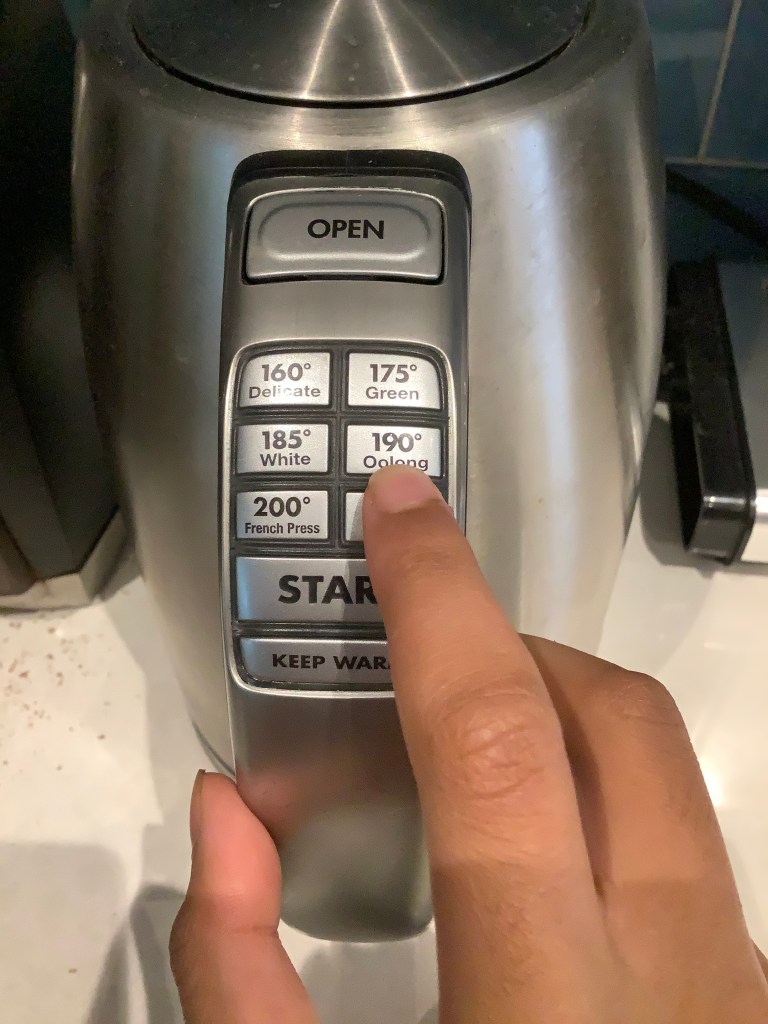
We warm up our water to about 190 degrees Fahrenheit.

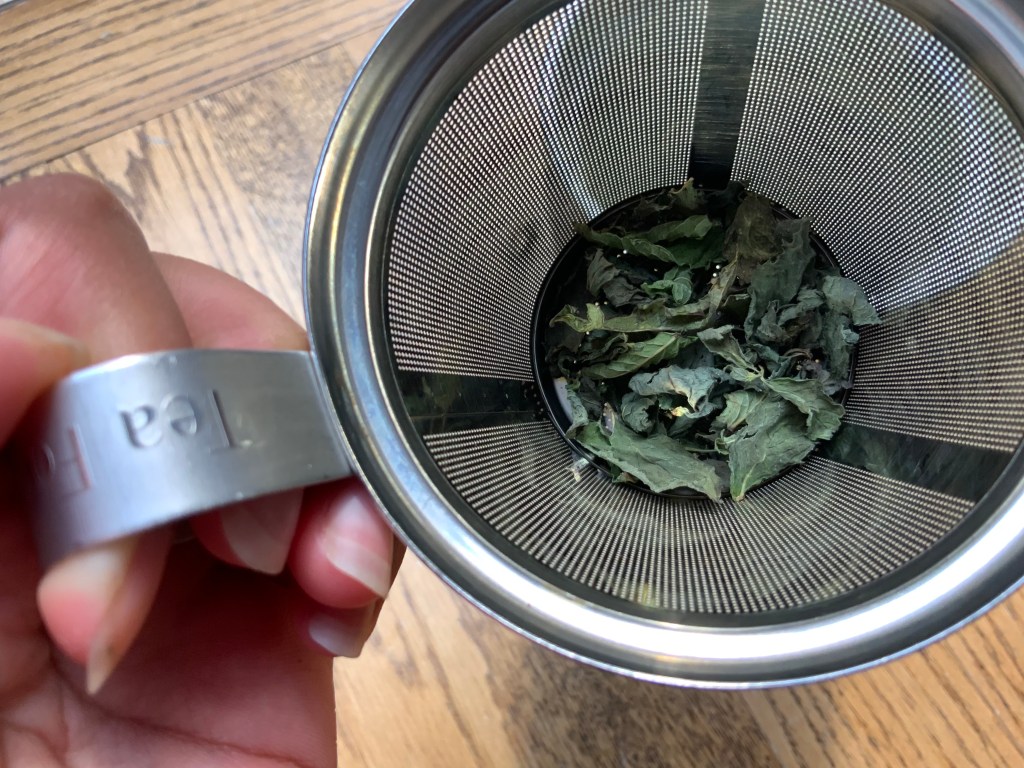
Step 3: put your mint in!


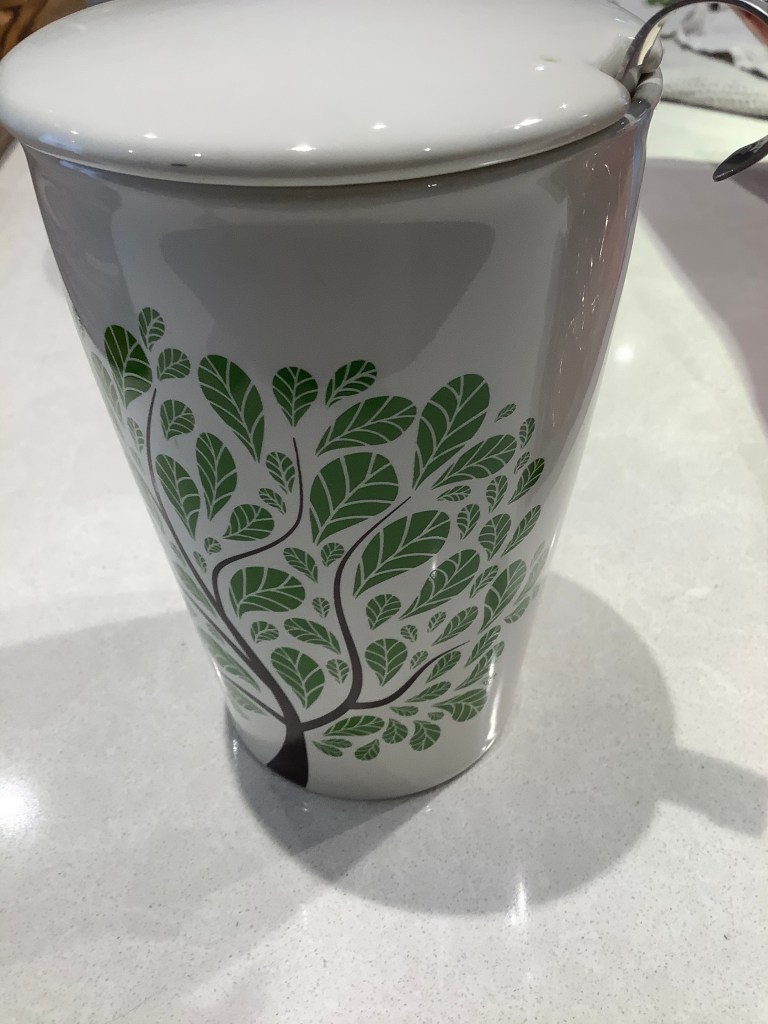
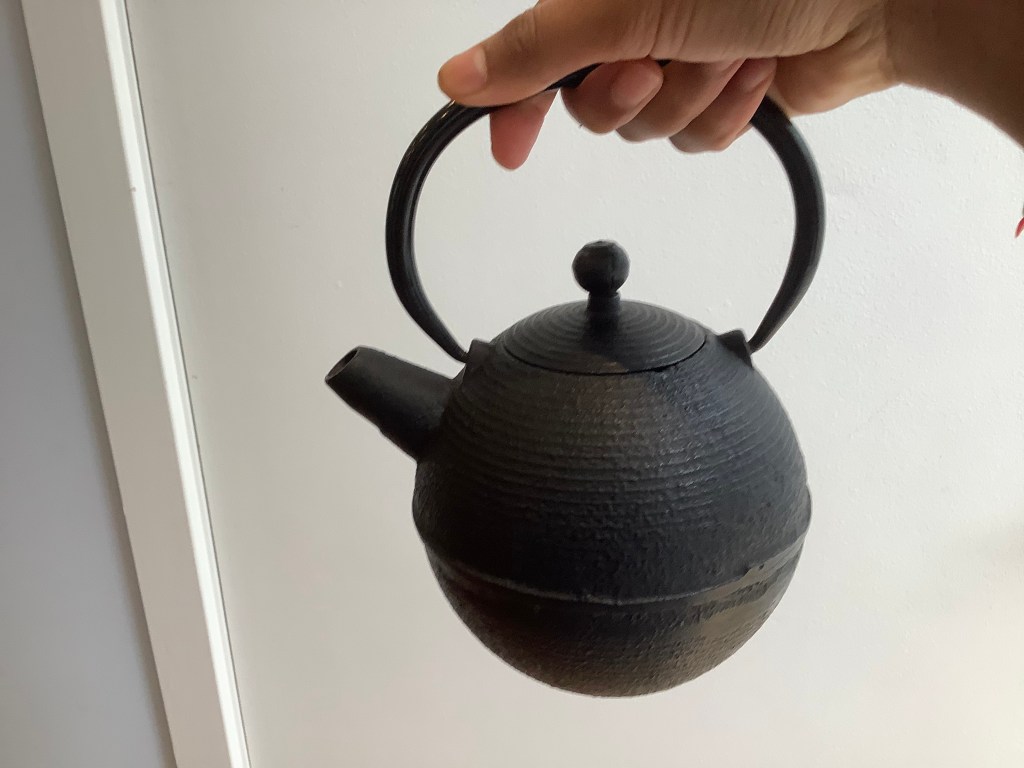
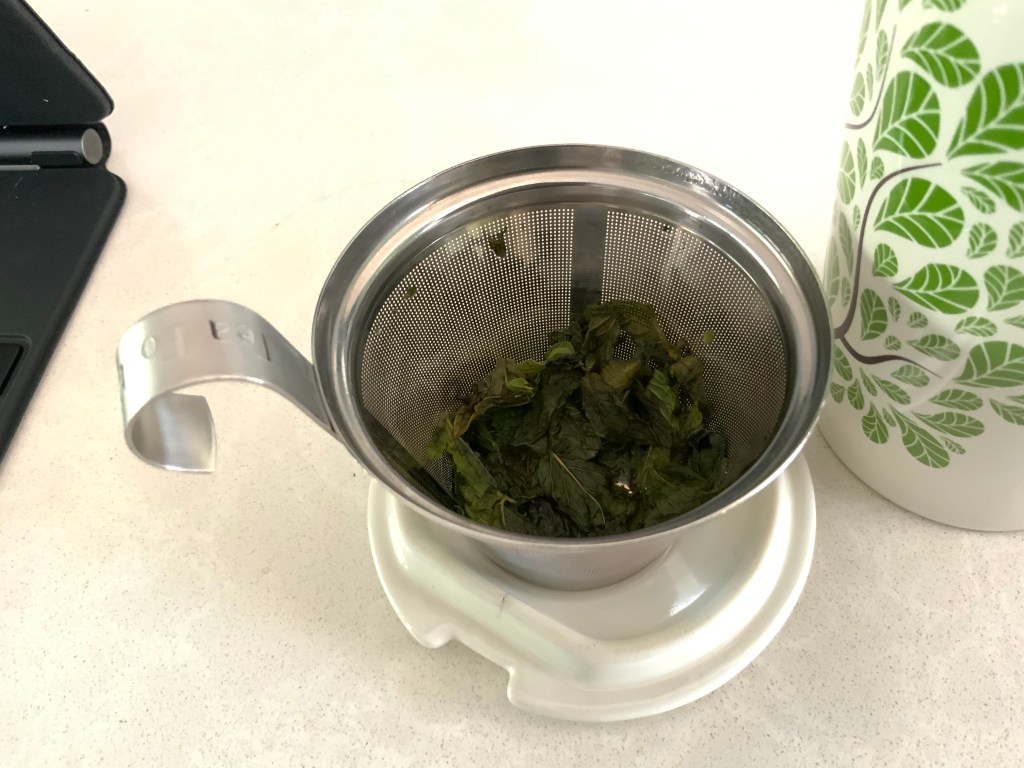
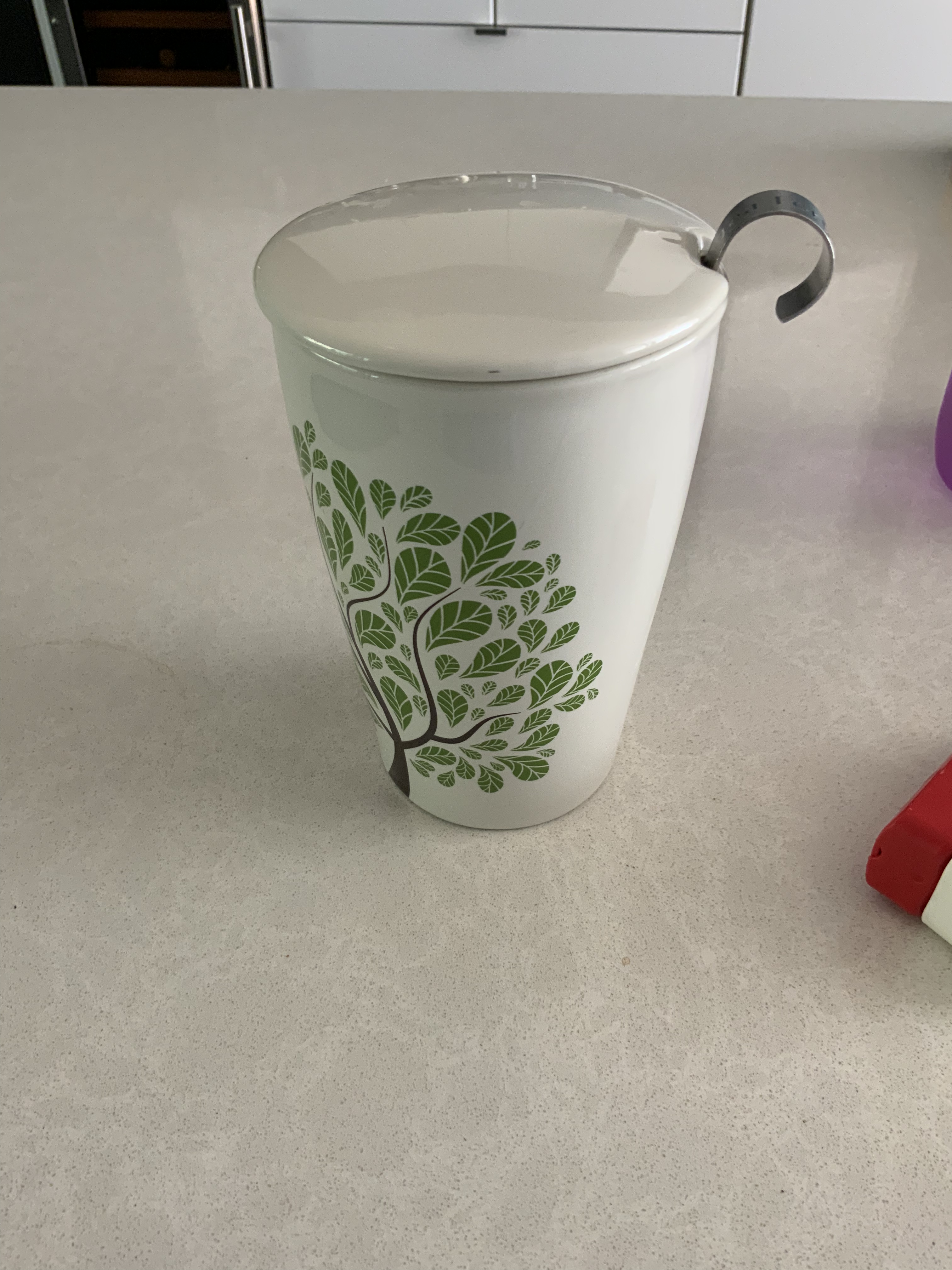
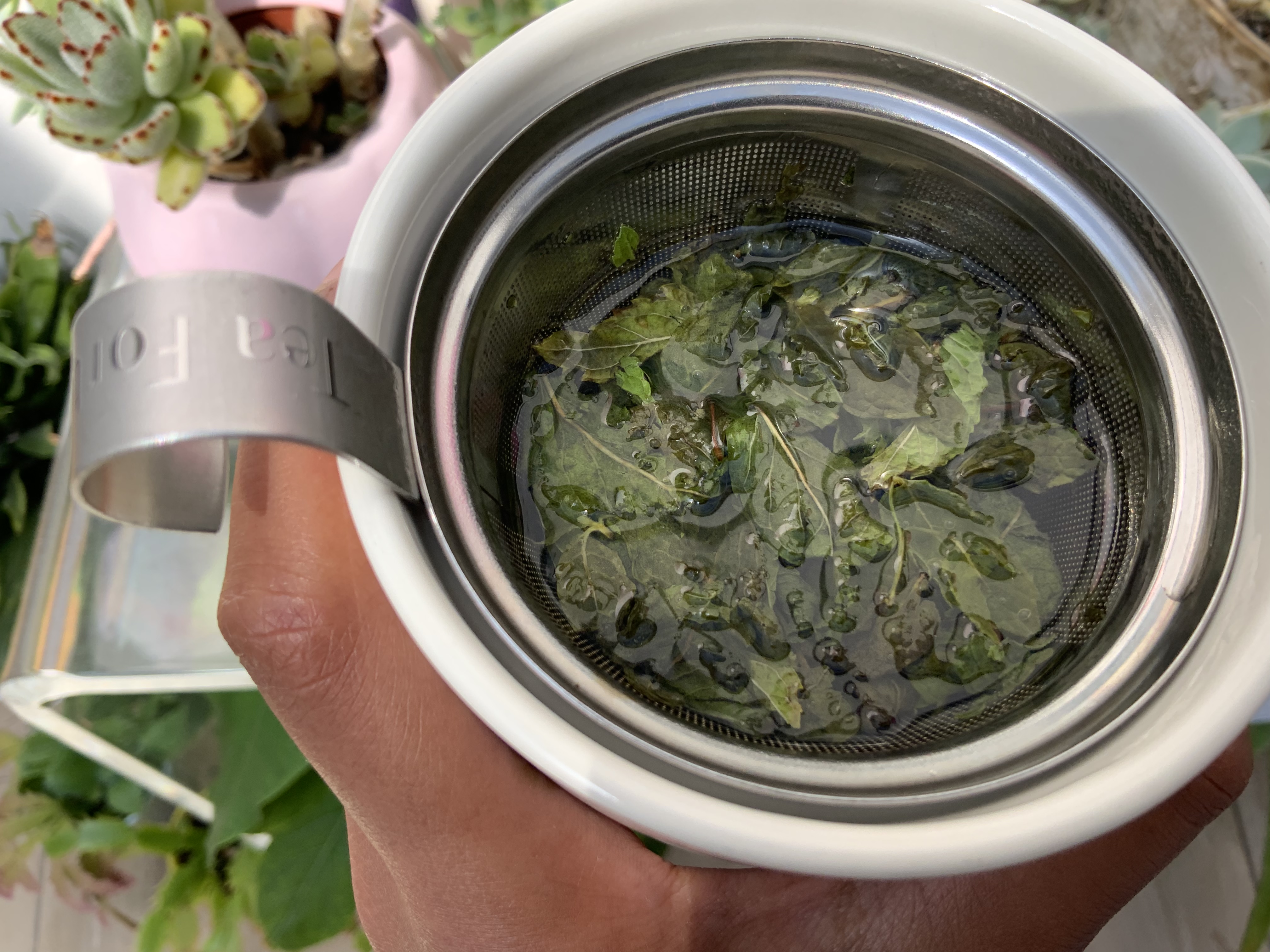
We like to use these cups for making mint tea for one person, but you can use a tea pot too!

Step 4: Pour and wait!

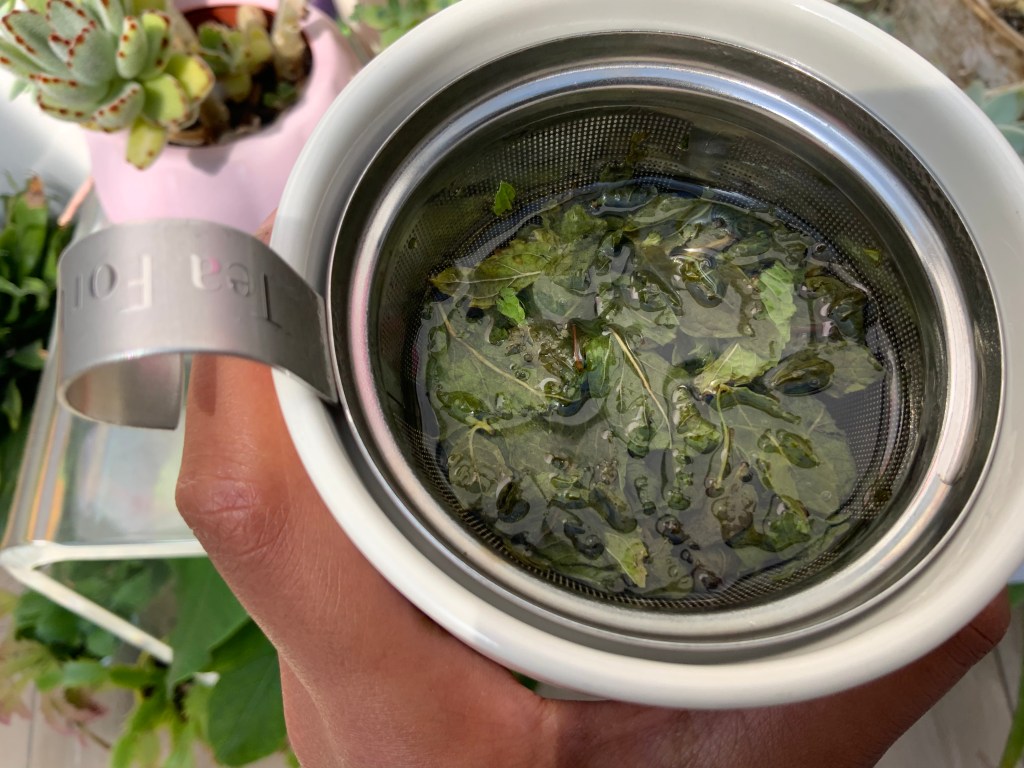
Once you have your mint in your pot and you water at 190 degrees Fahrenheit, you can pour your how water through the mint into your tea cup/pot till your mint is covered with water.


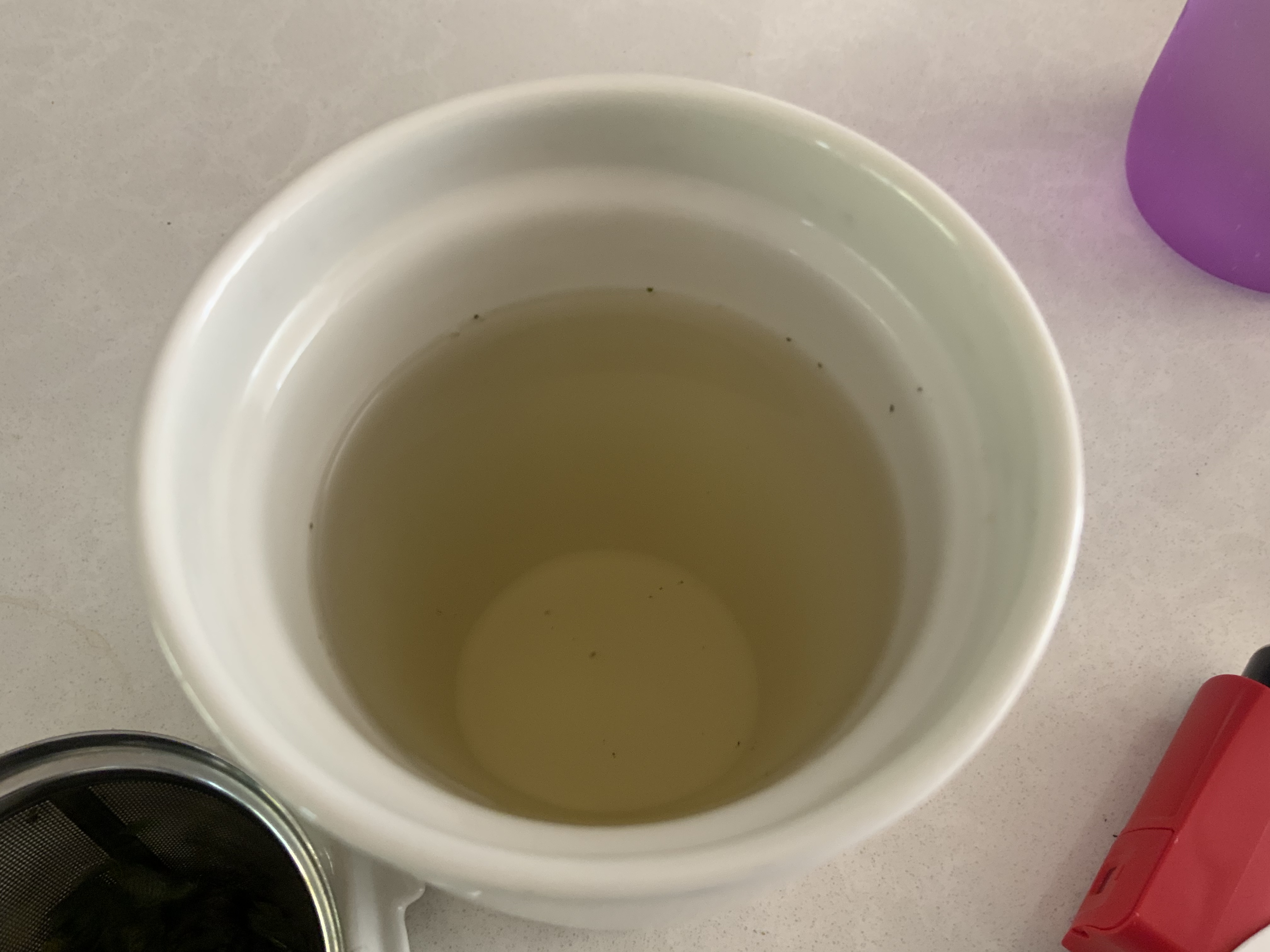
Now, all you have to do is wait! For dried mint, we like to let our mint steep for about 3 minutes. Feel free to test out different steeping times though!

Finally, once your tea had steeped to the point where you like how it tastes, take out your mint strainer and enjoy!

Plant profiles: Mint (#1) Diy mint water!

Hello everybody! I hope you are having a good day! Today I want to share with you how you can make mint water with your homegrown mint! Let’s get started!

Mint water is so refreshing and a great summer drink! It is so easy to make as well! Here is what you have to do to make your own mint water.

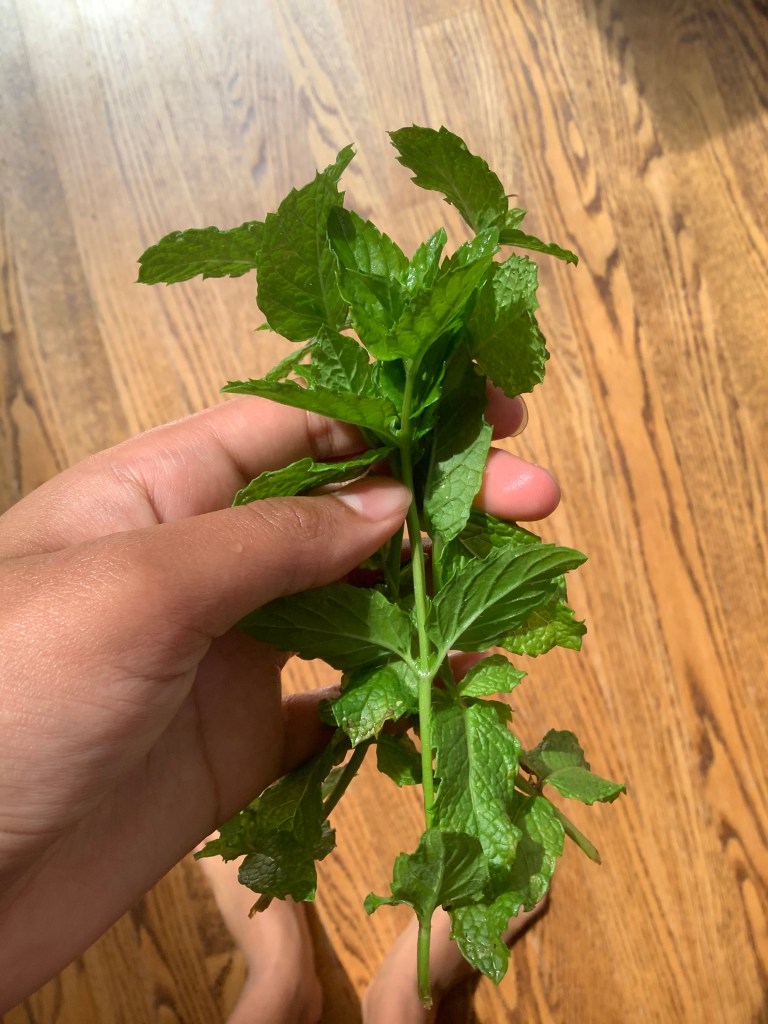
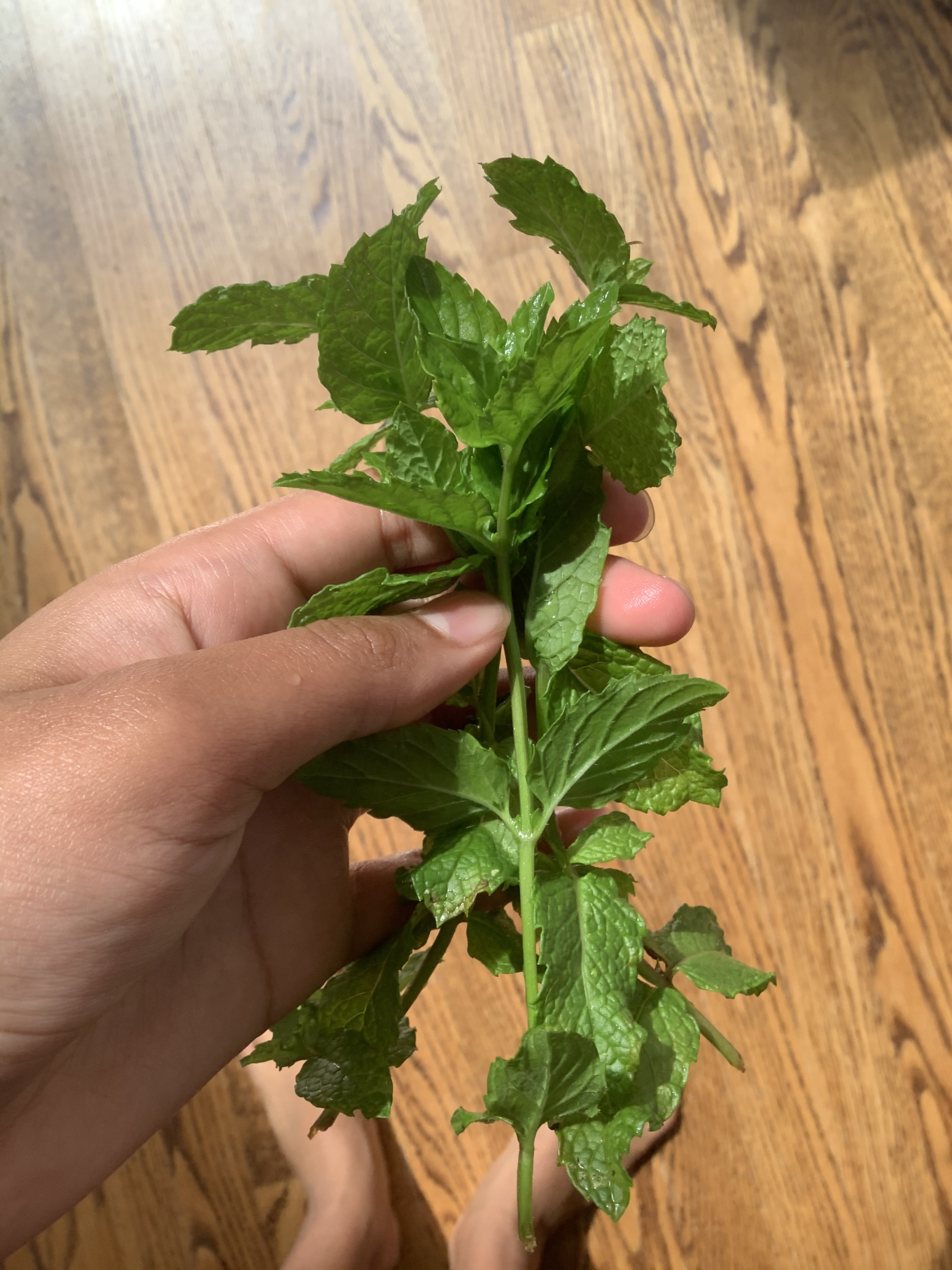
Step one: Pick your mint.

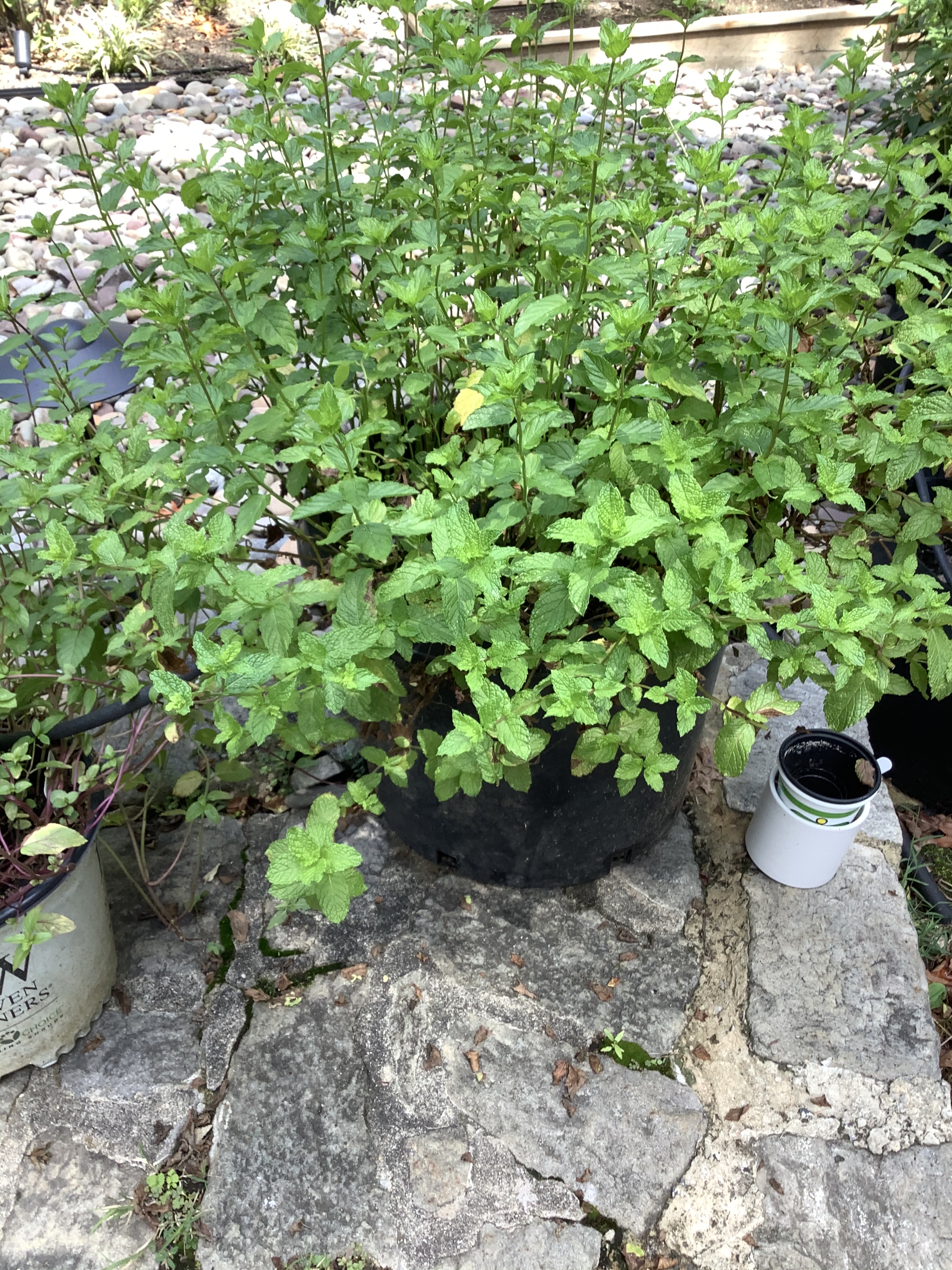
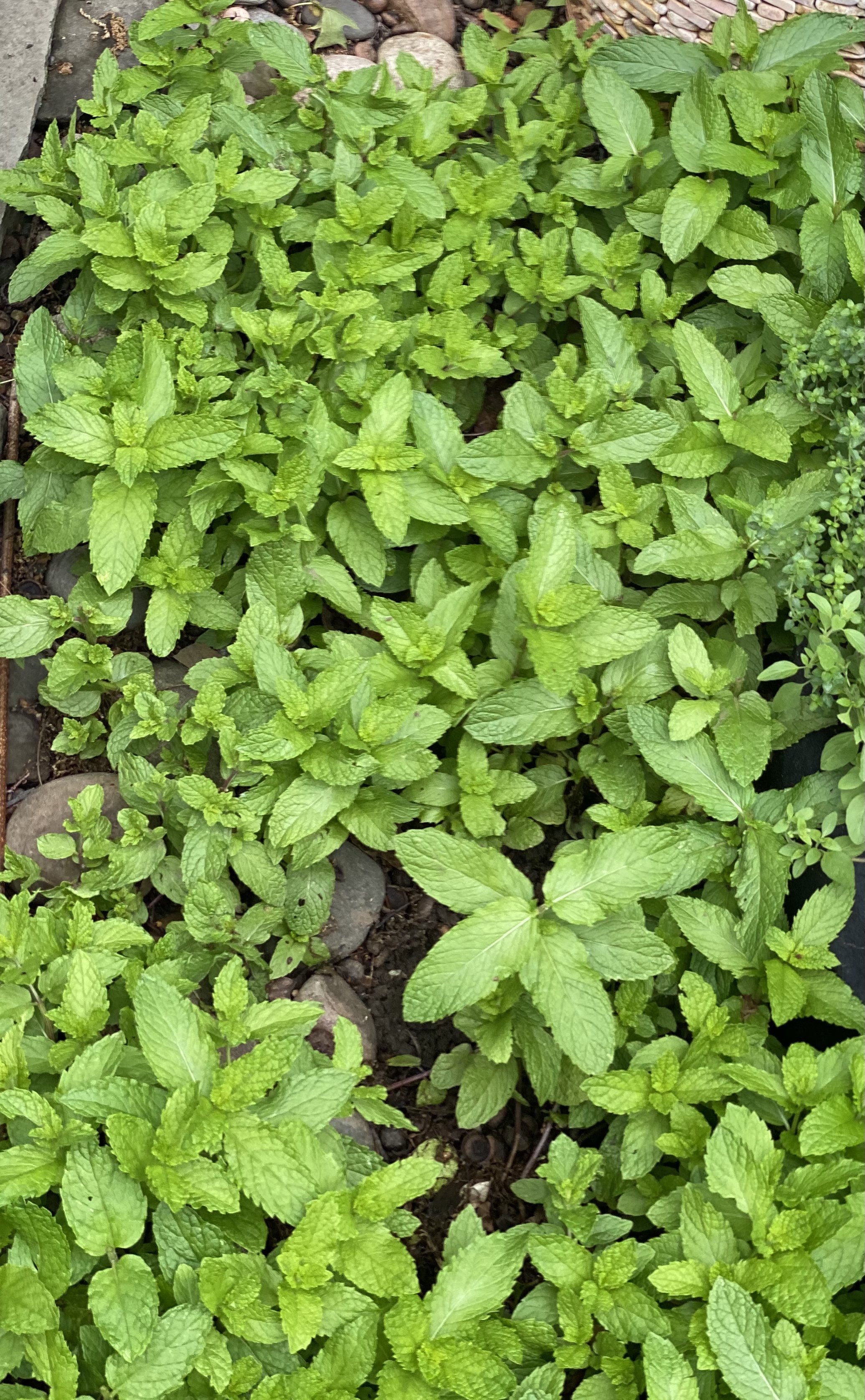
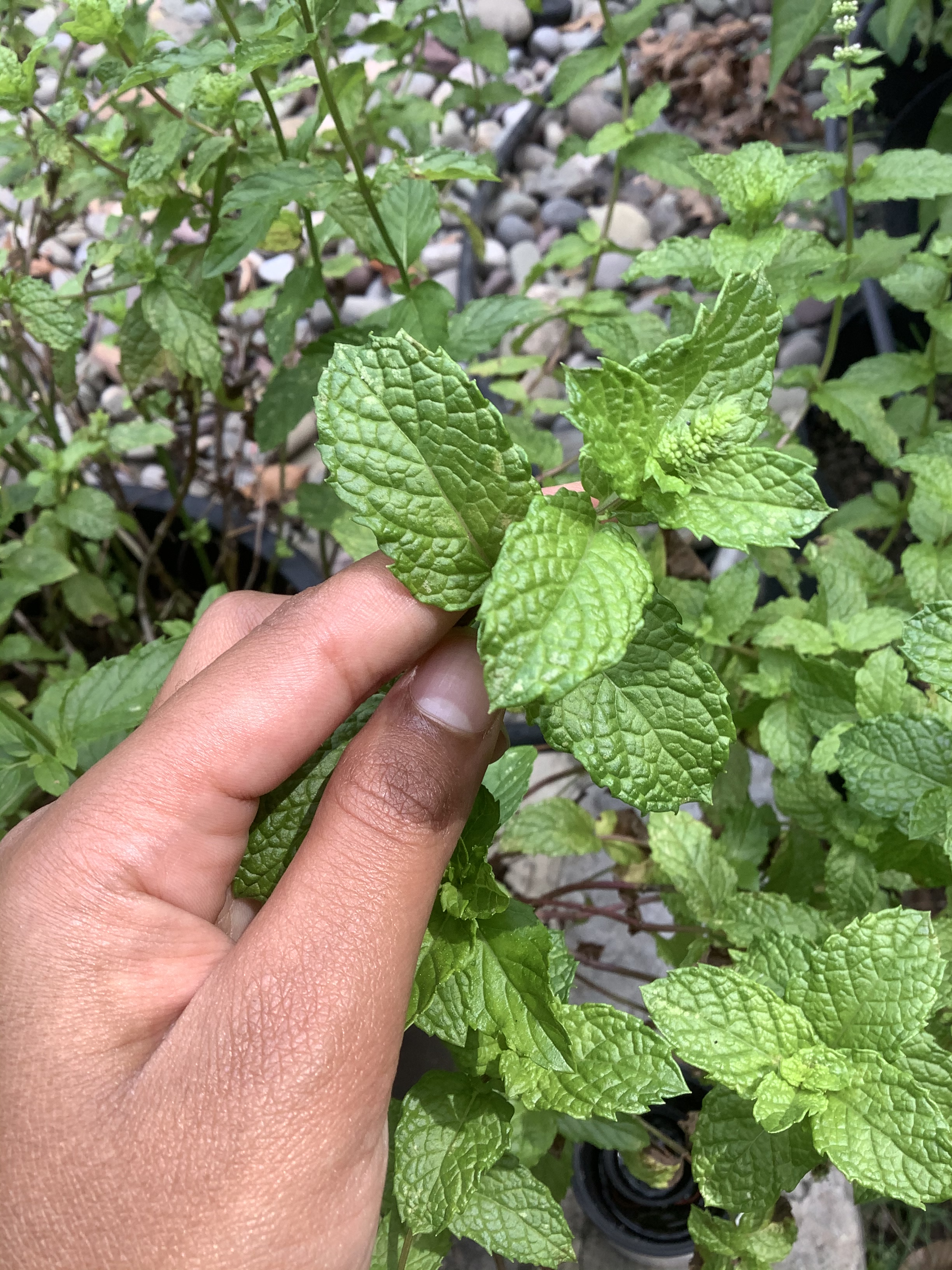
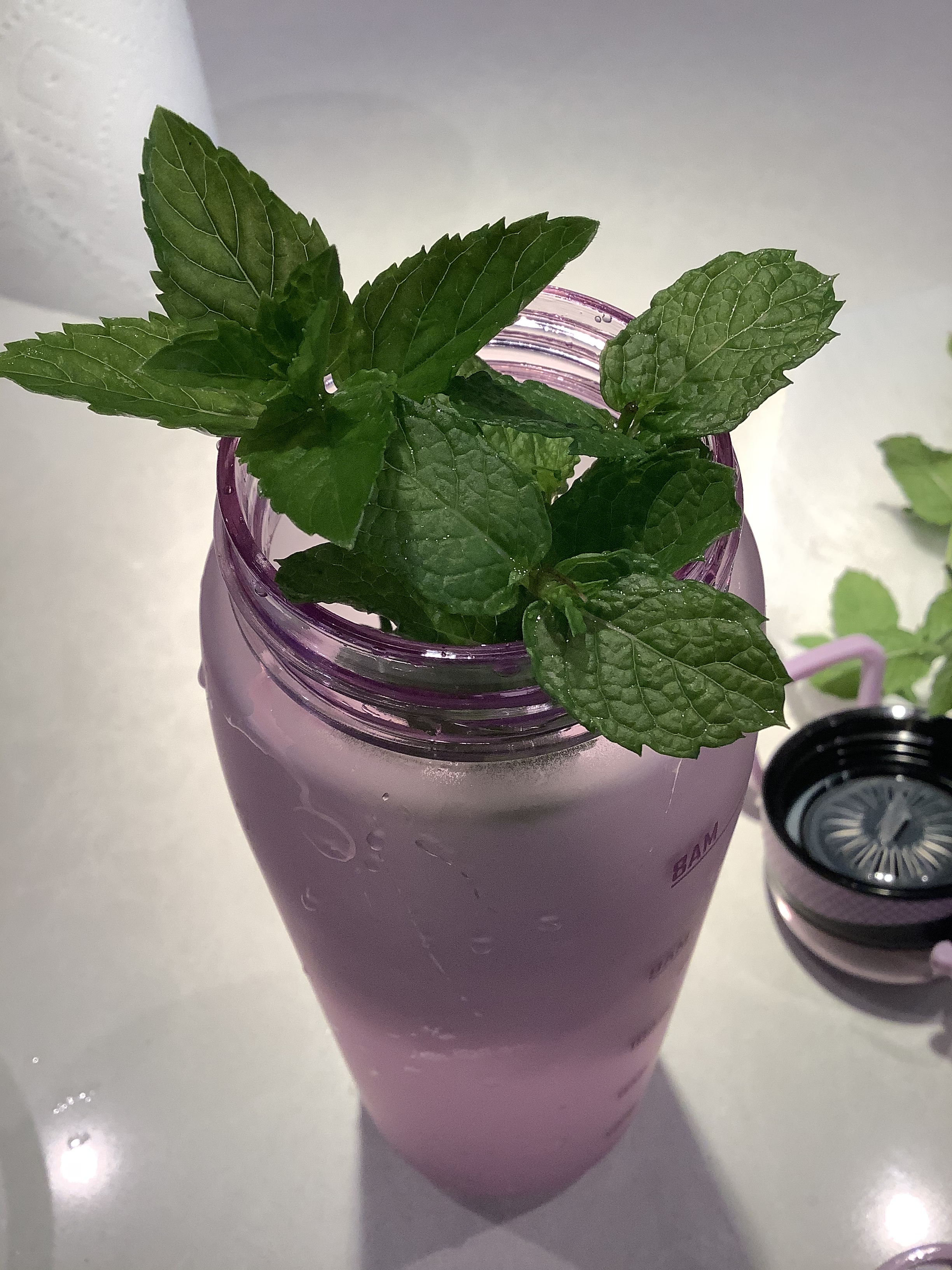
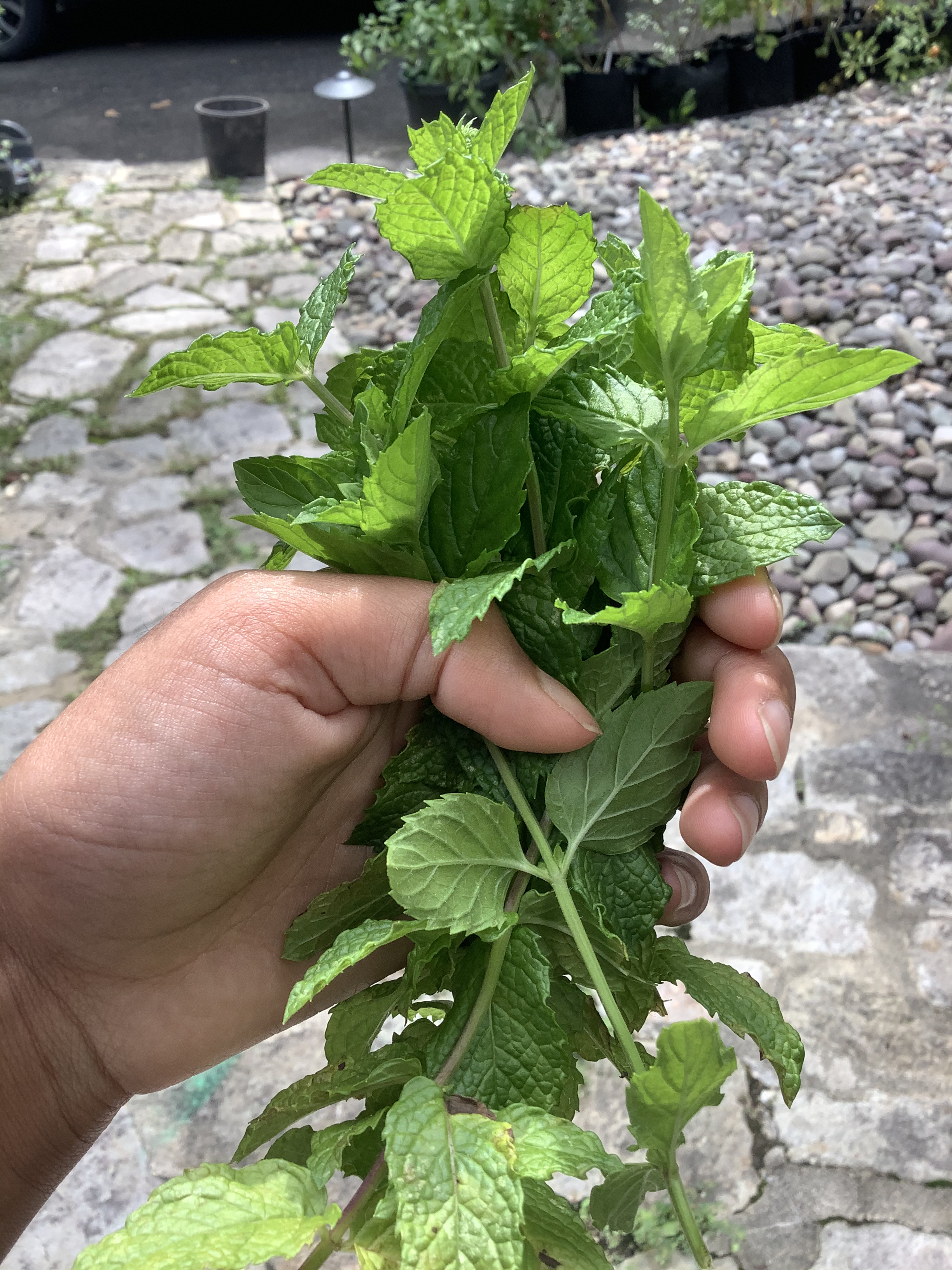
I used about three sprigs of mint and I used a mix of spearmint and common mint!

Only pick the mint that you need. To determine how much mint you need to pick, bring your water cup or bottle, (which ever one you want to use) and use that to see how much mint you can fit in it. You can also just pick a small bundle of mint instead of bringing your cup out to measure.

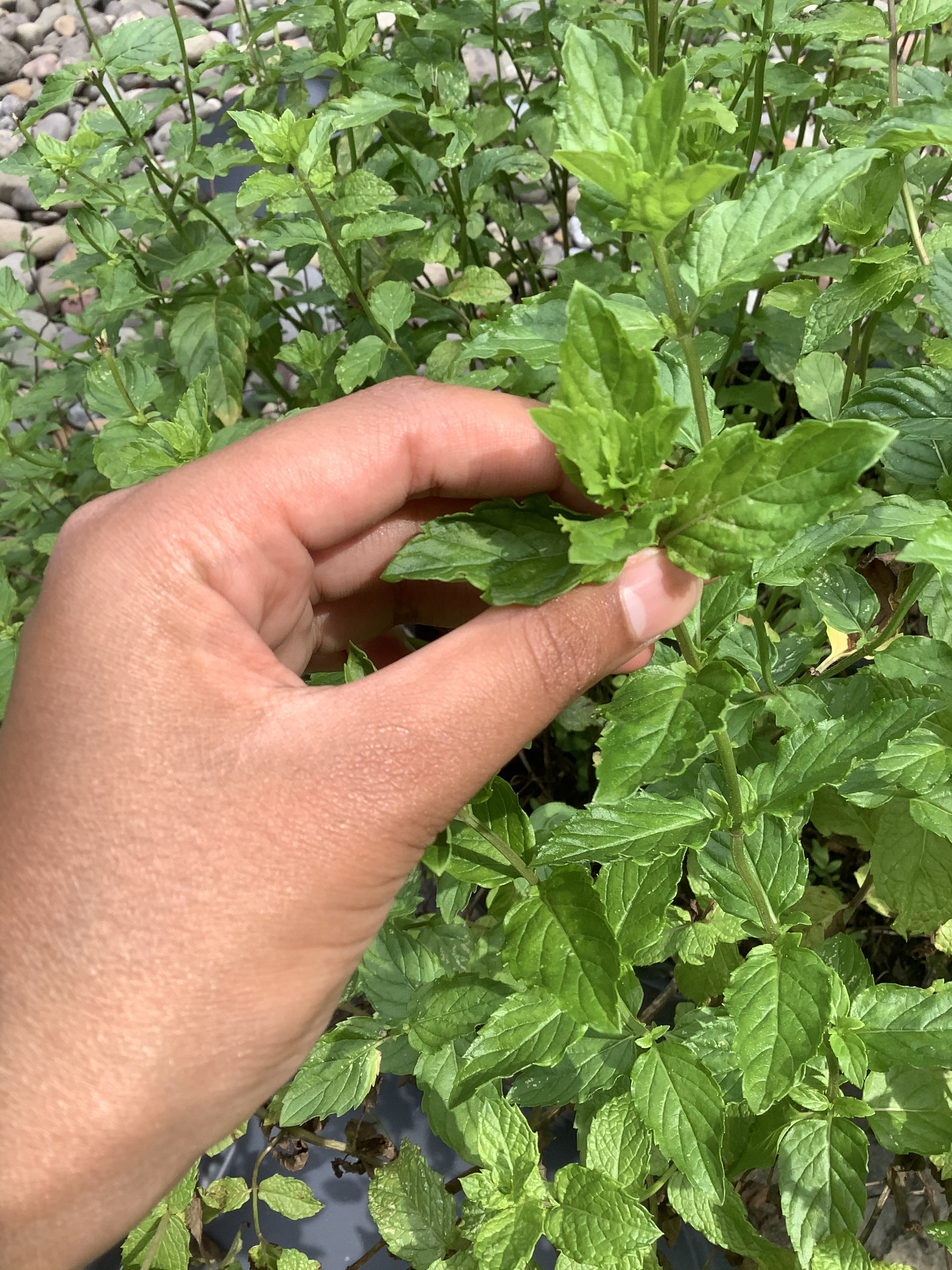
As for what type of mint to use, you can use pretty much any type of mint that you like the taste of.

For example,when we pick our mint to make mint water, we usually only make mint water with common mint and spearmint, since we don’t like the taste of chocolate mint that much.

But if you like the taste of chocolate mint, go right ahead and use it to make your mint water!

Step two: Clean your mint

Now that you have your mint, it’s time to clean it! Hold your mint in your hands under running water like a hose or your tap.

Make sure you get all of the dirt off!

Step 3: Fill your cup!

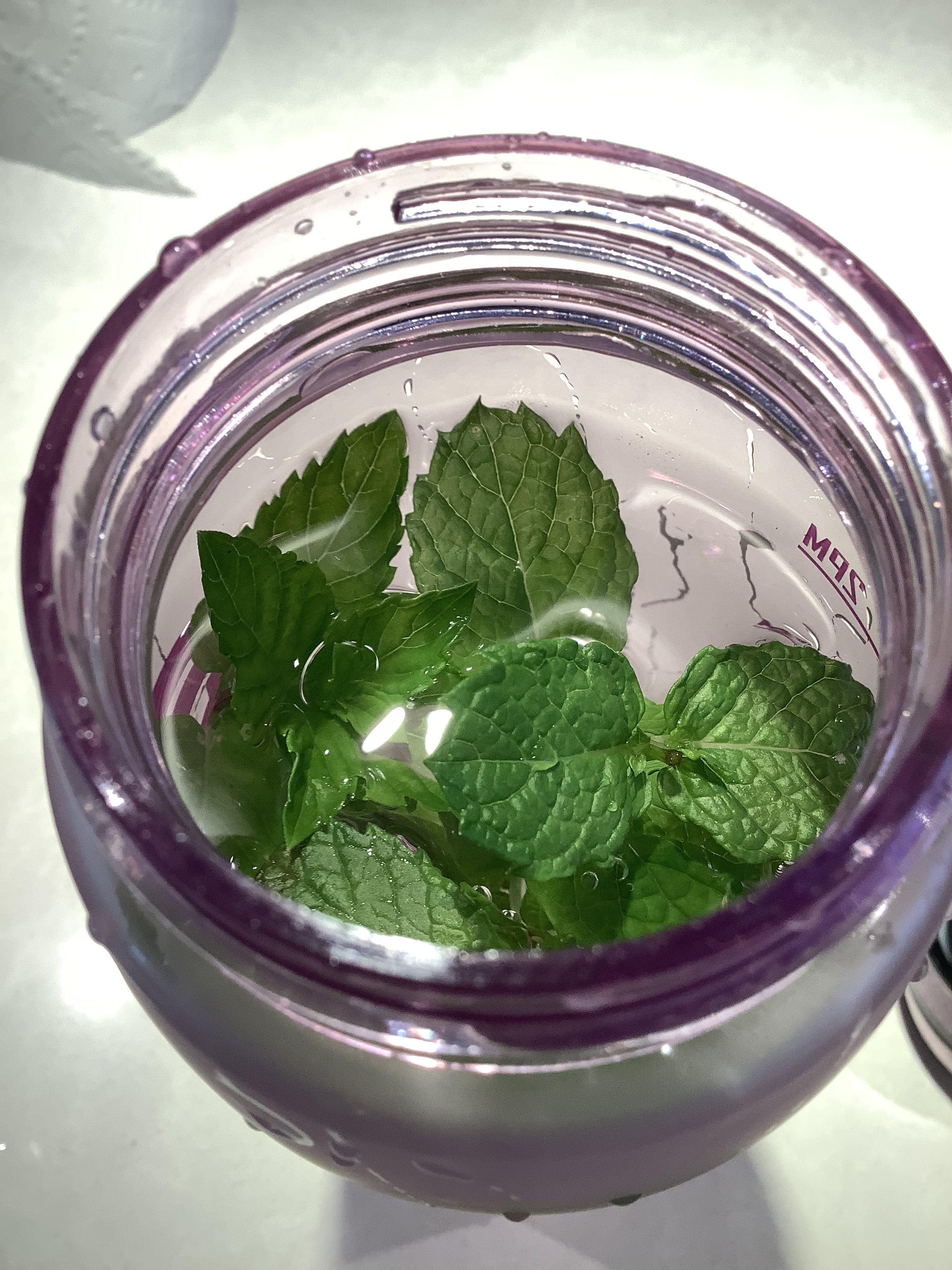
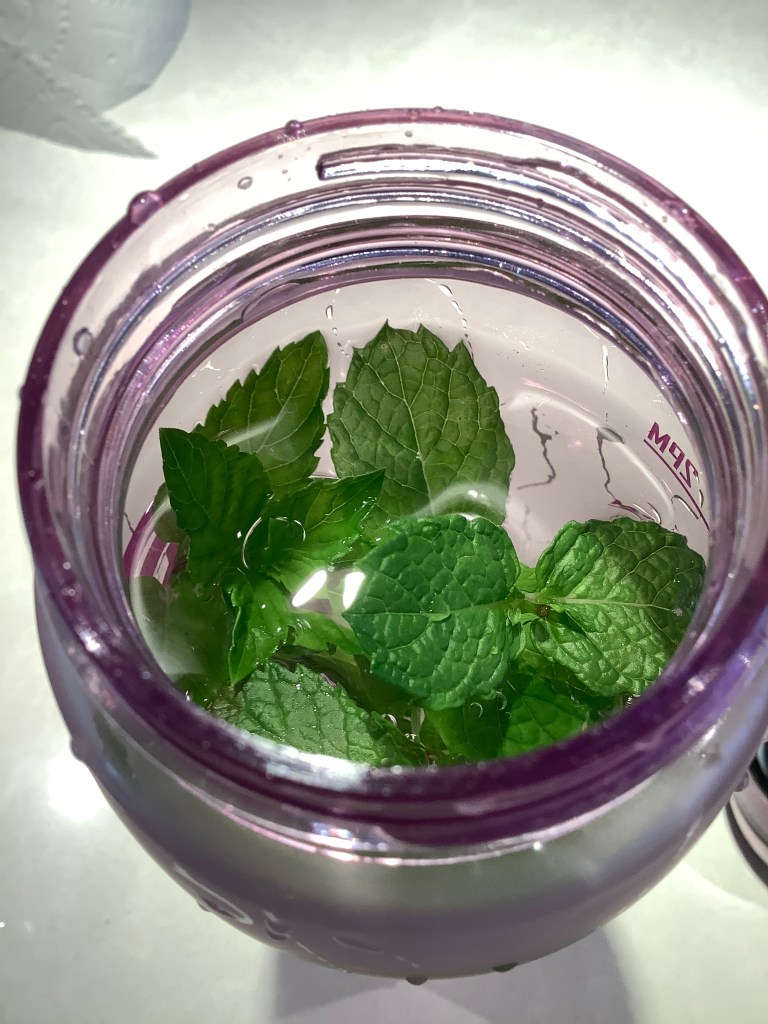
It’s as easy as it sounds! All you have to do now is take your mint and put it in your water bottle or cup and add water!
If it’s hot outside, sometimes it’s nice to put some ice in your mint water too!

Notes

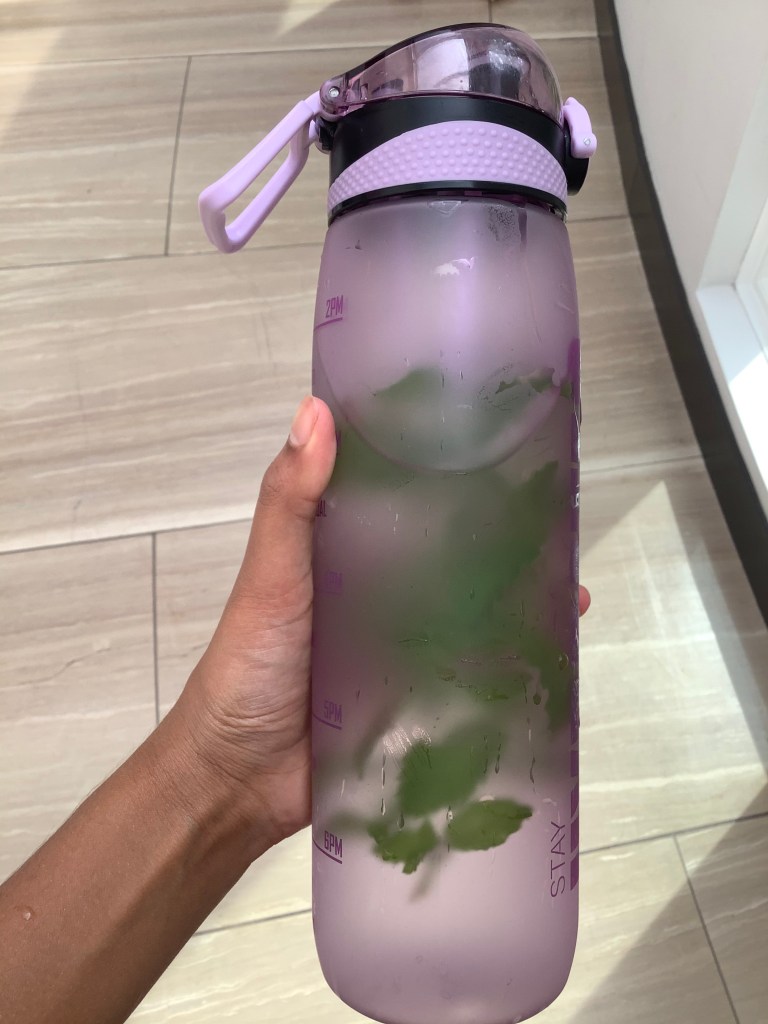
  • If you are using a water bottle, don’t use a really nice one with a fancy cap so mint doesn’t get stuck in it!
  • You can refill your water when it is finished without having to pick new mint, but make sure you throw your mint out after a couple days so it doesn’t go bad!
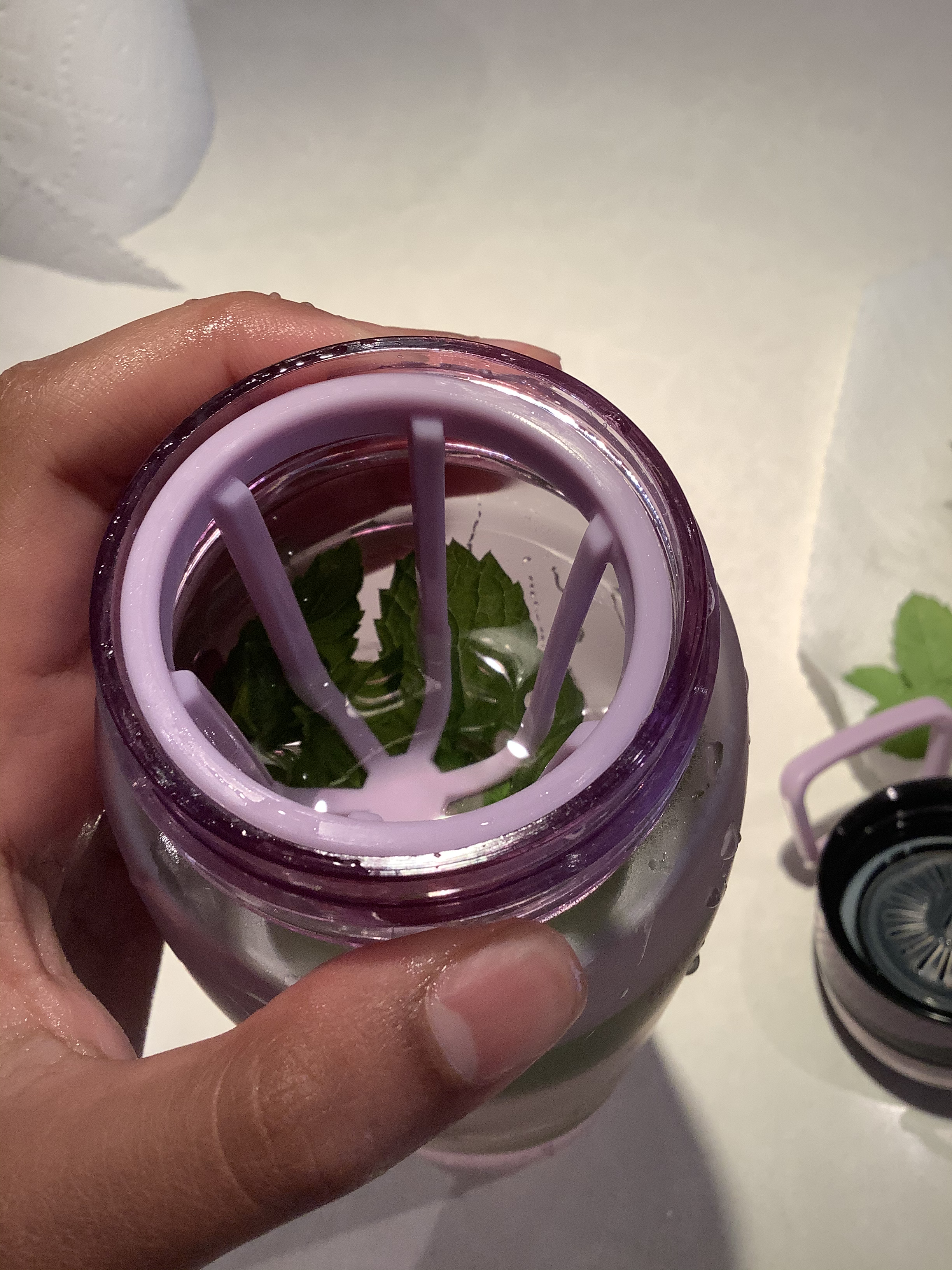
  • Mint water is easier to make and drink in a water bottle with a cage thingy like this:


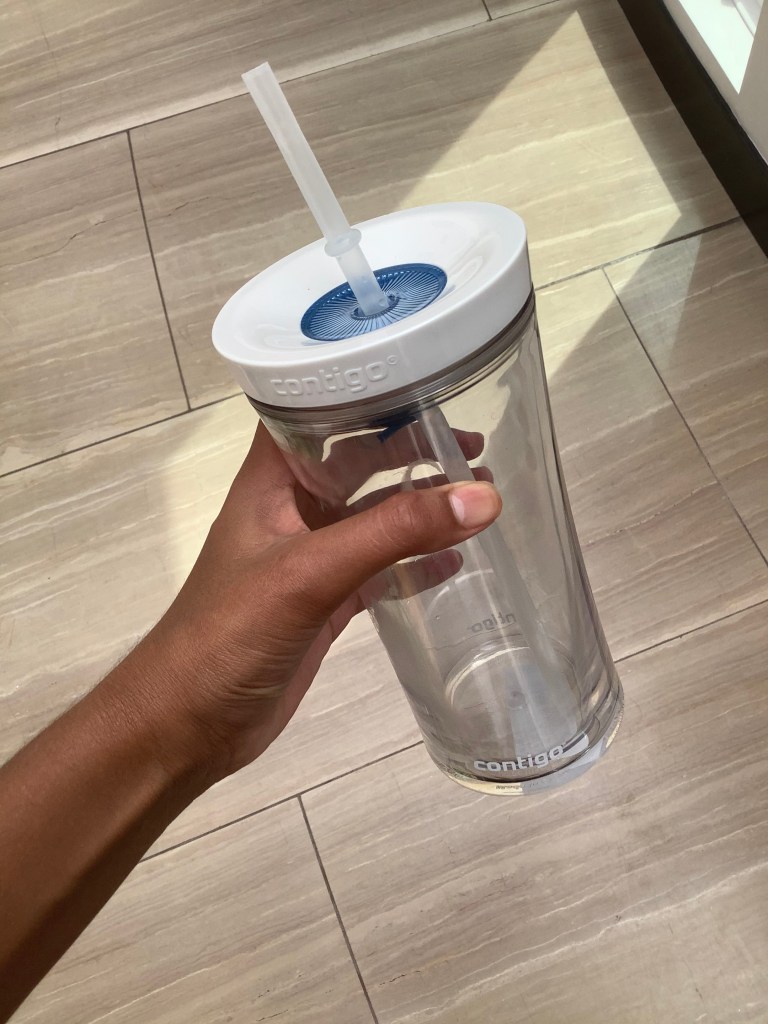
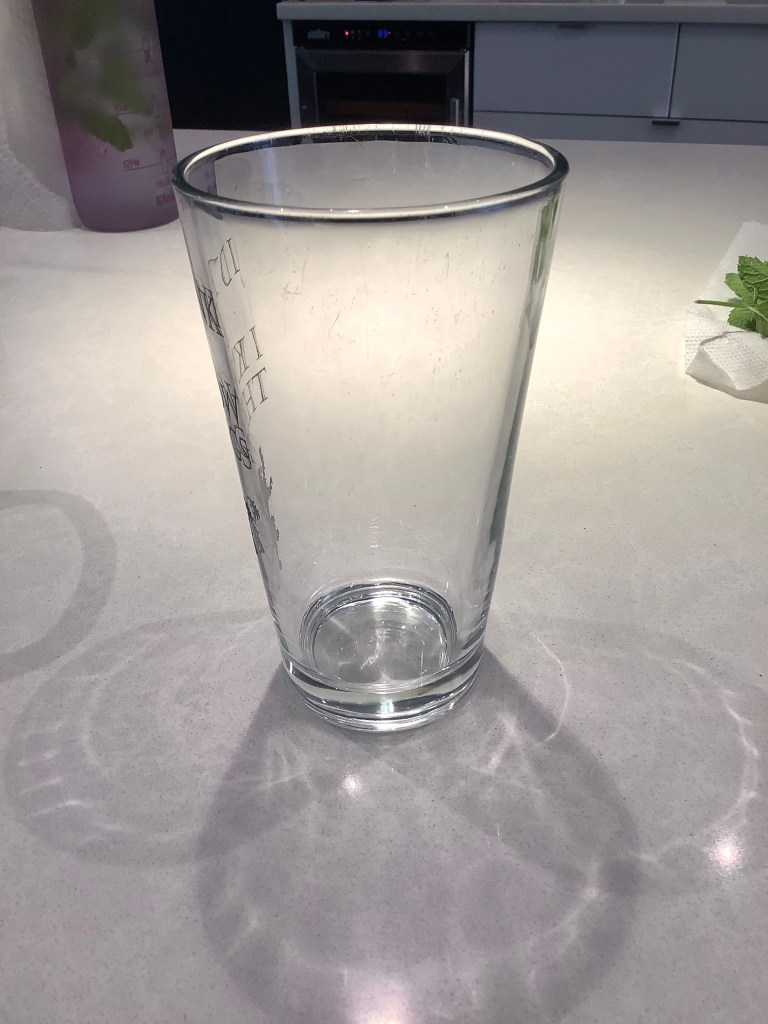
Or in a cup with a lid like this:

But it you don’t have a water bottle or a lidded cup, do not worry! A normal cup will still work fine!


Alright! That is it for today’s post! I hope you enjoyed it! Make sure you check out our mason jar herb garden posts Here so you can grow your own mint even if you don’t have a yard! Bye!

Garden bounty!

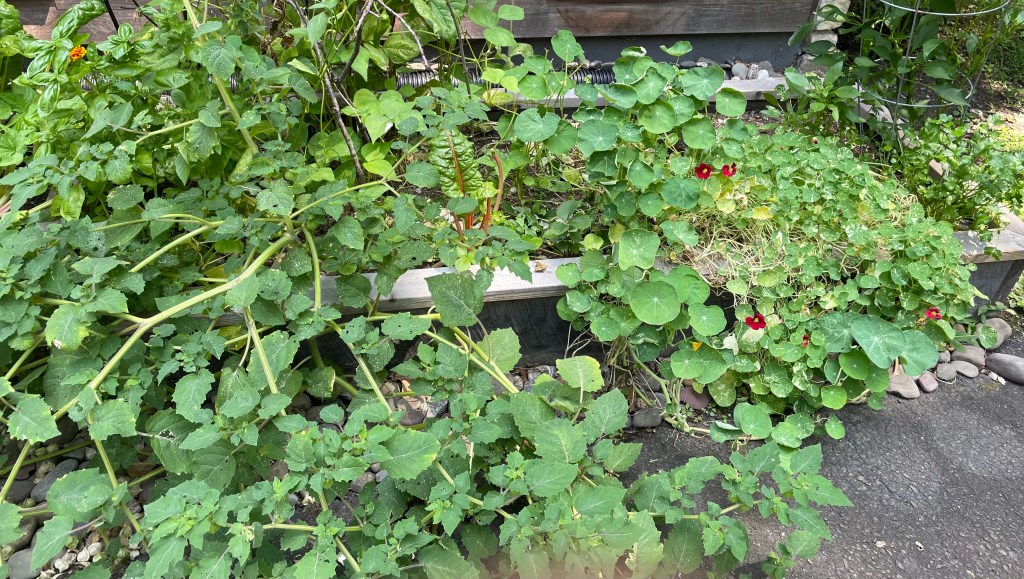
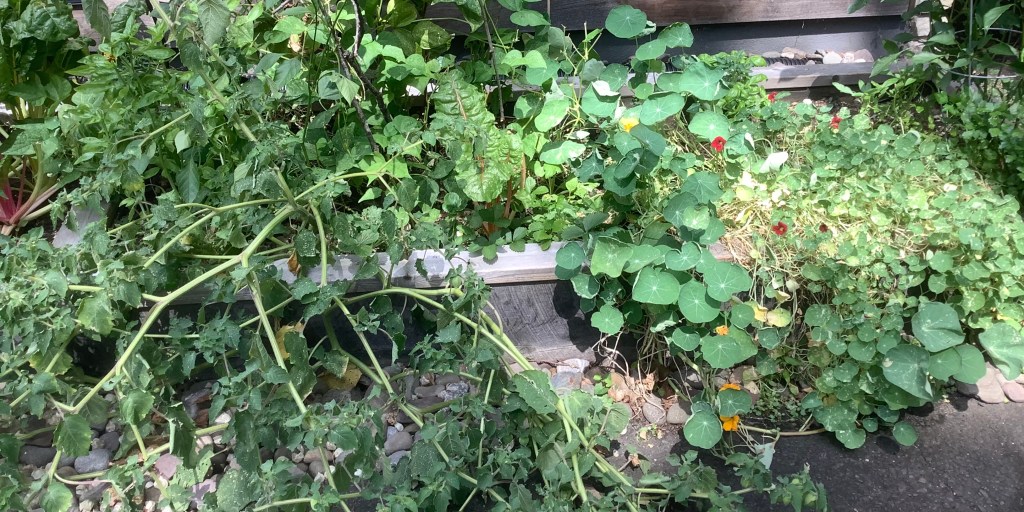
Over the last few days, we have been harvesting salads, radishes, and herbs from our garden. In this post, you are going to see, that even if you have bad soil, not much sun, nibbling rodents, and more (like us), you can still grow a bountiful garden!

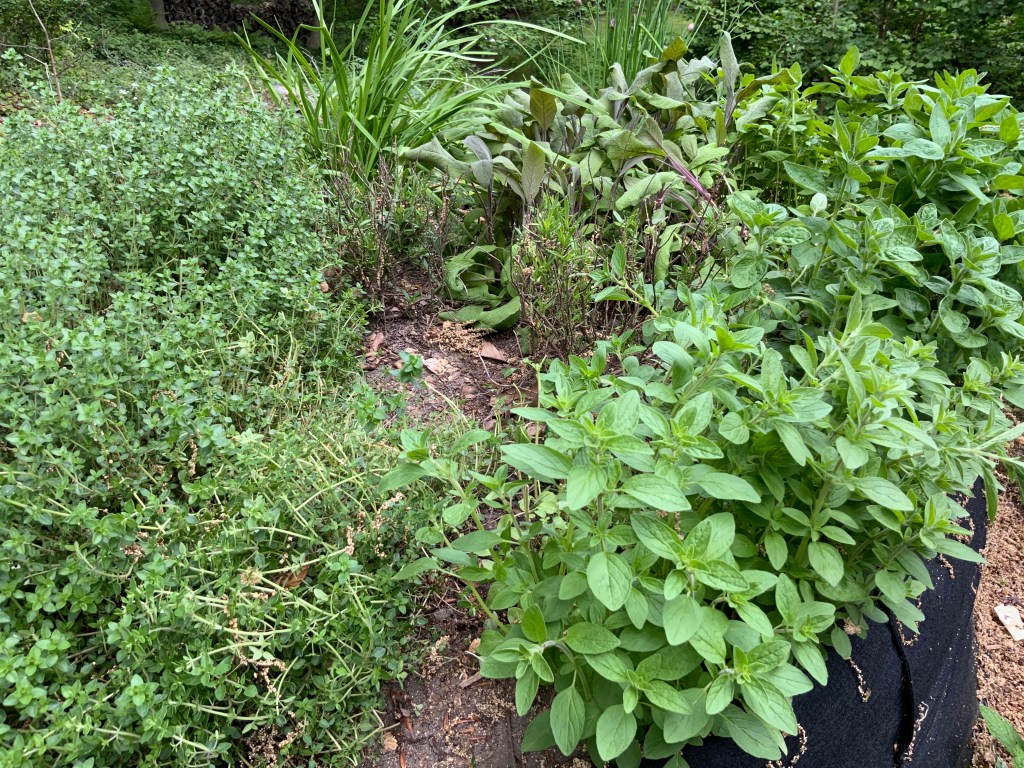
Here is our herb garden:

It does not get full sun and our soil does not drain very well, but look at what we have harvested from it!

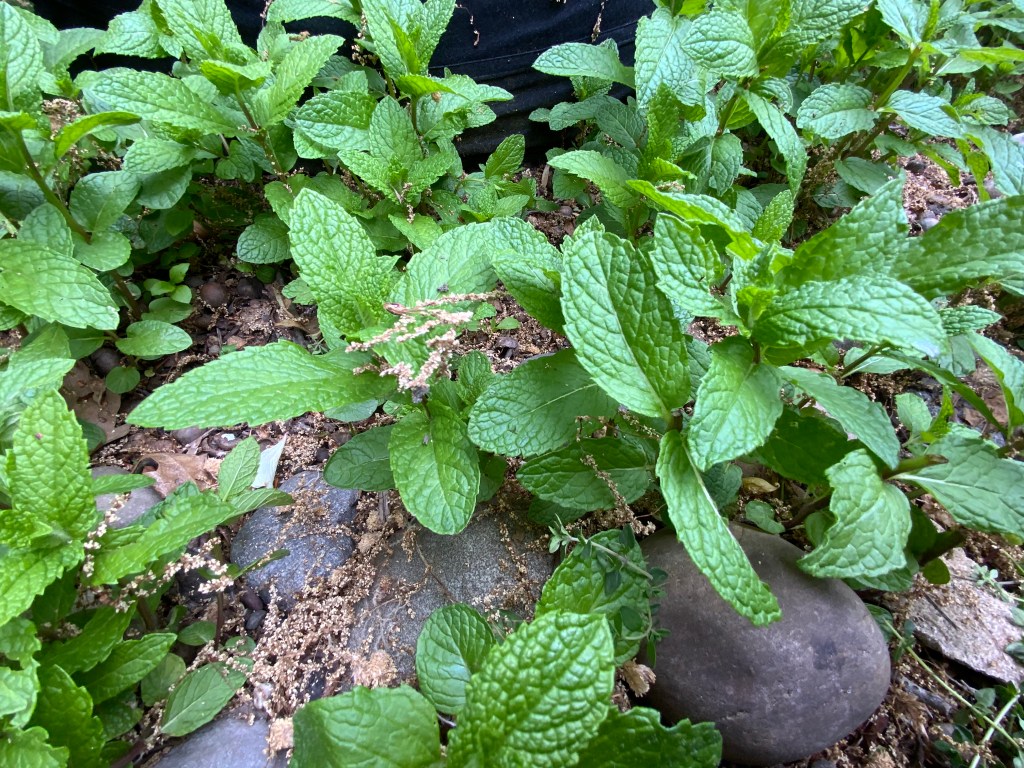
(We have containers for most of our plants here to take care of the problem of bad soil. The soil has been loosened where the mint is in the ground.)

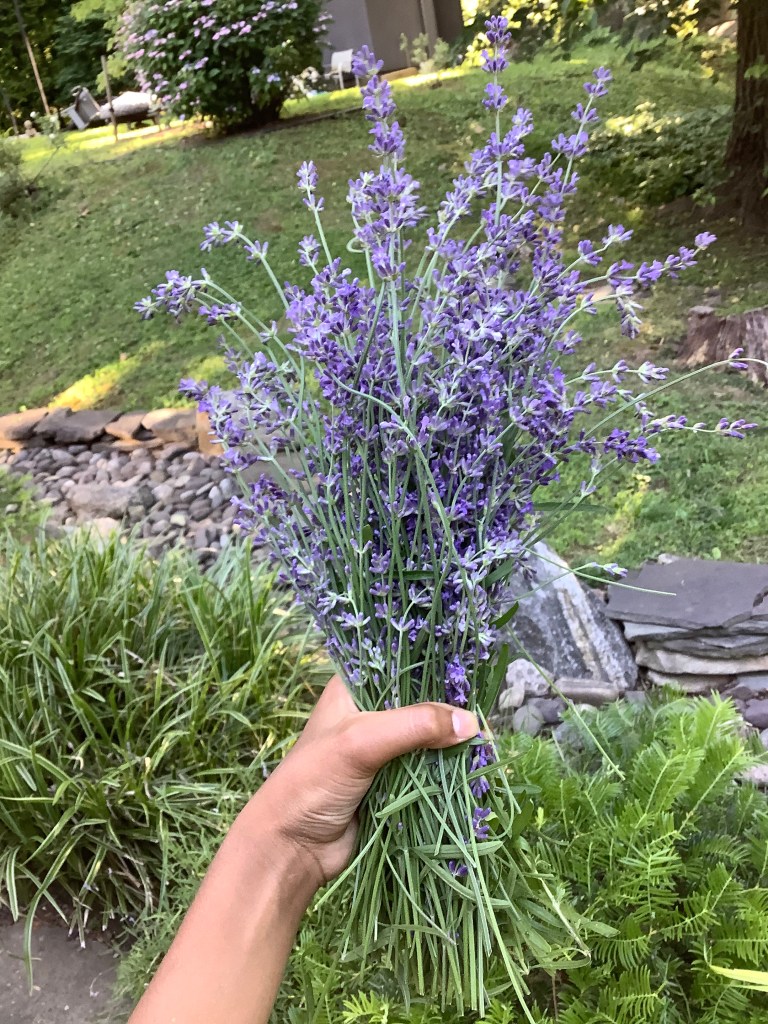
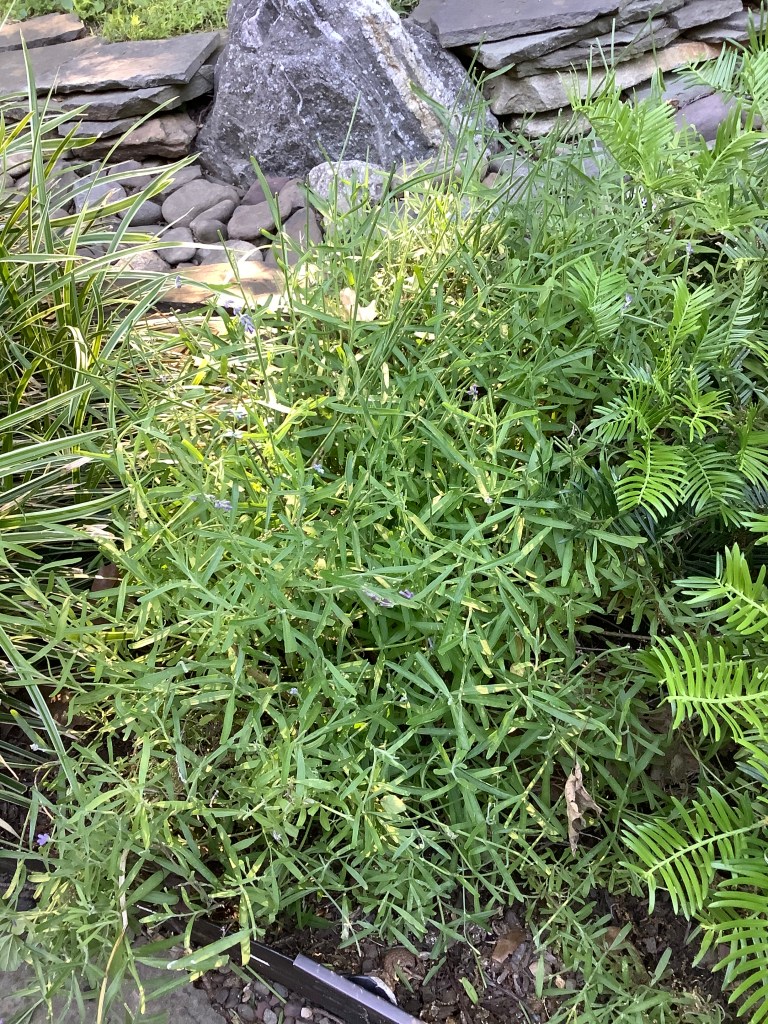
As you can see, we even have some lavender plants near this area. On the web, you will see that lavender likes full sun and well drained soil. Lavender plants will do better in full sun and well draining soil, but these plants have neither, and they are still doing fine.

In our mostly greens garden, we made a chicken wire and zip tie cage to protect the plants from animals that will eat them, and tilled the soil to help the plants grow. This space does not get full sun, but it still gave us a good harvest. In the summer heat, lettuce will bolt (when a plant starts to flower and their leaves taste bad) pretty quickly, so in this scenario, the shade might help. There is mostly bok choy (a plant with edible leaves) right now, because we harvested and pulled out the other plants, (they were bolting) and started seeds in the bare spaces.

These places in the garden that I showed you today are not the best spots for gardening, but we still have managed to get a bountiful harvest from them. Here are some of the things we will/have done to maximize our harvests. Firstly, we water our plants everyday, because in the summer/late spring heat, the soil will dry up very quickly. Also, every week or two we will fertilize our plants. This is especially important if you are growing your plants in containers or poor soil. Another thing you can do to get good harvests from your plants is to spray your plants with neem oil. Neem oil is an oil that keeps away or kills many plant bugs.

Keep in mind that many of these plants will do better in full sun and well drained soil if you can plant them in those conditions, but if you don’t have lots of sun or good soil, do not let that keep you from growing a garden! Bye now!

Home grown beans! (Grown in a partially shaded area!)

How to grow mason jar herb garden!

Hi guys! Today I am going to start a series about growing a garden indoors for people who don’t have an outdoor garden and/or for anyone who wants to grow a garden indoors. Let’s get started!

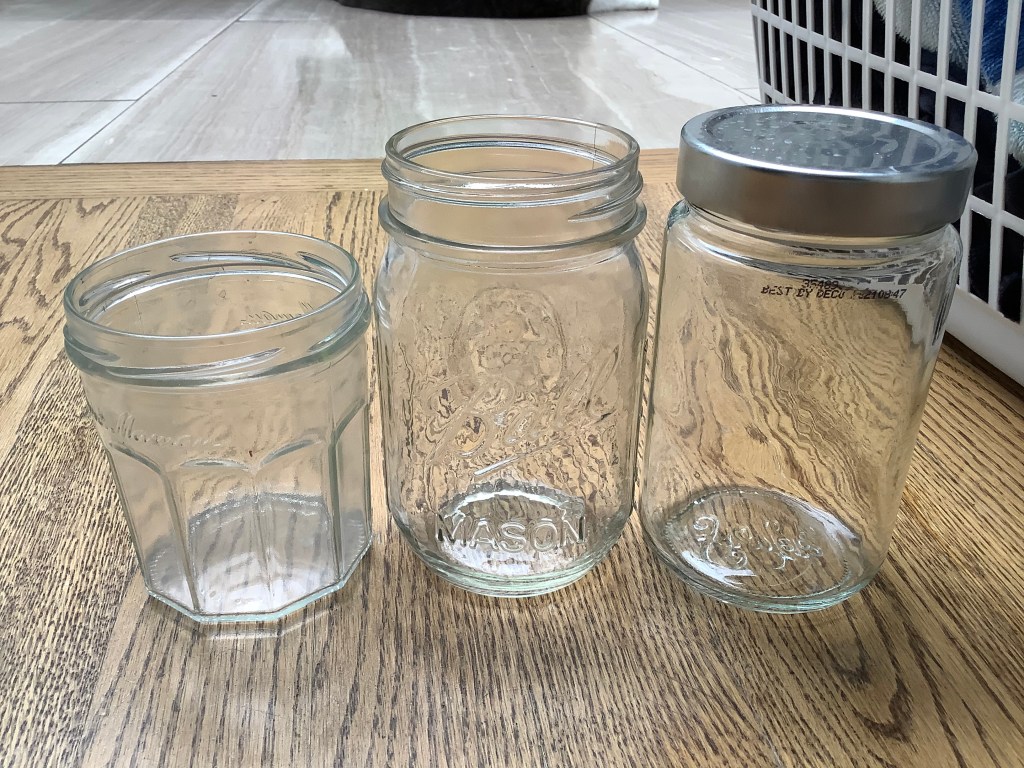
The first step to grow herbs in mason jars it to (obviously) get a mason jar. Your mason jar could be anything from a cleaned jam or salsa jar, to a store bought jar. I like to use recycled jam, salsa, etc. for growing my herbs inside.

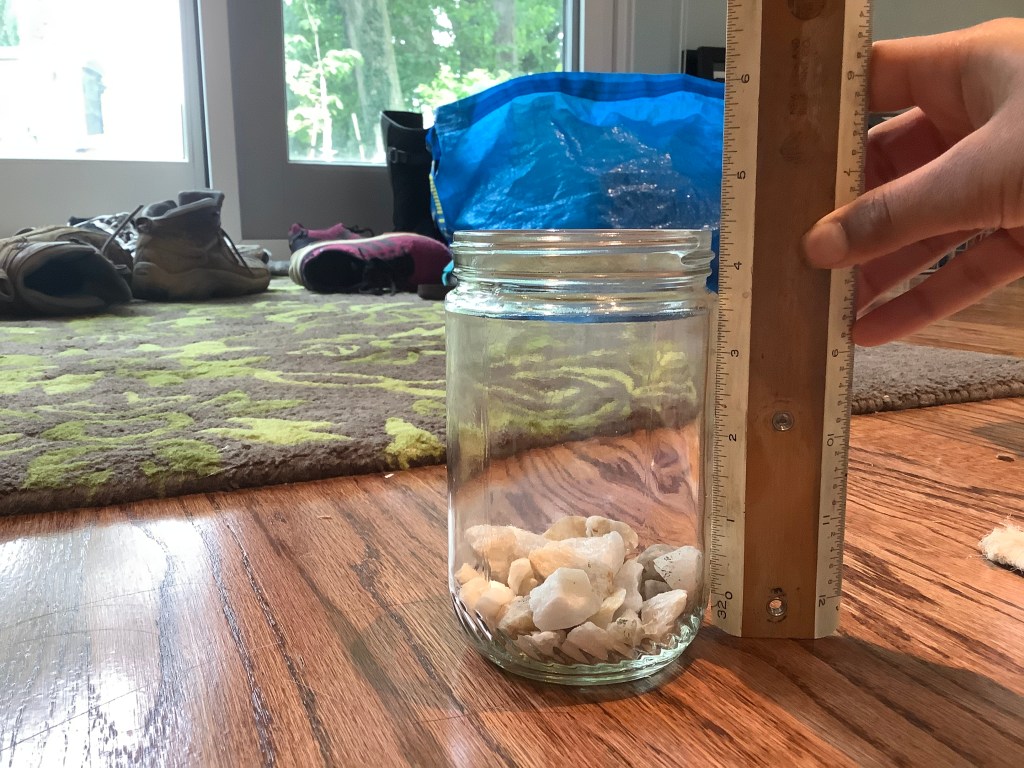
Next, we need some soil and drainage material. The drainage material helps to hold the excess water from the plant‘s soil so the roots do not rot. Drainage material can be rocks, shells, or broken terra-cotta pieces. When you get your soil, it’s important to buy potting mix because if you just get it from outside, it can have bugs, other seeds, and more things you don’t want in your mason jar herb garden. To fill your mason jar, place your drainage material on the bottom to about 1/2 to 1 inch high.

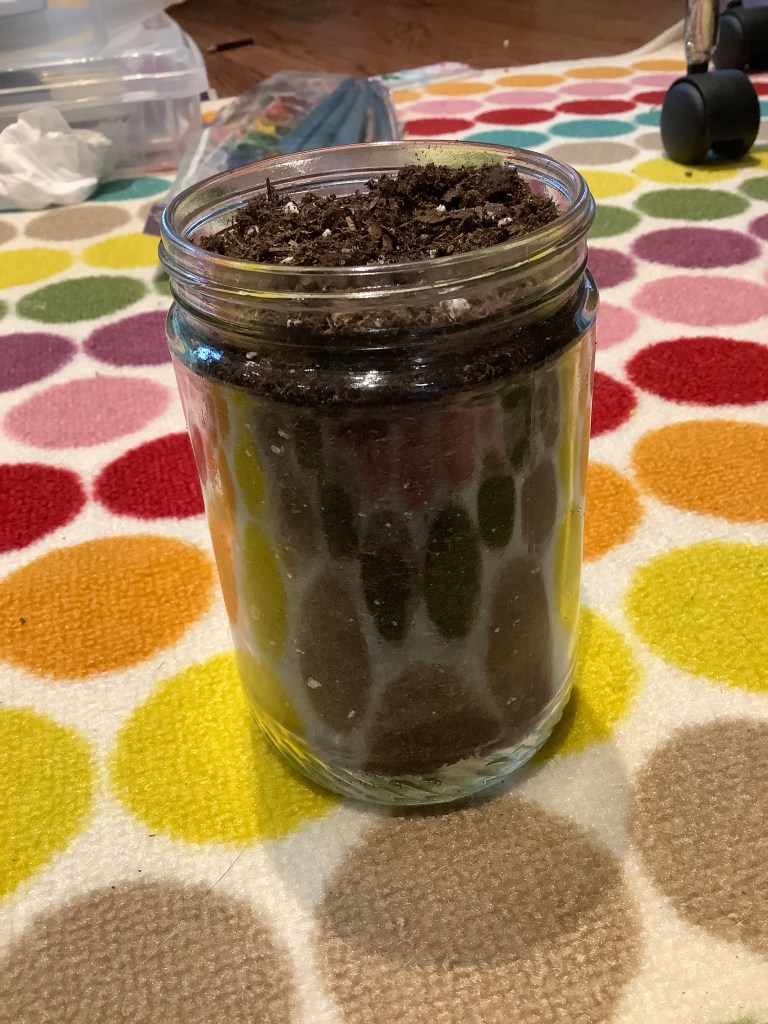
Then, take your potting mix and fill your jar till the soil level is around where the cap screws on.


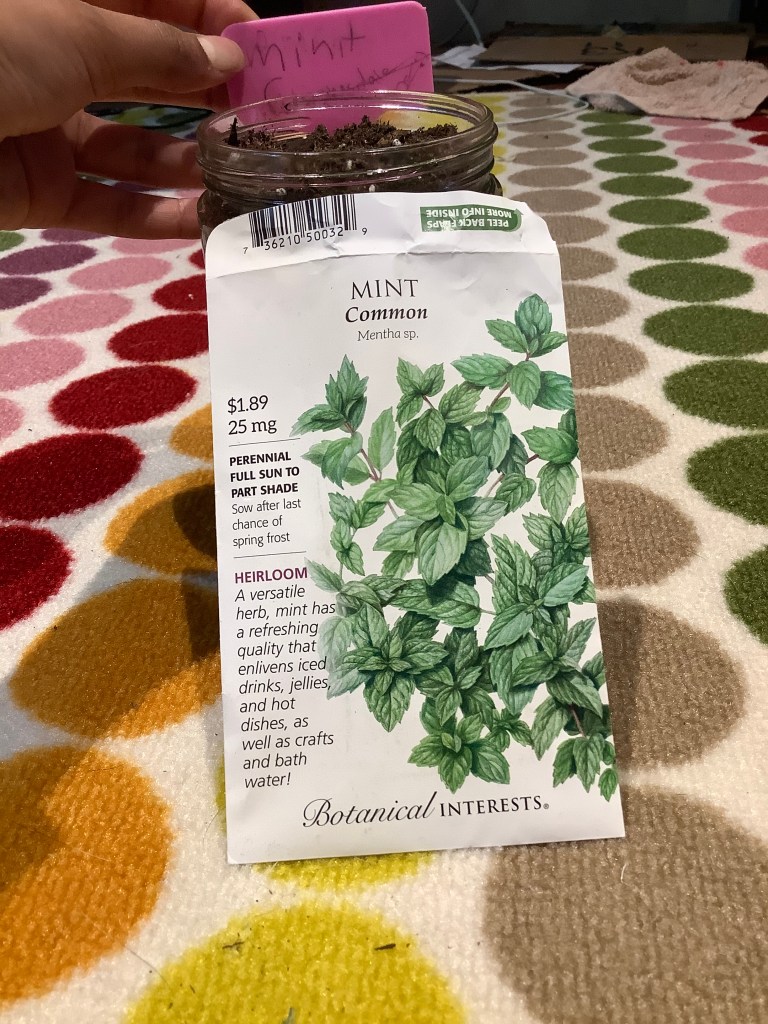
After your mason jar is filled, chose the type of herb seeds you want and plant them according to the packet they came in. Plus, don’t forget to label your jar so you know what is inside it!

After you plant your seeds, gently water them and place your mason jar in a sunny area. Most herbs like full sun, which it 6+ hours of sun. Depending on how big your mason jar is, you should water your plant every other day to every day.

Thanks for reading today’s post! Keep a lookout for an update on my herbs, and my next post. See you then!

Decorating our herb drying rack! (Herb drying part 3)

Today, we will be decorating our herb drying rack that we made last time and look at different ways to decorate it. (This is optional)

Before we start, I recommend that you take out any herbs you might have hanging in it. This way your herbs will stay nice and clean while you decorate.

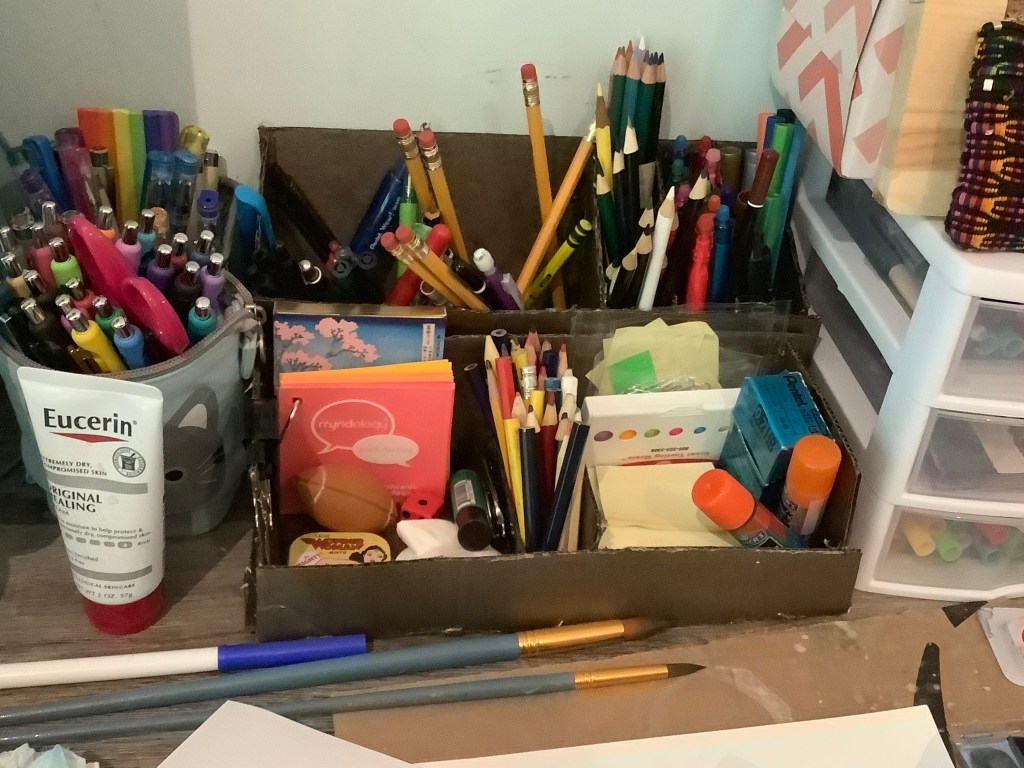
One of the best and easiest ways to decorate your herb drying rack is to spray paint the outside. When you spray paint it is best to do it outside on another piece of cardboard or a tarp and making sure to cover up the inside part of the box because that is where your herbs will hang. This is mostly important if you’re going to use your dried herbs for seasoning in your food. FUN(ish) FACT! Usually when you are spray painting your herb drying rack, you want to add multiple coats of your spray paint until you cannot see any of the marks from your box under it. Here is a picture of a desk organizer I spray painted:

That desk organizer is cardboard!

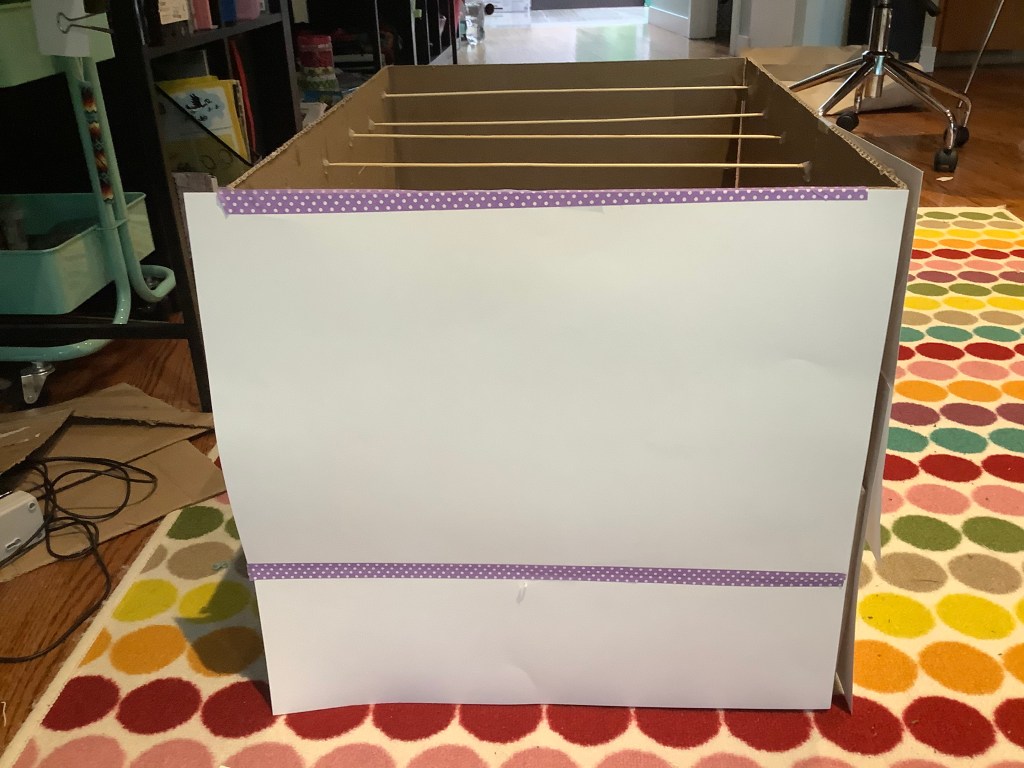
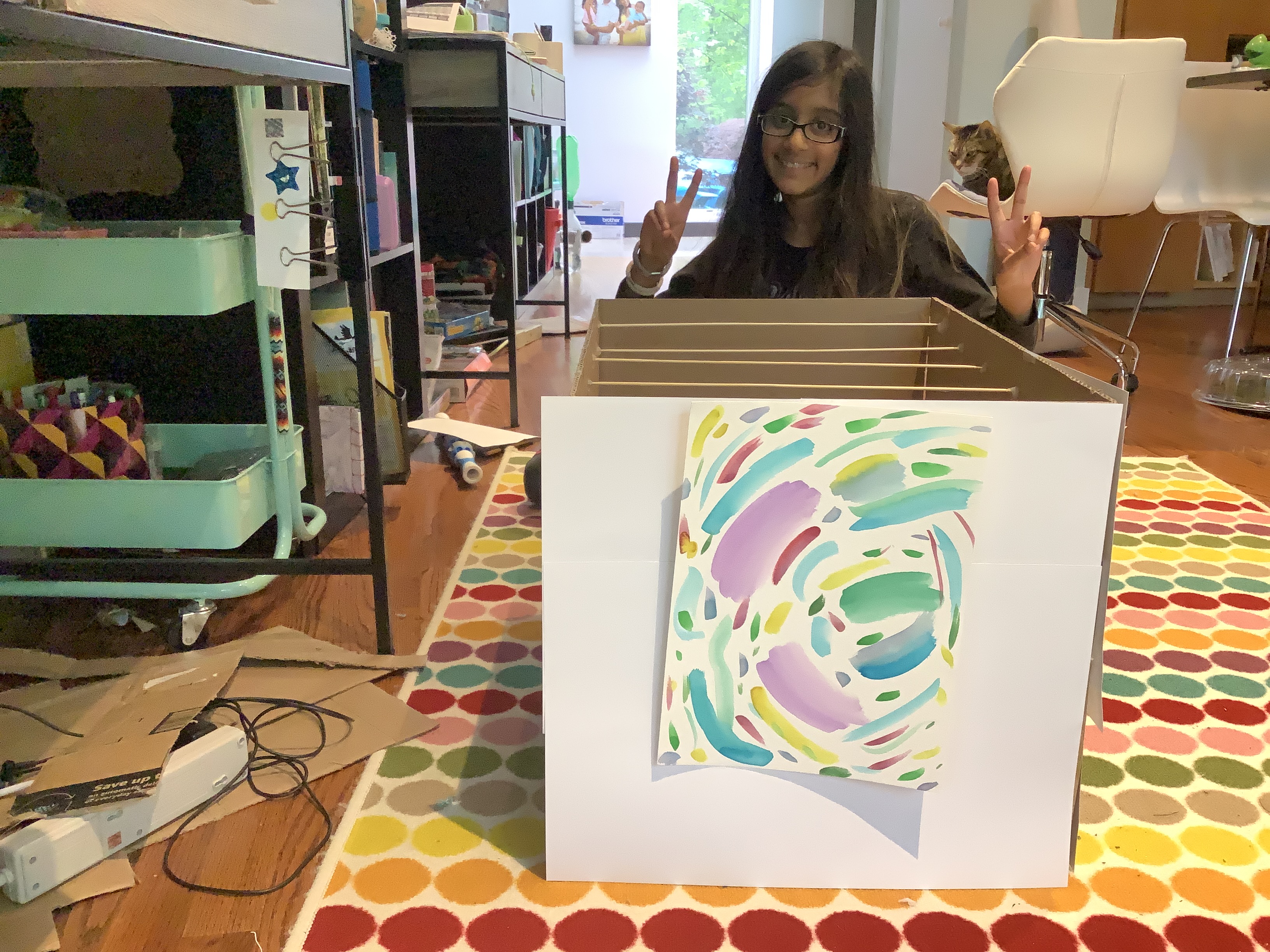
Another way to decorate your box instead of spray painting is to tape or glue paper around the outside of your box. This is better if you are going to collage or paint the outside of your box. FUN FACT! There are also MANY other ways to decorate the paper you are gluing/taping on! Here is how I did it: (Make sure you decorate your paper before you glue/tape it onto your herb drying rack!)

The last way to decorate your herb drying rack ( That I am showing you, there are definitely other ways) is to use washi tape. In my opinion, washi tape is amazing for this project. You can use it around the edges, you can make stripes, and honestly you can even go crazy with it if you wanted! Here is how I used my washi tape:

Something you might want to do after you put your washi tape down is you might want to either mod podge over it, or put packing tape over it. This way it will keep your washi tape lasting longer and sticking longer. Also it gives a bonus shine! Something you might want to do after you put your washi tape down is that you might want to either mod podge over it, or put packing tape over it. This way it will keep your washi tape lasting longer and sticking longer. Also it gives a bonus shine! Stay tuned for my Flower&Leaf pressing tutorial tomorrow, and my tips and tricks for your decorated new herb drying rack on Friday!

DIY Herb Rack! (Herb Drying Part 2)

Herb Drying part 2

Today we are going to make a drying rack for the herbs we bundled last time! This activity is fun, useful, and can finally give a use to that big cardboard box sitting in your house that you don’t have the heart to throw away.

To dry herbs for their flavor and aroma, you have to make sure that you do not dry your herbs in the sun. Otherwise, the herbs that you are drying might lose their taste and scent. 
Fun(ish) FACT! Some herbs can take up to 3 to 4 weeks to completely dry!

Here is how I made my herb rack:

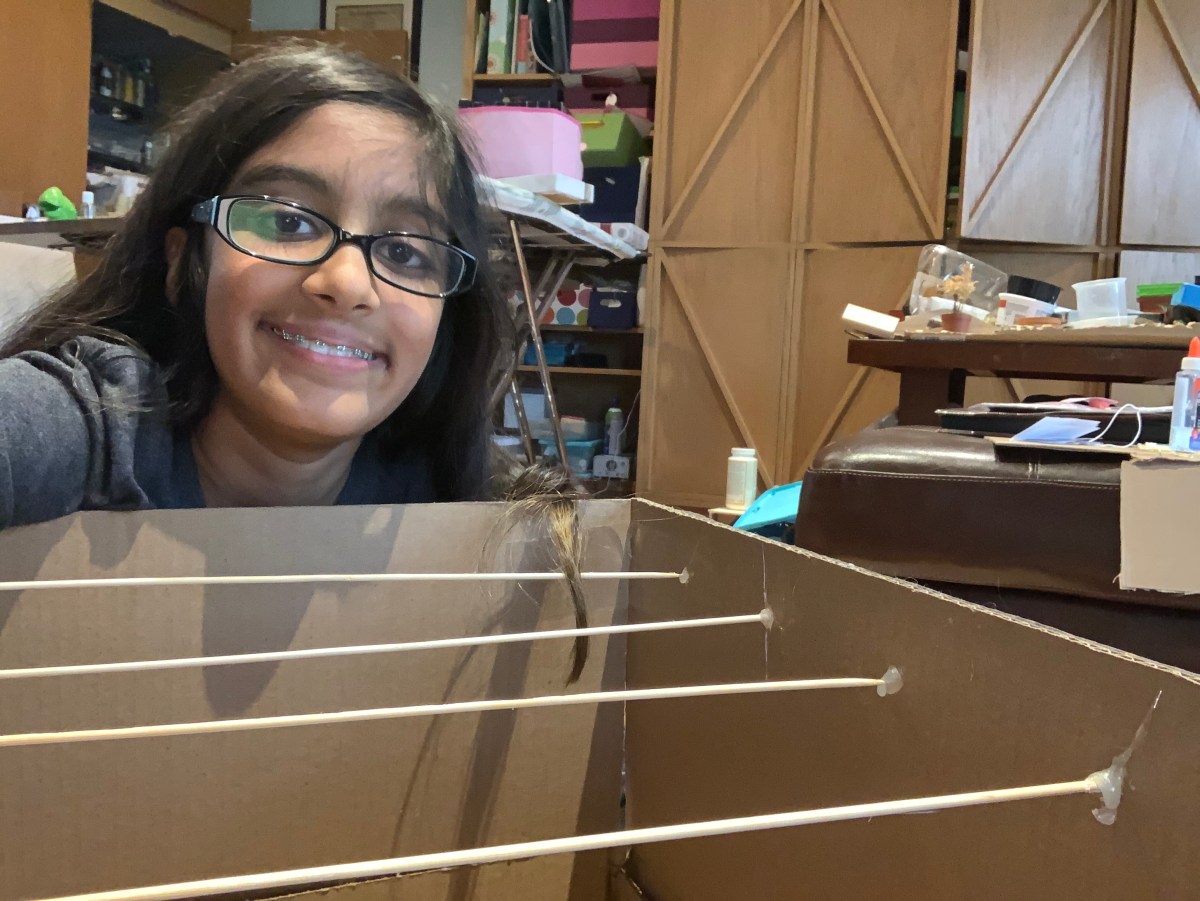
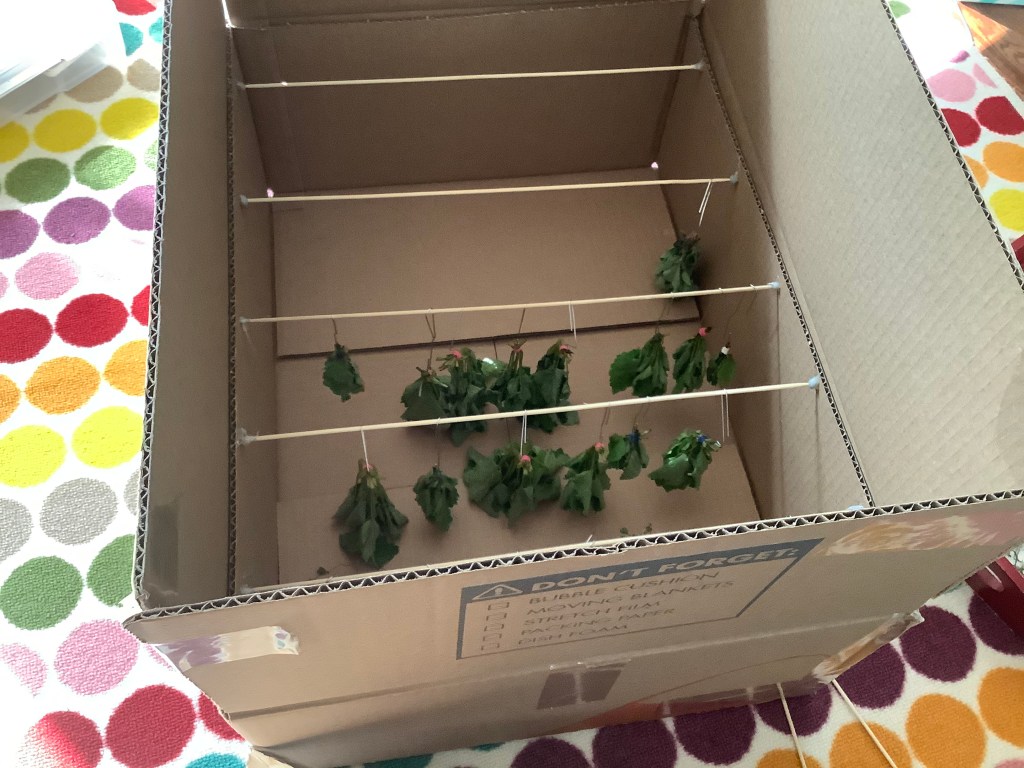
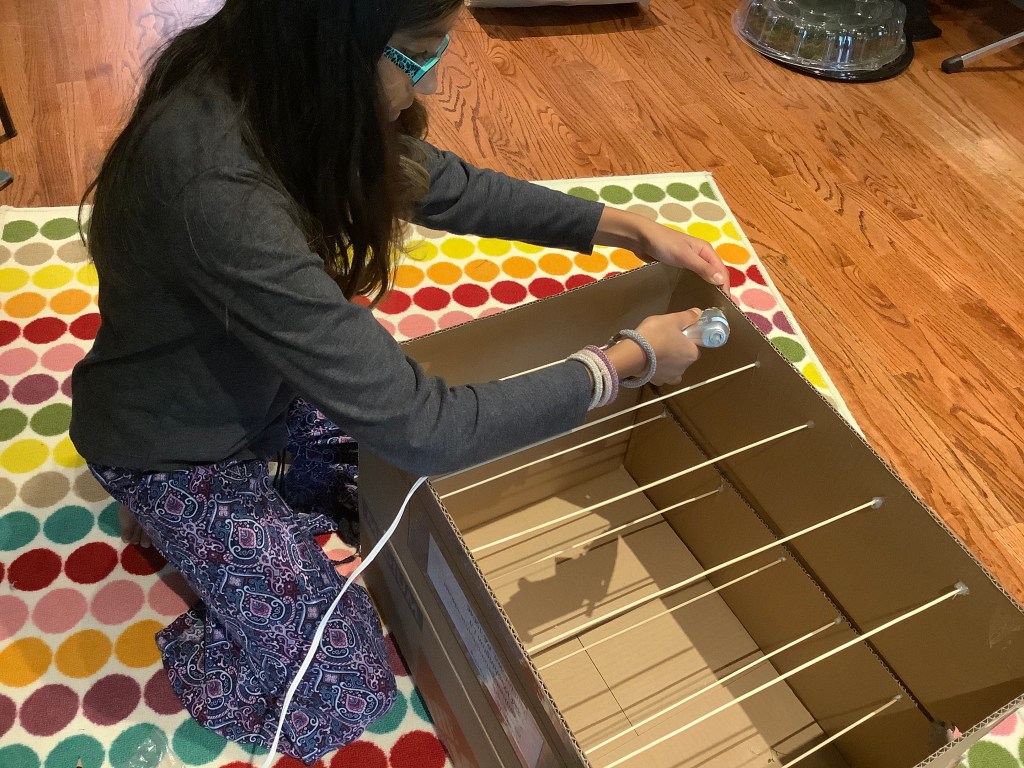
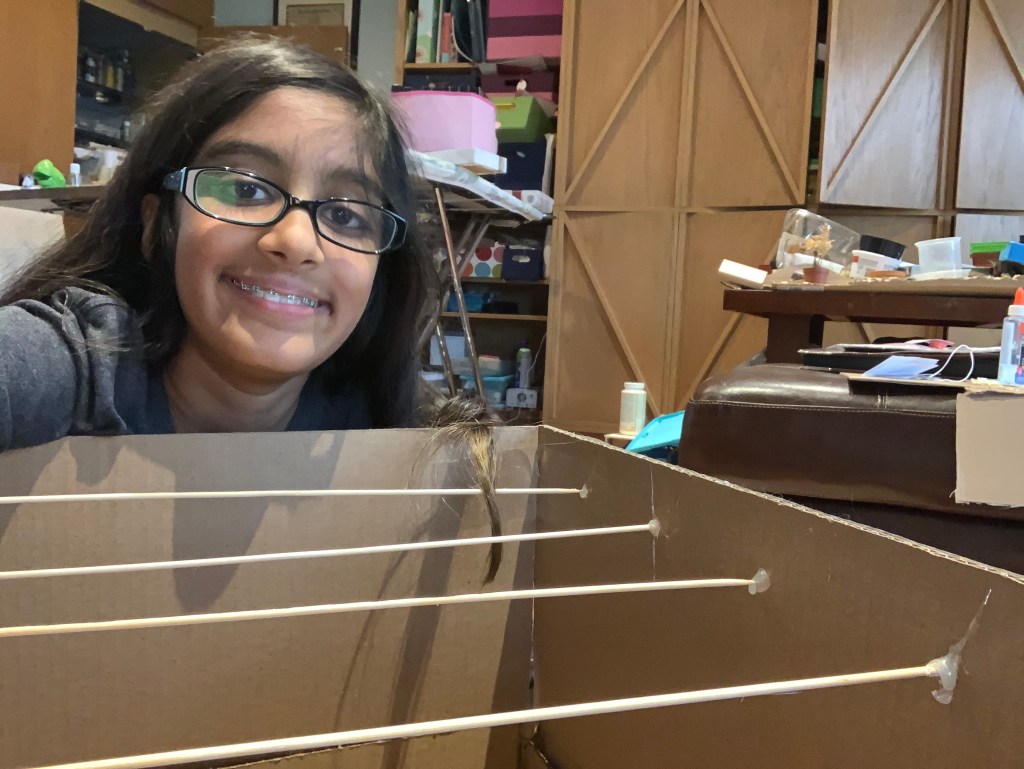
Taking inspiration from paper bag ideas, I took a big cardboard box, and hot glued bamboo skewers (you could use most sticks) across the bottom half of the box to hang my herbs from. FUN FACT! One of the best ways to dry herbs is to hang them because it allows good air flow between the herbs. Next, I taped the top flaps of the box to provide more shade on the drying herbs.

To make a good use of the extra space, I decided to make a second row at the top of the box with my bamboo skewers. This could also help if you are drying longer herbs. (remember, you can use basically any type of sticks). To start, I made marks where I wanted my sticks to go. Then I started gluing.

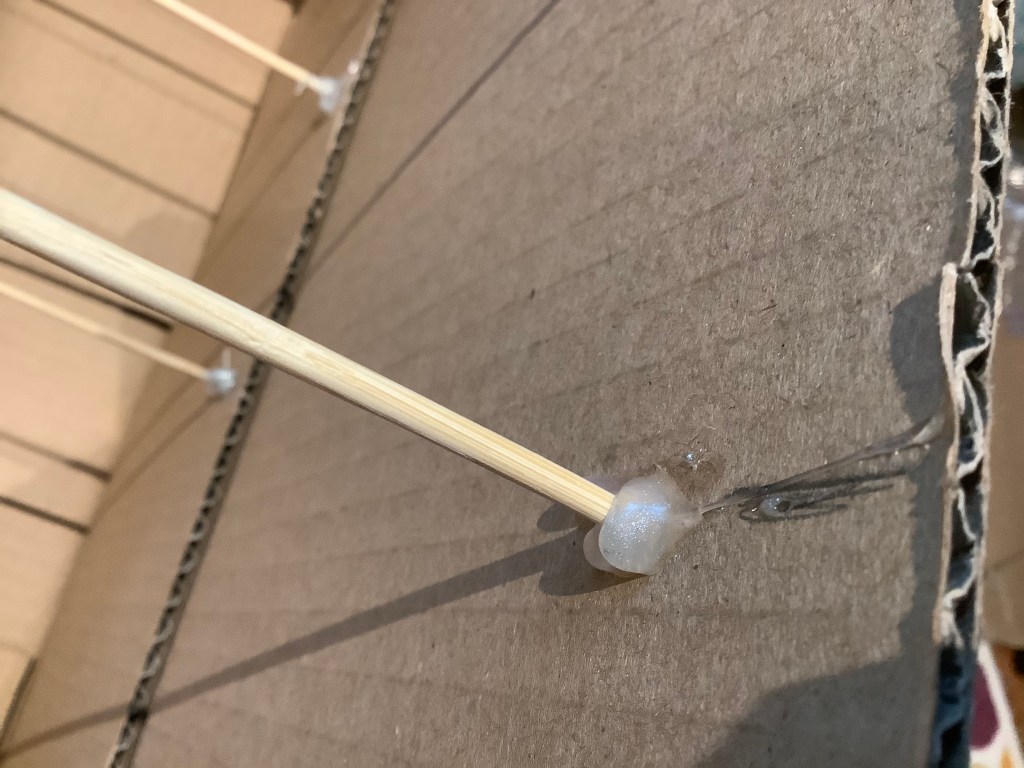
While I was hot gluing, I had to make sure that the bamboo skewers were secured firmly at the ends. This is important because if your sticks fall down, all of your drying herbs could get crushed. You can see here that I ran out of normal hot glue so I ended up using some decorative silver hot glue.

Close up of one end of a hot glued stick.

Once I was done gluing all of my sticks in place, I gave them 1 minute to make sure all the glue had dried. After that, all the important parts of the herb drying rack are done!

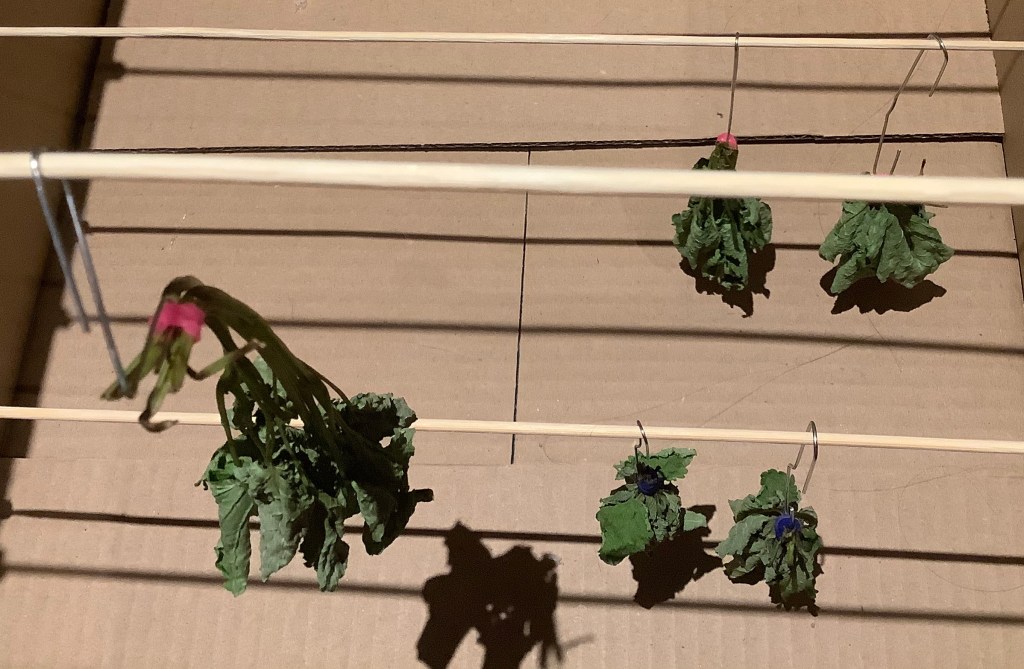
Now you can put your herbs out to dry on your new herb drying rack that you made yourself!


Keep a lookout for my next post about how to decorate your new herb drying rack tomorrow!